
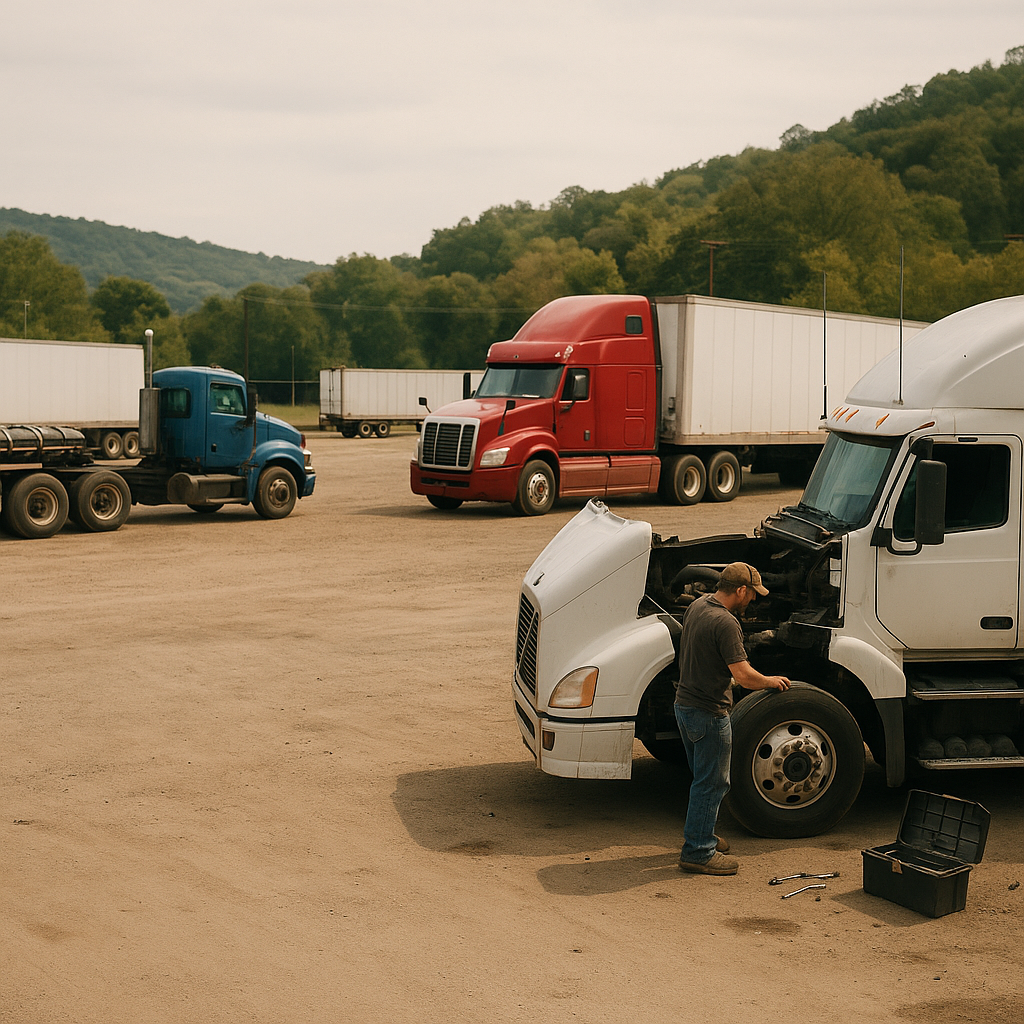

If you’re shopping for hotshot trucking insurance in Arkansas, the biggest mistake is assuming your personal auto policy or Arkansas state minimum automatically covers for-hire freight. It doesn’t. Your insurance setup depends on how you run, what you haul, your truck weight, and whether you operate intrastate or interstate.
What Hotshot Trucking Insurance Covers in Arkansas#
Hotshot trucking insurance in Arkansas is commercial insurance built for owner-operators hauling expedited loads for pay, usually with a pickup and trailer setup. It covers business-use liability and, depending on the policy, can also protect your cargo, truck, trailer exposure, and certain non-hauling situations that personal auto usually excludes.
Hotshot trucking means hauling time-sensitive freight with a smaller truck-and-trailer setup rather than a full semi. Once you’re hauling for hire, the risk changes from personal driving to commercial trucking, and the policy has to change with it.
Why hotshot work needs commercial coverage#
A personal auto policy is insurance written for private driving, not for hauling freight for compensation. Commercial trucking insurance is insurance written for business use, higher liability exposure, and carrier-related requirements.
A simple Arkansas example: you pick up a skid of equipment in Little Rock and deliver it for a broker to Fort Smith using your dually and trailer. Even if it’s a non-CDL hotshot setup, you’re still hauling for hire. That usually means personal auto isn’t the right policy structure, and a claim during a load can turn into a denial fight.
That gap is why owner-operators need true commercial auto coverage, not a personal policy with assumptions attached.
Common coverages for single-truck operators#
Most single-truck hotshot operators look at a core group of coverages based on their operation.
- Auto liability pays for bodily injury and property damage you cause to others in an at-fault crash.
- Motor truck cargo pays for covered freight you damage or lose while hauling it.
- Physical damage pays for damage to your truck from collision and other covered causes like theft, fire, or weather.
- General liability helps with certain non-driving claims tied to business operations.
- Non-trucking liability covers certain non-business use of the truck.
- Bobtail usually refers to liability concerns when operating without a trailer, but coverage wording matters.
- Trailer interchange applies when you use a trailer under a signed interchange agreement.
- Reefer breakdown applies when refrigerated cargo depends on the refrigeration unit.
If you’re still sorting out cargo insurance basics, pay attention to exclusions. A hotshot operator hauling tools, machinery, or packaged goods may be fine under one cargo form, while higher-risk or excluded commodities need closer review before you bind.
What personal auto usually does not cover#
Personal auto usually does not cover hauling freight for hire, business-use liability at trucking limits, or contract-driven insurance requirements from brokers and shippers. That’s the part many first-time hotshot operators in Arkansas learn too late.
The problem usually shows up after an accident or when a broker asks for proof of coverage. You think you’re ready because the truck is insured, then find out the policy was never built for commercial hauling in the first place. If you’re not sure what fits your setup,

Arkansas Rules vs. FMCSA Requirements#
Arkansas rules and FMCSA rules are not the same thing, and one does not automatically replace the other. Intrastate hotshot operators may follow Arkansas-specific requirements, while interstate for-hire operators can trigger federal financial responsibility rules, operating authority issues, and insurance filings tied to the way the carrier is set up.
State minimums and operating scope#
Your state minimum isn’t your federal minimum. If you only look at Arkansas passenger-auto style minimums, you’re likely looking at the wrong standard for a commercial hotshot operation.
For interstate for-hire carriers, federal rules matter. Under 49 CFR Part 387, for-hire interstate carriers hauling general freight in vehicles over 10,001 lbs must carry at least $750,000 in public liability. That minimum changes by carrier type, vehicle weight, and commodity. Auto haulers and certain hazmat operations can require more.
For a closer breakdown of how those auto liability limits work, always scope the question to for-hire or private use, weight, cargo, and whether the run is interstate.
Interstate vs. intrastate hauling#
Interstate hauling means your load crosses state lines or is part of interstate commerce, even if your truck only drives inside Arkansas on one leg. Intrastate hauling means the movement stays within Arkansas and is not part of interstate commerce.
That distinction matters because FMCSA rules can attach to interstate operations, while Arkansas may govern more of the insurance framework for intrastate setups. The FMCSA explains operating authority and proof-of-coverage expectations at fmcsa.dot.gov, and carriers can check public operating status through SAFER.
CDL, vehicle weight, and carrier authority basics#
A CDL is a commercial driver’s license required for certain commercial vehicle combinations and use cases. A non-CDL hotshot setup can still be a commercial for-hire operation that needs commercial insurance.
That’s where many Arkansas operators get tripped up. They think “non-CDL” means “not really commercial.” But if you’re hauling freight for pay, the insurance question is still commercial. Weight, trailer setup, cargo, and radius can also affect underwriting and compliance expectations, even before you get to contract requirements.
A USDOT number is the federal identifier for safety tracking, and an MC number is federal operating authority for certain for-hire interstate carriers. If your operation triggers filings, those FMCSA filing requirements have to match the way the business is actually running.
When filings matter#
An MCS-90 is an endorsement tied to certain federal financial responsibility requirements for motor carriers. It is not a substitute for building the right policy.
Filings usually matter when your operating authority or carrier setup requires proof of coverage on file. And even if you meet the legal minimum, brokers and shippers often ask for higher limits, cargo coverage, or specific wording before they’ll release a load. Legal minimum and load-ready are often two different things.
How Much Hotshot Trucking Insurance Costs#
Hotshot trucking insurance in Arkansas can vary widely because insurers price the operation, not just the truck. Your premium depends on your driving history, experience, truck value, cargo, radius, losses, deductibles, limits, and whether you’re running interstate or intrastate, for-hire, and under what contract terms.
Main cost drivers for Arkansas operators#
A newer operator hauling general freight around Arkansas may look very different to an underwriter than an experienced owner-operator running multiple states with a newer dually and expensive trailer. The truck itself matters, but the operation matters more.
Key variables include:
- driving record and prior claims
- years of commercial experience
- garaging location
- operating radius
- interstate or intrastate scope
- cargo type and cargo value
- truck and trailer value
- deductible choice
- requested liability and cargo limits
If you want a cleaner breakdown of common trucking insurance cost factors, start with how the truck is used day to day, not with a random online number.
Single-truck owner-operator scenarios#
A first-year Arkansas hotshot operator hauling lighter freight within a tighter radius may still see a higher quote if the file shows limited experience, unclear cargo descriptions, or a financed truck that needs broader protection. New venture status alone can change how markets look at the risk.
Now compare that with an experienced owner-operator hauling higher-value equipment across several states in a newer truck. That driver may look stronger on experience, but the quote can still climb because the radius is wider, the cargo is more valuable, and contract requirements may call for higher limits.
Why quotes vary so much#
Two operators can have the same truck and get very different quotes because the policy is built around exposure. One may be intrastate only with modest cargo values. The other may be interstate, for-hire, using a broker packet that requires broader liability and more cargo protection.
That difference gets even bigger once lenders, brokers, or shippers require specific endorsements or proof of insurance on short notice.
How deductibles and limits affect price#
A deductible is the amount you pay out of pocket before covered physical damage or cargo insurance responds. Lower deductibles usually mean more premium pressure. Higher deductibles can help pricing, but only if you can realistically absorb the hit after a loss.
The same goes for limits. Higher cargo limits, broader liability expectations, and better physical damage coverage can materially change the quote. The right answer is not the lowest number. It’s the setup that matches your loads, contracts, and tolerance for risk.
What the New Arkansas Insurance Law Means for Hotshot Drivers#
The short answer is this: check the current Arkansas rule text before you rely on summaries, and don’t assume a state law change wipes out FMCSA requirements for interstate hauling. Whether the change applies to you depends on your vehicle class, how you operate, and whether you’re hauling for hire inside Arkansas only or crossing into interstate commerce.
What changed matters most#
Readers asking about a “new Arkansas insurance law” are usually trying to figure out whether the state’s rules lowered, raised, or replaced what they need on a hotshot truck. The safer move is to verify the current state guidance with the Arkansas Department of Insurance and then compare that to your actual operating setup.
A change in Arkansas insurance law may affect state handling, minimums, or compliance expectations for certain vehicles. But it does not automatically override federal rules that apply to interstate for-hire carriers.
What it does not change#
If you’re hauling interstate freight and your setup falls under FMCSA financial responsibility rules, Arkansas state law does not cancel those federal requirements. Federal operating status, filings, and public carrier records still matter. You can verify operating information and status on SAFER.
A practical example: a non-CDL hotshot driver with a pickup and trailer hauling paid loads only inside Arkansas still needs commercial coverage because the truck is being used for business. Non-CDL does not mean non-commercial.
How to check your exact setup#
Start with four questions:
- Are you for-hire or private?
- Are you interstate or intrastate?
- What does the truck and trailer combination require from a licensing and compliance standpoint?
- Do your broker or shipper contracts require more than the legal minimum?
Most misunderstandings happen when drivers answer only one of those questions.
Ways to Lower Cost Without Cutting Necessary Coverage#
You can lower hotshot trucking insurance cost in Arkansas by tightening the policy to your real operation, cleaning up underwriting issues, and choosing deductibles you can actually afford. The goal isn’t to buy the thinnest policy. It’s to stop paying for mismatched assumptions while keeping the coverages and limits your freight, contracts, and truck value actually require.
Tighten the coverage to your operation#
Accurate garaging, a clear operating radius, consistent cargo descriptions, and the right vehicle classification help insurers quote the risk correctly. If your application says one thing and your broker packet says another, expect delays, rework, or worse pricing.
That also applies to optional coverages. If you need non-business-use protection, understand how bobtail insurance and non-trucking liability differ before adding or dropping anything.
Choose deductibles carefully#
A higher deductible can reduce premium pressure, but only if you have the cash to handle a claim without wrecking your month. On a one-truck operation, a deductible that looks good on paper can feel brutal when the truck is down and revenue stops.
The practical test is simple: if the truck takes a hit next week, can you pay the deductible and keep operating?
Clean up underwriting issues before quoting#
Old violations, unresolved loss details, vague cargo descriptions, and sloppy business information can all make a quote worse or slower. The cleaner your file, the less back-and-forth you deal with.
This is where a broker who understands hotshot operations can help scope the risk correctly the first time instead of treating your setup like generic commercial auto.
Match limits to contracts, not guesses#
Some operators cut cargo or liability limits to chase a lower quote, then find out the broker won’t load them anyway. If the contract requires more than the legal minimum, the lower quote isn’t usable.
The better move is to match your insurance to the freight you actually plan to haul and the contracts you actually expect to sign.
What Brokers and Shippers Usually Ask For#
Brokers and shippers usually ask for proof of insurance before they trust a hotshot operator with a load. That often means a certificate of insurance, confirmation of liability and cargo limits, and sometimes extra wording that goes beyond what the law strictly requires.
Certificates of insurance#
A certificate of insurance is the summary document showing active coverage, named insured, policy dates, and certain limits. It is often the first thing a broker asks for when you’re onboarding.
If you’re fielding a lot of certificate of insurance requests, organized policy records save time and reduce missed loads.
Additional insured and waivers#
Some contracts ask for additional insured status, waiver language, or other endorsements. Those requests can affect whether the policy actually satisfies the load requirement, so don’t assume your base declarations page answers the question.
Cargo documentation and timing#
Cargo wording matters if the load is high value, theft-sensitive, or handled under a stricter broker contract. For a one-truck operation, having your certificate, contact info, and policy details ready can make the difference between getting the load today or missing it while paperwork catches up.
Hotshot Insurance FAQ#
What insurance do I need for hotshot trucking?#
Most Arkansas hotshot owner-operators need commercial auto liability first, because hauling freight for pay changes the risk from personal driving to commercial use. Many also need motor truck cargo, and if the truck is financed or valuable, physical damage usually matters too.
Beyond that, the right setup depends on how you run. Some operators also need general liability, trailer-related coverage, or non-business-use protection. The key is separating legal minimums from contract requirements. A broker or shipper may require more than the law does, so the usable policy is the one that satisfies both.
How much does Hotshot trucking insurance cost?#
Hotshot trucking insurance cost depends on the operation more than the truck alone. Insurers usually look at driving history, years of experience, garaging, operating radius, cargo type, prior losses, truck value, deductible choices, and whether you’re running interstate or intrastate.
That’s why online averages are often misleading. A first-year Arkansas owner-operator hauling general freight close to home can price very differently from an experienced driver hauling higher-value freight across several states. Higher cargo limits, lower deductibles, and broader contract requirements can all move the quote materially. Your actual premium depends on your operation, cargo, radius, driving history, and other factors.
What is the new insurance law in Arkansas?#
If you’re hearing about a new Arkansas insurance law, don’t rely on shortcuts from forums or social posts. Check the current state rule text and guidance from the Arkansas Department of Insurance, then compare it to your actual truck, trailer, and for-hire setup.
The main point is that a state law change does not automatically replace FMCSA requirements for interstate hauling. If your hotshot operation is interstate and for-hire, federal rules may still control liability requirements and filings. If you’re intrastate only, Arkansas-specific rules may matter more. Either way, your vehicle class, business use, and contracts decide what applies.
Is Hotshot trucking worth it in 2026?#
Hotshot trucking can still be worth it in 2026 for Arkansas owner-operators, but only if the numbers work after insurance, truck payments, fuel, maintenance, downtime, and deadhead. The business gets tight fast when margins depend on irregular loads or underpriced freight.
The operators with the best shot are usually the ones who know their lane, control costs, and stay realistic about compliance. Cargo mix matters. Route consistency matters. Insurance matters because one wrong assumption can block loads or create a painful uncovered loss. If you can line up profitable freight consistently and insure the operation correctly, it may still pencil out.





