
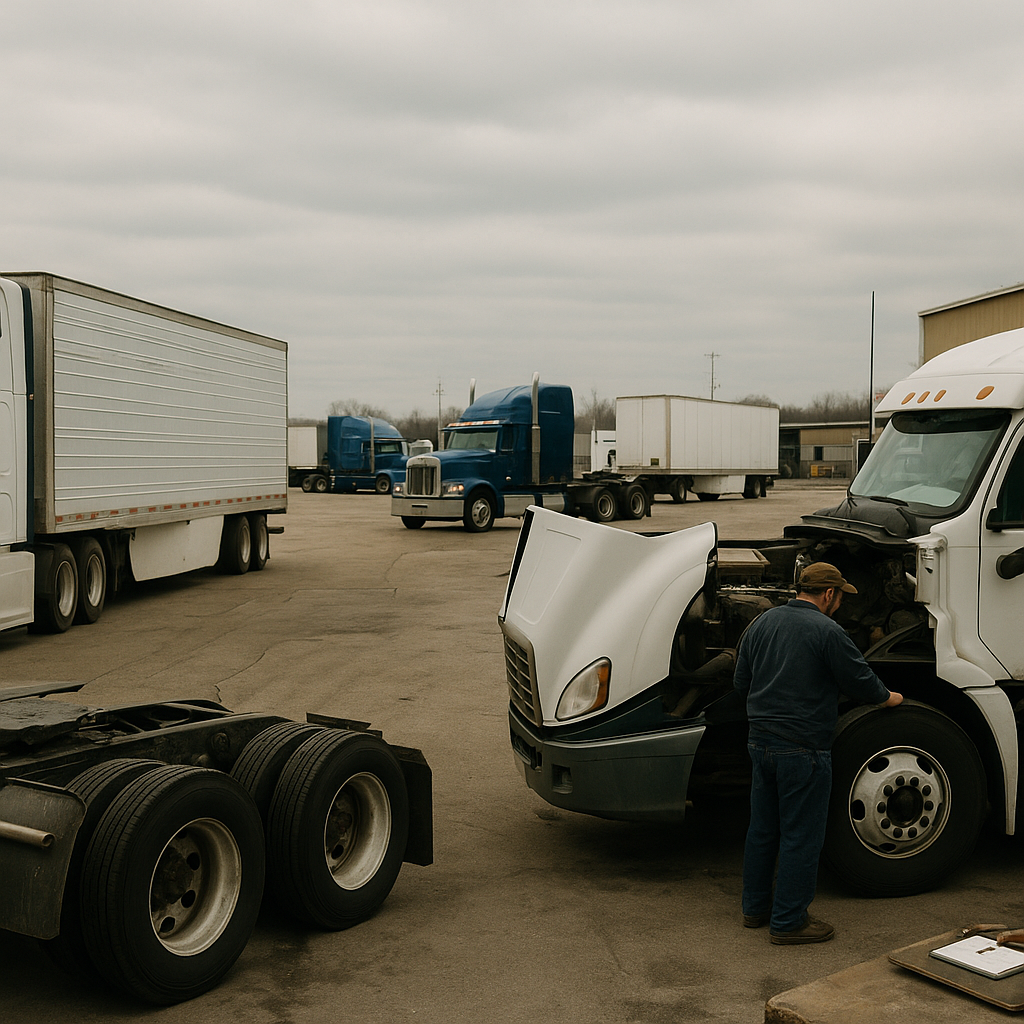

Reefer truck authority usually does not mean a separate federal authority just for refrigerated freight. In most cases, it means getting your trucking business, authority, insurance, and equipment lined up correctly for temperature-controlled loads. If you haul reefer freight under your own authority, the real issue is scope, not a special reefer license.
What Reefer Truck Authority Means#
Reefer truck authority usually means standard motor carrier authority used for refrigerated freight, not a separate federal reefer permit. What matters is whether you’re for-hire, whether you cross state lines, what you haul, and whether your insurance and registrations match that setup.
Reefer trucking vs. standard trucking#
A reefer is temperature-controlled freight hauled in a refrigerated trailer or box truck. The freight may need to stay cold, frozen, or within a narrow temperature range the whole trip.
That makes reefer different from standard dry van work in one big way: cargo can be damaged even if nothing crashes and nothing falls over. A wrong setpoint, poor pre-cooling, or a reefer unit failure can turn into a cargo claim fast.
Authority in plain English#
Motor carrier authority is FMCSA permission for a for-hire carrier to transport regulated freight in interstate commerce. In plain language, it’s the operating authority tied to your business model, not to whether your trailer is refrigerated.
An MC number is the identifier tied to that operating authority. A USDOT number is the number used to track safety and compliance. State registration and state minimum insurance are separate from federal authority, and they don’t override FMCSA rules when you’re operating interstate.
When reefer work does and doesn’t need special authority#
Most reefer operators don’t need a unique reefer-only authority. They need the same kind of authority setup any for-hire interstate carrier needs, with the right carrier type, filings, and insurance for the freight they plan to haul.
Where reefer changes the picture is downstream. Your cargo exposure, shipper requirements, food-safety expectations, and coverage needs can all be stricter than a basic dry van setup, even when the authority process itself looks the same.

Do You Need Special Authority for Reefer Freight?#
Reefer freight does not usually require a separate FMCSA authority category by itself. The real question is whether you’re operating for-hire or private, interstate or intrastate, and whether your registrations and insurance match the loads you actually haul.
Carrier type and authority scope#
A carrier type is the legal operating role of the business, such as for-hire motor carrier or private carrier. Reefer is equipment and freight style, not a standalone federal authority class.
FMCSA authority rules turn on the operation, not the marketing label. If you’re hauling refrigerated freight for someone else across state lines as a for-hire carrier, your authority needs look a lot like other interstate for-hire trucking setups. FMCSA’s registration framework is the place to confirm that scope at FMCSA.
Interstate vs. intrastate hauling#
Interstate commerce means transportation that crosses state lines or is part of a shipment moving across state lines. Intrastate commerce means transportation that stays within one state and is not part of interstate movement.
This is where a lot of owner-operators get tripped up. Your state may have its own registration or insurance rules, but if the load is interstate, federal rules can control the authority and insurance side. That’s why state minimums and federal auto liability requirements aren’t the same thing.
Common authority confusion to avoid#
Dispatch boards, other drivers, and even some brokers use sloppy shorthand. “Reefer authority” often just means “can this carrier legally haul refrigerated freight under its current setup?”
The safer way to think about it is load-first, not label-first. Look at the commodity, lane, carrier role, and shipper expectations. A reefer trailer doesn’t automatically create a special authority need, but the way you operate can create different compliance and insurance demands.
Requirements Before You Start Hauling Reefer Loads#
Before you haul reefer freight, you need the same base setup as other trucking operations plus refrigerated-freight discipline. That means your business filings, insurance, trailer readiness, and food-safety practices all need to work together before the first load goes on the trailer.
Business and registration basics#
Start with the basic setup: form the business if needed, get your USDOT number, apply for MC authority when your operation requires it, and line up insurance before activation. If you’re leased on to another carrier, that path is different from running under your own authority.
Don’t stop at the filing stage. Make sure your authority, insurance, and operating plan all match the freight you’ll haul and the states you’ll run through. A mismatch here causes problems later when a broker verifies your setup or a claim hits.
Equipment and trailer readiness#
Reefer equipment needs more than a quick glance before loading. Check the refrigeration unit, fuel level for the unit, air chute if applicable, door seals, trailer cleanliness, and whether the box has been pre-cooled to the shipper’s required setpoint.
Keep records. Temperature logs, pre-trip inspections, seal numbers, and photos can matter if a receiver rejects the load. A reefer claim often turns on documentation, not just on whether the freight arrived.
FSMA sanitary transport awareness#
FSMA is the Food Safety Modernization Act, which includes sanitary transportation rules for food moved by motor vehicle. If you’re hauling edible freight, the shipper may expect documented cleaning, temperature control, pre-cooling, and transit monitoring practices.
FMCSA references food transportation compliance responsibilities in the broader federal framework, and the underlying sanitary transport rules come from federal food-safety regulation. In practice, reefer operators should expect requests for setpoint confirmation, trailer condition details, and proof the cargo stayed within spec during transit. That’s especially true on higher-risk food loads.
Insurance Coverage That Matters for Reefer Operations#
Reefer operations need more than a basic trucking insurance mindset because temperature-sensitive cargo creates claim scenarios dry van operators may never face. The key issue is not just having insurance, but having the right coverage wording for spoilage, refrigeration failure, and cargo-related disputes.
Cargo exposure in temperature-controlled freight#
Motor truck cargo is coverage that may help protect a for-hire carrier’s responsibility for cargo being hauled. For reefer operators, cargo claims can come from spoilage, rejected product, broken cold chain documentation, or disputes over temperature handling, not just from wrecks or theft.
That makes policy details matter. If you haul food or other temperature-sensitive loads, generic cargo assumptions can leave holes. Review how your motor truck cargo coverage handles temperature-related loss, exclusions, and documentation expectations.
Reefer breakdown coverage#
Reefer breakdown coverage is coverage that may help when a refrigeration unit fails and the cargo is damaged by loss of temperature control. It’s one of the most important reefer-specific protections because standard cargo coverage may not fully solve a loss caused by mechanical failure of the unit itself.
A lot of owner-operators assume “I have cargo, so I’m covered.” That’s exactly how expensive surprises happen. If your refrigerated load spoils after the unit quits, the claim can turn on endorsements, exclusions, maintenance facts, and whether refrigeration-related loss is actually covered under your policy. Learn how reefer breakdown coverage fits into a reefer setup.
Physical damage and liability basics#
Physical damage is coverage for damage to your truck or trailer from collision or other covered causes like fire, theft, or weather. It protects your equipment, not the load, so it solves a different problem than cargo or reefer breakdown.
For liability, the federal minimum depends on the operation. Under 49 CFR Part 387, for-hire interstate carriers hauling general freight in vehicles over 10,001 lbs must carry at least $750,000 in public liability, but that is not a universal number for all trucking. Weight, carrier type, and commodity matter, and some reefer food haulers carry higher limits because brokers or shippers require them. If you’re reviewing truck-and-trailer protection, see how physical damage coverage works alongside cargo and liability.
If you’re not sure whether your reefer setup has a gap between cargo, liability, and equipment protection,
How Reefer Operations Affect Costs and Earnings#
Reefer operations can produce higher-paying opportunities on some lanes, but they also bring higher operating demands. The money only makes sense when you compare rate, utilization, maintenance, fuel use, claims risk, and delays against each other.
Startup and operating cost drivers#
A reefer trailer adds equipment complexity. You have the truck, the trailer, and the refrigeration unit to maintain, inspect, fuel, and monitor.
Operating cost can rise from unit maintenance, breakdown risk, washouts, temperature monitoring, and rejected-load exposure. Downtime can hurt more, too, because one failed unit can sideline both the load and the trailer.
Why reefer can pay differently than dry van#
Some reefer freight pays better than dry van because the service is harder to provide. Shippers may be paying for tighter delivery windows, colder chain discipline, or reduced capacity on certain lanes and seasons.
But higher gross revenue doesn’t automatically mean better net. Long waits at produce sheds, strict appointment times, and claim disputes can eat margin fast. The right comparison is reefer net versus dry van net for your operation, not just headline rate per mile.
Cash-flow realities for owner-operators#
Cash flow matters more when a load is time-sensitive and claim-prone. If paperwork is incomplete or a receiver questions temperature handling, payment can slow down.
That’s why some reefer operators lean on factoring or faster invoicing systems. Not because reefer is automatically better or worse, but because refrigerated freight can tie up cash when documentation isn’t clean.
How to Get Reefer Authority Setup Step by Step#
Getting reefer authority setup is mostly about aligning your business, filings, insurance, and operating habits with refrigerated freight. The process is less about applying for a special reefer permit and more about making sure your authority scope matches the way you’ll actually haul.
Confirm your operating model#
Start by deciding whether you’ll run under your own authority or lease on to another carrier. That choice affects your filings, insurance responsibilities, broker setup, and how much compliance work sits on your desk.
Then define the freight. Are you hauling food, pharmaceuticals, or general temperature-sensitive products? Are you staying intrastate or crossing state lines? Those answers shape what your authority and coverage need to look like.
File the right registrations#
If you’re going under your own authority, get clear on your USDOT and MC number basics. Make sure the business name, filings, and operating role are consistent across your applications and insurance documents.
After filing, verify status through SAFER so you can see how your carrier information appears to brokers and shippers. That simple check catches a lot of headaches before your first load.
Bind insurance and activate compliance tools#
Once the operating model is clear, bind the coverage that fits the freight and the equipment. That usually means reviewing your commercial truck insurance requirements, cargo setup, and any reefer-related endorsements before you start booking refrigerated freight.
Then build the habits that back up the policy. Keep pre-cooling records, temperature logs, unit maintenance records, seal records, and load instructions. On reefer freight, good documentation is part of compliance and part of claims defense.
Reefer Freight Decision Guide: When It Makes Sense#
Reefer makes sense for operators who can handle tighter procedures, more equipment upkeep, and heavier documentation. If you want simpler freight, fewer temperature disputes, and less trailer complexity, dry van may fit better even when a reefer lane pays more on paper.
Best-fit operator profile#
Reefer tends to fit owner-operators who don’t mind checklists and who stay disciplined under time pressure. If you’re comfortable monitoring equipment, keeping records, and dealing with shipper instructions that go beyond “pick up and deliver,” reefer can be a strong niche.
When dry van may be a better fit#
Dry van may be the better fit if you want fewer moving parts. There are still claims and delays, but you usually aren’t dealing with setpoints, pre-cooling arguments, or spoiled food exposure.
Questions to ask before switching#
Ask yourself three things:
- Can you handle more maintenance and downtime risk?
- Are you willing to document temperatures and trailer condition on every load?
- Does the expected freight mix justify the added cost and claim exposure?
That’s the real reefer decision. It’s an operating-model choice, not just a rate-board choice.
FAQ#
How much does a MC authority cost?
The MC filing fee is only one piece of the total startup cost. The bigger budget items are usually insurance, registration, plates, tax setup, compliance services if you use them, and getting your truck and trailer ready to haul legally. For reefer operators, add refrigerated-equipment readiness and cargo-related coverage review to that list. The smart move is to budget for the full operating setup, not just the authority filing.
How much do reefer owner-operators make per mile?
Reefer owner-operator revenue per mile varies by lane, season, commodity, broker mix, deadhead, and detention. A produce lane in peak season can look very different from a backhaul in a soft market. The number that matters is net, not gross. Compare the linehaul rate against reefer fuel use, maintenance, washouts, downtime risk, and claims exposure before deciding whether the load or lane is really profitable.
Who is the largest reefer trucking company?
That depends on what “largest” means. One company may lead by reefer trailer count, another by total revenue, and another by food-logistics specialization. The answer also changes over time with acquisitions, fleet changes, and market cycles. For an owner-operator, the more useful question is usually not who is biggest, but which carriers, brokers, and shippers consistently move the kind of refrigerated freight you want to haul.
What are reefer rates right now?
Reefer rates move with produce seasons, weather, holidays, region, fuel pressure, and how tight truck capacity is on a given lane. There’s no honest single number that holds nationwide for long. If you want a realistic picture, check current lane-specific quotes, compare several broker offers, and look at what similar loads are paying in the regions you actually run. Use fresh lane data, not old forum averages.
Do you need a special license to haul refrigerated freight?
Usually no. In most cases, you don’t need a separate federal reefer authority just because the trailer is refrigerated. What you need is the right authority and insurance for your operating model, plus the ability to meet shipper and food-safety requirements if you’re hauling edible goods. Reefer changes the risk and paperwork more than it changes the basic authority category.





