
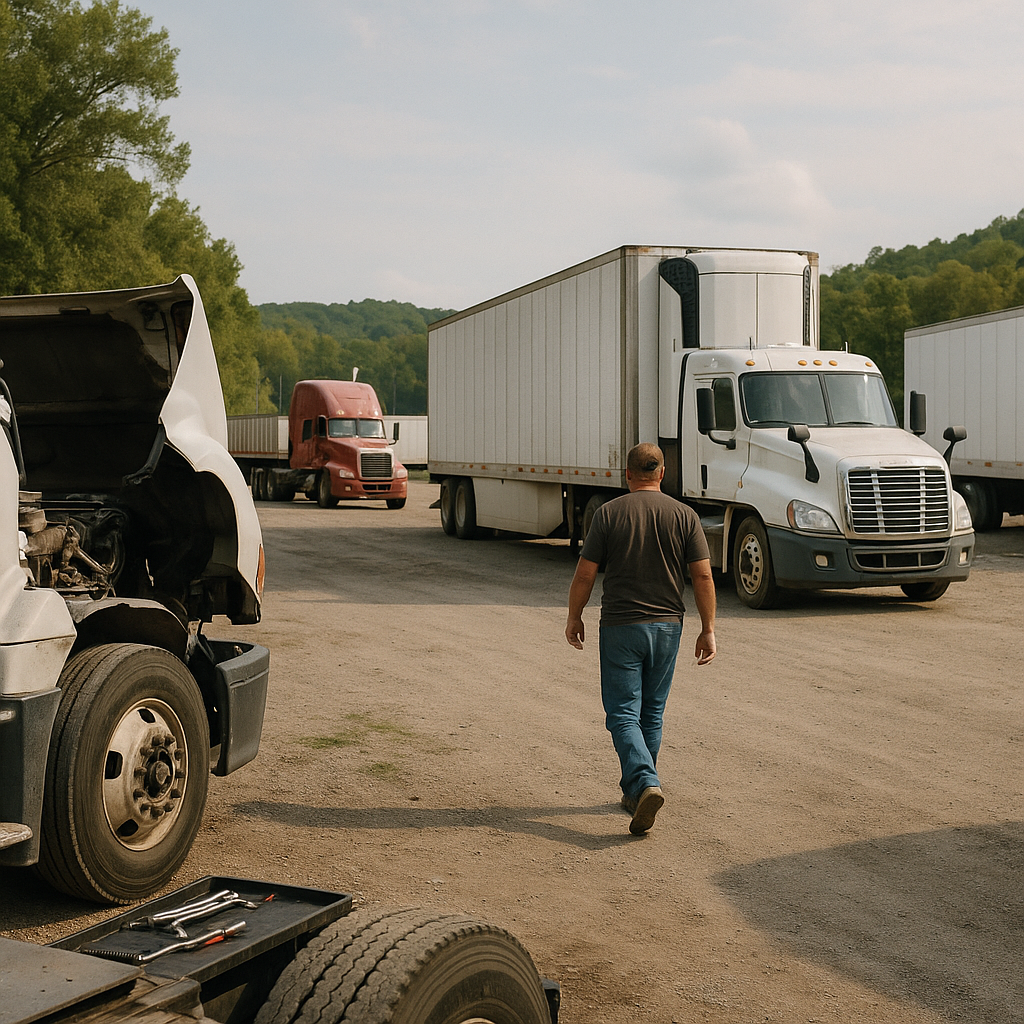
If you’re shopping for reefer truck insurance South Carolina operators actually need, the biggest mistake is treating it like one simple policy. It isn’t. Reefer trucking usually needs a mix of liability, cargo, equipment, and sometimes spoilage-related protection based on what you haul, where you run, and whether you’re operating for hire.
What South Carolina Reefer Truck Insurance Covers#
South Carolina reefer truck insurance usually means a package of coverages for the truck, trailer, refrigerated freight, and your legal liability. It is not one special standalone policy. Most owner-operators need to match coverage to their actual operation, cargo, radius, and contract requirements instead of buying a generic “reefer bundle.”
Core coverages for refrigerated trucking#
Commercial auto liability pays for bodily injury and property damage you cause to others in a covered truck accident. For trucking, this is the coverage tied to state and federal financial responsibility rules.
Motor truck cargo covers freight you’re hauling for others, subject to the policy’s causes of loss, exclusions, and limits. For reefer operators, that matters because the freight often has a short shelf life and a strict temperature range.
Reefer breakdown covers certain cargo loss caused by failure of the refrigeration unit to maintain temperature. That’s different from broad cargo insurance, because not every spoilage claim starts with a crash or theft.
Physical damage covers damage to your truck or trailer from collision and other covered causes like fire, theft, or weather. It protects the equipment itself, not the customer’s produce, meat, dairy, or frozen load.
How reefer breakdown differs from cargo coverage#
Reefer breakdown and cargo insurance work together, but they do not do the same job. Cargo insurance may respond to a covered loss involving the freight, while reefer breakdown is meant for temperature-related loss tied to refrigeration failure or a temperature excursion under the endorsement terms.
Cold-chain losses can come from a traffic wreck, a stolen trailer, a unit malfunction, a fuel issue, or a door left open too long. The cause matters because each policy responds differently, and some losses fall into exclusions if the coverage wasn’t built correctly.
When that gap shows up, the load can be ruined before the claim argument is even settled. If you’re not sure how your cargo and reefer endorsements line up,
Which operations often add general liability or physical damage#
General liability covers common non-driving third-party claims, such as certain premises or operations-related injuries. Some refrigerated carriers add it because brokers, warehouses, or contract partners ask for it.
Owner-operators with financed equipment usually carry physical damage because the truck and trailer are too expensive to leave exposed. Small fleets often need a fuller setup: auto liability, cargo, reefer breakdown, physical damage, and sometimes general liability, depending on their customers and freight.

South Carolina Rules vs Federal Trucking Requirements#
South Carolina vehicle and business rules are not the same thing as federal trucking insurance rules. Once a reefer operator hauls for hire in interstate commerce, FMCSA financial responsibility requirements can apply based on carrier type, vehicle weight, and cargo. That is why state minimum auto coverage and trucking liability are not interchangeable.
What state insurance rules typically cover#
South Carolina handles vehicle registration and state-level insurance requirements through agencies like the South Carolina Department of Motor Vehicles and the South Carolina Department of Insurance. Those rules matter for titling, registration, and basic compliance inside the state.
But a reefer truck hauling freight for hire is usually not just a normal business auto situation. Once the operation involves commercial trucking, especially under a USDOT number or operating authority, you have to separate state registration issues from trucking liability requirements.
When FMCSA rules apply instead of state-only assumptions#
For interstate for-hire trucking, FMCSA rules often control the liability question. The FMCSA and 49 CFR Part 387 set the federal financial responsibility framework for certain motor carriers.
Under 49 CFR Part 387, for-hire interstate carriers hauling general freight in vehicles over 10,001 lbs must carry at least $750,000 in public liability. Other operations can require different minimums, including $1,000,000 for auto haulers and $5,000,000 for certain hazmat. So no, there is not one universal number that fits every truck.
That matters in South Carolina because a driver may hear “the state minimum is enough” or “all truckers need the same liability limit.” Both shortcuts can be wrong. Your requirement depends on whether you’re for hire or private, interstate or intrastate, what the truck weighs, and what commodity you haul.
Why truck type and operating scope matter more than forum advice#
A reefer operator hauling produce from South Carolina into Georgia is not in the same insurance position as someone using a pickup for occasional local errands. Personal auto insurance, state minimum auto insurance, and FMCSA trucking liability are three different conversations.
If you have an MC number, run loads across state lines, or haul under broker or shipper contracts, assume nothing until the operation is scoped correctly. Reefer trucking needs coverage matched to the exact facts, not to a forum post from a driver with a different setup.
What Size Truck Requires Commercial Insurance?#
There is no single truck-size cutoff that answers this for every South Carolina reefer operation. Commercial insurance is usually driven by business use, for-hire hauling, vehicle weight, cargo type, and whether you operate under DOT or MC authority. A truck’s appearance alone does not decide it.
Why there is no single truck-size rule#
People often ask whether commercial insurance starts at a certain weight, length, or axle count. In practice, the better question is: what is the truck doing, for whom, and under what authority?
A pickup used personally is one thing. A pickup pulling a refrigerated trailer for paid hauling is another. Once the vehicle is being used in business, especially to haul cargo for others, personal coverage can leave serious gaps.
How weight, cargo, and for-hire use affect the answer#
Federal trucking rules often use weight and operating type as triggers. The SAFER system lets you verify whether a carrier’s USDOT and operating status are active, which is useful when checking how an operation is set up.
Reefer-equipped straight trucks and tractor-trailers are commonly written as commercial risks because they are hauling temperature-sensitive freight in business use. But even smaller equipment can need commercial coverage if it is used for paid hauling or falls under federal registration and authority requirements.
Examples: pickup with trailer, box truck, straight truck, tractor-trailer#
A pickup with a reefer trailer used for personal errands is one exposure. The same pickup used to deliver refrigerated goods for hire is a different exposure entirely.
A box truck or straight truck hauling cooled products locally may still need commercial insurance because of the business use and cargo exposure. A tractor-trailer hauling refrigerated freight for hire will almost always need a full trucking insurance setup, not a personal or basic business auto policy.
Do You Need a Separate Policy for a Trucking Company or LLC?#
An LLC does not replace trucking insurance. It is a business structure, not coverage for your truck, cargo, or liability. In most cases, the LLC becomes the named insured on the policy, while the truck, driver, operations, and freight still determine what insurance you actually need.
When the business entity changes the policy need#
The NAIC explains insurance concepts in plain language, and one useful distinction is this: your business entity and your insurance coverage are related, but they are not the same thing. Forming an LLC can help organize ownership and liability, but it does not insure a crash, a spoiled load, or a damaged trailer.
If your authority, truck title, contracts, or bank financing sit in the LLC’s name, the policy usually needs to reflect that. That is about proper policy structure, not about buying a magical “LLC policy.”
Why an LLC does not replace trucking insurance#
A one-truck owner-operator with an LLC still needs trucking insurance if the operation calls for it. That can include auto liability, motor truck cargo, reefer breakdown, physical damage, and sometimes general liability.
Some drivers think they need a separate policy for every exposure. Usually, the real answer is one coordinated insurance program with the right coverages and endorsements, issued to the right named insured.
Common policy layers for one-truck companies and small fleets#
For a one-truck reefer company, the insured may be the LLC, but underwriting still cares about the truck, trailer, driver history, routes, cargo, and authority. For a small fleet, the same idea applies, just with more vehicles and drivers.
The practical takeaway is simple: create the entity if it fits your business plan, but don’t assume the LLC itself solves the insurance side. Trucking exposures still have to be covered directly.
How Much Reefer Insurance Costs in South Carolina#
Reefer insurance cost in South Carolina depends on how your operation is built, not on one published price. Underwriters look at radius, cargo, driver history, equipment value, garaging, limits, deductibles, and prior losses. Reefer breakdown can add cost, but for temperature-sensitive freight, it may also be one of the most important coverages on the file.
What drives pricing for refrigerated trucking#
The biggest price drivers are usually the ones tied to loss severity. Long interstate runs, high-value refrigerated cargo, newer or more expensive equipment, prior claims, and tougher cargo classes can all push premium higher.
Garaging location matters too. So do who is driving, how long they’ve held a CDL, what the MVR looks like, and whether the operation is new authority or established.
How reefer breakdown affects cost and value#
Reefer breakdown coverage adds another layer because it addresses a specific cold-chain risk. If your freight can spoil from a unit failure or temperature problem, leaving it off might reduce premium but create a much bigger exposure later.
That doesn’t mean every quote with reefer breakdown is automatically better. You need to check the limit, deductible, trigger, exclusions, and whether the endorsement is narrow or broad. On reefer accounts, two policies can sound similar and still respond very differently to the same spoiled-load claim.
Ways operators can reduce avoidable premium pressure#
There are practical ways to reduce avoidable premium pressure without stripping out needed coverage:
- Keep driver records and loss runs clean
- Describe cargo accurately instead of using vague catch-all wording
- Match limits to contracts and actual exposure
- Avoid insuring equipment values higher than necessary
- Use deductibles you can realistically handle
- Keep your schedule of trucks and trailers current
Price shopping is normal, but headline premium alone can mislead you. Your actual premium depends on your operation, cargo, radius, driving history, and other factors.
Ways to Avoid Underinsuring a Reefer Operation#
Most reefer coverage problems come from mismatched details, not from one missing checkbox. Owner-operators get into trouble when the cargo description is too broad, reefer breakdown is assumed to cover every spoilage claim, or physical damage is mistaken for cargo protection. The fix is to review the operation the way a claim will be reviewed later.
Match coverage to cargo and contracts#
Start with what you actually haul. Fresh produce, frozen food, dairy, pharmaceuticals, and mixed refrigerated freight do not create identical exposure.
Then read your shipper and broker contracts. Required cargo limits, temperature monitoring expectations, and certificate requests can all affect how the policy should be built.
Confirm liability, cargo, and equipment limits#
Make sure your liability limit matches the operation, especially if you’re hauling interstate for hire. Then check whether your cargo limit fits the loads you pull and whether your truck and trailer values are stated correctly for physical damage.
If the trailer is financed, leased, or borrowed, ownership details matter. So does whether the refrigeration unit itself creates a separate exposure you expect the policy to address.
Check exclusions before a temperature loss happens#
Read for exclusions before the first spoiled-load claim, not after. Ask how the policy handles temperature deviation, mechanical failure, unattended equipment, delay, improper loading, and claims where the cause is disputed.
That review is where a lot of operators realize they bought “cargo insurance” but did not really insure the cold-chain risk they thought they had.
How to Choose the Right Reefer Coverage Setup#
The right reefer setup starts with your operating type, then works outward to cargo, equipment, and contract exposure. Interstate versus intrastate hauling, for-hire status, and freight type all shape the policy conversation. The best comparison is not quote versus quote by price alone, but coverage versus coverage.
Step 1: identify your operating type#
First, pin down whether you haul for hire or private, and whether you run intrastate only or cross state lines. Then confirm your DOT number, MC number if applicable, and how the operation appears in SAFER.
That one step clears up a lot of confusion because it tells you whether you’re dealing with mostly state-level issues, federal trucking requirements, or both.
Step 2: map cargo and equipment exposures#
Next, list the freight types, normal load values, operating radius, truck and trailer ownership, and whether the refrigeration unit is central to your income. If a unit failure could ruin the load, reefer breakdown needs special attention.
Also note any broker or shipper requirements. Some operators think they are comparing equal quotes when one policy includes a key endorsement and another excludes it.
Step 3: compare quotes on coverage, not just policy names#
When you compare options, line up the real moving parts:
| Coverage area | What to check | Why it matters |
|---|---|---|
| Auto liability | Limit and operation scope | Must match legal and contract needs |
| Motor truck cargo | Limit, exclusions, commodities | Freight value and cause of loss matter |
| Reefer breakdown | Trigger, sublimit, deductible | Not all spoilage losses are covered |
| Physical damage | Stated values and deductibles | Protects truck and trailer, not cargo |
| General liability | Whether required by contracts | Common ask from facilities and partners |
A low premium can hide a narrow endorsement, a low cargo limit, or a reefer exclusion. Before you bind, confirm whether reefer breakdown is included, limited, or excluded entirely.
FAQ#
What are the insurance requirements for South Carolina?
South Carolina requirements depend on what you’re talking about. State rules can apply to vehicle registration, titling, and basic insurance expectations, but trucking insurance is driven by the operation itself. If you haul for hire, especially across state lines, FMCSA financial responsibility rules may apply in addition to South Carolina requirements. For reefer operators, that means you should separate state auto assumptions from federal trucking liability rules and then add cargo, reefer breakdown, and other coverages based on the freight and contracts.
What size truck requires commercial insurance?
There is no one size rule that answers this by itself. Commercial insurance is usually triggered by business use, hauling activity, cargo type, vehicle weight, and whether the truck operates for hire or under DOT or MC authority. A pickup used privately is different from that same pickup hauling refrigerated goods for pay. Reefer straight trucks and tractor-trailers are commonly insured as commercial trucking risks, but smaller setups can also need commercial coverage once they are used in a trucking business.
Do you need a separate insurance for a trucking company?
Usually, you need insurance for the trucking operation, not a completely separate policy just because you formed a company. The business entity, such as an LLC, is often listed as the named insured, while the actual insurance need comes from the truck, trailer, drivers, cargo, and liability exposure. A one-truck reefer company may still need several coverages under one program, including auto liability, cargo, reefer breakdown, and physical damage. The company structure does not replace those coverages.
How much is business insurance for an LLC in South Carolina?
There is no single price because LLC insurance depends on what the business does. A trucking LLC hauling refrigerated freight is priced very differently from a small office-based business with no vehicles or cargo exposure. For reefer operators, cost depends on the truck and trailer, operating radius, cargo type, driver history, limits, deductibles, and loss history. If the LLC holds the truck, authority, or contracts, the policy should reflect that structure, but the premium still comes from the trucking risk itself.
Is reefer breakdown the same as cargo insurance?
No. Cargo insurance covers freight under the policy terms, while reefer breakdown is aimed at certain temperature-related cargo loss caused by refrigeration failure or similar breakdown events. They are related, but they do not replace each other. A spoiled load claim can turn on exactly why the freight was damaged, whether the trailer maintained temperature, and what exclusions apply. Reefer operators should always ask whether the quote includes a reefer endorsement and how that endorsement responds to temperature excursions.





