
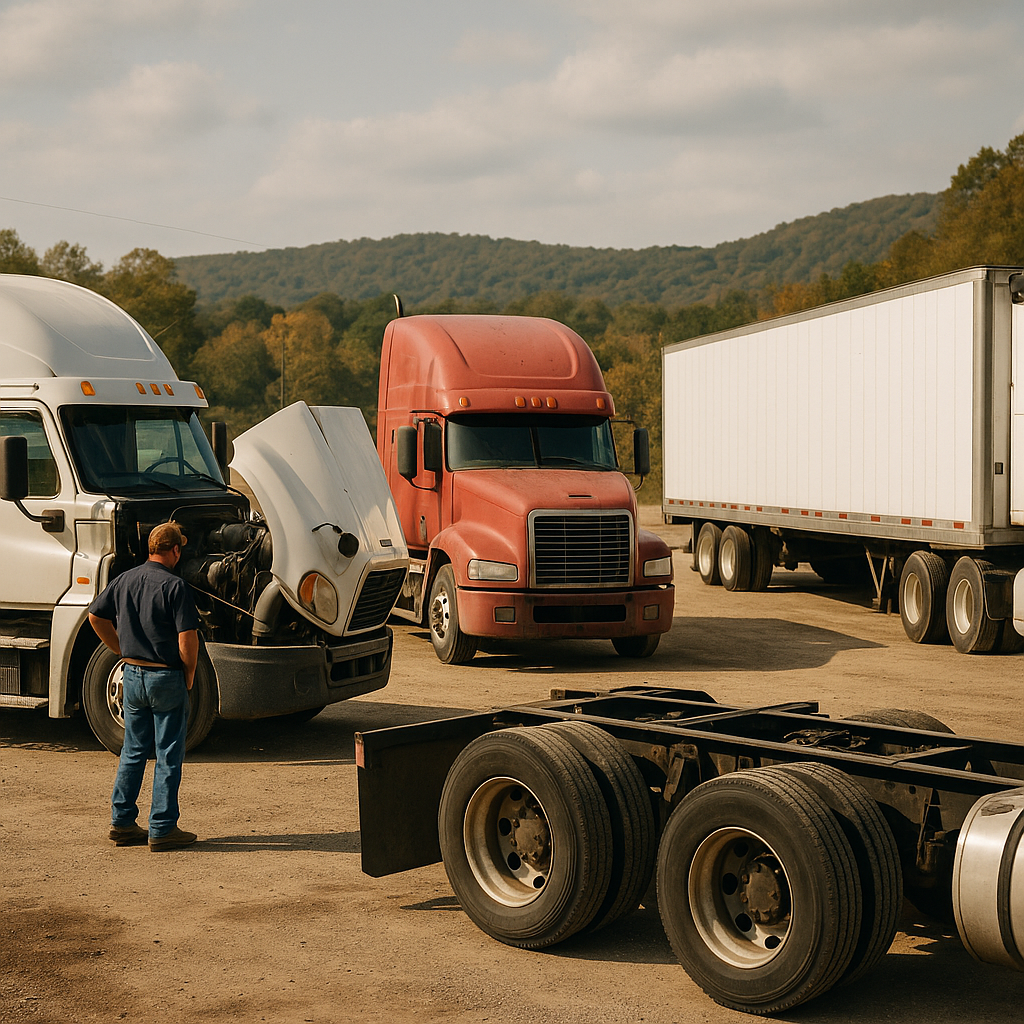

Reefer trucking insurance in Alabama isn’t one single policy. It’s a mix of coverages that protect a refrigerated trucking operation from liability claims, cargo losses, truck damage, and refrigeration-related spoilage, with the right setup depending on how you run, what you haul, and whether you operate interstate or intrastate.
If you’re hauling refrigerated freight in Alabama, the easy mistake is thinking "truck insurance" covers all of it. It doesn’t. A policy can satisfy a filing requirement and still leave you exposed on spoiled cargo, a failed reefer unit, or a leased-on gap you didn’t know was there.
What Reefer Trucking Insurance Covers#
Reefer trucking insurance in Alabama usually means a package of commercial coverages for refrigerated freight, not an all-in-one policy with every loss built in. Most owner-operators need to separate auto liability, motor truck cargo, reefer breakdown, physical damage, and sometimes general liability or non-trucking liability based on the actual operation.
A reefer truck is a truck or trailer that hauls temperature-controlled freight using a refrigeration unit. Reefer trucking insurance is the insurance setup built around the risks that come with hauling that freight.
Reefer breakdown vs. cargo spoilage#
Motor truck cargo is coverage for the freight you’re hauling if it gets lost or damaged under covered causes. Reefer breakdown is coverage that can apply when the refrigeration unit fails and that failure leads to a spoilage loss, subject to the policy’s terms and exclusions.
Those two get mixed up all the time. Cargo coverage alone may not automatically cover spoilage caused by a temperature-control failure. If the reefer unit quits and the load is ruined, the claim often turns on whether reefer breakdown or a similar endorsement was actually included.
Auto liability is coverage for bodily injury and property damage you cause to others in a truck accident. It does not pay for your customer’s spoiled produce, frozen food, or pharmaceuticals.
Core coverages in a reefer policy#
Physical damage is coverage for damage to your truck, usually including collision and comprehensive or fire and theft with combined additional coverage, depending on the form. General liability is coverage for certain non-driving business claims, and for-hire trucking operations may carry it when a shipper, broker, or contract calls for it.
For many Alabama reefer operators, the core stack looks like this:
- Auto liability for road-use liability claims
- Motor truck cargo for the freight itself
- Reefer breakdown for temperature-control failure exposure
- Physical damage for the truck
- General liability when contracts or operations call for it
If you’re unsure which pieces fit your operation,
What Alabama operators commonly confuse#
Personal auto insurance is coverage for personal vehicles and normal personal use. It does not replace commercial trucking insurance for a refrigerated semi, commercial box truck, or for-hire hauling operation.
Another common miss is assuming any generic commercial auto policy covers refrigerated freight losses. It may cover liability from an accident, but that doesn’t mean it covers a spoiled load, a failed reefer unit, or the specific cargo you haul.
An Alabama owner-operator should map coverage to the real setup: interstate or intrastate, for-hire or private, leased-on or under own authority, one truck or small fleet, and what type of refrigerated freight is on the trailer.

Why Alabama Reefer Operations Need the Right Policy Setup#
Alabama reefer operations need the right policy setup because the insurance conversation changes fast when you change lanes from intrastate to interstate, from leased-on to your own authority, or from dry freight to temperature-sensitive cargo. A one-size-fits-all trucking policy can leave a small operation compliant on paper but exposed where reefer claims actually happen.
The Alabama Department of Insurance oversees insurance in the state, but your actual trucking requirements can still depend on federal rules, carrier status, and how the truck operates. That’s why Alabama-specific advice has to start with the operation, not just the zip code.
Interstate vs. intrastate operations#
Interstate means you haul across state lines or your freight is part of interstate commerce. Intrastate means the operation stays within Alabama under state rules.
That distinction matters because federal filings and FMCSA requirements often apply to interstate for-hire carriers, while intrastate operations may be driven more by Alabama registration, licensing, and state-specific insurance rules. The policy needs to match how the truck truly runs, not how the owner describes it on a quick application.
Carrier type and haul profile#
Your insurance setup also changes based on whether you’re running a tractor-trailer, a refrigerated box truck, or another commercial unit. The cargo matters too, because fresh produce, frozen foods, dairy, or other temperature-sensitive loads don’t all create the same spoilage exposure.
Radius, lanes, loading practices, overnight parking, and annual mileage all affect the risk picture. So does whether you’re for-hire under an MC number or operating in another carrier’s system.
Leased-on owner-operators vs. small fleets#
A leased-on owner-operator is an independent truck owner contracted to a motor carrier. A small fleet is a business operating multiple trucks under its own insurance program.
Those are different insurance conversations. A leased-on operator may rely on the motor carrier for some coverages while still needing physical damage, bobtail, or non-trucking liability. A small fleet buying direct under its own authority needs a broader review of liability, cargo, and reefer-related coverages across the whole operation.
What Drives Reefer Insurance Cost in Alabama#
Reefer trucking insurance in Alabama costs more or less based on the operation’s actual risk, not a flat statewide number. The biggest drivers are usually cargo type, spoilage exposure, truck value, route length, annual mileage, driver history, prior claims, selected limits, deductibles, and whether reefer-related endorsements are included.
Your actual premium depends on your operation, cargo, radius, driving history, and other factors. That’s why two Alabama reefer operators can haul out of the same area and still get very different quotes.
Cargo type and spoilage exposure#
Some refrigerated cargo is less forgiving than others. If you’re hauling freight that spoils quickly, has stricter temperature requirements, or carries a higher cargo value, the cargo and reefer terms matter more and can affect pricing more.
A load of temperature-sensitive freight can turn into a large claim without a crash ever happening. That’s one reason the cheapest-looking quote can be misleading: it may trim back the very coverage that matters most after a refrigeration failure or temperature excursion.
Truck value, mileage, and radius#
Truck value affects physical damage pricing because a more expensive unit costs more to repair or replace. A longer operating radius and higher annual mileage usually mean more exposure time on the road, which can influence both liability and physical damage cost.
Equipment type matters too. A refrigerated setup isn’t the same risk profile as a basic dry van operation, especially when the policy also has to account for the reefer unit’s role in a spoilage claim.
Driver record and claims history#
Driver record is straightforward: violations, accidents, and recent losses can push pricing up or narrow options. Claims history also matters at the business level, especially if prior losses involved cargo spoilage, equipment failure, or disputes over temperature-control claims.
Insurers pay attention to patterns. A clean record with a well-defined operation is usually easier to place than an application with vague cargo descriptions, mixed-use details, or loss history that doesn’t line up with the story.
How deductibles and limits change pricing#
Deductibles are the amount you pay out of pocket before covered insurance payments kick in. Limits are the maximum amounts the policy may pay for covered losses.
Higher deductibles can reduce premium, but they also mean more out-of-pocket pain after a claim. Higher limits or broader endorsements can raise premium, but they may be the difference between a covered reefer loss and an expensive denial. Compare the full quote, not just the headline number.
FMCSA, Alabama Rules, and What You Actually Need to Stay Insurable#
FMCSA rules and Alabama rules are not the same thing, and staying insurable means checking both compliance requirements and actual coverage fit. For interstate for-hire carriers, federal financial responsibility rules can apply under FMCSA and 49 CFR Part 387, while Alabama licensing and insurance oversight still matter inside the state.
For example, under 49 CFR Part 387, for-hire interstate carriers hauling general freight in vehicles over 10,001 lbs must carry at least $750,000 in public liability. That doesn’t mean every trucker needs that amount, and it doesn’t mean that minimum solves reefer cargo spoilage or refrigeration failure exposure.
Federal minimums vs. state requirements#
A USDOT number is the identifier used by FMCSA to track safety and operating status. An MC number is operating authority for certain for-hire interstate carriers.
If you’re interstate and for-hire, federal filings may be part of the process. If you’re intrastate in Alabama, your setup may look different. Requirements vary by carrier type, vehicle weight, cargo, and whether you operate interstate or intrastate.
Proof of authority and insurance filings#
The MCS-90 is an endorsement tied to federal financial responsibility for certain motor carriers. It supports compliance, but it is not a substitute for the coverages you need for your truck, cargo, or reefer-specific risks.
You can verify carrier status through SAFER. That’s useful for authority and status checks, but it still won’t tell you whether a quote properly covers refrigerated spoilage exposure.
Why compliance and coverage are not the same thing#
A policy can be compliant and still be weak. Meeting a filing requirement does not automatically mean you bought the right cargo terms, reefer breakdown protection, physical damage structure, or non-trucking setup.
Before buying, an Alabama reefer operator should confirm what the truck hauls, where it runs, who holds authority, what filings apply, and what losses the policy actually covers after a refrigeration problem.
Common Coverage Gaps That Hurt Reefer Operators#
The biggest reefer insurance mistakes usually happen in the gaps between coverages. A policy may look complete until a claim involves spoiled cargo, a failed reefer unit, off-dispatch driving, or a contract requirement that general liability was supposed to satisfy but didn’t.
These gaps matter because reefer claims often don’t fit the simple accident model many operators expect. The problem isn’t just being uninsured. It’s being insured for the wrong loss.
Wrong cargo assumptions#
Not every cargo form treats every refrigerated load the same way. Some policies narrow covered commodities, exclude certain high-risk freight, or limit payment when the cause of loss falls into a gray area around temperature control.
That’s why "I have cargo" isn’t enough. You need to know whether the policy fits the freight you actually haul in Alabama and beyond.
Broken refrigeration unit exclusions#
Reefer breakdown can be excluded, limited, or tied to specific endorsement language. If the refrigeration unit fails and the policy wasn’t structured correctly, the cargo claim can get messy fast.
Watch for exclusions tied to maintenance issues, improper temperature settings, delay, wear and tear, or causes the policy treats differently from a covered breakdown event.
Bobtail and non-trucking gaps#
Bobtail usually refers to operating a tractor without a trailer. Non-trucking liability is coverage for non-business use when you’re not under dispatch; it does not cover paid hauling.
Those terms get used like they’re interchangeable, but they aren’t. If you’re leased on, the difference matters a lot during off-duty or between-load use.
General liability misunderstandings#
General liability does not replace truck auto liability, cargo, or reefer breakdown. It can help with certain business-related claims outside normal driving exposures, but it isn’t the catch-all some operators think it is.
For-hire operations should review it in context, especially if contracts mention it. Just don’t assume it fills cargo or refrigeration holes.
How to Compare Quotes Without Buying the Wrong Policy#
The right way to compare reefer trucking insurance in Alabama is to line up the actual coverages, limits, deductibles, endorsements, exclusions, and operating assumptions on each quote. If one quote is cheaper because it drops reefer breakdown, narrows cargo, or doesn’t fit your interstate or leased-on status, it isn’t really the same quote.
This is where a lot of owner-operators get burned. A cheap number feels good until the first spoiled load, denied claim, or broker contract review.
What to verify on every quote#
Check these items side by side:
- Auto liability limits and who the policy is built for
- Motor truck cargo terms and covered commodities
- Reefer breakdown or temperature-control endorsements
- Physical damage structure and deductibles
- General liability, if your operation needs it
- Leased-on, owner-operator, or own-authority assumptions
- Interstate versus intrastate use
- Tractor, trailer, and unit details
If the quote doesn’t clearly say how a reefer-related loss is handled, treat that as a warning sign.
Questions to ask before binding#
Ask what happens if the refrigeration unit fails and the cargo spoils. Ask whether the quote assumes you’re leased-on, running under your own authority, or moving interstate freight. Ask whether any exclusions apply to the specific commodities you haul.
Also ask what isn’t covered. That’s often the fastest way to spot a policy that looks broad in conversation but turns thin once the paperwork shows up.
How to avoid paying for the wrong extras#
You don’t want to underinsure a reefer operation, but you also don’t want to buy every add-on just because someone says it’s standard. A one-truck Alabama owner-operator hauling a specific refrigerated lane may need a tighter, more precise setup than a broad small-fleet package.
Match the policy to the operation you actually run now. If you’re not sure what coverage fits your operation, LogRock can help you scope it.
How LogRock Helps Alabama Reefer Operators Choose the Right Mix#
LogRock specializes in trucking insurance for owner-operators and small fleets. For Alabama reefer operators, that means helping sort out the plain-English differences between liability, motor truck cargo, reefer breakdown, physical damage, bobtail, and non-trucking liability.
The focus is practical fit. A single-truck owner-operator doesn’t need a generic answer built for a huge fleet, and a small fleet doesn’t benefit from buying blind just because a quote came back fast.
LogRock’s approach is to match coverage to the operation: what you haul, where you run, whether you’re leased-on or under your own authority, and which reefer-specific risks actually matter. That helps small operators avoid overbuying the wrong pieces while still addressing real compliance and claim exposures.
FAQ#
What is reefer insurance coverage?
Reefer insurance coverage is the mix of commercial trucking coverages used for refrigerated freight operations. It usually centers on auto liability, motor truck cargo, reefer breakdown, and physical damage, with general liability or non-trucking liability added when the operation calls for them. It is not a single policy that automatically covers every refrigerated loss. The exact setup depends on whether you’re for-hire or private, leased-on or under your own authority, interstate or intrastate, and what kind of temperature-sensitive cargo you haul.
Does auto liability cover spoiled refrigerated cargo?
No. Auto liability covers bodily injury and property damage you cause to other people in an accident. It does not automatically pay for your customer’s spoiled refrigerated freight. Spoilage claims usually depend on motor truck cargo coverage and any reefer breakdown or temperature-control endorsement attached to the policy. That’s why an operator can have valid liability coverage and still have no meaningful protection for a refrigeration failure. Always check how the policy handles cargo spoilage, not just crash-related freight damage.
Do Alabama reefer operators need different insurance for interstate and intrastate trucking?
Often, yes. The coverage conversation changes depending on whether the operation stays within Alabama or crosses state lines, and whether the freight is part of interstate commerce. Interstate for-hire carriers may need to satisfy federal financial responsibility rules through FMCSA, while intrastate operators may be dealing more directly with Alabama-specific requirements and business rules. The policy should be built around how the truck actually runs. If the application says intrastate but the truck regularly moves interstate freight, that mismatch can create filing and coverage problems.
What does reefer breakdown coverage usually help with?
Reefer breakdown coverage usually helps when the refrigeration unit fails and that failure causes a covered spoilage loss. The details matter a lot because not every cargo policy includes this automatically, and not every breakdown-related loss is treated the same way. Coverage can depend on endorsement wording, maintenance-related exclusions, temperature-setting issues, or other conditions in the policy. In plain English, this is the coverage people expect to have when the unit quits and the load goes bad, but it’s also one of the easiest places to discover a gap after a claim.
How should an owner-operator compare reefer insurance quotes in Alabama?
Start by comparing what each quote actually covers, not just the premium. Make sure the quotes line up on auto liability, cargo, reefer breakdown, physical damage, deductibles, exclusions, and operating assumptions like interstate use, leased-on status, and cargo type. Ask direct claim questions, especially about refrigeration failure and spoilage. Then check whether the policy matches your real operation instead of a generic trucking profile. A lower quote is only better if it still protects the losses most likely to hit a reefer owner-operator.





