
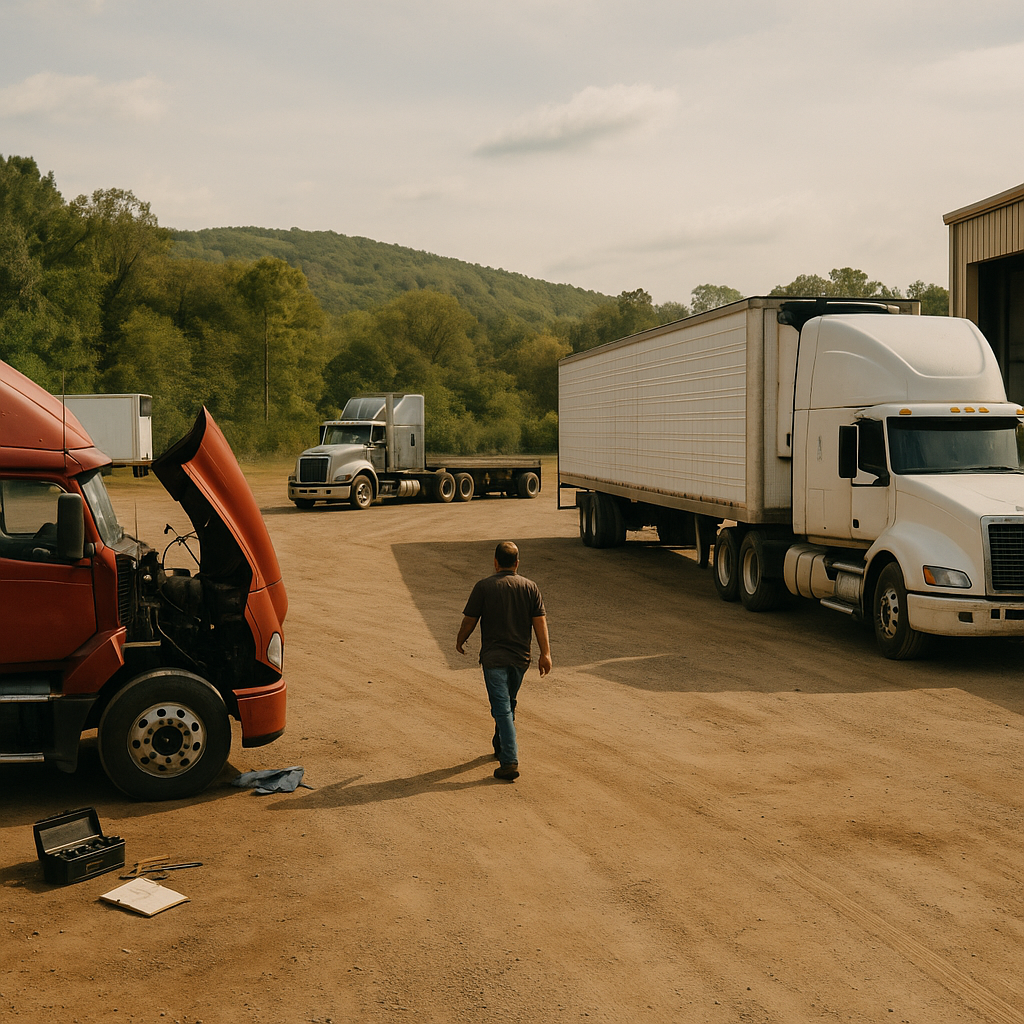

If you haul produce, frozen food, dairy, or any other temperature-sensitive freight, reefer trucking insurance in Arkansas usually means more than one policy. It’s a commercial trucking insurance setup built for refrigerated operations, and the right mix depends on what you haul, where you run, and whether you operate interstate or intrastate.
A lot of Arkansas owner-operators get tripped up on two things. First, reefer coverage is not just “cargo insurance with a cooler.” Second, your personal auto rules and Arkansas state minimums do not answer the same question as federal trucking requirements.
What Reefer Trucking Insurance Covers#
Reefer trucking insurance is a package of commercial coverages built around hauling temperature-controlled freight. For most Arkansas owner-operators, that means starting with liability and then adding cargo, physical damage, and reefer-specific protection based on the freight, trailer setup, and contract requirements.
A reefer truck is a truck or trailer used to haul freight that has to stay within a controlled temperature range. Reefer breakdown or refrigeration breakdown coverage is insurance designed to respond when a covered mechanical or electrical failure in the refrigeration unit damages the load.
Core coverages for reefer operators#
The core stack usually starts with auto liability, which pays for bodily injury and property damage you cause to others in a covered at-fault accident. If you’re new to the basics, this guide to truck insurance coverage basics helps frame how the pieces fit together.
Then comes motor truck cargo, which covers freight you’re hauling for someone else when a covered loss damages or destroys it. Reefer operators should pay close attention to motor truck cargo insurance, because spoiled cargo claims often turn on the exact cause of loss and the paperwork behind it.
Physical damage covers damage to your tractor or scheduled trailer from collision and other covered causes like fire, theft, or weather. General liability usually covers non-driving business exposures, like a slip-and-fall at your yard or damage claims tied to business operations that aren’t auto accidents.
How reefer breakdown differs from cargo coverage#
Reefer breakdown is usually separate from standard cargo coverage because the loss isn’t always just “cargo got damaged.” The trigger may be a failed condenser, a power interruption, a unit shutdown, or another refrigeration-system problem that caused the temperature to drift.
That matters in real life. If a load of produce spoils after the trailer temp alarm goes off overnight, the cargo claim may depend on whether the policy covers temperature-related spoilage, whether reefer breakdown was added, and whether maintenance or handling issues caused the loss.
Examples of common claim situations#
A few common reefer scenarios make the difference clear:
- A condenser fails halfway through an Arkansas-to-Texas produce run.
- A driver sets the wrong temperature and frozen food partially thaws.
- A trailer loses power during a stop and the load arrives outside tolerance.
- A shipper loads warm product, then blames the carrier after delivery.
Coverage needs vary by operation type, freight, and contracts. A one-truck operator hauling fresh produce under broker contracts may need a different setup than a private carrier moving its own refrigerated goods.

What Arkansas Reefer Operators Are Required to Carry#
Arkansas reefer operators do not all need the same insurance, and Arkansas state rules do not replace federal rules for interstate trucking. Your requirements depend on whether you operate for-hire or private, interstate or intrastate, what your vehicle weighs, and what commodity you haul.
A DOT number is a USDOT identification number used by the Federal Motor Carrier Safety Administration for safety and regulatory tracking. An MC number is operating authority used for certain for-hire interstate operations. Public liability under federal trucking rules refers to auto liability for bodily injury, property damage, and environmental restoration.
Federal requirements versus state rules#
If you haul interstate freight for-hire, FMCSA rules matter first. Under FMCSA and 49 CFR Part 387, for-hire interstate carriers hauling general freight in vehicles over 10,001 lbs must carry at least $750,000 in public liability. That number changes for other operations, including lighter vehicles, auto haulers, and hazmat.
That’s why broad advice like “all truckers need the same liability limit” gets people in trouble. Arkansas may have its own rules for intrastate operation, registration, and proof of insurance, but interstate reefer carriers still have to meet the federal side when federal law applies. For a deeper breakdown, see these commercial auto liability requirements.
When filings and proof of insurance matter#
Some reefer operators need federal filings tied to operating authority. Those filings matter when you apply for authority, activate it, or keep it in force, and your compliance picture should match what appears in SAFER.
Proof of insurance also matters beyond regulation. Brokers, shippers, and warehouse facilities often ask for certificates showing liability, cargo, and sometimes reefer-related protection before they’ll release a load.
Why carrier type changes the answer#
A one-truck owner-operator hauling refrigerated freight across state lines for-hire has a different compliance setup than an Arkansas business delivering only its own refrigerated goods inside the state. One may need federal authority and filings; the other may not.
Mandatory coverage and contract-driven coverage are not the same thing. Liability may be legally required, while cargo, reefer breakdown, and higher limits may show up because a broker or shipper requires them. And none of this works like a personal auto policy for a pickup you drive off duty.
How Much Commercial Hauling Insurance Costs#
Commercial hauling insurance costs are quote-specific, and reefer operations usually add more moving parts than dry van work. Your actual premium depends on your operation, cargo, radius, driving history, authority status, equipment, limits, deductibles, and loss record.
For a reefer owner-operator in Arkansas, underwriters usually want a clear picture of both the trucking side and the refrigeration side. A clean story gets priced more accurately than a vague one.
Main price drivers for reefer insurance#
The biggest pricing factors usually include:
- Driver MVR and experience
- Interstate or intrastate operation
- New authority versus established authority
- Cargo type and loss sensitivity
- Operating radius and lanes
- Tractor and trailer value
- Coverage limits and deductibles
- Prior claims and safety history
A driver hauling frozen foods on longer interstate runs may present a different exposure than a local operator moving less time-sensitive refrigerated products around Arkansas. The equipment matters too. A newer tractor and reefer trailer with documented maintenance may be viewed differently than older equipment with gaps in service records.
Why refrigerated freight can change underwriting#
Temperature-sensitive freight creates another way for a loss to happen. It’s not just wrecks, theft, or cargo shifting. Now the underwriter also has to think about spoilage, unit failure, missed setpoints, and whether the freight can be rejected after a short temperature excursion.
That’s why the quote conversation may get more detailed. You may be asked what commodities you haul, who owns the trailer, how temperatures are monitored, and whether the reefer unit has recent service history.
Practical ways owner-operators control cost#
You usually can’t shortcut your way to a good trucking insurance quote, but you can make the account easier to underwrite. A clean MVR, organized loss history, accurate VINs, unit values, and clear cargo descriptions reduce back-and-forth.
Practical habits help too. Dash camera use, routine reefer maintenance, realistic deductibles, and matching the policy to the real operation all make a difference in quote quality. If your paperwork says “general freight” but you’re actually hauling temperature-sensitive produce, that mismatch can create trouble later.
What Affects Reefer Claims and Denials#
Reefer claims usually turn on two things: what caused the loss, and what you can prove. When temperature-controlled cargo is damaged, insurers often look closely at the refrigeration unit, the cargo condition at pickup, handling during transit, and whether the paperwork supports your version of events.
A bill of lading is the shipping document that identifies the freight, parties, and shipment terms. It often becomes one of the first records reviewed when a cargo claim starts.
Temperature-control failures#
Common reefer claim triggers include power failure, unit malfunction, delayed delivery, bad setpoint selection, blocked airflow, and loading errors. A load can also go bad when the trailer was technically cold but the product was loaded too warm to begin with.
Picture a simple example. You pick up berries in Springdale, the unit cycles oddly overnight, and the receiver rejects the load for pulp temp issues. The claim may center on whether the reefer unit failed, whether the product was loaded in spec, and whether the trip records back that up.
Documentation that supports a cargo claim#
After a spoilage event, a strong claim file usually includes the bill of lading, dispatch notes, temperature logs, inspection photos, service records, and any alarm or shutdown history from the reefer unit. Delivery rejection paperwork matters too.
That paperwork can decide whether a claim looks like sudden breakdown, gradual deterioration, loading error, maintenance neglect, or a dispute between shipper and carrier. The more complete the file, the easier it is to show what actually happened.
Common mistakes that create coverage disputes#
Cargo policies may exclude wear and tear, delayed market loss, and losses tied to failure to maintain equipment under policy terms. That means an old reefer unit with repeated warning signs can create a very different claims outcome than a well-documented sudden breakdown.
Other common problems include missing temp records, not reporting the loss fast enough, hauling outside the described commodity class, or assuming standard cargo coverage automatically includes refrigeration failure. Those are the kinds of mistakes that leave owner-operators shocked after a denied spoilage claim.
If your setup or load requirements are hard to pin down, it helps to sort that out before the next trip with
Does Insurance Follow the Car or the Driver in Arkansas?#
In Arkansas commercial trucking, insurance usually follows the insured vehicle, the named insured, and the policy terms more than it follows a driver by default. That’s different from the way people casually talk about personal auto insurance, and it’s one reason owner-operators buy the wrong coverage when they rely on non-trucking advice.
The named insured is the person or business listed on the policy as the primary insured party. Permissive use means a policy may allow certain other drivers to use a covered vehicle with permission, subject to the policy’s rules and exclusions.
How commercial policies are usually structured#
Commercial trucking policies are usually built around scheduled units, listed operations, listed or acceptable drivers, and stated business use. In plain English, the insurer wants to know which truck is covered, who the insured business is, what hauling is being done, and who may be driving.
That structure is why the answer isn’t “the insurance follows the driver” in some simple blanket way. Consumer education from the NAIC is useful here: policies work by their contract terms, not by roadside shorthand.
Why a vehicle policy is not the same as a personal auto policy#
Personal auto assumptions cause a lot of expensive mistakes. A personal policy on a pickup or family car is not the same thing as a commercial trucking policy on a reefer tractor, and it won’t satisfy trucking liability requirements for a for-hire freight operation.
An Arkansas example: a one-truck reefer business lets a driver take a load in a tractor that wasn’t scheduled correctly, or with a use pattern outside the policy terms. The business may find out too late that the problem isn’t just who was driving, but whether the vehicle, operation, and driver all fit the policy.
What owner-operators should confirm before hauling#
Before loading out, confirm the truck is scheduled, the trailer arrangement is disclosed, the driver is authorized under the policy, and the operation matches what the insurer was told. If you swap equipment, add a driver, or change from local work to interstate reefer runs, update that before a claim forces the issue.
That simple check matters more in trucking than in everyday car insurance. It can be the difference between a clean file and a messy coverage dispute.
How to Choose the Right Coverage Mix for a Reefer Truck#
The right coverage mix for a reefer truck usually starts with required auto liability, then adds cargo and reefer breakdown based on the freight, and then layers in physical damage or other coverages based on equipment ownership, contracts, and exposure. Most one-truck operators don’t need every policy on the menu, but they do need the ones that match how they actually run.
A simple way to think about it is: legal requirement first, load protection second, truck protection third, then contract-driven extras.
Start with required liability#
Start with the liability your operation actually requires. That means looking at for-hire versus private, interstate versus intrastate, vehicle weight, and cargo type before you pick a limit.
Then pressure-test your contracts. A broker may ask for cargo coverage or higher limits even when that extra piece isn’t the legal minimum.
Add cargo and reefer breakdown based on freight#
If you haul temperature-sensitive freight for others, cargo coverage is usually a practical must, and reefer breakdown may be just as important. If the loss everyone worries about is spoiled freight after a refrigeration failure, you want to know whether that trigger is actually addressed.
This is also where general liability for truckers may come in if a shipper, warehouse, or lease agreement asks for it. And if the question is about off-dispatch personal use, that’s a separate issue covered in non-trucking liability explained.
Layer physical damage and other protections if the truck is financed or exposed#
If your tractor is financed, the lender will usually expect physical damage coverage. The same logic applies if you simply can’t afford to replace the truck or trailer after a collision, theft, or fire.
Trailer arrangements matter too. If you borrow, lease, or exchange a refrigerated trailer, trailer interchange coverage may matter when there’s a signed interchange agreement. In other cases, non-owned trailer physical damage may be the better fit. A simple example: you’re pulling a leased reefer trailer on a produce run, the trailer is damaged at a dock, and the contract makes you responsible. That’s the point where the fine print matters.
How Arkansas Owner-Operators Can Get a Better Quote#
A better reefer quote usually starts with better information. If you hand over a clean, accurate application, the quote is more likely to match your real operation and less likely to unravel later over missing details.
Have your DOT number, authority status, VINs, driver history, cargo type, operating radius, garaging location, and reefer unit details ready. If you have loss runs, maintenance records, or financing requirements, keep those handy too.
The goal isn’t to game the price. It’s to avoid a mismatch between what the policy says and what the truck actually does. If you run refrigerated produce interstate, say that. If you use a borrowed trailer sometimes, say that. If you only want coverages your operation truly needs, ask for that directly.
Questions worth asking before binding include what spoilage triggers are covered, what documentation a cargo claim will need, whether the trailer setup is properly addressed, and whether your policy description matches your lanes and freight.
FAQ#
What is reefer insurance coverage?
Reefer insurance coverage usually means a package of commercial trucking coverages for hauling temperature-controlled freight. It often includes auto liability, motor truck cargo, physical damage, general liability, and reefer or refrigeration breakdown coverage. The reefer piece is important because standard cargo insurance may not automatically cover spoilage caused by refrigeration-unit failure, power interruption, or temperature drift. The exact setup depends on what you haul, whether you’re for-hire or private, where you run, and what brokers or shippers require.
How much does commercial hauling insurance cost?
Commercial hauling insurance does not have one universal price because the quote depends on the operation. Insurers usually look at driving history, authority status, operating radius, cargo type, equipment value, limits, deductibles, and prior losses. Reefer operations can add complexity because temperature-sensitive freight creates more ways for a claim to happen, especially cargo spoilage losses. A clean application with accurate equipment details, cargo descriptions, and driver information usually leads to a better quote process than a rushed application with missing facts.
What insurance is needed for a trucking company?
The insurance a trucking company needs depends on carrier type, vehicle weight, cargo, authority, and contracts. Many trucking businesses start with auto liability because that is often the core required coverage, then add motor truck cargo if they haul freight for others, physical damage if they need protection for the truck itself, and general liability if contracts or business exposures call for it. Reefer operators may also need refrigeration breakdown protection because cargo coverage alone may not fully address temperature-related losses tied to unit failure or spoilage.
Does insurance follow the car or the driver in Arkansas?
For commercial trucking in Arkansas, insurance usually follows the insured vehicle, named insured, and policy terms more than it follows a driver by default. That means coverage can depend on whether the truck is scheduled, whether the driver is authorized, and whether the actual operation matches what was disclosed on the policy. Personal auto assumptions don’t carry over cleanly to trucking. If a reefer owner-operator changes equipment, adds drivers, or starts hauling different freight without updating the policy, that can create serious coverage problems when a claim happens.





