
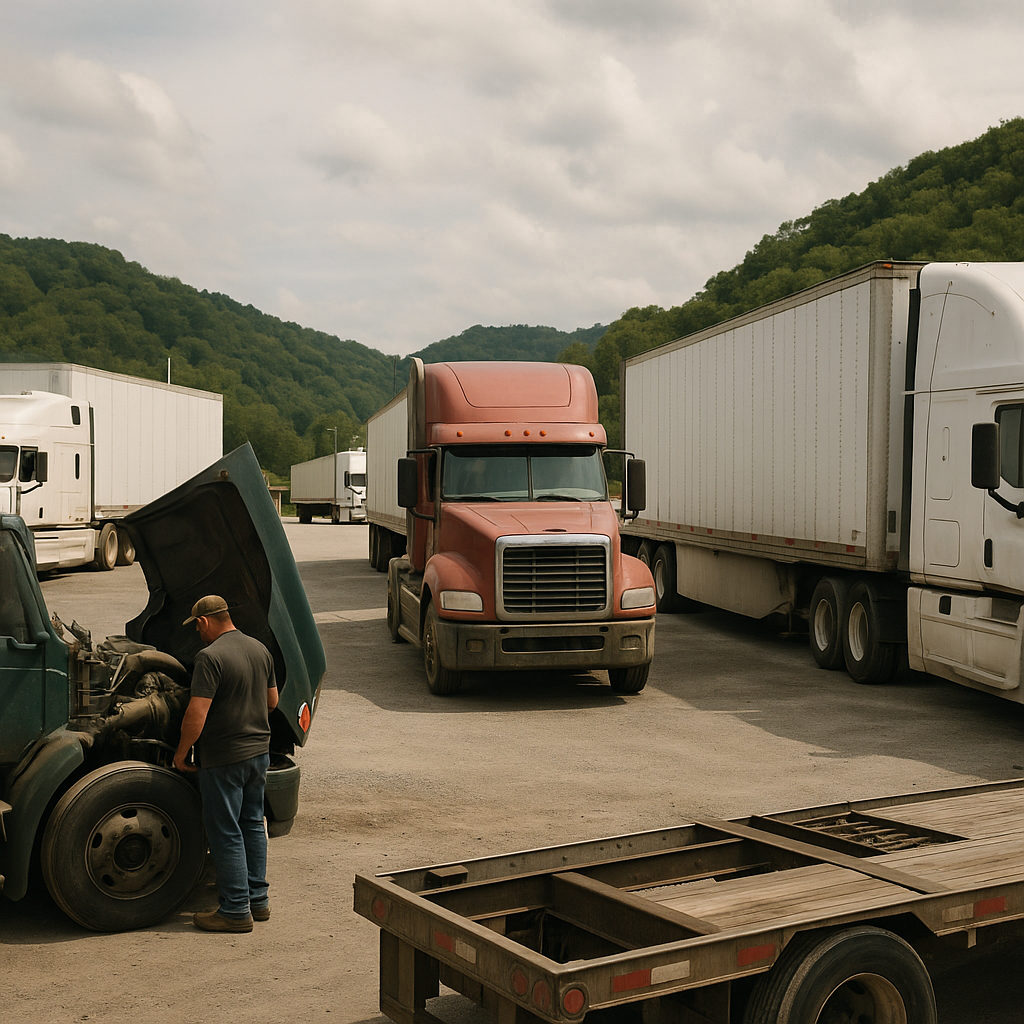

Reefer trucking insurance in Kentucky isn’t one policy with one simple answer. It’s a group of coverages built around a refrigerated trucking operation, and the right setup depends on what you haul, where you run, and whether you’re operating under Kentucky rules, FMCSA rules, or both.
A lot of reefer owner-operators hear half-true advice like “cargo covers everything” or “Kentucky minimums are enough.” For refrigerated freight, that’s where expensive mistakes happen. Spoiled loads, refrigeration failures, and misclassified coverage can turn one claim into a business problem fast.
What Reefer Trucking Insurance Covers#
Reefer trucking insurance in Kentucky usually means a package of commercial coverages for a refrigerated trucking operation, not one standalone policy. For most for-hire reefer carriers, that package centers on auto liability, motor truck cargo, physical damage, general liability, and reefer breakdown or refrigeration breakdown coverage.
Core policies for refrigerated freight#
Reefer trucking insurance is a set of policies that protect different parts of a refrigerated operation: the truck, the freight, your legal liability, and in some cases the refrigeration unit itself. If you’re hauling temperature-sensitive freight, you usually need more than the basic liability setup that might work for a dry van operation.
Auto liability pays for bodily injury and property damage you cause to others in an at-fault accident. BIPD means bodily injury and property damage liability, the core liability coverage tied to trucking financial responsibility rules.
Motor truck cargo covers the freight you’re hauling, subject to the policy terms and exclusions. Physical damage covers damage to your truck, typically through collision and comprehensive coverage. The NAIC offers plain-language insurance definitions that line up with this basic structure.
A practical example: if your tractor slides into another vehicle on I-65, auto liability responds to damage you cause to others. If that same crash also damages your tractor, physical damage may respond. If thieves break into the trailer and steal part of a meat load, cargo coverage is the coverage to review first.
How reefer breakdown differs from cargo coverage#
Cargo coverage protects the load itself, while reefer breakdown coverage can help when refrigerated freight spoils because the refrigeration equipment fails, depending on how the policy is written. That’s the part many operators get wrong.
Reefer breakdown or refrigeration breakdown is coverage tied to spoilage caused by a mechanical failure or temperature-control breakdown in the reefer unit. Example: your compressor quits during a produce load, temperatures climb, and the receiver rejects the shipment. A standard cargo form may not cover that loss unless reefer-related spoilage is specifically included.
What is usually excluded#
Reefer claims often get denied over maintenance, timing, or policy wording, not just because “insurance doesn’t cover spoiled freight.” The details matter.
Common trouble spots include poor maintenance records, ignored warning alarms, late reporting, contamination, improper pre-cooling, or losses outside the policy’s covered causes. If a unit had known problems for weeks and no one fixed it, the insurer may argue the loss came from neglect rather than a sudden covered breakdown.

Kentucky Rules vs FMCSA Requirements#
Kentucky vehicle insurance rules and FMCSA trucking requirements are not the same thing. A reefer owner-operator hauling for hire may need coverage based on interstate status, vehicle weight, and cargo type, even if Kentucky’s general vehicle insurance rules sound much simpler.
Kentucky vehicle insurance rules#
Kentucky has its own vehicle insurance framework, but that does not automatically tell you what a commercial reefer truck needs to operate legally as a for-hire motor carrier. That’s the first distinction to get right.
The Kentucky Department of Insurance oversees insurance regulation in the state, and Kentucky’s vehicle rules apply at the state level for registered vehicles and drivers. But a commercial tractor hauling refrigerated freight for payment is not the same thing as a personal pickup or even a small local business car.
If you’re trying to understand the state side, start with the Kentucky Department of Insurance for Kentucky insurance oversight.
Federal trucking requirements for for-hire carriers#
FMCSA rules can apply once you’re operating as a for-hire motor carrier, especially in interstate commerce, and those rules can set liability requirements that go beyond state minimum auto insurance. Your operation type matters more than forum shorthand.
FMCSA is the Federal Motor Carrier Safety Administration, the federal agency that regulates interstate motor carriers. MC number means your operating authority for certain for-hire interstate trucking operations. USDOT number is the federal identifier used for safety and regulatory tracking.
Under 49 CFR Part 387, for-hire interstate carriers hauling general freight in vehicles over 10,001 lbs must carry at least $750,000 in public liability. That doesn’t mean all truckers need that amount. Requirements vary by carrier type, vehicle weight, cargo, and whether you operate interstate or intrastate. You can review the federal rule at eCFR and check carrier status through SAFER.
Why state minimums are not the same as trucking authority coverage#
A Kentucky state minimum auto policy is not the same thing as coverage built for a for-hire reefer operation, and mixing those up can leave major gaps. That’s especially risky when you’re crossing state lines with refrigerated freight.
Example one: a Kentucky owner-operator hauling frozen food from Bowling Green into Tennessee may trigger FMCSA authority and federal liability requirements because the operation is interstate and for hire. Example two: a truck that stays fully intrastate in Kentucky may face a different insurance setup, but it still needs properly scoped commercial trucking coverage, not personal auto.
The mistake is assuming “legal to drive a vehicle” means “properly insured to run a trucking business.” Those are different questions.
Coverage Types Reefer Operators Usually Need#
Most Kentucky reefer operators need a commercial trucking policy built around liability first, then cargo, physical damage, and any endorsements that match how refrigerated freight is actually hauled. Some coverages are tied to legal or contract requirements, while others protect the truck, trailer, and load from losses that can wipe out a week’s revenue.
Auto liability and cargo#
Auto liability is the foundation because it covers bodily injury and property damage claims you cause to others, while cargo coverage protects the refrigerated freight you’re hauling. Those two coverages do different jobs, and neither replaces the other.
If you rear-end another vehicle, auto liability is the first coverage in play for the other party’s injuries or property damage. If the load of dairy products in your trailer is stolen at a truck stop, cargo coverage is the place to look.
For many for-hire operations, liability is the non-negotiable starting point. Cargo may also be required by brokers, shippers, or contracts even when it’s not spelled out the same way as federal liability rules. If you’re not sure whether your current setup actually matches refrigerated freight exposure,
Physical damage for the tractor and reefer unit#
Physical damage matters because a reefer operation depends on expensive equipment, and one collision or theft loss can affect both the truck and your ability to keep hauling. That’s true for financed equipment and often true for older paid-off trucks too.
If your lender financed the tractor, physical damage is usually expected. But even without a loan, a reefer owner-operator still has a lot at stake: tractor value, trailer value, and refrigeration equipment that isn’t cheap to repair or replace. A sideswipe that damages the tractor fairing and reefer unit can create both repair bills and load-delivery problems.
General liability for for-hire work#
General liability covers certain business-related claims outside the truck’s on-road auto exposure, and it can matter for for-hire carriers depending on contracts and operations. It’s not the same as auto liability.
General liability is business liability coverage for claims like premises or non-driving exposures, rather than crash liability from operating the truck. Some shippers or lease agreements want it in place because trucking businesses have risks beyond highway accidents.
Optional add-ons based on how the truck is used#
Optional add-ons should match your freight, equipment, and dispatch model, not just get tacked on because they sound useful. Reefer breakdown is the obvious example for refrigerated operations.
A single-truck owner-operator hauling produce on tight appointment windows may care a lot about spoilage exposure. A small fleet moving higher-value temperature-sensitive freight may need stricter cargo terms and closer review of deductibles, exclusions, and equipment schedules.
What Drives the Cost of Reefer Trucking Insurance#
The cost of reefer trucking insurance in Kentucky depends on the truck, the driver, the freight, the routes, and the coverages you choose. There is no honest flat price for every reefer operation because a single-truck owner-operator hauling local produce is not the same risk as a three-truck fleet hauling time-sensitive refrigerated loads across multiple states.
Truck and driver factors#
Insurers price the operation in pieces, starting with who is driving and what equipment is on the road. Cleaner driving history, stronger experience, and more stable equipment details generally help the file look more insurable.
A newer financed tractor with high replacement value usually costs more to insure for physical damage than an older truck with lower stated value. A driver with recent violations, prior claims, or limited time under their own authority can also change how markets view the account.
Operation and cargo factors#
What you haul and how you haul it matter as much as the truck itself, especially for reefer work. Refrigerated freight adds time pressure, spoilage exposure, and cargo sensitivity that dry freight doesn’t always have.
Example: hauling produce with frequent stops can mean more door openings, tighter temperature management, and more opportunities for disputes over condition. Hauling pharmaceuticals or other highly temperature-sensitive goods can raise the stakes further because even a short excursion can trigger rejection. Longer operating radius, interstate lanes, and higher-value cargo usually change pricing more than operators expect.
Why small fleets can price differently than single-truck operators#
A small fleet is not just a bigger version of a one-truck account, because the risk profile changes with multiple drivers, multiple schedules, and more moving parts. Sometimes that helps, and sometimes it creates more underwriting questions.
A single financed tractor under one experienced owner-operator may present a cleaner story than a three-truck fleet with mixed driver histories. On the other hand, a small fleet with stable lanes, good maintenance, and consistent refrigerated freight handling may look more organized than a brand-new one-truck startup.
Coverage choices matter too. Higher limits, broader cargo terms, lower deductibles, and adding reefer breakdown all affect premium. Your actual premium depends on your operation, cargo, radius, driving history, and other factors.
Common Claim Scenarios and Coverage Gaps#
Reefer claims usually turn on the cause of loss, the policy wording, and whether the operation was described correctly when the coverage was written. The biggest surprises often come from spoiled-load claims, maintenance-related disputes, and policies that never actually matched refrigerated trucking in the first place.
Spoiled load examples#
A spoiled refrigerated load is not one claim type with one automatic answer, because the reason the freight spoiled changes which coverage may apply. That’s why claim examples matter.
If a reefer unit suddenly fails and a produce load warms beyond the accepted range, reefer breakdown coverage may be relevant if the policy includes that trigger. If cargo is stolen during an overnight stop, that’s usually a cargo issue. If a highway collision destroys the trailer and load, physical damage and cargo can both come into play, each on its own side of the loss.
Equipment failure versus maintenance issues#
Insurance is generally built for sudden covered losses, not wear-and-tear or maintenance neglect, and that line matters a lot in reefer claims. A broken unit doesn’t automatically mean a covered spoilage loss.
Suppose the reefer had repeated alarm warnings for a week, temperatures were drifting, and no repair was made. If the load spoils after that, the insurer may point to poor maintenance or a known issue. If the unit was serviced, running normally, and then had an abrupt covered breakdown in transit, the coverage discussion looks very different.
Misclassification and uncovered operations#
Misclassifying a reefer truck as personal auto or as a non-commercial vehicle can leave you effectively uninsured for the operation you actually run. That’s not a technicality. It’s a claim problem waiting to happen.
A truck insured like a personal vehicle won’t match a for-hire refrigerated business hauling freight for payment. The same goes for a quote that barely addresses reefer exposure at all. Before you find out the hard way,
How to Choose a Policy That Fits a Kentucky Reefer Operation#
A good reefer trucking policy fits the way the truck actually runs in Kentucky and beyond. For owner-operators and small fleets, that means matching the policy to carrier type, cargo profile, reefer exposure, and whether the operation is intrastate, interstate, or both.
Single-truck owner-operators#
Single-truck owner-operators usually need simple, durable coverage that matches one truck’s real lanes, freight, and authority status without hidden gaps. The key is accuracy.
If you run one tractor and one reefer trailer, be clear about what you haul, how far you run, and whether you’re under your own authority. If reefer breakdown matters to your business, ask directly whether it is included, excluded, or available by endorsement.
2-5 truck fleets#
Small fleets often need more flexibility because one policy setup has to account for several trucks, drivers, and sometimes different freight patterns. That makes consistency important.
A two- or three-truck reefer fleet may have one truck on regional produce lanes and another on longer interstate refrigerated runs. That can affect liability, cargo, physical damage values, and claims handling expectations. The policy should reflect how the fleet really operates, not a generic trucking template.
Questions to ask before you buy#
The best questions are the ones that expose gaps before a loss, especially around refrigerated cargo and equipment failure. Cheap-looking quotes can be expensive later.
Ask:
- Is the operation rated as for-hire refrigerated trucking?
- Is reefer breakdown included or optional?
- What spoilage situations are excluded?
- How are cargo claims handled when the load is rejected for temperature issues?
- Does the policy fit interstate, intrastate, or both?
How to Get a Quote Without Missing Needed Coverage#
An accurate reefer trucking quote starts with accurate operating details. If the broker or carrier doesn’t have the right facts, the quote can come back looking fine on price while missing the coverages that matter most for refrigerated freight.
Information to have ready#
You need clean operating details so the quote reflects the real trucking business, not a generic truck profile. That saves time and avoids bad assumptions.
Have your VINs, equipment descriptions, driver history, operating radius, cargo type, garaging location, authority status, and whether you’re running interstate or intrastate. If you have a reefer trailer or separate refrigeration equipment details, include those too.
Questions to ask the broker#
A good quote conversation should confirm how liability, cargo, physical damage, general liability, and reefer breakdown are being scoped. Don’t assume they’re all included.
Ask whether refrigerated load spoilage from equipment failure is covered, how deductibles apply, and whether any temperature-related exclusions matter for your freight mix.
Red flags in a quote#
The biggest red flags are quotes that ignore refrigerated exposure, use the wrong business classification, or treat the truck like a personal vehicle. Those shortcuts usually show up after a claim.
If you’re comparing options, focus on fit first: authority type, freight type, equipment value, and coverage gaps. LogRock specializes in trucking insurance for owner-operators and small fleets.
FAQ#
What is reefer insurance coverage?
Reefer insurance coverage usually means commercial trucking insurance built for refrigerated freight operations. It commonly combines auto liability, motor truck cargo, physical damage, and sometimes general liability, plus reefer breakdown or refrigeration breakdown protection when available.
The key point is that it is not one single policy that covers every refrigerated loss. Cargo usually addresses the freight, physical damage addresses the truck, and reefer breakdown may help with spoilage caused by refrigeration equipment failure if the policy wording includes it. If you haul temperature-sensitive loads, you want each part scoped to the operation you actually run.
How much does commercial hauling insurance cost?
Commercial hauling insurance cost varies based on the operation, not a one-size-fits-all monthly number. The biggest cost drivers usually include driving history, years in business, operating radius, cargo type, claims history, truck value, trailer value, and the coverages and deductibles selected.
For reefer operators, refrigeration exposure can add complexity because spoiled-load risk is different from general dry freight. A single-truck owner-operator hauling regional produce may price differently than a small fleet moving higher-value refrigerated freight across several states. Your actual premium depends on your operation, cargo, radius, driving history, and other factors.
What type of insurance is required to operate a vehicle in Kentucky?
Kentucky has its own vehicle insurance rules, but a commercial reefer truck may need more than the basic insurance required to register and operate a personal vehicle. The right answer depends on whether the truck is being used as a for-hire commercial motor carrier and whether it operates intrastate or interstate.
If you’re hauling refrigerated freight for hire, you may also be dealing with FMCSA-related trucking requirements rather than just Kentucky vehicle rules. State minimums for a private vehicle are not the same as a policy built for commercial trucking. That’s why owner-operators should separate Kentucky vehicle compliance from trucking authority insurance requirements.
What insurance is needed for a trucking company?
Most trucking companies look at a core set of coverages: auto liability, motor truck cargo, physical damage, and sometimes general liability depending on contracts and exposures. Refrigerated carriers may also need reefer breakdown or refrigeration breakdown coverage because cargo insurance alone may not handle every spoilage scenario.
What is required versus optional depends on the operation. Requirements vary by carrier type, vehicle weight, cargo, and whether you operate interstate or intrastate. Brokers and shippers may also expect cargo or other coverages even when federal law is focused on liability. For a reefer operation, the policy should match the freight, the equipment, and the authority setup.
Does cargo insurance cover a spoiled refrigerated load?
Sometimes, but not always. Cargo insurance may cover certain causes of cargo loss, but spoilage caused by refrigeration equipment failure often depends on whether reefer breakdown or a similar endorsement is included.
That distinction matters in real life. If a load spoils because the reefer unit’s compressor suddenly fails, coverage may hinge on a reefer-specific provision. If the freight is rejected because of contamination, poor temperature management, or maintenance neglect, the claim may run into exclusions. Always check how temperature-related losses are defined before assuming a spoiled load is covered.





