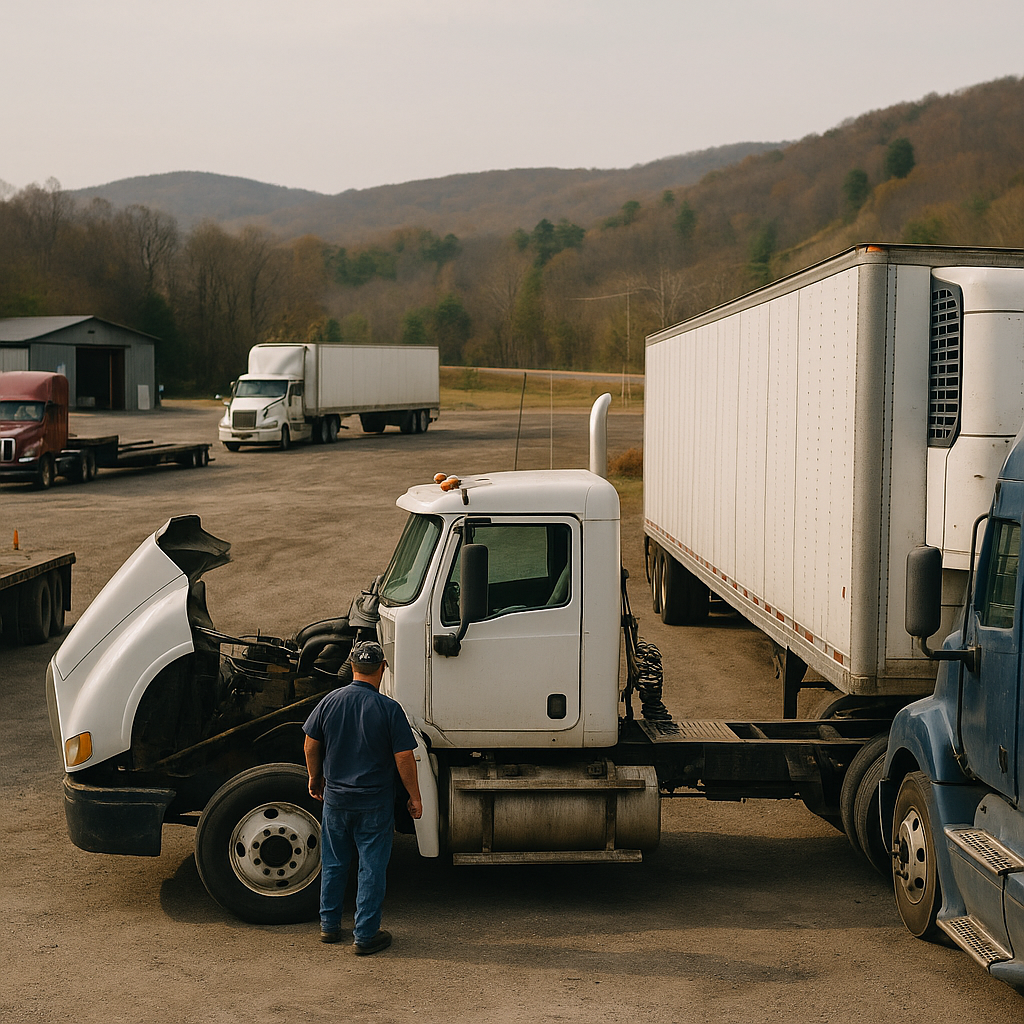

If you haul refrigerated freight in Virginia, reefer trucking insurance in Virginia usually means a bundle of commercial trucking coverages built around temperature-sensitive loads. The hard part isn’t finding a policy with the right label. It’s making sure your liability, cargo, physical damage, and reefer breakdown coverage actually match how you run.
What Reefer Trucking Insurance Covers#
Reefer trucking insurance is commercial trucking insurance for refrigerated freight, not a separate policy type by itself. Most Virginia owner-operators need a combination of auto liability, motor truck cargo, physical damage, and often reefer breakdown to protect the truck, trailer, and temperature-sensitive load.
A reefer unit is the refrigeration equipment mounted on a trailer that keeps cargo at a required temperature during transit. Reefer insurance usually means the coverages surrounding that operation, not one standalone form with every risk built in.
Core coverages for refrigerated trucking#
Auto liability is the coverage that pays when your truck causes bodily injury or property damage to others in a crash. This is the FMCSA-tied coverage many carriers focus on first because it can be legally required depending on your operation.
Motor truck cargo is coverage for the freight you’re hauling for someone else. For reefer operators, that’s often the part people care about most, because one temperature problem can ruin an entire load of produce, meat, dairy, or other perishable goods.
Physical damage covers damage to your truck or trailer from collision and other covered causes like fire, theft, or weather. If you financed equipment, a lender may require it even when the law doesn’t.
Non-trucking liability covers certain non-business use of the truck when you’re not under dispatch. Bobtail is commonly used to describe liability for operating a tractor without a trailer, but the exact coverage can vary by policy, so don’t assume the label means the same thing everywhere.
What reefer breakdown adds#
Reefer breakdown covers certain losses tied to refrigeration equipment failure. It’s designed for the refrigeration unit problem itself and the damage that failure may cause, but it does not replace cargo coverage.
That’s where many operators get burned. A policy can include cargo coverage without strong temperature-spoilage language, or it can include reefer breakdown without covering every spoiled load situation you assume it does.
What is not automatically covered#
Not every spoiled load turns into a covered claim. Delayed delivery without a covered cause, poor maintenance, and some mechanical issues can fall outside coverage depending on the policy language.
A deductible is the amount you pay out of pocket before insurance starts paying on a covered loss. Exclusions, sublimits, and maintenance-related conditions matter just as much as the premium.
And personal auto insurance doesn’t cover a commercial reefer operation. If you’re using a truck for for-hire trucking, personal-auto standards are the wrong yardstick.
Virginia Rules vs FMCSA Requirements#
Insurance requirements for a reefer truck in Virginia depend on whether you’re for-hire or private, whether you operate interstate or intrastate, what the vehicle weighs, and what cargo you haul. Virginia rules and FMCSA rules are not interchangeable, and state minimums do not automatically satisfy federal filing requirements.
Federal minimums that may apply to your operation#
FMCSA is the Federal Motor Carrier Safety Administration, the federal agency that regulates interstate motor carriers. If you run for-hire interstate freight, federal financial responsibility rules may apply under FMCSA standards and 49 CFR Part 387.
Under 49 CFR Part 387, for-hire interstate carriers hauling general freight in vehicles over 10,001 lbs must carry at least $750,000 in public liability. Auto haulers and hazmat operations can face different minimums, and lighter vehicles can fall under different thresholds. That’s why “all truckers need $750K” is wrong.
BIPD means bodily injury and property damage liability, often called public liability in federal filings. If you have federal authority, the required filing and limit depend on the operation, not just on being “a trucker.”
What Virginia may require separately#
The Virginia Department of Motor Vehicles handles state registration and operating matters that can affect commercial trucks based in Virginia. Separately, the Virginia Bureau of Insurance oversees insurance regulation at the state level.
If you run intrastate only, Virginia-specific rules may matter more than FMCSA authority rules. If you cross state lines, federal requirements can override the simple state-minimum mindset many drivers bring from personal auto.
Cargo and physical damage often aren’t universal legal mandates. Instead, brokers, shippers, and lenders commonly require them before they’ll work with you or finance your equipment.
Why state minimums and FMCSA minimums are not the same thing#
A Virginia registration issue, a state liability minimum, and an FMCSA filing are three different things. You can be legal for one purpose and still be short for another.
That’s especially common with refrigerated freight. An owner-operator may think, “I’ve got liability, so I’m covered,” then discover a broker required cargo, the bank required physical damage, and the load needed reefer-specific spoilage protection.
If you’re not sure which requirements apply to your operation, cargo, and lanes,
You can also verify active carrier information and filings through SAFER, but SAFER doesn’t replace a policy review.
Who Needs Reefer Coverage in Virginia#
If you haul temperature-sensitive freight in Virginia, reefer-specific coverage usually matters as soon as cargo can be damaged by heat, cold loss, or refrigeration failure. Owner-operators and small fleets often need both cargo protection and a clear answer on whether the refrigeration equipment itself creates a separate exposure.
Owner-operators hauling refrigerated freight#
A owner-operator is a trucker who owns or leases the truck used in the business and often runs under their own authority or leased to a carrier. In Virginia, that can mean one truck hauling produce out of a regional market or running meat and dairy across state lines.
If the load can spoil because temperature control fails, standard trucking insurance may not be enough by itself. Reefer breakdown and cargo wording start to matter a lot more than they do for dry van freight.
Small fleets with one to five trucks#
A small fleet is a trucking business running a handful of trucks, usually between one and five units. Small fleets often assume each truck can be insured the same way, but one reefer trailer in the lineup can change the risk profile.
If the policy mostly addresses the tractor and trailer values, it may still leave questions about the refrigeration unit, spoilage claims, or cargo conditions tied to temperature logs and maintenance.
When standard trucking insurance is not enough#
Fresh produce, frozen foods, meat, dairy, and some pharmaceutical loads all raise the stakes. A small temperature swing can turn into a cargo claim fast.
The practical question is whether you need reefer breakdown, cargo spoilage protection, or both. If equipment failure could damage the freight, many operators need coverage for the load and coverage that responds to the reefer unit exposure.
How Reefer Claims Usually Happen#
Reefer claims usually come from one of three buckets: refrigeration equipment failure, spoilage during transit, or a crash or theft event. The coverage that responds depends on what actually caused the loss, which is why maintenance records and temperature logs matter so much.
Refrigeration equipment failure#
The reefer unit stops cooling, a sensor fails, or the unit malfunctions during a run. That’s the classic reefer breakdown scenario.
Whether the policy pays can depend on how the failure happened and whether poor maintenance played a role. Insurers often want service history, pre-trip checks, and proof the unit was operating properly before the loss.
Spoilage during transit#
The cargo arrives outside the required temperature range and gets rejected. That doesn’t automatically mean one clean coverage applies.
Maybe the reefer unit failed. Maybe a door seal issue, delay, incorrect settings, or an excluded cause led to the loss. A temperature log is the record showing cargo temperature conditions during transport, and it can be critical evidence in a claim.

Accidents, theft, and physical damage#
A collision damages the tractor, trailer, and refrigerated load. In that case, different parts of the policy may respond: liability for damage you cause others, physical damage for your equipment, and cargo for the freight.
Theft can work the same way. A stolen truck, a stolen trailer, and a stolen load don’t always fall under one bucket. The exact cause of loss matters, and unattended-load or security-related exclusions can matter too.
What Drives Reefer Insurance Cost in Virginia#
Reefer trucking insurance cost in Virginia depends on the truck, trailer, reefer unit, cargo, lanes, driver history, limits, and deductibles. There isn’t one standard price because refrigerated freight creates more moving parts, more claim severity, and more underwriting questions than many dry-freight operations.
Vehicle and equipment factors#
The age, value, and condition of the tractor and trailer matter. So does the refrigeration unit itself, because specialized equipment can be expensive to repair or replace.
Newer equipment can help in some situations, but not always enough to offset a high-value setup. A financed truck or trailer may also require physical damage coverage with terms the lender expects.
Driver and operating profile#
Your CDL history, years in business, prior claims, inspection history, and operating radius all affect pricing. A new venture owner-operator hauling refrigerated loads can face tighter underwriting than an established carrier with a clean record.
Virginia-based operations running regional or multi-state lanes may be viewed differently than short-radius intrastate work. If drivers change often in a small fleet, that can also affect how underwriters look at the account.
Cargo type and radius#
Not all refrigerated freight is equal. Frozen food, fresh produce, dairy, meat, and higher-theft commodities can bring different levels of scrutiny.
Longer runs can increase exposure to equipment failure, delay, and claim severity. If you cross state lines regularly, your interstate profile can also shape both compliance needs and pricing.
Deductibles and limits#
Higher limits can increase premium, while higher deductibles can reduce premium but increase what you pay during a claim. The right balance depends on your cash flow and your risk tolerance.
Cargo limits should match the loads you actually haul, not a random number somebody on a forum throws around. The same goes for physical damage values and any reefer-specific endorsements.
How to Compare Quotes Without Overbuying#
The best way to compare reefer trucking insurance in Virginia is to compare coverage structure, exclusions, and limits before you compare premium. Two quotes can look similar on price and still leave one operator badly exposed on cargo terms, reefer breakdown, or physical damage details.
Check the actual coverages included#
Start with what is actually on the quote. Is auto liability included at the limit you need? Is motor truck cargo included or optional? Is physical damage quoted on both truck and trailer?
A policy exclusion is a situation or type of loss the policy says it will not cover. The NAIC is a good plain-language source for understanding deductibles, exclusions, and how to compare policy terms.
Match limits to your freight contract#
Don’t guess at cargo limits. Match them to shipper, broker, or contract requirements and to the value of the loads you actually move.
The same applies to physical damage and any lender requirements. A cheap-looking quote can become expensive if it fails a broker packet or leaves financed equipment short.
Watch for missing reefer breakdown or cargo terms#
Some quotes look complete until you notice reefer breakdown wasn’t included, or cargo wording doesn’t fit temperature-sensitive freight. That’s a major gap for a reefer operation.
Check for exclusions tied to maintenance, unattended loads, cargo spoilage, and the age or condition of the refrigeration equipment. If a quote leaves those questions fuzzy, push for direct answers before binding.
Ask the right questions before binding#
Ask what causes of loss are covered for cargo spoilage. Ask how the policy treats equipment failure versus collision. Ask what records you’ll need if you file a claim.
And ask whether the quote was built for a true commercial reefer operation or a generic trucking template. If you’re trying to sort out those differences,
How to Get the Right Coverage for a Virginia Reefer Operation#
Getting the right coverage starts with good information, not just shopping fast. For a Virginia reefer operation, gather your truck and trailer details, cargo profile, lanes, and contract requirements before you ask for quotes so the policy can be scoped correctly the first time.
What to gather before shopping#
Pull together VINs, unit values, driver details, operating radius, and where the truck is stored. Have a clear list of the commodities you haul and the highest load values you expect.
If a lender, broker, or shipper requires certain limits or filings, have that paperwork ready too. That saves time and helps avoid a quote that looks fine but doesn’t work in the real world.
Questions to ask an agent#
Ask whether the quote includes cargo, physical damage, non-trucking liability if needed, and reefer breakdown. Ask what isn’t covered, not just what is.
A trucking-specialist agent is usually a better fit than someone giving personal-auto style advice to a commercial reefer operator. Small operators especially need someone who understands authority status, cargo type, and equipment details.
When to review your policy again#
Review the policy whenever your cargo changes, your lanes expand, you add trucks, or you switch from intrastate to interstate work. An annual review also helps catch gaps before a claim does.
FAQ#
What is reefer insurance coverage?
Reefer insurance coverage usually means a set of commercial trucking coverages built for refrigerated freight, not one special standalone policy. It often includes auto liability, motor truck cargo, and physical damage, with reefer breakdown added when refrigeration equipment failure is a concern.
For a Virginia owner-operator, the key issue is whether the policy actually addresses temperature-sensitive cargo. Reefer breakdown can help with certain refrigeration unit failures, but it does not automatically replace cargo coverage. If you haul loads that can spoil from temperature loss, review both the cargo terms and the reefer-specific terms together.
Who has the cheapest liability insurance in Virginia?
There isn’t one company that is always the lowest-priced option for every Virginia trucking operation. Liability pricing depends on the driver, the truck, the freight, operating radius, business history, and whether the account is new venture or established.
The better question is which insurer or broker can quote the right coverage for your actual risk. A low premium doesn’t help much if the quote misses a required filing, uses the wrong operation type, or leaves out related coverages your business needs. Your actual premium depends on your operation, cargo, radius, driving history, and other factors.
How much does $100,000 cargo insurance cost?
There is no single standard price for $100,000 of cargo insurance because the cost depends on what you haul and how you haul it. Refrigerated freight can price differently than dry freight because spoilage risk, theft risk, and claim severity can be higher.
Underwriters will usually look at the commodity, operating radius, prior losses, security practices, and deductibles. A reefer operator hauling produce on longer interstate lanes may be viewed differently than one hauling lower-risk refrigerated products on shorter routes. The limit alone doesn’t tell the whole story; the exposure behind that limit is what drives pricing.
What is the cheapest state for commercial trucking insurance?
There isn’t a reliable “cheapest state” shortcut for commercial trucking insurance. State location matters, but it’s only one factor among many, and often not the most important one.
Operation type, garaging location, interstate versus intrastate activity, cargo, driver history, equipment value, and requested coverages usually have more impact than chasing a cheapest-state idea. A Virginia reefer operator with stable lanes, clean driving history, and well-matched limits may compare better than an operation in another state with higher-risk freight or poor loss history. Focus on accurate classification and coverage fit, not myths about one cheapest state.
Do I need reefer breakdown if I already have cargo insurance?
Maybe, because cargo insurance and reefer breakdown do different jobs. Cargo insurance protects the freight under covered causes of loss, while reefer breakdown is aimed at losses tied to refrigeration equipment failure.
If your refrigerated load could be damaged by the reefer unit malfunctioning, having cargo coverage alone may not fully solve the problem. You need to see how the policy handles temperature spoilage, equipment failure, maintenance-related exclusions, and documentation requirements. For many reefer operators, the safest setup is making sure those coverages work together instead of assuming one automatically replaces the other.