
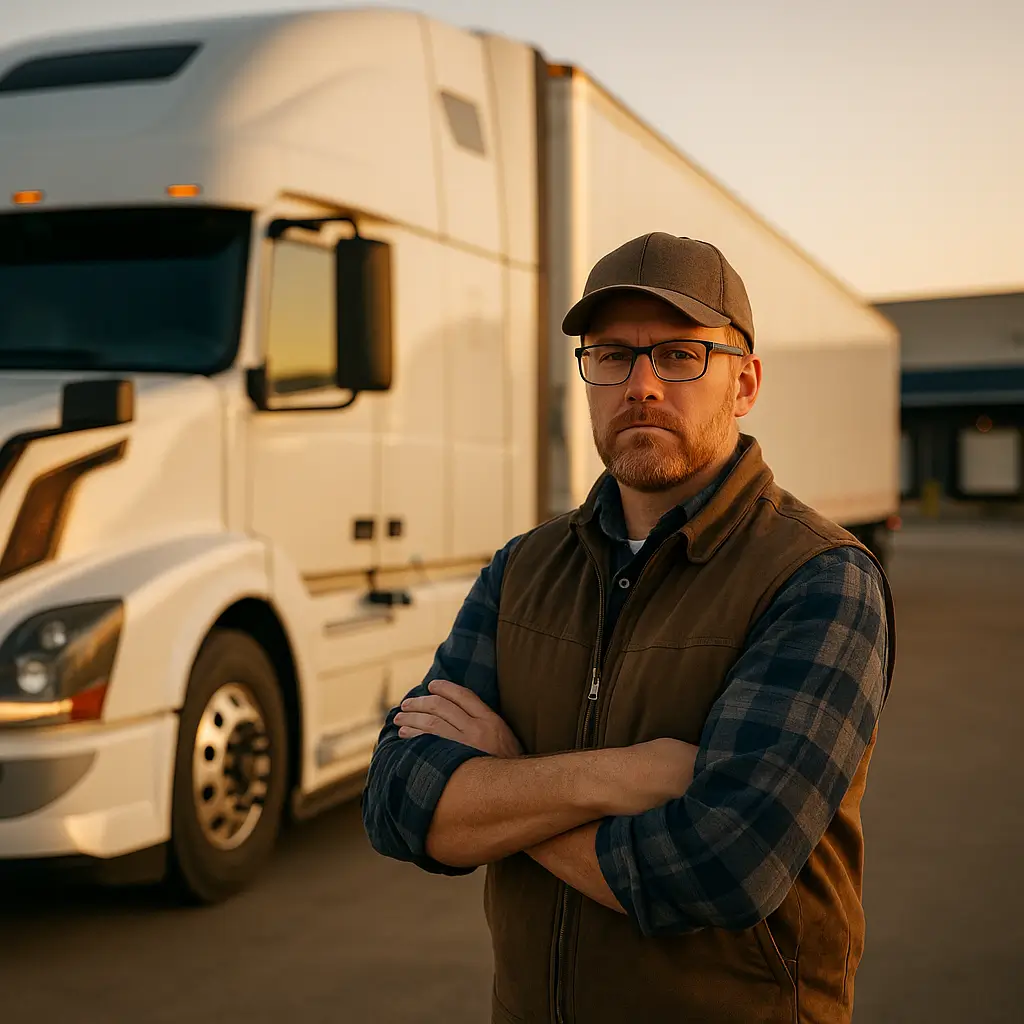

Denver small business insurance can start around $40/mo. Compare 5 core policies, cost factors, and truck insurance tips.
Small business insurance Denver pricing in 2026 commonly starts around $40–$150/month for basic General Liability (often $1M/$2M limits) or a small BOP, and a typical “full stack” with workers’ comp, commercial auto, and professional/cyber coverage often lands closer to $200–$800+/month depending on payroll, vehicles, and risk.
The catch is that “small business insurance” isn’t one policy—it’s a package you build around your contracts and real exposures, so it helps to level-set terms first with these small business insurance basics.
For a broader look at commercial coverage options in the area, see LogRock’s guide to business insurance in Denver, CO.
Table of Contents
Reading time: 8 minutes
- Introduction: Denver insurance pricing hits your cash flow first
- Key takeaways (save this before you request quotes)
- Quick answer: average small business insurance cost in Denver (2026)
- What small business insurance covers in Denver (including commercial truck insurance needs)
- 5 core policies Denver small businesses buy most often
- What policies Denver small businesses need (legal + contract requirements)
- Denver-specific risks that can raise (or lower) your premium
- Next steps: get the right Denver coverage (and avoid expensive gaps)
- Frequently Asked Questions

Introduction: Denver insurance pricing hits your cash flow first
For many Denver companies, 2026 market quotes for small-account coverage often cluster around $40–$150/month for basic liability, but your industry class, ZIP code, payroll/revenue, and claims history can move the price quickly.
If you run a shop, crew, office, or one-truck operation, insurance isn’t a “nice to have.” It’s a line item that competes with rent, payroll, fuel, and equipment—until a claim turns it into an emergency expense.
When something goes sideways (slip-and-fall, hail damage, stolen tools, a fender-bender, or a data breach), the cost is usually both urgent and expensive. The goal of this guide is to help you buy coverage you can actually keep—without ugly surprises at claim time.
Key takeaways (save this before you request quotes)
Most Denver small businesses purchase a 3–5 policy stack built around liability, property, employee injury, and driving risk rather than a single “one-size-fits-all” product.
- Start with GL or a BOP: Most businesses begin with General Liability or a Business Owners Policy (BOP), then add workers’ comp (if employees), commercial auto (if driving for work), and E&O/cyber as needed.
- Inputs matter more than “shopping”: Your industry + ZIP code + payroll/revenue drive price more than almost anything, so inaccurate inputs create quotes that won’t hold up at binding or audit.
- Denver pricing pressure points: Hail/wind exposure, theft/vandalism, traffic density, and cyber incidents (especially POS and online payments) are common premium movers.
- Cheap can be expensive: “Affordable” means the right coverage plus controlled risk, because uncovered losses can erase a year of profit.
Quick answer: average small business insurance cost in Denver (2026)
In Denver, 2026 starter benchmarks commonly run $40–$150/month for $1M/$2M General Liability, $75–$300/month for a small BOP, and $120–$600+/month for commercial auto depending on vehicles, use, and loss history.
Featured-snippet answer:
- In Denver, small business insurance often starts around $40–$150/month for basic general liability or a small BOP.
- Adding workers’ comp, commercial auto, E&O, or cyber can push a typical package to $200–$800+/month depending on payroll, vehicles, and risk.
- Quote by industry + ZIP for the cleanest estimate.
Typical monthly ranges by policy (starter benchmarks)
| Policy | What it protects | Common “starting point” limits (example) | Typical monthly range (Denver) |
|---|---|---|---|
| General Liability (GL) | Slip-and-fall, property damage, advertising injury | $1M / $2M | $40–$150 |
| BOP (bundle) | GL + property + business interruption (often) | Varies | $75–$300 |
| Professional Liability (E&O) | “Your advice/services caused financial loss” claims | $1M | $50–$250 |
| Workers’ Comp | Employee injury/illness costs | Statutory | $70–$400+ |
| Commercial Auto | Business-use auto liability + physical damage | Varies | $120–$600+ |
What to do if your quotes feel “high”
If your quotes look inflated, the fastest wins usually come from correcting your operations description, class code, payroll/revenue, and vehicle use—and then tightening safety controls and deductibles you can actually cash-flow.
This checklist on how to lower business insurance costs can help you cut waste without creating dangerous gaps.
What small business insurance covers in Denver (including commercial truck insurance needs)
Small business insurance in Denver is typically a portfolio of policies that covers third-party liability claims, damage to your business property/tools, and income loss from covered shutdowns (business interruption).
Think in three buckets
- Claims from other people: Someone gets hurt, you damage property, or you’re accused of causing financial loss.
- Damage to your stuff: Inventory, tenant improvements, tools, and equipment.
- Income disruption: A covered loss shuts you down and cash flow stops (often addressed via business interruption on a BOP).
What it is (plain English)
“Small business insurance” is usually built from:
- General liability: third-party injury and property damage claims
- Property: your space and contents (owned or tenant interest)
- Business interruption: helps replace income during covered downtime
- Workers’ comp: employee injury coverage when required
- Commercial auto: vehicles used for work
- Cyber: data, ransomware, and tech-enabled downtime costs
If you want GL explained in real claim terms (what tends to get paid vs. denied), read this practical general liability insurance breakdown.
Why it’s essential (Denver reality)
Denver-specific claim triggers show up in everyday operations:
- A customer slips in your entryway during a snow day (GL)
- Hail damages signage or roof sections (property; deductibles matter)
- Tools get stolen from a parked van overnight (tools/inland marine coverage)
- A rear-end accident on I-25 during a service call (commercial auto)
- A phishing email compromises bookkeeping access (cyber)
Who needs it (fast filter)
- Retail, restaurants, gyms, salons: GL + property (often a BOP)
- Contractors/trades: GL + tools/equipment + auto + workers’ comp (if employees)
- Consultants/agencies/IT: GL + E&O + cyber
- Transportation businesses: commercial auto plus commercial truck insurance, semi truck insurance, or hotshot insurance depending on use, weight, filings, and cargo
Pro tip for Denver transportation operators (trucking insurance, hotshots, and delivery fleets)
Commercial trucking risk is priced on vehicle class, for-hire vs. private carriage, cargo type, radius, driver history, and required filings/certificates—not on what “most small businesses” buy.
If you operate under your own authority or haul for-hire, don’t assume a standard small-business package covers you; the right structure is often the difference between a paid claim and a denial.
“Affordable trucking insurance” is usually less about a magic cheap carrier and more about correct classification, clean loss history, and tight safety/maintenance documentation.
If you operate trucks or haul for-hire in Colorado, review commercial truck insurance costs in Colorado for a more detailed cost breakdown by vehicle class and use type.
5 core policies Denver small businesses buy most often
The five most common policies in a Denver small business insurance stack are General Liability, a BOP, Professional Liability (E&O), Workers’ Compensation, and Commercial Auto (often with hired/non-owned auto).
This is the “default stack” many businesses land on, then customize based on contracts, property values, vehicles, and how they earn revenue.
Before you start comparing quotes, this video covers how to think about your limits — so you’re not just shopping the cheapest number:
1) General liability (GL)
General Liability covers third-party bodily injury, property damage, and certain advertising injury claims (commonly written at $1M/$2M limits for small businesses).
For a deeper look at how GL claims work in practice, including what tends to get paid vs. denied, see general liability coverage for trucking and trade businesses.
- Why it matters: One lawsuit can crush cash flow even if you ultimately win.
- Who needs it: Nearly any business dealing with customers, clients, job sites, or vendors.
- Denver example: Slip-and-fall after snow melt at your entrance.
2) Business owners policy (BOP)
A Business Owners Policy (BOP) typically bundles general liability and commercial property, and it often includes business interruption coverage for covered losses.
- Why it matters: It’s often the best value for eligible classes because it packages common coverages efficiently.
- Who needs it: Offices, many retail operations, and many light-service businesses.
- Denver example: Hail damage triggers a property claim; business interruption becomes the difference between reopening fast and bleeding cash.
3) Professional liability (E&O)
Professional Liability (Errors & Omissions) covers claims that your advice, design, or service caused a client’s financial loss, which is usually not covered by GL.
- Why it matters: “Your work was wrong” claims are common in consulting, IT, design, and agency work.
- Who needs it: Consultants, marketing agencies, IT, accounting, design, and many licensed professionals.
- Denver example: A configuration error takes a client’s site offline and they claim lost revenue.
4) Workers’ compensation
Workers’ compensation pays medical costs and wage replacement for covered work-related injuries/illnesses and is mandatory for most Colorado employers with employees, per Colorado law (with some owner/officer exceptions).
- Why it matters: One injury can create major medical costs and lost-time exposure.
- Who needs it: Most employers with employees; some owner/officer setups vary by structure and elections.
- Denver example: A back injury while unloading equipment at a job site.
5) Commercial auto (plus hired/non-owned when relevant)
Commercial auto covers liability and (if selected) physical damage for vehicles used in business, and hired/non-owned auto can protect the business when employees drive personal cars or rentals for work.
- Why it matters: Personal auto policies often exclude business use or leave the business exposed.
- Who needs it: Delivery, contractors, mobile services, and any business with frequent work driving.
- Denver example: A service van accident on I-70 during a paid call.
What policies Denver small businesses need (legal + contract requirements)
Colorado generally requires workers’ compensation insurance for employers with employees (with limited exceptions) and regulates it through the Colorado Department of Labor and Employment (CDLE) and the Division of Workers’ Compensation.
What’s commonly required by Colorado rules
- Workers’ comp: Verify current requirements directly with the Colorado Division of Workers’ Compensation.
- Auto liability: If you drive on public roads, auto liability is required, but the business issue is whether the policy is written as commercial auto and matches your business use.
For deeper context on triggers, audits, and payroll reporting, review the Colorado Division of Workers’ Compensation.
What landlords, clients, and vendors “require” in Denver
Contracts often drive coverage even when the law doesn’t. This is where many owners get squeezed.
- Landlords: Often require GL (sometimes property) and want to be listed as Additional Insured.
- Commercial clients/GCs: May require higher GL limits, E&O, and specific certificate wording.
- COIs (Certificates of Insurance): If you can’t produce COIs fast, you can lose jobs or delay payment.
Denver-specific risks that can raise (or lower) your premium
Denver small-business underwriting often prices four repeat loss drivers—hail/wind, theft/vandalism, business driving frequency, and cyber events—because they predict claim frequency and severity for many industries.
If you operate vehicles or run crews across the Denver metro, this breakdown of Colorado insurance cost drivers is worth two minutes:
Weather: hail, wind, freeze, snow load
Front Range weather is a real property-loss driver, and local hazard updates are tracked by the National Weather Service — Boulder office.
- Business moves that help: roof documentation, routine maintenance logs, updated HVAC servicing, and a photo inventory of equipment/tools.
- Pricing reality: Higher wind/hail deductibles can lower premium, but you need the cash reserves to absorb them.
Theft/vandalism: tools, inventory, and off-premises exposure
Mobile operations get hit hard because tools move and sit in vehicles, and coverage needs to match where the tools actually live (job sites, vans, storage units).
Traffic density and business driving
Driving exposure rises with miles, routes, and time of day, so a “non-transportation” business can still have transportation-like risk if it runs crews all over the metro.
Cyber exposure (often underestimated)
Cyber policies commonly respond to ransomware, breach response costs, and tech-driven downtime, and pricing can improve when you use basic controls like MFA and backups.
For a practical look at what cyber policies cover (and what controls can help pricing), see cyber liability coverage for small businesses.
Provider vetting tip: Verify licensing and find consumer resources via the Colorado Division of Insurance.
Next steps: get the right Denver coverage (and avoid expensive gaps)
To get bindable small business insurance quotes in Denver, carriers typically request your business details plus exposure data like payroll (workers’ comp), revenue (liability), property values (BOP), and vehicle schedules (commercial auto).
A simple 3-step process that prevents most quote surprises
- List your real operations: services performed, vehicles used, employees vs. subs, and where work happens (shop, job sites, customer locations).
- Pull contract requirements first: limits, Additional Insured wording, waiver of subrogation, and COI language.
- Quote the core stack, then add specialists: start with GL/BOP, add workers’ comp and auto where needed, then add E&O/cyber based on how you make money.
Related reading (keep these open while you compare quotes)
- For a broader Colorado-specific overview of commercial policies, including bundling: Colorado commercial insurance: 7 policies + 2026 costs.
- Standardize your limits and deductibles before you shop: insurance quote checklist for apples-to-apples comparisons.
Frequently Asked Questions
Almost never — and the gap is often bigger than people realize. Standard homeowners and renters policies typically exclude business property beyond a very small sublimit (often $500–$2,500), and they do not cover business liability, such as a client injury during a home visit or a claim tied to your professional services. If you run any part of your business from home — client meetings, equipment storage, or payment processing — you likely need at least a GL policy and possibly an endorsement or separate in-home business policy for tools and inventory. If a client or vendor asks for a COI, a homeowners carrier will not provide one.
Small business insurance in Denver typically combines policies that cover third-party liability (like slip-and-fall and property damage), business property (inventory, equipment, tenant improvements), and business interruption after a covered loss, often through a BOP. Many businesses also need workers’ compensation when they have employees, commercial auto when driving for work, and cyber liability if they process payments or store customer data. The “right” coverage is the set that matches your contracts, your work locations (shop vs. job site), and how you actually earn revenue.
Small business insurance in Denver often starts around $40–$150 per month for basic General Liability (commonly $1M/$2M limits) or a small BOP, but total spend frequently reaches $200–$800+ per month once you add workers’ comp, commercial auto, E&O, or cyber. Pricing is driven by industry class, ZIP code, payroll (workers’ comp), revenue (liability), vehicle count/use (auto), prior claims, and building characteristics. If any of those inputs are wrong, the quote may change at binding or during audit, so accuracy matters as much as shopping.
Often yes, because the business can still be named in a lawsuit even if the employee’s personal auto policy covers the driver. Hired and non-owned auto (HNOA) is designed to protect the business when employees use personal cars or rentals for business errands, deliveries, or client visits. The cleanest way to check gaps is to compare your driving reality (who drives, where, and why) against the policy wording and exclusions. For Colorado-specific minimums and 2026 cost ranges, see Colorado commercial auto insurance requirements and costs.
In Colorado, workers’ compensation insurance is generally required for any business that has employees — including part-time and seasonal workers, with limited exceptions for certain owner/officer structures. If you have even one employee on payroll, verify your obligation directly with the Colorado Division of Workers’ Compensation, because operating without required coverage exposes you to fines and personal liability for a work-related injury. The requirement applies regardless of whether employees work in an office, at a job site, or out of a vehicle.
Yes, and bundling is often done through a Business Owners Policy (BOP) that combines general liability and property (and commonly includes business interruption), with optional packaging for workers’ comp and commercial auto through the same agent. Bundling can reduce premium and simplify COIs, but eligibility depends on your industry and risk profile, and a bundle is not automatically better. The only fair way to compare is to align quotes to the same limits, deductibles, key endorsements, and coverage forms so you are not trading price for a hidden gap.
A Business Owners Policy (BOP) bundles general liability and commercial property into one policy — and often includes business interruption coverage — which can be more cost-effective than buying each line separately. The trade-off is that BOPs are designed for lower-risk, eligible business classes, so not every Denver operation qualifies, and the bundled limits and forms may not match what your contracts require. If contracts specify higher GL limits, specific endorsements, or separate policy forms, you may need to build the stack individually. Compare a BOP quote against separate policies using the same limits and endorsements before deciding.
Most brokers and carriers can issue a Certificate of Insurance (COI) the same day or within 24 hours once your policy is bound. The delay is usually incomplete information: incorrect Additional Insured wording, a missing job-site address, or a limit that does not match the contract. To get a COI quickly, have your policy number, the requesting party’s full legal name, and any required endorsement wording ready before you call. A landlord, GC, or client blocking a job or lease start over a COI can often be resolved the same day with the right information.
Being listed as an Additional Insured (AI) on your policy means a third party — typically a landlord, general contractor, or commercial client — gets certain liability protections under your policy for claims arising from your work or operations. It is a contract-driven requirement, not a coverage upgrade for you. Most carriers can add an AI by endorsement, but the wording matters; some contracts specify ISO Additional Insured endorsement numbers, and using the wrong form can invalidate the COI. Always read the contract requirement before asking your broker to add an AI.
Conclusion: Build a Denver policy stack you can afford to keep
A practical Denver small business insurance setup usually starts with $1M/$2M liability and then adds workers’ comp and commercial auto based on employees and driving exposure, because those are the lines most likely to create severe, business-threatening claims.
If you standardize your limits, tell the truth about operations, and control the risk you can control, you’ll get quotes that are both lower-drama and more likely to pay when it counts.
Key Takeaways:
- Use GL or a BOP as your baseline, then layer in workers’ comp, auto, E&O, and cyber based on real exposures.
- Expect 2026 Denver starter ranges like $40–$150/month for GL and $75–$300/month for a small BOP, with full stacks often $200–$800+/month.
- Quote “apples-to-apples” by matching limits, deductibles, endorsements, and forms, not just the premium.
If you want quotes that don’t change at the last second, gather your exposure data first (payroll, revenue, vehicles, contracts) and shop with consistent specs.
For a deeper look at what actually moves your premium — beyond just “shopping around” — this video breaks down major pricing factors:
If you’re building out your Denver small business coverage stack — or you’re not sure whether your current policies match your contracts and real exposures — LogRock can help you review your situation, identify gaps, and compare quotes based on your actual operations. Talk to our team with your questions before you bind anything.





