
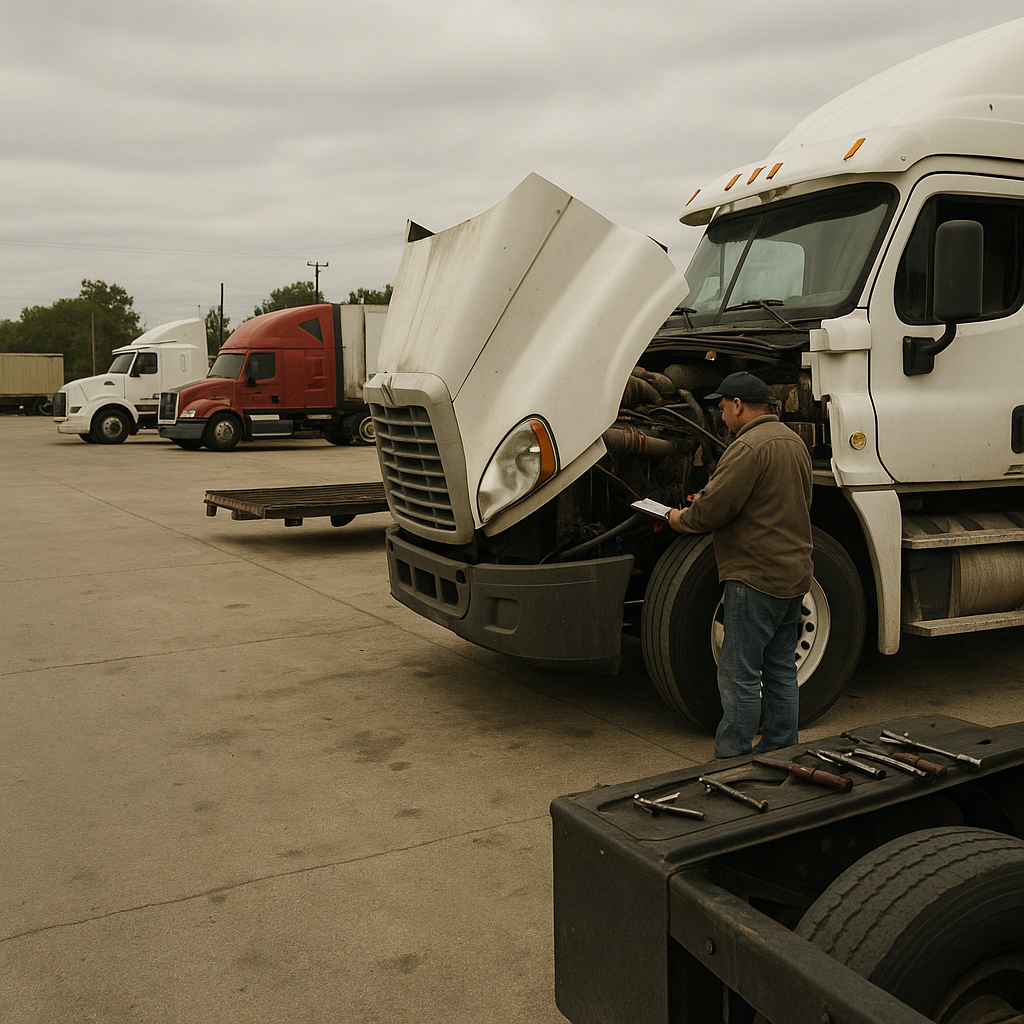

Storm damage commercial truck insurance usually means physical damage coverage on the truck, not liability coverage. If hail dents your hood, wind drops a branch on the cab, or flood water gets into the engine, the policy section that may respond is usually physical damage, while cargo, trailer, and business property can be separate questions.
A lot of confusion starts because truckers hear “commercial insurance” and assume one policy covers every loss. It doesn’t. A storm can damage the tractor, the trailer, the freight, a reefer unit, and even tools at your yard, and each piece may fall under a different coverage.
What storm damage coverage actually means for truckers#
Storm damage in trucking means weather-related loss like hail, wind, flood, flying debris, fallen objects, and water intrusion into the truck or trailer. Whether insurance may pay depends on the policy form and what was damaged, not just the fact that a storm caused it.
Start with the basic split. Commercial auto liability is the coverage that pays when your truck causes injury or property damage to others. It does not pay to repair your own truck after a storm.
That matters because federal financial responsibility rules are about liability, not truck repairs. FMCSA and 49 CFR Part 387 deal with required public liability for certain motor carriers, not whether your own hood, roof, or sleeper gets fixed after hail. If you run interstate freight under a USDOT number or MC number, those rules still don’t replace optional damage coverage on your equipment. You can review the broader mix of commercial truck insurance coverages to see how the pieces fit.
Storm damage vs. theft, collision, and cargo loss#
Storm damage isn’t the same as every other kind of loss that happens during bad weather. If hail cracks a windshield while the truck is parked, that’s a different coverage question than sliding into a barrier during heavy rain.
If a storm blows cargo around inside a trailer, that may point to motor truck cargo coverage instead of truck repair coverage. If water ruins laptops, tools, or office equipment at your shop, that’s usually a business property issue, not a trucking auto claim.
Which policy types may respond#
Physical damage coverage is the part of a trucking policy that may pay to repair or replace the insured tractor or trailer after covered damage. That usually includes comprehensive-style protection for non-collision losses and collision protection for crash damage.
Other coverages may also matter:
- Cargo for damaged freight
- Trailer-related coverage for a non-owned trailer
- Reefer-related coverage for refrigeration problems
- Business property coverage for non-vehicle property
Why the answer depends on how the truck is used#
The same storm can produce different insurance answers depending on the operation. A parked owner-operator tractor, a loaded reefer in transit, and a borrowed trailer under a signed interchange agreement may all trigger different policy sections.
That’s why “does truck insurance cover storm damage?” is only the first question. The better question is: what got damaged, who owned it, and what coverage was actually on the policy?
What commercial truck insurance may cover after hail, wind, flood, or debris#
After hail, wind, flood, or debris damage, the main coverage that may pay for the truck itself is physical damage, especially the comprehensive-style portion for non-collision events. But the answer changes if the loss involves cargo, a borrowed trailer, a reefer unit, or damage that happened when the truck also struck something.
Hail and wind damage#
Hail dents, broken glass, roof damage, and siding damage from high wind usually fall into the non-collision side of physical damage coverage. If the truck was parked at a shipper, truck stop, or your yard when the storm hit, that often points to comprehensive-style damage rather than collision.
Wind can also create mixed losses. A gust might blow a sign into the truck, or it might push the truck into another object. Once impact and movement get involved, the claim can turn into a collision question depending on how the loss happened.
Flooding and water intrusion#
Flood damage often depends on whether your physical damage policy includes comprehensive-style protection for water-related loss. Water intrusion can affect flooring, wiring, brake systems, aftertreatment components, electronics, and engines, and some of the worst damage isn’t obvious until later.
Flood claims also get messy because adjusters will want a clear timeline. Was the truck driven through standing water, parked in a flooded lot, or moved after the first warning lights came on? The exact facts matter.
Debris, falling objects, and tree damage#
Flying road debris during a storm, falling limbs, tree strikes, and similar events are often treated as non-collision physical damage losses if the truck itself didn’t crash into something. The damage can look simple from the outside but still hide problems with roof seams, fairings, lights, mirrors, or the reefer housing.
When the trailer is damaged too, don’t assume the tractor policy automatically covers everything. Ownership and scheduled equipment matter.
What usually is not covered#
Storm damage doesn’t mean every related loss is automatically covered. Common trouble spots include:
- Cargo damage when only the truck had physical damage coverage
- Trailer damage when the trailer wasn’t owned and no trailer-specific coverage applied
- Reefer spoilage caused by temperature issues rather than direct truck damage
- Wear, prior damage, or mechanical breakdown that wasn’t caused by the storm itself
This is where drivers get burned after a bad weather event. The hood may be covered, but the freight may not be. The tractor may be covered, but the trailer may not be. If you’re trying to sort that out before storm season,
How physical damage coverage works on a trucking policy#
Physical damage coverage is the policy section that may pay for damage to your insured tractor or trailer. In trucking, it usually matters most for hail, wind, fire, theft, flood, vandalism, and collisions that could put your truck out of service.
The term matters because many owner-operators focus on FMCSA filings first and assume that means the truck itself is insured. It doesn’t. FMCSA-required liability and truck repair coverage are different things. For a deeper breakdown of physical damage coverage, it helps to look at the truck the same way the claim adjuster will.
Comprehensive vs. collision#
Comprehensive coverage is the part of physical damage that usually applies to non-collision losses like hail, wind, theft, fire, and falling objects. NAIC consumer guidance uses the same basic distinction: comprehensive handles many losses other than overturn or collision, while collision applies when the vehicle hits another vehicle or object.
Collision coverage is the part that may pay when the truck strikes something or overturns. In storm season, that can matter if rain, ice, or wind contributes to a wreck rather than just damaging a parked unit.
Deductibles and limits#
A deductible is the amount you pay out of pocket before the insurer pays the covered part of the loss. A higher deductible can change your premium, but it also changes what a storm claim feels like when a windshield, hood, and roof all need work at once.
A limit is the maximum the policy may pay for a covered loss. On physical damage, that often ties back to the stated value or insurable value of the truck or trailer, so an outdated value can become a problem after a total loss.
When physical damage applies to a parked truck or a truck in transit#
Physical damage can apply whether the truck is parked or moving, but the exact part of the coverage may change. A parked truck hit by hail is a different claim from a truck blown off line into a guardrail.
That’s why “the storm caused it” isn’t enough by itself. The adjuster still needs to know whether this was a non-collision weather loss, a crash loss, or a mixed loss with more than one damaged item.
Which other trucking coverages may matter after a storm#
Storm losses often involve more than the tractor, so truck repair coverage may only solve part of the problem. Cargo, trailers, liability forms, and reefer-related coverages can all come into play, depending on what was damaged and who owned it.
Cargo damage from weather#
Motor truck cargo coverage is insurance for the freight you’re hauling for others. If rain, water intrusion, trailer breach, or storm-related upset damages the load, the cargo question is separate from the tractor repair question.
A truck can have covered hail damage while the freight claim is denied or limited under a different form. That’s why it helps to understand motor truck cargo coverage before you assume “the insurance” covers the whole event.
Trailer interchange and non-owned trailer damage#
Trailer interchange coverage applies when you’re responsible for a trailer you don’t own under a written trailer interchange agreement. If a storm damages that trailer while it’s in your possession, this coverage may matter more than the tractor’s own physical damage section.
Non-owned trailer physical damage generally applies to certain non-owned trailers you use even without a signed interchange agreement. Many non-intermodal owner-operators care more about this than formal interchange coverage, but the right fit depends on how the trailer is being used. If you borrow, swap, or pull someone else’s equipment, review how trailer interchange coverage differs from non-owned trailer protection.

Bobtail or non-trucking liability limits#
Bobtail insurance usually refers to liability coverage for operating a tractor without a trailer. Non-trucking liability is liability coverage for non-business use of the truck.
Both are liability forms, not repair coverage for storm damage to your tractor. If hail shreds the roof while the truck is parked, bobtail insurance generally isn’t the section that pays to fix it.
Reefer breakdown and spoilage questions#
Reefer breakdown coverage addresses certain losses tied to refrigeration unit failure and related spoilage, subject to the policy terms. That’s different from a storm denting the reefer unit housing or tearing up the trailer roof.
A weather event can create both issues at once. The trailer may have physical damage, while the cargo loss turns on cargo and reefer-specific terms. Those are separate claim paths, even if they started with the same storm.
How to file a storm damage claim on a commercial truck#
A storm damage claim moves faster when you document the loss clearly, protect the truck from further damage, and give the adjuster a clean timeline. Most delays come from missing photos, vague descriptions, late reporting, or confusion about whether the loss involved the truck, the trailer, the cargo, or all three.
Document the scene#
Start with wide shots and close-ups. Photograph every damaged area on the tractor and trailer, the VIN or unit number, the location, standing water if present, fallen limbs or debris, and any cargo impact if the load was affected.
If possible, keep timestamps, weather screenshots, shop notes, tow records, and incident reports together. If police, a property owner, or a shipper created any report, save it. Small details help prove that the damage came from one storm event rather than old wear.
Protect the truck from further loss#
Insurance usually expects you to mitigate preventable added damage after the loss. That means covering broken openings, moving the truck to safer ground if it can be done safely, and stopping water from continuing to enter the cab or sleeper.
Don’t make major repairs before the adjuster sees the damage unless emergency work is necessary to protect the truck. Save receipts for temporary measures.
Work with the adjuster#
A claim adjuster is the person who investigates the loss and evaluates what the policy may pay. Adjusters usually look at visible damage, signs of pre-existing wear, hidden mechanical or electrical issues, and whether the reported cause matches the damage pattern.
Be specific when you describe what happened. “Storm damage” is too broad. “Parked overnight at a truck stop, hail began around dawn, windshield cracked, hood and roof visibly dented, no collision” is much better.
Common reasons claims slow down#
Storm claims often stall for avoidable reasons:
- Damage wasn’t reported promptly
- Photos were taken after cleanup only
- The truck was driven further and the timeline got muddy
- The insured couldn’t show whether the trailer or cargo was also damaged
- Repair estimates didn’t separate storm damage from old damage
If you’re unsure whether your current setup matches how you operate,
How to reduce storm risk before the next weather event#
You can’t control the weather, but you can reduce exposure and make the next claim easier to prove. For owner-operators and small fleets, the best storm plan usually comes down to where you park, what condition records you keep, and whether your coverage still matches the equipment and freight you run.
Parking and route planning#
Try to avoid low-lying parking areas that flood fast and open areas with obvious tree or sign hazards. If a route looks likely to push you into severe weather, stopping early at a safer location can be cheaper than dealing with hidden water damage later.
For small fleets, even one unit down hurts cash flow. That makes weather planning an operations issue, not just an insurance issue.
Pre-storm inspections#
Take quick walkaround photos before storm season and after major equipment changes. Clear pre-loss photos help show what damage was new.
Check seals, roof condition, lights, mirrors, fairings, and windshield condition. Water finds weak spots fast.
Deductible and coverage review#
Review your deductibles, insured values, trailer arrangements, and cargo profile before storm season. If your truck value changed, your radius expanded, or you started hauling different freight, your policy may need an update.
If you run interstate, your operating status and insurance filings should also stay clean in FMCSA systems, and basic carrier information can be checked on SAFER. That’s not storm coverage, but it helps keep your compliance picture straight while you sort out operational risk.
When to review a quote or policy#
The best time to review coverage is before the forecast turns ugly. That’s especially true if you added a trailer, changed cargo, or started parking equipment at a new location with more weather exposure.
Does commercial trucking insurance replace business property insurance?#
Commercial trucking insurance usually does not replace business property insurance. Truck damage, cargo damage, and damage to your office, tools, or yard equipment are separate problems, and they often need separate coverage.
Truck damage vs. shop or office damage#
Your tractor’s hood, cab, roof, and sleeper usually point back to physical damage coverage. But a storm that tears up your office sign, destroys computers, or floods tools in a shop bay is not the same kind of claim.
That’s where business property coverage may matter, and it’s also different from general liability for trucking, which is mainly about certain third-party bodily injury or property damage claims tied to your business operations.
Why state minimums are not enough for property losses#
State minimums and FMCSA filings are liability questions, not truck-repair questions. Under federal rules, certain for-hire interstate carriers must show public liability financial responsibility under 49 CFR Part 387, but that doesn’t mean your own storm-damaged truck gets repaired.
This is the same mistake many new authorities make with their USDOT number and MC number setup. Compliance can be in place while the tractor still has no physical damage coverage at all.
When business property coverage is separate#
If you own or lease a yard, shop, office, or stored business equipment, ask about separate property protection. The truck policy may handle the truck. Cargo may handle the freight. Property coverage may handle the rest.
FAQ#
Does business insurance cover storm damage?
Business insurance may cover storm damage, but only for the property and coverage actually listed on the policy. For a trucking operation, storm damage to the tractor or scheduled trailer usually points to physical damage coverage, while storm damage to office contents, tools, or a building may fall under separate business property coverage. Cargo damage can be another separate question. The key is not the word “business” but what item was damaged and which policy form covered that item.
How much does a $1,000,000 liability insurance policy cost?
There isn’t one universal price for a $1,000,000 liability policy in trucking. Your actual premium depends on your operation, cargo, radius, vehicle type, driving history, authority status, garaging, and claims record, along with other underwriting factors. It also matters whether you’re a new venture owner-operator or an established small fleet. More importantly for storm losses, a $1,000,000 liability limit still doesn’t mean storm damage to your own truck is covered. Liability and physical damage are different parts of the policy.
Which type of vehicle insurance will pay for storm damage?
For commercial trucks, the coverage that may pay for storm damage to the insured vehicle is usually physical damage coverage, especially the comprehensive-style portion for non-collision losses. That can include hail, wind, flood, falling objects, theft, and some other weather-related events, subject to the policy terms, deductible, and limit. If the storm also caused a crash, collision coverage may come into play instead or alongside it. Cargo, trailers, and reefer-related losses can involve separate coverages.
What does commercial truck insurance cover?
Commercial truck insurance can include several different coverages, each for a different kind of risk. Auto liability addresses damage or injury you cause to others. Physical damage may cover the insured tractor or trailer for certain losses. Motor truck cargo can cover freight you’re hauling. General liability can address some non-driving third-party claims. Non-trucking liability or bobtail applies to certain liability situations, not truck repairs. Trailer interchange, non-owned trailer physical damage, and reefer breakdown may also matter depending on how you operate.
Does non-trucking liability cover storm damage to my parked truck?
Usually no. Non-trucking liability is a liability form for certain non-business use of the truck, and it generally does not pay to repair storm damage to your own tractor. If your parked truck takes hail, wind, or falling-tree damage, the coverage to review is typically physical damage, especially the comprehensive-style portion. This is one of the most common mix-ups because the truck may be parked off dispatch, but parked status alone doesn’t turn liability coverage into repair coverage.
If my trailer and cargo are both damaged in a storm, do I file one claim?
Maybe, but don’t assume one coverage will pay everything. A single storm event can lead to multiple claim tracks under the same insurer or different insurers. Damage to your tractor may fall under physical damage. Damage to a non-owned trailer may involve trailer interchange or non-owned trailer physical damage. Damage to the freight may involve cargo coverage, and spoilage can raise reefer-specific questions. Report the whole event at once, but expect the adjuster to sort it by what was damaged, who owned it, and which coverage applied.





