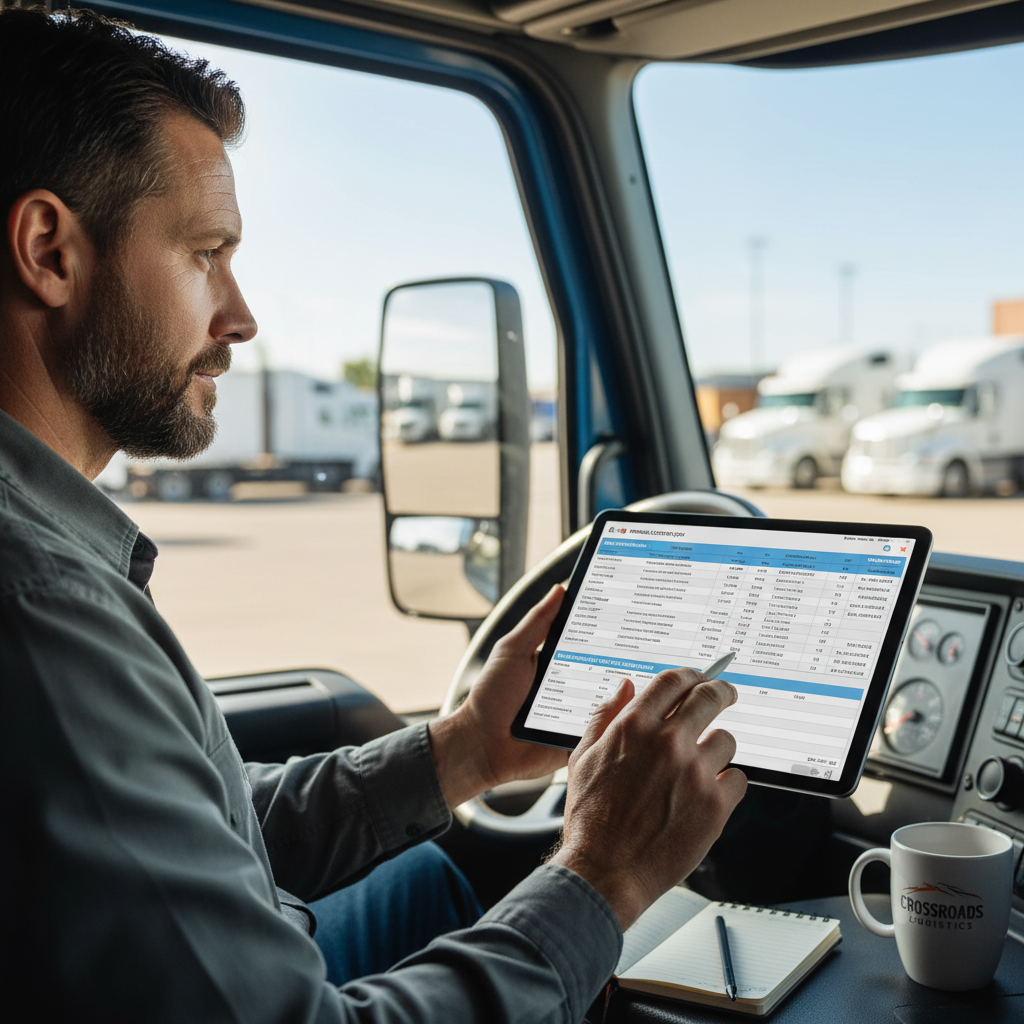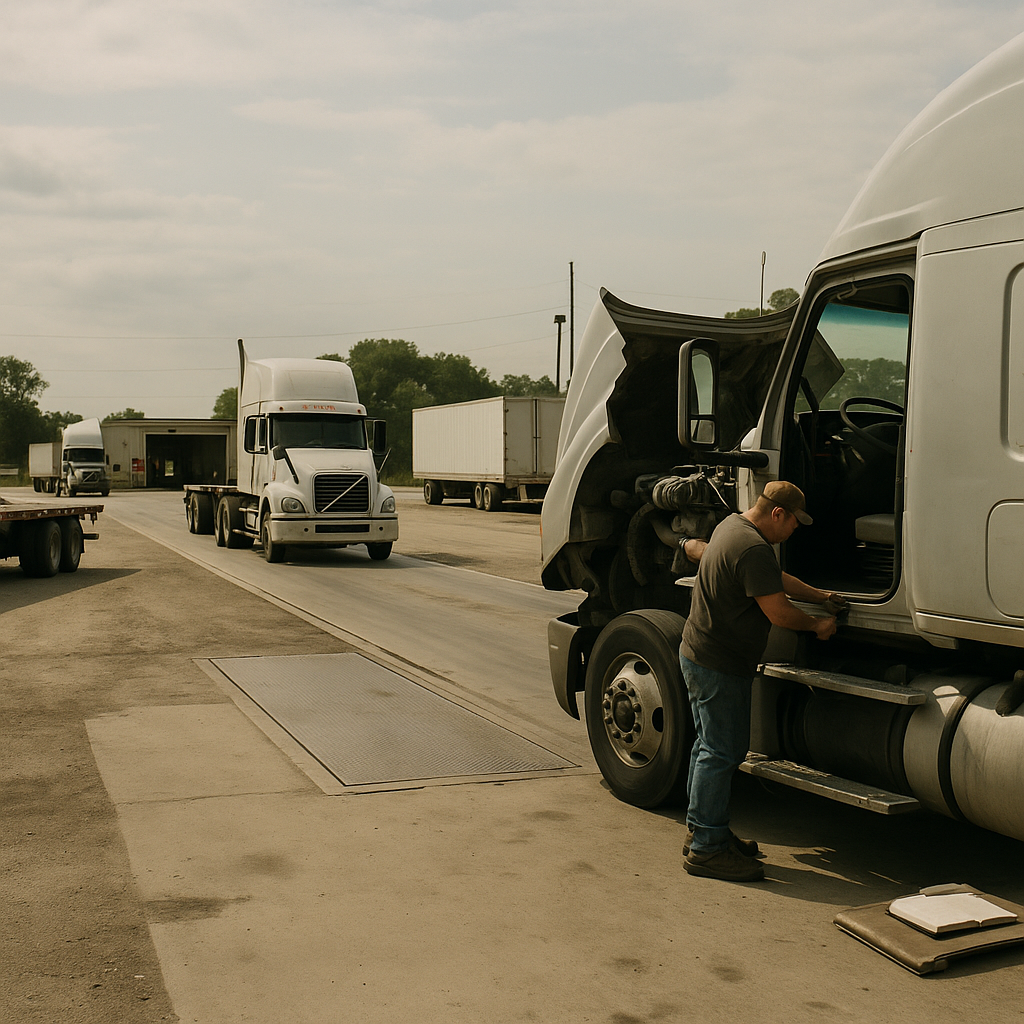

Tampa truck insurance gets easier once you stop treating it like one product with one price. A Tampa address matters, but your truck insurance really depends on how you operate, what you haul, where you run, and whether Florida rules or FMCSA rules control your setup.
This guide walks the order that actually matters: figure out your regulatory scope first, match coverage to your operation second, then compare quotes that are built the same way.
Tampa truck insurance starts with how you operate#
Tampa truck insurance depends more on your operation than your ZIP code. Insurers and regulators look at whether you haul for hire or privately, your truck weight, cargo, operating radius, authority, garaging location, driver history, and loss history before they decide what coverage applies and how the policy should be built.
A Tampa location can affect underwriting because garaging, traffic, theft patterns, storm exposure, and operating territory all matter. But it doesn’t decide the whole policy by itself. Two trucks parked in the same part of Tampa can need very different insurance based on what they haul and how they run.
Why Tampa location is only one part of the insurance decision#
If you’re an owner-operator based near the port, running interstate general freight under your own authority, your setup won’t look anything like a Florida-only contractor hauling its own equipment. Same city, different rules, different filings, different risk.
That’s why “Tampa truck insurance cost” searches only get you so far. Commercial trucking premiums are built around the actual operation, not a citywide average.
The details that determine your coverage scope#
For-hire means you’re paid to haul someone else’s property. Private carriage means the business hauls its own property, usually as part of its own operation.
Those details change everything: liability requirements, cargo needs, filing needs, and what underwriters want to see. Vehicle weight, cargo type, annual mileage, radius, prior insurance, and driving record all shape the final quote too.
Commercial trucking insurance versus personal auto insurance#
Commercial auto insurance for trucking covers business truck use under commercial policy terms. A personal auto policy is built for private passenger use, not regulated trucking operations or freight hauling.
That’s where a lot of new operators get burned. Personal auto and commercial trucking insurance are not interchangeable, and state minimum car insurance isn’t the same thing as properly scoped truck coverage.

Step 1 – Determine whether Florida or FMCSA rules apply#
Your first job is to identify whether Florida-only rules or FMCSA federal rules apply to your operation. Interstate for-hire carriers may need to meet federal financial-responsibility requirements, while Florida-only operators may need to follow separate state commercial vehicle rules. The right answer depends on your authority, truck weight, cargo, and how you operate.
Interstate for-hire operations and federal financial responsibility#
If you haul interstate for hire, federal rules may apply to your liability setup and insurance filings. The FMCSA explains registration and insurance filing requirements for regulated interstate operations, and the actual minimum financial responsibility rules sit under 49 CFR Part 387.
The key point is simple: there is no one universal liability number for every trucker. Under 49 CFR Part 387, the requirement depends on carrier type, vehicle characteristics, and cargo. For example, for-hire interstate carriers hauling general freight in vehicles over 10,001 lbs must carry at least $750,000 in public liability, while some operations require different limits, including higher requirements for auto haulers or certain hazmat.
Florida intrastate operations#
If you operate only inside Florida, don’t assume federal interstate rules automatically control your setup. Florida-only operators should separately verify applicable commercial vehicle and operating requirements with the Florida Highway Safety and Motor Vehicles and any other relevant state agencies, including the Florida Department of Transportation when needed.
That matters because “state minimum” talk gets sloppy fast. Florida registration, intrastate operating status, and federal for-hire authority are related issues, but they aren’t the same issue.
Why cargo, vehicle weight, and authority matter#
A USDOT number is a federal identifier used to track a carrier’s safety and operating information. An MC number is a federal operating authority number used for certain for-hire interstate operations.
Having a USDOT number doesn’t automatically mean you have active for-hire authority. And having authority doesn’t mean you picked the right insurance structure. Cargo type, truck weight, hazmat status, and whether you’re for-hire or private all affect what liability requirement and filings may apply.
An MCS-90 is a federally required endorsement used for certain regulated motor carriers to demonstrate financial responsibility. It is not a substitute for choosing the right underlying coverage for your real operation.
Confirming your authority and filing needs before binding coverage#
Before you bind coverage, confirm your operating status with FMCSA, check your public carrier details on SAFER, and verify any Florida-only requirements with the correct state agency. A filing can support a regulated operation, but it doesn’t fix a misclassified one.
If you’re setting up a new authority, this is the point where mistakes turn into delays, rejected filings, or a policy that doesn’t match the work you’re actually doing.
Step 2 – Build coverage around your Tampa trucking operation#
Once you know which rules apply, build coverage around your actual exposures. Most Tampa owner-operators and small fleets need a mix of liability, cargo, truck damage, and trailer-related protection based on authority, freight, dispatch status, and equipment use rather than one generic “full coverage” package.
Commercial auto liability#
Commercial auto liability covers bodily injury and property damage caused by covered truck operations, subject to the policy’s terms and limits. This is the core coverage tied most directly to FMCSA or state financial-responsibility requirements.
For many for-hire operations, this is the foundation of the policy. But the right limit and structure depend on what you haul, whether you run interstate or intrastate, and whether your operation falls under a federal filing requirement.
Motor truck cargo#
Motor truck cargo covers certain loss or damage to freight in the carrier’s care, custody, or control, subject to exclusions, covered causes of loss, and the type of cargo insured. It protects the freight exposure, not the truck itself.
Cargo needs to match the actual commodities you haul. A quote built for dry general freight may not fit higher-risk or restricted cargo, and a low cargo limit can create problems with shipper contracts even if the premium looks attractive.
General liability for for-hire operations#
General liability covers certain non-driving business exposures, such as premises or operations claims, when they fall within the policy terms. It does not replace commercial auto liability.
That’s an easy one to misunderstand. If your truck causes a road accident, general liability isn’t the fix. For eligible for-hire operations, it’s usually there to address business exposures away from the truck’s driving liability.
Physical damage and combined additional coverages#
Physical damage covers damage to the scheduled truck itself. In trucking, that usually means collision, comprehensive, or fire and theft protection, with combined additional coverages added when selected.
Collision covers damage from impact or upset. Comprehensive covers non-collision losses like theft, vandalism, weather, or animal strikes. Fire and theft with combined additional coverage is another way some truck physical damage is structured. The truck value, deductible, financing terms, and downtime risk all matter here.
Non-trucking liability for leased owner-operators#
Non-trucking liability covers certain leased owner-operators during qualifying non-dispatched, non-business use. It is not a substitute for primary liability while you’re under dispatch or doing paid hauling.
Bobtail and non-trucking liability get mixed up all the time. The main point is this: if you’re moving under the wrong use status, don’t assume this coverage follows you.
Trailer interchange, non-owned trailer physical damage, and reefer breakdown#
Trailer interchange covers physical damage to a trailer in your possession under a written trailer interchange agreement. Non-owned trailer physical damage covers certain eligible trailer damage exposures when you’re using a trailer you don’t own, often without the formal interchange agreement that trailer interchange coverage expects.
Most non-intermodal owner-operators asking about trailer protection are really trying to solve a non-owned trailer exposure, not an interchange exposure. Reefer breakdown covers certain refrigeration unit losses and spoilage-related risks tied to refrigeration failure, subject to policy terms and endorsements.
Once you’ve nailed down your authority, cargo, truck, and trailer exposures, it’s a good time to get a second set of eyes on the structure. If you’re not sure what coverage fits your operation,
Step 3 – Understand what drives Tampa truck insurance costs#
Tampa truck insurance costs are individually underwritten, not set by one citywide price. Your actual premium depends on your operation, cargo, radius, driving history, truck value, prior insurance, and the way the policy is built.
Driver and loss history#
Underwriters look hard at driver age, CDL experience, violations, accidents, and claims history. Clean records usually create more options than recent losses or serious moving violations.
Prior insurance continuity matters too. A lapse can hurt more than many new operators expect, even if the truck and route stay the same.
Truck type, value, and physical damage selection#
A newer financed truck with higher stated value and lower deductibles won’t be priced like an older paid-off unit with liability only. The truck class, repair cost, anti-theft profile, and whether you add physical damage all change the risk.
Tampa-area garaging can matter here because storm, theft, and local operating patterns affect underwriting. But it still gets weighed with the rest of the operation, not by itself.
Cargo, operating radius, and contract requirements#
Longer radius, specialized freight, contract-driven limits, and customer certificate demands can all push the policy higher. So can cargo that needs special handling or creates higher severity if something goes wrong.
That’s why two quotes with the same liability limit may still be nowhere near equal. One may include broader cargo terms, trailer protection, or contract-driven endorsements while the other strips them out.
Authority, safety profile, and years in business#
New ventures, new authority, and thin safety history usually get reviewed differently than established carriers with stable operations. If your operation shows inconsistencies between filings, unit schedules, and what you’re actually hauling, that can create both pricing and placement problems.
Deductibles and coverage design#
A lower premium can hide a higher deductible, narrower cargo wording, missing trailer protection, or excluded drivers. Compare the actual design, not just the top-line number.
Operators can usually improve avoidable cost drivers by keeping records clean, reporting the operation consistently, choosing deductibles they can actually handle, and reviewing changes before renewal instead of after a loss.
Step 4 – Prepare for a cleaner, more accurate quote#
A clean Tampa truck insurance quote starts with complete and accurate operating details. Good quote prep helps avoid mismatched proposals, endorsement fixes, delayed filings, and claim disputes because the broker and underwriter are rating the operation you actually run.
Business and authority details#
Start with the legal business name, business structure, garaging address, and contact information. If applicable, have your USDOT number, MC number, and any authority status details ready.
If you’re not sure what public information is already attached to your carrier profile, review your record on SAFER. It helps you catch basic ID issues before they turn into quoting errors.
Truck, trailer, and equipment information#
Have VINs, unit numbers, year/make/model, stated values, lienholder information, and any trailer details ready. Include whether you own the trailer, borrow it, pull shipper trailers, or operate under a trailer interchange agreement.
If the truck has reefer equipment or specialized add-ons, say so up front. Those details affect both eligibility and the policy structure.
Driver and insurance-history records#
Be ready with driver license details, dates of birth, CDL status, and permission for motor vehicle record review. You should also have prior declarations pages, current coverage details, and loss runs if available.
The more consistent this information is, the fewer surprises you get later. A quote that has to be rebuilt after underwriting review isn’t really a clean quote.
Freight, contracts, and customer requirements#
Describe the freight honestly and specifically. Include operating radius, annual mileage estimate, where you run, who you haul for, and any shipper or broker insurance requirements.
This is also where the LLC question belongs in the right box. You do not automatically need an LLC to request commercial insurance. But the named insured and business structure do need to match truck ownership, contracts, registrations, and any applicable authority.
Questions to ask before accepting a quote#
Ask a broker:
- Which operation is being rated?
- Which trucks and drivers are scheduled?
- Which filings are included, if applicable?
- What exclusions or sublimits apply?
- Is cargo scoped to the freight actually hauled?
- How is trailer exposure being handled?
Those questions help you catch a policy that looks fine on paper but doesn’t fit your real work.
How to compare Tampa truck insurance quotes without creating coverage gaps#
The best Tampa truck insurance quote is the one that matches your operation cleanly, not the one with the lowest headline premium. Compare like-for-like proposals by checking the insured operation, units, drivers, limits, cargo scope, deductibles, trailer exposure, and filings before you judge value.
Compare the operation being insured first#
Start with the named insured, scheduled trucks, scheduled drivers, and garaging location. Then confirm the operating territory, for-hire or private status, and whether the quote assumes interstate or intrastate use.
If those basics don’t match, the rest of the comparison is already off.
Check limits, deductibles, exclusions, and sublimits#
Then compare liability structure, cargo description, physical damage values, deductibles, reefer needs, trailer handling, and any exclusions or sublimits. Two quotes can look close until you notice one excluded the freight you actually haul or left out the trailer exposure you deal with every week.
Verify filings and certificates separately from coverage#
A certificate of insurance is evidence that coverage exists on the date shown. It does not rewrite the policy or expand coverage beyond the actual terms.
That matters when customers ask for certificates fast. Certificates communicate coverage status, but they don’t fix missing coverage or broaden a weak policy.
Choose support that understands trucking operations#
A trucking-focused broker helps translate real operating facts into correctly scoped coverage. That’s useful when you’re sorting out authority, filings, leased-on status, trailer use, or cargo that doesn’t fit a generic online form.
LogRock specializes in trucking insurance for owner-operators and small fleets. If you’re not sure what coverage fits your operation, LogRock can help you scope it.
Next steps for Tampa owner-operators and small fleets#
The right order is simple: verify your regulatory scope, map coverage to your actual exposures, gather clean quote information, and compare matched proposals instead of chasing a headline number.
Review your insurance before you add drivers, change cargo, buy a trailer, expand your radius, get your own authority, or change lease arrangements. Small operating changes can create big coverage gaps.
FAQ#
Who is the cheapest truck insurance?
No insurer is always the lowest-cost fit for every trucking operation. Truck insurance is priced around the actual risk: authority type, truck value, cargo, operating radius, driver history, prior insurance, and claims record all matter. A cheaper quote may also use higher deductibles, narrower cargo wording, excluded drivers, or no trailer protection.
The better comparison is matched coverage. Check that both quotes insure the same operation, list the same trucks and drivers, use the same deductibles, and include the same filings and endorsements. Otherwise you’re comparing different products, not different prices.
Who has the cheapest car insurance in Tampa, Florida?
That question usually points to personal auto insurance, which doesn’t answer a commercial trucking need. If you operate a semi, straight truck, or business-use commercial vehicle, personal car insurance comparisons in Tampa won’t tell you what a trucking policy should look like.
Owner-operators should compare commercial policies built for their actual setup: truck type, authority, cargo, radius, garaging, and driver schedule. A personal auto carrier being inexpensive for a family car does not mean it fits a for-hire truck operation or meets any federal or state commercial requirement.
How much is $1,000,000 liability insurance a month?
There isn’t one monthly price that applies to every trucker carrying a $1,000,000 liability limit. The cost depends on the whole operation, including driver age and experience, violations, claims history, truck type and value, cargo, mileage, operating radius, authority status, garaging, and prior insurance continuity.
That’s also why a limit by itself doesn’t tell you much. One operator may need that limit because of a contract requirement, while another may be comparing it against a different regulatory minimum or different coverage structure. The only useful quote is one built around your real operation and exposures.
Do I need an LLC to get commercial insurance?
No, you do not automatically need an LLC to get commercial insurance. Carriers can often request coverage under different business structures, but the named insured needs to match the real operation, truck ownership, contracts, registrations, and any applicable authority or filings.
The LLC decision is a business-structure question, not a shortcut to the right trucking policy. If the truck is titled one way, the authority is held another way, and the insurance is quoted under a third setup, that mismatch can create delays and confusion. Get the structure and the insurance application aligned before binding coverage.