
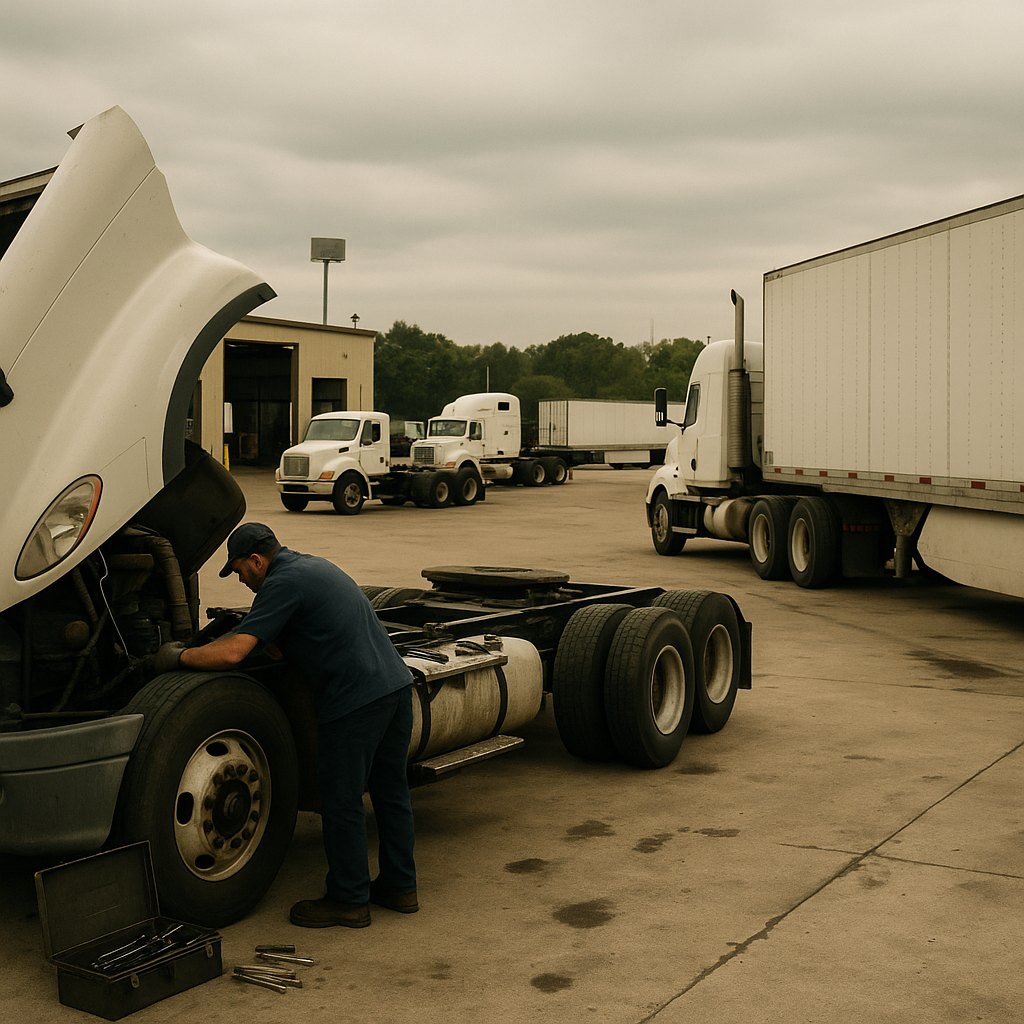

Tow truck how to start usually sounds simpler online than it is in real life. You don’t just buy a truck and wait for calls. You need the right service mix, the right local permits, enough insurance to get approved by dispatch partners, and a truck that matches the jobs you can actually win.
This guide walks through the practical setup steps so you can get dispatch-ready without wasting money on the wrong equipment or the wrong plan.
Step 1 – Decide What Kind of Towing Business You’re Starting#
The first move is to choose your service model before you shop for a truck. A towing company is a business that moves disabled, damaged, or illegally parked vehicles, but not every towing company does the same kind of work. Your best setup depends on local demand, your budget, your skill level, and who will actually send you jobs.
Local towing vs. roadside assistance vs. recovery work#
Local towing usually means short-haul tows for breakdowns, private property calls, dealer moves, or shop deliveries. Roadside assistance means lighter service calls like lockouts, jump starts, tire changes, and fuel delivery. Recovery work means pulling vehicles out of ditches, wreck scenes, or other difficult situations, and it usually takes more experience, more equipment, and more risk tolerance.
If you’re new, don’t assume recovery work is the best place to start just because it sounds higher value. It also demands more training, stronger gear, and often more exposure to damage claims.
How service mix affects equipment and startup cost#
Your service mix is the combination of jobs you plan to take most often. That choice drives the truck type, the gear list, storage needs, and how much cash you need upfront.
A light-duty local towing and roadside model is usually easier to launch than a full recovery setup. It can also get you to first revenue faster if your market has enough apartments, repair shops, used car lots, and stranded-driver demand.
What kind of demand exists in your area#
Before you buy anything, look at who already controls the calls in your market. Check how many motor clubs, body shops, police rotations, apartment complexes, and dealer accounts are active nearby. A truck you can afford isn’t automatically the right truck if there aren’t enough jobs for that service lane.

Step 2 – Confirm the Licenses, Registration, and Insurance Basics#
Tow-truck licensing is usually driven by your city, county, and state, not by one universal national rule. Business registration is the process of legally forming your company, while vehicle registration is how your truck is titled and plated for road use. You may also need towing-specific permits, operator licensing, storage-yard approval, or local police-rotation requirements before you can legally take certain calls.
Business registration and local permits#
Start with the basics: form the business, get your EIN, open a business bank account, and register the truck properly in your operating state. Then verify your local towing rules with the actual agencies where you’ll work, because online summaries are often outdated or too general.
This is where new operators get tripped up. A city permit, impound authorization, or zoning rule can matter more to your launch date than generic advice from a forum.
Tow-truck-specific operating requirements#
Some towing businesses never touch FMCSA authority because they stay local and don’t operate like a for-hire interstate motor carrier. But towing operators still confuse local towing compliance with federal trucking rules all the time. If your operation crosses into broader commercial motor carrier territory, review FMCSA guidance and verify status information through SAFER.
Federal insurance minimums also aren’t one-size-fits-all. Under 49 CFR Part 387, for-hire interstate carriers hauling general freight in vehicles over 10,001 lbs must carry at least $750,000 in public liability, but requirements vary by carrier type, weight, cargo, and whether you operate interstate or intrastate.
Commercial insurance you may need before dispatch#
Commercial auto insurance is insurance for business-use vehicles, and it is different from personal auto coverage. Many dispatch partners, motor clubs, impound lots, and shop accounts want proof of coverage before they send work.
Depending on your operation, that can include auto liability, physical damage, on-hook or cargo-related protection depending on how exposures are handled, and possibly general liability. If you’re not sure what fits your operation,
Step 3 – Choose the Right Truck for Your First Year#
Your first tow truck should match your first-year jobs, not your long-term dream setup. A rollback is a flatbed tow truck that loads vehicles fully onto a sliding bed, while a wheel-lift lifts one end of the vehicle for towing. Most new operators do better with the most versatile truck they can realistically afford and keep running.
Used vs. new truck#
A used truck usually lowers the upfront barrier, but only if the condition is solid and the repair history makes sense. A cheap truck with hydraulic issues or a weak drivetrain can eat your startup budget in the first few months.
A new truck may give you better reliability and financing terms, but the payment can box you in if calls start slower than expected.
Rollback, wheel-lift, or integrated truck#
For many first-year operators, a rollback is the most flexible choice for local towing because it handles a wide range of passenger vehicles and often feels easier on customer vehicles. A wheel-lift can be a practical choice for tighter urban work and lower acquisition cost, but it may not fit every job mix. An integrated unit makes more sense for heavier recovery-oriented work, which usually isn’t the easiest lane for a startup.
What to inspect before you buy#
Inspect hydraulics, frame condition, tires, winch function, rust, PTO operation, lights, and maintenance records. If the seller can’t show a clear service history, price that risk in or walk away.
Step 4 – Build a Startup Budget You Can Actually Fund#
A real tow truck startup budget needs to separate must-have spending from nice-to-have spending. One-time costs are expenses you pay to get launched, while ongoing costs are the bills that keep showing up every month. The goal isn’t to build a perfect spreadsheet. It’s to avoid running out of cash right after you become busy.
Truck purchase or down payment#
Your truck is usually the biggest line item, whether you buy outright or finance it. Then come taxes, title work, registration, possible repairs before first service, and any branding or lighting needed to get operational.
Don’t stop the math at the purchase price. A truck that needs immediate tires, hoses, or hydraulic work is more expensive than it looks.
Winch, chains, dollies, and safety gear#
Tow operators need the working gear to actually complete calls safely and professionally. That can include chains, straps, dollies, skates, jump equipment, lockout tools, warning lights, cones, PPE, and basic roadside-assistance supplies depending on your service mix.
Skipping gear is one of the fastest ways to lose a dispatch relationship. If you say yes to a call but don’t have the right setup, that account may not call again.
Licensing, insurance, fuel, and reserves#
This is where many startups underestimate the real burden. Insurance can be a major gatekeeper, and fuel, maintenance, storage, software, phone service, and payroll if you hire help all hit fast.
Cash reserves matter because a business can look active while still being fragile. You may be taking calls, but if one breakdown or one delayed payment wipes out your operating cash, you’re not stable yet. If your plan still feels fuzzy at this stage,
can help you scope the insurance side before you commit.
Step 5 – Find Funding if You’re Starting With Limited Cash#
Starting with very little money is possible only if you stay realistic about what can be delayed and what can’t. Equipment financing is funding tied to the truck or gear itself, while grants are non-repayable funds that may be available through limited programs but are never guaranteed. Most operators who launch on a tight budget do it by narrowing the model, not by finding magic money.
Equipment financing and used-truck strategies#
Used equipment, smaller initial scope, and a single service lane can lower the barrier. Instead of trying to launch towing, recovery, storage, and full roadside all at once, start with the work your market supports best.
Grants and why they are not guaranteed#
It’s worth checking SBA resources for planning and funding guidance, but don’t build your startup around a grant coming through. Grants can be competitive, narrow, or unavailable for the exact thing you need.
Alternative ways to lower upfront cash needs#
Delay nonessential upgrades, buy proven used gear, lease a yard only when necessary, and avoid overbuilding your branding package before revenue starts. A lean first-year setup usually beats an impressive but cash-starved one.
Step 6 – Set Up for Fast Dispatch and First Revenue#
Fast dispatch comes from readiness, not just ownership. Dispatch is the process of receiving, assigning, and responding to service calls. New towing companies get work fastest when they are reachable, insured, equipped, and easy for partners to trust.
Signing up with roadside networks#
Roadside-assistance networks and motor clubs can help fill early schedule gaps, especially if you’re not landing direct accounts yet. A motor club is an organization that sends service calls to contracted providers for towing and roadside assistance.
Read the requirements carefully before you sign up. Some networks care as much about response standards, documentation, and equipment lists as they do about your rates.
Building local relationships that send work#
Repair shops, tire shops, body shops, apartment managers, dealer accounts, and municipal contacts can all become repeat sources of work. A new operator usually grows faster through a few steady referral sources than through random public calls alone.
What to have ready before the first call#
Have your COI, truck photos, service area, phone setup, payment process, invoice template, and gear list ready. If you sound organized on day one, dispatchers are more likely to test you with real calls.
Step 7 – Avoid the Common Mistakes That Waste Money#
Most early mistakes come from moving too fast in the wrong direction. The expensive ones are usually buying too much truck, underestimating recurring costs, and waiting too long to become fully dispatch-ready.
Buying the wrong truck first#
Don’t buy based on ego or rare jobs you hope to get later. Buy for the calls you can realistically win in the next few months.
Underestimating insurance and maintenance#
Insurance and maintenance are two of the biggest budget surprises. Your actual premium depends on your operation, territory, vehicles, driving history, and other factors.
Waiting too long to become dispatch-ready#
Every delay after purchase burns cash. If the truck is sitting while permits, insurance documents, equipment, or account approvals drag on, your startup clock is running but revenue isn’t.
Step 8 – Use a Quick-Start Checklist to Launch#
A quick-start checklist helps turn research into action. Focus on the steps that actually unlock dispatch readiness: legal setup, truck readiness, insurance, equipment, and work sources.
Business and permit checklist#
- Form the business and get your EIN
- Confirm city, county, and state towing requirements
- Register the truck and secure required permits
- Set up banking, bookkeeping, and invoicing
Truck and equipment checklist#
- Buy the right truck for your service mix
- Inspect hydraulics, frame, tires, and records
- Stock chains, straps, dollies, lights, and safety gear
- Confirm insurance before first dispatch
Dispatch and first-customer checklist#
- Apply with roadside networks and motor clubs
- Contact local shops, dealers, and property managers
- Set service area, phone routing, and payment process
- Make sure you’re ready to take and complete the first call
FAQ#
Can you start a tow truck business with no money?
Starting with no money is extremely difficult because the truck, insurance, permits, and equipment all create upfront costs. What you can do is lower the barrier by financing the truck, buying used equipment, narrowing your service mix, and delaying nonessential upgrades until revenue starts. Many operators begin with light-duty towing or roadside assistance instead of a full recovery setup. That won’t remove the need for cash, but it can reduce how much you need to get moving.
What license do I need to start a towing company?
There usually isn’t one universal answer because towing rules are often local and state driven. You may need business registration, vehicle registration, local towing permits, operator credentials, storage-related approvals, or police-rotation requirements depending on where you work. If your operation also falls into broader interstate commercial carrier rules, federal requirements may apply too. The safest approach is to verify requirements with your city, county, and state agencies instead of relying on generic online lists.
How much does it cost to start a tow truck business?
Startup cost depends on your truck, service mix, market, and how much work the equipment needs before launch. The main categories are truck purchase or down payment, gear and safety equipment, registration and permits, insurance, fuel, maintenance, phone and software tools, and operating reserves. Some operators can start leaner with used equipment and a narrow service lane. Others need more cash upfront because of local permit rules, storage needs, or a heavier-duty truck setup.
Can a tow truck business be profitable?
Yes, it can be profitable, but profitability depends on utilization, service mix, local demand, pricing discipline, and cost control. A truck that stays busy with the right kinds of calls has a much better shot than a truck waiting around for occasional high-ticket jobs. Fuel, repairs, downtime, and insurance can eat margin fast if you underestimate them. The operators who usually do better are the ones who match equipment to demand, build repeat referral sources, and get dispatch-ready quickly.
What is the best tow truck to start with?
The best first truck is the one that fits your local demand and your budget without burying you in repairs or payments. For many new operators, a rollback is the most versatile starting point because it can handle a broad range of light-duty local towing jobs. A wheel-lift may make sense for tighter city work or lower entry cost. The wrong move is buying a larger or more specialized truck before you know what jobs you can actually win consistently.
Are there grants to start a tow truck business?
Grants may exist in some cases, but they are not dependable enough to build your startup plan around. They can be narrow, competitive, location-specific, or aimed at purposes other than buying a tow truck. It’s fine to research them, especially through public and small-business resources, but most successful startups don’t wait on grant money to begin. A more realistic plan uses financing, used equipment, phased spending, and a lean initial service model.
How do new towing companies get business fast?
New towing companies usually get business fastest by combining readiness with relationship building. That means having insurance, equipment, service area details, billing setup, and response procedures ready before you start outreach. Then focus on roadside networks, motor clubs, repair shops, body shops, apartments, dealers, and local referral sources that can send repeat work. Owning the truck isn’t enough by itself. Dispatchers and partners want to know you’ll answer, show up, and complete the call professionally.
Should I start with towing, roadside assistance, or recovery work?
Start with the lane that best matches your market, budget, and experience. Local towing and roadside assistance are often easier entry points because they need less specialized equipment than recovery work and can produce calls faster. Recovery can be attractive, but it usually brings more complexity, more risk, and a higher equipment burden. If you’re unsure, study which jobs are actually available in your area first. The right answer is the service mix that gets you dispatched consistently without overbuilding your startup.





