
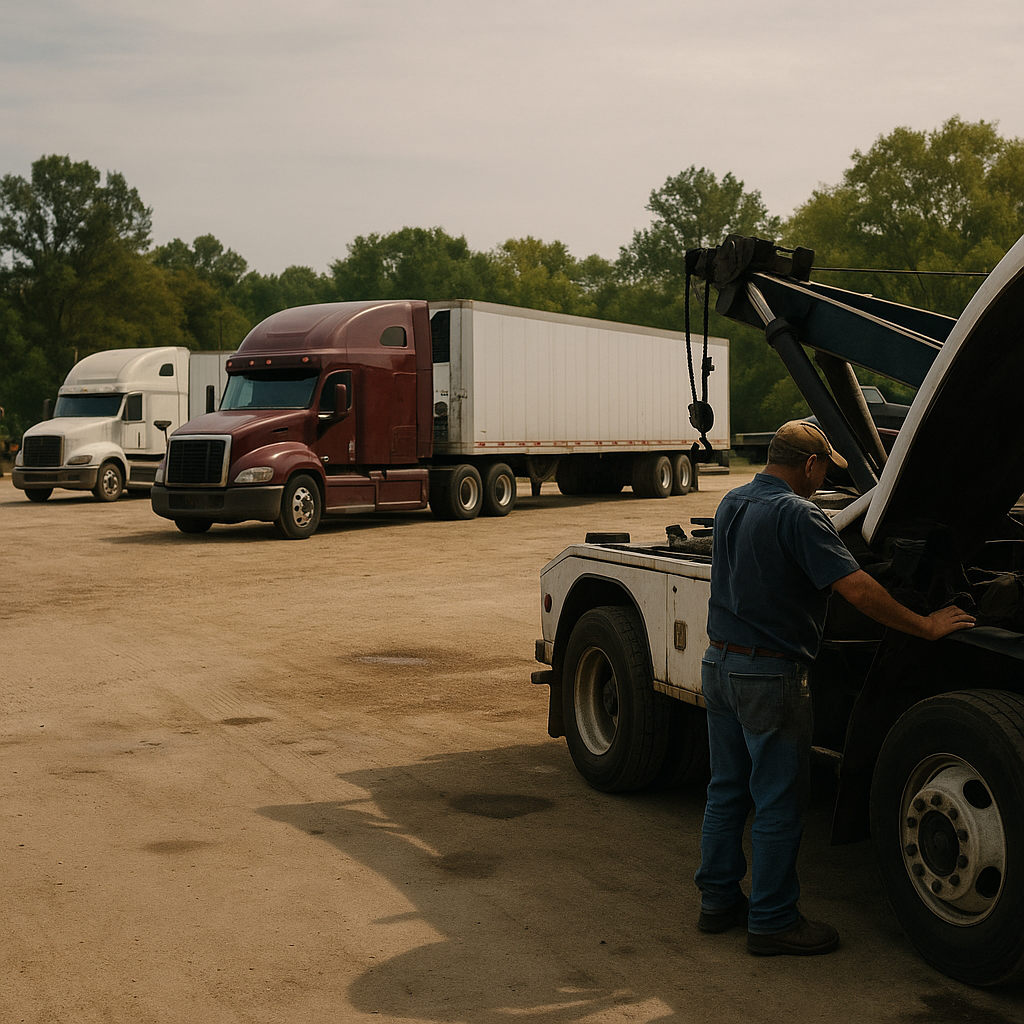
Tow truck insurance Louisiana operators buy should match the truck, the towing work, and the real risk of handling other people’s vehicles. The hard part isn’t just getting a quote fast. It’s making sure the policy actually fits your tow setup, Louisiana rules, and any federal requirements that may apply.
What Tow Truck Insurance Covers in Louisiana#
Tow truck insurance in Louisiana is commercial insurance built around the truck, the towing job, and the risk created when you hook, carry, recover, or transport someone else’s vehicle. A solid policy usually combines business protection, truck protection, and liability protection instead of using a generic commercial auto form alone.
Tow truck insurance isn’t one single coverage. It’s a package that needs to reflect how the truck is actually used on the road and at the scene.
Core coverages for tow operations#
Commercial auto liability pays for bodily injury and property damage you cause to others while operating the truck. It’s the foundation of a tow truck policy because your truck is working in traffic, on shoulders, and around disabled vehicles.
Physical damage covers damage to your truck from collision and other covered causes like theft, fire, or weather, depending on the policy structure. This protects the truck itself, not the other vehicle you’re towing.
Motor truck cargo covers property you’re hauling for others, but it isn’t a catch-all for every towing situation. For tow operations, carriers often look closely at how customer vehicles are handled and whether separate tow-specific protection applies.
General liability covers business-related third-party claims that don’t come from operating the truck itself, such as certain premises or operations claims. The Louisiana Department of Insurance is a useful state source when you’re reviewing how commercial policies are regulated and explained.
Optional coverages that may matter#
Some tow operators also need coverage for customer vehicles, equipment, or recovery-related exposure. That’s where quotes can go wrong.
A policy can look complete on page one and still leave out the part that matters most when a customer’s car is hooked, winched, stored, or moved after an incident. If you’re not sure whether the quote matches your actual tow work, [](https://www.logrock.com/?utm_source=BLOG&utm_campaign=tow-truck-insurance-louisiana).
How tow setup changes what you need#
What you need changes with the operation. A light-duty wrecker doing roadside calls has different exposure than a rollback moving vehicles between lots. A heavy-duty recovery setup has different risk than a mixed operation handling repos, breakdowns, and accident scenes.
That’s why some coverages protect the business, some protect the truck, some protect property in transit, and some may be aimed at customer-vehicle exposure. The right package depends on your real operation model, not just the fact that the truck is commercial.

Louisiana Towing Laws vs. Insurance Requirements#
Louisiana towing rules and insurance requirements are not the same thing. State and local towing laws may control how you operate, license, store, or release vehicles, while insurance rules deal with what protection your business must carry or should carry based on how the operation is classified.
A lot of tow operators get tripped up here. They assume meeting one set of rules means they’re covered everywhere else. It doesn’t work that way.
State towing rules and local licensing#
Louisiana can have state-level rules, and cities or parishes may also impose local requirements tied to towing permits, storage lots, police rotation lists, or release procedures. Those operational rules matter, but they don’t automatically tell you what insurance structure fits your business.
On top of that, dispatch companies, motor clubs, auctions, storage yards, and private contracts may require limits or coverages above any legal minimum. If a contract says you need something specific, the legal minimum alone may not be enough.
Federal trucking rules that may also apply#
Federal rules may apply if your towing business crosses state lines or otherwise falls under federal motor carrier regulation. FMCSA is the Federal Motor Carrier Safety Administration, the agency that oversees many interstate commercial vehicle rules.
A USDOT number is the identification number used to track a commercial carrier’s safety record and regulatory status. An MC number is motor carrier operating authority used for certain for-hire interstate operations.
Under 49 CFR Part 387, FMCSA financial responsibility minimums vary by carrier type, vehicle weight, and commodity. For example, for-hire interstate carriers hauling general freight in vehicles over 10,001 pounds must carry at least $750,000 in public liability, while other operations can fall under different thresholds. You can review federal carrier rules through FMCSA.
Insurance requirements vs. legal minimums#
Meeting a minimum doesn’t mean the policy is built correctly. A tow operator can be technically legal and still have the wrong classification, missing customer-vehicle protection, or exclusions that create a bad surprise during a claim.
That matters because towing isn’t just trucking. You’re working roadside, handling disabled vehicles, and often taking calls at night or after accidents. The safest move is to verify both the regulatory side and the contract side before you bind coverage.
How Much Tow Truck Insurance Costs in Louisiana#
Tow truck insurance cost in Louisiana depends on the truck, the towing work, the drivers, the territory, and the coverages selected. There isn’t one blanket rate for tow operators because a light-duty rollback parked at one garaging address is a different risk than a heavy recovery unit handling nighttime incident calls across a wide radius.
Your actual premium depends on your operation, cargo, radius, driving history, and other factors. For tow businesses, underwriters usually focus even more heavily on how the truck is used.
Main pricing factors#
The biggest factors usually include vehicle value, year, make, model, garaging address, driver records, operating radius, claims history, and whether the business handles light-duty, heavy-duty, roadside, recovery, or mixed towing. A garaging address is the main location where the truck is normally parked when it’s not working.
Deductibles and chosen coverages also matter. A quote with narrower protection can look cheaper upfront because less risk is being insured.
Why tow risk changes pricing#
Tow operations often price differently than standard trucking because the work creates extra exposure. You’re not just moving your own truck down the road. You’re loading disabled vehicles, operating near traffic, responding in bad weather, and sometimes working under pressure at crash scenes or after hours.
Those details affect how insurers see the operation. Two trucks that look similar on paper can rate very differently if one mainly transports vehicles lot-to-lot and the other handles roadside recovery.
How to get a quote fast without missing details#
The fastest quotes usually come from complete information, not rushed information. If the first application leaves out the tow setup, equipment type, recovery work, or driver history, the policy may later be reworked, restricted, or repriced.
That can cause a headache when you need proof of insurance quickly for a contract, yard, or authority filing. The better move is to compare what the quote actually includes, then [](https://www.logrock.com/?utm_source=BLOG&utm_campaign=tow-truck-insurance-louisiana).
How to Compare Tow Truck Policy Options#
The right way to compare tow truck insurance is by policy structure, exclusions, and fit for the operation, not just by the first premium number. A lower quote can be the wrong quote if it classifies the business incorrectly or leaves out the part of the risk that actually causes claims.
This is where a lot of owner-operators get burned. The paperwork says "commercial auto," but the real question is whether it covers your actual towing work.
Questions to ask before you buy#
Start with the basics. Does the policy fit light-duty towing, rollback transport, heavy-duty recovery, or mixed service? Does it reflect roadside work, recovery exposure, and customer-vehicle handling?
Ask how deductibles apply, whether all intended drivers are acceptable, and what happens during a claim if the truck is towing or winching a disabled vehicle. You also want clarity on any coverage sublimits that affect the work you actually do.
Coverage gaps and hidden exclusions#
Exclusions are the fine-print situations the policy does not cover. That’s often where the cheapest-looking quote turns into the most expensive mistake.
Common trouble spots include missing protection for customer vehicles, narrow definitions of covered towing operations, driver restrictions, and claim scenarios that change depending on whether the truck is driving, loading, or actively recovering a vehicle. If your operation does more than simple transport, make sure the quote says so in substance, not just in conversation.
How to avoid a mismatched policy#
A mismatched policy is one that insures a different business than the one you really run. That usually happens when the insurer or broker gets incomplete details, uses a broad generic class, or assumes all tow operations are basically the same.
The best policy isn’t the one with the lowest starting number. It’s the one that matches the way the business actually works, on the road, at the scene, and while handling someone else’s vehicle.
Ways to Lower Tow Truck Insurance Cost Without Cutting Protection#
You can lower tow truck insurance cost by reducing avoidable risk and tightening up the information on your application. The goal isn’t stripping out essential protection. It’s making the operation easier for underwriting to understand and less likely to produce preventable claims.
That usually means better records, cleaner operations, and smarter policy design. Cheap-looking coverage that misses a major exposure can cost more later.
Operational choices that affect risk#
Safer operating habits matter. So does being clear about where the truck runs, what kind of calls it handles, and whether it does standard towing, recovery, or both.
Night work, high-traffic roadside exposure, and wider operating radius can all change how the risk is viewed. If your business has documented procedures for scene safety, loading, and driver screening, that helps tell a more accurate story.
Driver and vehicle documentation#
Current driver information, maintenance records, and equipment details can help avoid underwriting guesswork. A VIN is the vehicle identification number used to verify the exact truck and equipment being insured.
Good documentation also helps avoid mid-policy changes. If the insurer learns later that the truck, setup, or use was different than first described, the policy may need to be restructured.
Policy design choices to review#
You can also look at deductibles, coverage combinations, and whether every listed protection is actually needed for your operation. But be careful with trimming.
Cost control should come from right-sizing the policy, not gutting the part that protects the truck, the business, or customer-vehicle exposure. Bundling can help in some cases, but only if it doesn’t strip out towing-specific protections you actually need.
What Information You Need for a Tow Truck Quote#
A good tow truck insurance quote starts with accurate truck, business, and driver details. The more complete the information is upfront, the faster the quote usually moves and the less likely it is to change after binding.
This is especially important for tow operators because the same truck can be rated differently based on use, radius, and recovery exposure. One missing detail can change the whole picture.
Truck and equipment details#
Insurers usually ask for the VIN, year, make, model, body type, and towing setup. They may also ask whether the truck is a wrecker, rollback, or another recovery configuration, plus any added equipment that changes value or use.
Business and driver details#
Expect questions about business name, years in operation, garaging location, prior insurance, and driver history. If the business has a federal footprint, it’s smart to confirm how it appears in SAFER, the FMCSA system used to check carrier status and related details.
Operating details insurers ask for#
You’ll usually need to explain the kind of towing performed, operating radius, where the truck is parked, whether you cross state lines, and how much recovery work versus straight transport you do. Gather those details before asking for quotes so you’re comparing real options instead of rough guesses.
Get a Louisiana Tow Truck Insurance Quote#
If you run a tow truck in Louisiana, start by defining the real operation: light-duty, rollback, heavy-duty, recovery, or mixed service. Then verify which coverages are truly needed, gather your truck and driver details, and compare policy fit before you look at price alone.
A fast quote should still show the important parts of the policy clearly. If you’re not sure what coverage fits your operation, LogRock can help you scope it.
FAQ#
What type of insurance do I need for a tow truck?
Most tow truck operators need a commercial policy built around the truck and the towing work, not a basic business auto form alone. That often includes commercial auto liability, physical damage for the truck itself, and general liability for certain business risks. Depending on the operation, you may also need protection tied to customer-vehicle handling, recovery exposure, or transported property. The exact mix depends on whether you run a wrecker, rollback, heavy-duty recovery unit, or a mixed towing setup. The key is matching coverage to what the truck actually does every day.
How much does it cost to insure a tow truck?
Tow truck insurance cost depends on the truck, the drivers, the garaging location, the operating radius, and the type of towing performed. Insurers also look closely at claims history, vehicle value, recovery exposure, and whether the operation handles light-duty roadside work, heavier recovery, or mixed service. A quote can change a lot based on coverage structure and deductibles. That’s why two tow businesses in Louisiana can see very different pricing even with similar trucks. Your actual premium depends on your operation, cargo, radius, driving history, and other factors.
What are the towing laws in Louisiana?
Louisiana towing laws generally deal with how towing businesses operate, including state or local rules that may affect licensing, storage, release procedures, or towing practices. Those rules are separate from insurance structure and separate again from federal trucking rules that may apply if the operation crosses state lines or falls under FMCSA oversight. Some tow operators also have contract requirements from police rotations, motor clubs, lots, or dispatch partners. The main thing to remember is that Louisiana towing compliance does not automatically tell you whether your insurance policy is correctly built for your actual exposure.
What is the cheapest full coverage insurance in Louisiana?
There isn’t one universal cheapest full coverage option for tow trucks in Louisiana, and chasing the lowest starting premium can backfire. "Full coverage" can mean very different things depending on the insurer and the tow operation. One policy may include truck damage but leave out the exposure that matters most when you’re handling a customer’s vehicle or doing recovery work. The better comparison is policy fit: what it covers, what it excludes, how deductibles apply, and whether the business classification matches your real operation. A cheaper quote is only useful if it protects the work you actually do.
Do Louisiana tow truck operators need federal insurance filings?
Some do, and some don’t. It depends on whether the operation is intrastate or interstate, whether it is for-hire, what vehicles are used, and how the business is classified under federal rules. If your tow operation has a USDOT number, MC authority, or crosses state lines, federal financial responsibility rules may come into play under 49 CFR Part 387. But not every Louisiana tow business has the same federal requirement. The safe approach is to check both your state and local towing obligations and any federal motor carrier status before you assume a minimum or filing applies.





