
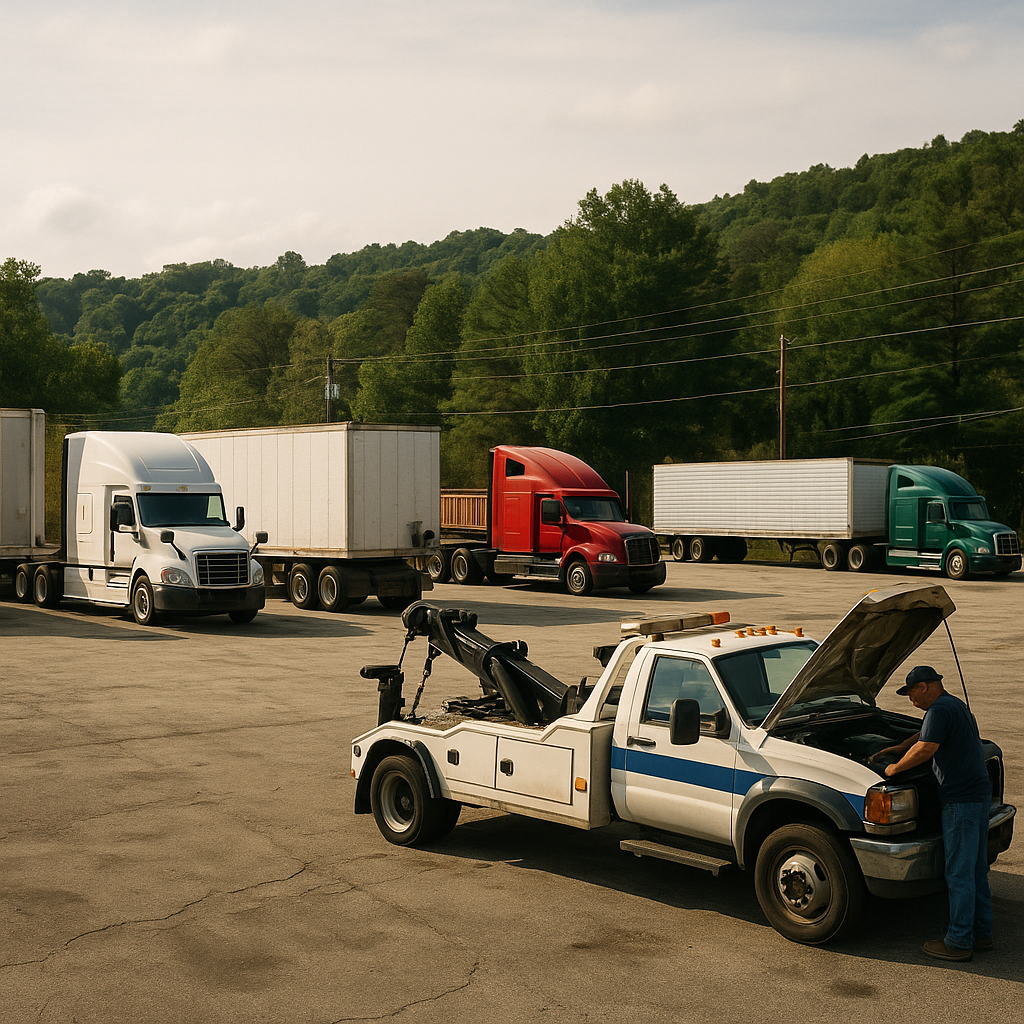

If you’re shopping for tow truck insurance North Carolina, the biggest mistake is treating a wrecker like a regular pickup. A tow truck used for paid towing needs commercial coverage built for liability, vehicle damage, and the cars you hook, move, or store. This guide breaks down what matters, what changes under North Carolina rules, and where operators usually leave gaps.
Tow Truck Insurance in North Carolina: What It Is and Who Needs It#
Tow truck insurance in North Carolina is commercial insurance for paid towing operations, not a personal auto policy for everyday driving. It usually applies to owner-operators, towing companies, roadside assistance businesses, and yards that take custody of customer vehicles as part of towing work.
A tow truck is a commercial vehicle because it’s used to earn money by moving disabled, wrecked, repossessed, or improperly parked vehicles. That matters because personal auto insurance usually isn’t built to cover paid towing exposure. The North Carolina Department of Insurance regulates insurance in the state and is a good starting point when reviewing policy terms and shopping standards through North Carolina Department of Insurance.
Tow trucks are commercial vehicles, not personal cars#
If you own a pickup and occasionally haul your own trailer for personal use, that’s one risk. If that same vehicle is set up and used to tow customer cars for a fee, that’s a different risk entirely.
That’s why commercial auto insurance matters here. The policy has to match the actual business use, the truck setup, and the kind of towing you do.
Common towing business setups in North Carolina#
Some operators run one light-duty wrecker and handle local breakdowns. Others use rollbacks for dealer moves, accident recovery, or repossessions. Some businesses also store vehicles in a fenced yard, which adds another layer of exposure after the tow is over.
When a tow truck needs commercial coverage#
If you’re getting paid to tow, recover, transport, or hold someone else’s vehicle, you should expect to need commercial coverage. That includes roadside assistance operators who winch vehicles out, tow to repair shops, or transport disabled cars after a collision.
A simple example: a personal pickup helping a friend move a project car is not the same as a rollback hauling customer vehicles every day. The second setup needs business insurance that reflects paid towing operations.
North Carolina Tow Truck Insurance Requirements: State Rules vs. Federal Rules#
North Carolina tow truck insurance requirements depend on whether your operation stays local under state rules or crosses into FMCSA-regulated activity. State registration, licensing, and insurance expectations often control local towing, while federal financial responsibility rules apply only in certain interstate commercial situations.
A lot of confusion starts when operators mix up state minimums with federal motor carrier rules. North Carolina may govern your business setup, but if your tow truck operates as a for-hire interstate commercial motor vehicle, federal rules can also apply. Requirements vary by carrier type, vehicle weight, cargo, and whether you operate interstate or intrastate.
State insurance rules and business licensing#
A local light-duty wrecker that handles accident calls and shop-to-shop tows inside North Carolina may mainly deal with state registration, local business rules, and the insurance standards needed to operate legally and contract with motor clubs, cities, or repair shops.
But that doesn’t mean "basic" coverage is enough. A local operation can still need broader protection because the exposure comes from towing customer vehicles, using specialty equipment, and sometimes storing cars overnight.
When federal trucking rules matter#
The FMCSA regulates certain commercial motor carrier activity, especially interstate operations. If your tow truck crosses state lines or performs work that brings it under federal motor carrier rules, check your status through SAFER and review FMCSA guidance at FMCSA.
Under 49 CFR Part 387, for-hire interstate carriers hauling general freight in vehicles over 10,001 lbs must carry at least $750,000 in public liability. That rule is often repeated too broadly. It does not mean every tow operator in North Carolina automatically needs that same limit.
A heavier unit towing commercial tractors across state lines can face a very different insurance setup than a local wrecker that never leaves the state. The right place to start is the operation itself, then the authority and weight class.
If you’re unsure whether your setup calls for different auto liability coverage, compare your truck use, radius, and interstate activity before you bind anything.
Why tow truck setup changes the required coverage#
A light-duty tow truck doing short local runs may focus on state compliance plus towing-specific options like on-hook and yard protection. A heavier rollback or integrated unit doing interstate commercial recovery may need more formal proof of insurance, broader limits, and a policy structure that matches FMCSA-regulated activity.
That’s why there isn’t one universal answer for "what’s required." The answer changes with truck weight, business authority, where you operate, and what exactly you tow.
Core Coverages for Tow Trucks and Towing Businesses#
Most tow operators in North Carolina need more than one type of coverage because a towing loss can damage your truck, injure someone else, or damage a customer’s vehicle while it’s hooked, transported, or stored. The core coverages usually work together, not as stand-alone pieces.
Liability and physical damage#
Auto liability pays for injuries or property damage you cause to others while operating the tow truck. This is the backbone of a commercial towing policy because a bad crash can create serious third-party claims fast.
Physical damage covers damage to your own truck, usually through collision and comprehensive options. Collision pays for crash damage to your truck. Comprehensive covers things like theft, vandalism, fire, or weather losses. If a rollback backs into a pole and crushes its body or wheel-lift assembly, that’s a very different claim than damage you cause to someone else on the road.
If you want a closer breakdown of physical damage coverage, make sure the deductible and truck value shown on each quote are the same before comparing price.
On-hook towing and garagekeepers exposure#
On-hook towing covers a customer’s vehicle while it’s attached to or being transported by your tow truck. This is one of the biggest towing-specific exposures. If a wrecked sedan slips, shifts, or suffers additional damage while hooked to your wrecker, on-hook is the coverage many operators expect to respond.
Garagekeepers legal liability covers damage to customer vehicles left in your care, custody, or control at your premises, such as a storage yard or secured lot. If a recovered vehicle is damaged after hours in your fenced yard, that claim usually falls outside simple road-use coverage. That’s where garagekeepers coverage becomes important.
Some operators confuse towing exposure with motor truck cargo insurance. Cargo insurance is usually meant for freight being hauled, not for the normal care and transport of customer vehicles on a tow truck.
Medical, uninsured motorist, and roadside GL#
Medical payments helps with certain medical expenses after an accident, regardless of fault, depending on the policy terms. It can help with immediate injury costs for occupants.
UM/UIM means uninsured/underinsured motorist coverage. It helps if someone hits your truck and doesn’t have enough insurance to pay the full loss.
Roadside general liability is broader business liability for non-driving exposures tied to your operation, like a claim that someone was hurt at your yard or during a service interaction away from the truck’s normal auto use. This matters because not every towing claim starts with a highway crash.
How Much Tow Truck Insurance Costs in North Carolina#
Tow truck insurance in North Carolina can vary widely because the premium depends on your truck, drivers, services, territory, and coverage choices. A light-duty local operator can rate very differently from a recovery business with heavier units, storage exposure, and more drivers.

Why premiums vary so much#
Insurers look at the value of the truck, how often it tows, what kinds of vehicles it handles, where it’s parked, and how far it travels. They also look hard at driver history, prior losses, and whether the operation includes repossession, accident recovery, or storage.
A clean one-truck operation doing local roadside assistance may present a different profile than a rollback doing frequent commercial tows in heavy traffic corridors. Even if both businesses are in North Carolina, the risk isn’t the same.
Example cost drivers by truck and operation#
A light-duty wrecker used for battery jumps, lockouts, and short breakdown tows may need a different structure than a unit that regularly recovers wrecked vehicles from highways. A truck with higher stated value also pushes the premium differently than an older paid-off truck because the insurer may have more at risk on physical damage.
A business with a storage yard usually adds exposure beyond the tow itself. More vehicles in your care can mean more pressure on garagekeepers and premises-related protection.
How to think about monthly budgeting#
Don’t judge a quote by monthly payment alone. A cheaper quote may leave out on-hook coverage, raise deductibles sharply, or limit the business uses that actually make you money.
A better approach is to line up the same liability limits, the same deductibles, and the same towing-related coverages across each quote. Then compare payment options and total out-of-pocket risk after a loss.
How to Get the Right Tow Truck Insurance Quote#
The right tow truck insurance quote starts with accurate business details and an apples-to-apples comparison. If the truck use, radius, drivers, or optional towing coverages differ between quotes, the cheapest-looking number may simply reflect less protection.
What information to gather before shopping#
Have your vehicle VINs, garaging address, driver information, and loss history ready. You should also know your towing radius, estimated revenue, truck type, and exactly what services you perform.
If your operation has federal status, be ready with your USDOT number, MC number if applicable, and current authority details. If you do storage, say so up front. If you do repossessions, dealer transport, or heavy recovery, say that too.
How to compare quotes apples-to-apples#
Match liability limits, deductibles, truck values, and towing-specific coverages before judging the price. One quote may look lower simply because it excludes on-hook or reduces protection for stored vehicles.
The NAIC offers practical insurance shopping guidance through NAIC. That’s especially useful when reviewing forms, limits, exclusions, and binder details before you buy.
If you want a faster checklist for a commercial truck insurance quote, build your submission around what the truck actually does every week, not just the broad class listed on registration.
Common gaps to check before binding#
Watch for three common mistakes:
- Assuming a personal auto policy will cover paid towing work.
- Confusing cargo coverage with on-hook or garagekeepers exposure.
- Buying a lower-priced quote that quietly excludes the services you actually perform.
For a busy owner-operator, the path is simple: gather your business facts, confirm your operating scope, compare the same coverages, review exclusions, then bind once the policy matches the real job.
How Tow Operators Can Pay Less Without Underinsuring the Business#
Tow operators can control insurance cost by reducing avoidable risk and choosing coverage carefully, not by stripping out the protections most likely to matter after a loss. The goal is a policy that fits the operation without paying for the wrong things.
Clean driver records help. So do accurate garaging information, documented maintenance, and consistent towing procedures. If underwriters see a business that knows where trucks are parked, who drives them, and how vehicles are handled, that can improve insurability.
Higher deductibles can reduce premium, but only if you can comfortably absorb the out-of-pocket hit after a claim. Tailoring coverage also matters. A one-truck roadside operation may not need the exact same structure as a yard-based business with stored vehicles.
Review your truck insurance cost factors any time you add a truck, expand your operating radius, hire another driver, or start storing more vehicles overnight. Those changes can make an old policy a poor fit.
Tow Truck Insurance for Different North Carolina Business Types#
Tow truck insurance in North Carolina should match the business model because a one-truck owner-operator, a small fleet, and a tow-and-storage business do not carry the same exposure. The policy structure should follow the work, not just the truck count.
Owner-operators and one-truck businesses#
A single-truck operator often needs a clean, practical setup: liability, truck damage protection, and towing-specific coverage that matches local service calls. If the truck is financed, physical damage is usually a major concern because one serious loss can stop the business cold.
Some operators ask about bobtail insurance, but bobtail is generally for non-business use of a truck without a trailer and doesn’t replace towing coverage for paid operations.
Small fleets and dispatch-heavy operations#
A two- to five-truck fleet has more moving parts. More drivers, more schedules, and more service calls can create more chances for claims, especially if different trucks handle different jobs like accident recovery, dealer moves, or roadside service.
Tow-and-storage businesses with yard exposure#
A business that tows and stores vehicles usually needs stronger yard-related protection than a pure roadside operation. If you hold customer vehicles overnight or for several days, the exposure continues after the truck leaves the road.
That’s why the same policy structure rarely fits every towing business in North Carolina.
Tow Truck Insurance FAQ#
What kind of insurance do I need for a tow truck?#
Most tow trucks need commercial coverage built around paid towing, not personal auto insurance. The usual mix includes auto liability, physical damage for your truck, on-hook towing for customer vehicles while attached to your truck, and often garagekeepers legal liability if you store vehicles. Many operators also consider medical payments and UM/UIM. The right setup depends on whether you do local roadside calls, accident recovery, repossessions, dealer transport, or yard storage. A one-truck local wrecker may need a simpler package than a tow-and-storage operation.
How much does it cost to insure a tow truck?#
Tow truck insurance cost varies based on truck value, driver history, service type, operating territory, towing radius, coverage limits, deductibles, and optional protections like on-hook or garagekeepers. A local light-duty operator may rate differently than a rollback doing frequent commercial tows or a business storing vehicles overnight. The useful way to compare cost is to line up the same limits, deductibles, and coverages across each quote. Your actual premium depends on your operation, cargo, radius, driving history, and other factors.
What do you need to be a tow truck driver in NC?#
In North Carolina, a tow truck driver generally needs the proper license for the truck and the way it’s used, plus a business setup that matches state and any federal requirements. The exact license class can depend on vehicle size and operation. If the business crosses state lines or falls under FMCSA rules, federal requirements may also apply. It’s smart to confirm the truck’s classification, registration, and operating scope before you start work. A local light-duty wrecker and a heavier interstate unit may not face the same requirements.
Does a personal auto policy cover a tow truck used for business?#
Usually no. Personal auto insurance is generally written for everyday personal driving, not paid towing, roadside service, or moving customer vehicles for a fee. If you hook, transport, recover, or store vehicles as part of a business, the insurer will expect commercial coverage that reflects that exposure. A common problem is assuming a truck that’s also driven home can stay on a personal policy. Once the vehicle is used in towing operations for pay, that assumption can leave a serious gap after a claim.
Do I need on-hook and garagekeepers coverage?#
Not every operator needs both, but many towing businesses should consider them carefully. On-hook covers a customer’s vehicle while it’s attached to or being transported by your tow truck. Garagekeepers legal liability applies when a customer’s vehicle is in your care, custody, or control at your premises, like a storage yard. If you only do roadside work and never store cars, your need for garagekeepers may be different from a tow-and-storage business. If you transport and hold customer vehicles, skipping either coverage can create a costly gap.





