
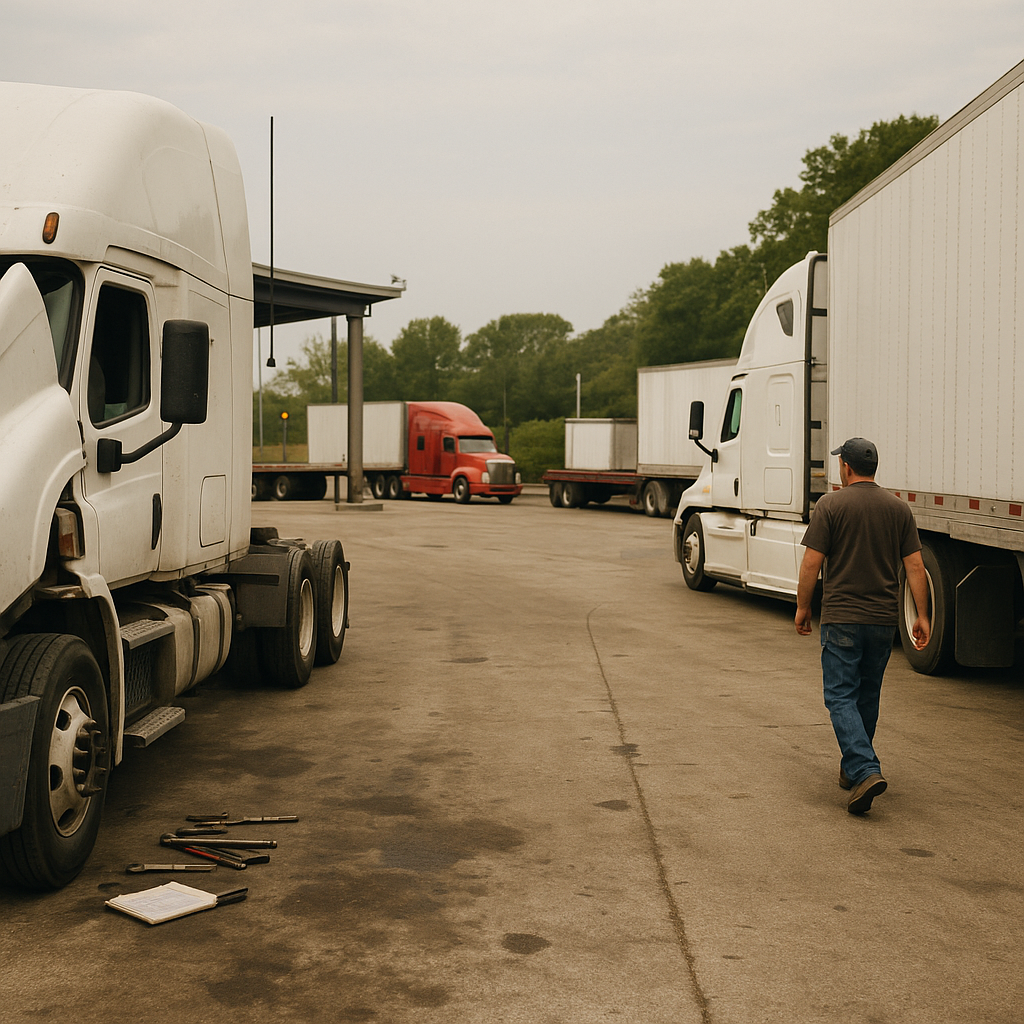

A truck collision insurance claim is not the same thing as a liability claim, a cargo claim, or an FMCSA compliance issue. If your tractor gets hit, hits something, or ends up with impact damage, the real question is which part of your policy applies, what your deductible is, and whether filing helps or hurts your business. This guide breaks down how a truck collision insurance claim works for owner-operators and small fleets.
What a Truck Collision Insurance Claim Is#
A truck collision insurance claim is a first-party claim you file under your own policy for damage to your insured truck caused by a crash or impact event. It usually falls under physical damage coverage, not liability or cargo coverage, and the outcome depends on your policy language, deductible, truck setup, and the facts of the loss.
Collision coverage is the part of physical damage coverage that may pay to repair or settle damage to your truck after it hits another vehicle or object. Physical damage coverage is insurance for damage to your own equipment, typically including collision and comprehensive or fire-and-theft options. The NAIC provides plain-language insurance definitions that line up with how most carriers describe deductibles, claims, and coverage terms.
Collision vs. liability vs. cargo coverage#
Liability coverage pays for injury or property damage you cause to other people, subject to the policy terms and limits. It does not repair your truck. Motor truck cargo coverage protects freight you haul for others, not the tractor itself.
That distinction matters right away after a wreck. Your bent hood, damaged bumper, or crushed sleeper may point to collision coverage. A damaged load points to cargo. Damage you caused to another driver or their vehicle points to liability.
When a claim starts#
A claim usually starts when the insurer or claims department gets notice of the loss. That can happen by phone, app, portal, email, or through your broker, but the important part is prompt notice and accurate facts.
For trucking, that first report often sets the tone for the whole file. If the truck is disabled, earning power stops. That means deductible, repair speed, and whether the unit is repairable become business issues, not just insurance issues.
Why trucking claims are different from personal auto claims#
A commercial truck is income-producing equipment. That changes how owners look at a truck collision insurance claim, because even a moderate repair can mean missed loads, storage bills, tow charges, rescheduling, and customer problems.
Trucking claims also tend to involve more records than a personal auto claim. The carrier may ask for dispatch details, photos, inspection records, maintenance history, and electronic data. Who caused the crash still matters, but so does how fast you can document the loss and get rolling again.
What Collision Coverage May Pay For#
Collision coverage generally pays for damage to your truck caused by a collision with another vehicle or object, subject to the policy, deductible, endorsements, and exclusions. It may apply whether you hit another vehicle, back into an obstacle, or roll into fixed property, but the exact payment depends on how your coverage is written.
Repairable damage#
If the truck is economically repairable, collision coverage may pay for covered repair costs after your deductible. That usually means impact-related damage to the insured unit, not every problem found during teardown.
A body shop may find pre-existing wear, old damage, or unrelated maintenance issues once repairs begin. Those items can slow the claim or create disputes if they are not tied to the collision event. The accident report helps document the event, but it does not decide coverage by itself.
Total loss situations#
A total loss means the insurer determines the truck is not economically practical to repair based on valuation and repair estimates. In that case, the conversation shifts from repair bills to vehicle value, salvage, and what the policy says about settlement.
Actual cash value is the truck’s value at the time of the loss after accounting for age, condition, mileage, and market factors. If the numbers point to a total loss, expect questions about condition, prior damage, upgrades, and comparable units.
Towing and related expenses#
Towing, recovery, storage, and similar charges may or may not be handled the same way as the truck damage itself. Some policies address them clearly. Others handle them under separate terms, limits, or endorsements.
That is why two operators can have the same crash and very different claim outcomes. One policy may respond broadly to post-crash handling costs, while another may be tighter. Read the declarations, coverage form, and endorsements together.
What coverage wording controls#
The policy controls the claim, not roadside opinions. Endorsements, exclusions, valuation language, deductibles, and scheduled unit information decide what the insurer owes.
That is especially important when a truck has custom equipment, financed value concerns, or mixed damage causes. If the impact caused some damage but a mechanical issue made the loss worse, the adjuster will separate what is collision-related from what is not.
What Collision Coverage Does Not Cover#
Collision coverage does not cover every loss involving a truck. It generally does not pay for routine wear, unrelated mechanical breakdown, cargo loss, damage you owe to others, or non-collision events that belong under a different part of the policy.
Mechanical failure and wear#
Normal wear and tear is gradual deterioration from use over time. Mechanical failure is a breakdown of parts or systems that happens without a covered collision causing it.
If your engine fails, brakes wear out, or suspension components give out from age or poor maintenance, collision coverage usually is not the answer unless the crash directly caused that damage. Claims often get messy when a wreck and a pre-existing mechanical issue show up together.
Cargo damage#
Cargo damage belongs under motor truck cargo coverage if that coverage applies to your operation. Collision coverage is for damage to the truck itself, not the freight in the trailer.
That catches a lot of newer owner-operators off guard. A hard impact can damage both the tractor and the load, but those are still different claims under different coverage parts.
Liability to others#
If you injure someone else or damage their vehicle or property, that normally falls under liability coverage, not collision coverage. Collision coverage repairs your own insured truck after an impact, subject to your deductible and policy terms.
This is where personal-auto advice often muddies the water. In commercial trucking, one crash can trigger multiple claim tracks at once: your truck damage, the other party’s damages, maybe cargo, maybe trailer issues, and possibly injury claims.
Non-collision losses#
Fire, theft, vandalism, weather damage, and similar non-collision events are usually handled under comprehensive or other physical damage wording, not collision. If the damage did not come from impact, do not assume the collision section applies.
That matters when the truck is damaged after the crash, while stored, or during recovery. The timeline and cause of damage can change which coverage part responds.
What to Do Immediately After a Truck Crash#
Right after a crash, handle safety first, then protect the claim. Move in a clear order: check injuries, secure the scene if you can do so safely, call emergency services when needed, document everything, and notify the right people quickly so the file does not start with gaps.
Protect people and the scene#
Get to a safe position if possible and follow law enforcement instructions. If anyone is hurt, call for medical help right away. Do not argue fault on the roadside, and do not guess about speed, damage amount, or who caused what.
If the truck can stay where it is safely for documentation, preserve the scene until photos are taken and officers gather what they need. If it must be moved, document before and after if you can.
Collect claim evidence#
Evidence decides a lot of claim fights before they become claim fights. Take wide and close photos of all vehicles, VIN or unit numbers when visible, skid marks, debris, road signs, lane markings, weather, cargo securement if relevant, and every area of visible damage.
Get the other driver’s information, witness names, badge numbers, report number, tow company details, and exact location. Save dash cam footage if you have it. If you run an ELD, or electronic logging device, keep the relevant records because timing and vehicle movement can matter later.
Notify the right parties#
Prompt notice matters because late reporting can complicate inspection, fact review, and coverage analysis. Report the loss to your insurer or claims contact as soon as practical, and notify dispatch, the motor carrier, or other required business contacts based on your setup.
If you are not sure which coverage applies, say that clearly instead of guessing. A rushed wrong description can create confusion that takes days to unwind.
Preserve trucking records#
Save dispatch notes, bills of lading if relevant, ELD records, pre-trip and post-trip inspection notes, maintenance logs tied to the damaged area, and any shop communication. Commercial claims often turn on organized paperwork more than drivers expect.
If the truck goes to a yard or shop, keep a written timeline. Note when it was towed, when it was inspected, when estimates were requested, and who said what.
How the Truck Collision Claim Process Works#
A truck collision claim usually moves through notice of loss, intake, inspection, estimate review, and then repair or total-loss resolution. Liability questions can run beside that track instead of inside it, so your truck-damage claim may progress even while fault arguments are still being sorted out.
Reporting and claim intake#
At intake, the insurer opens the file and asks for the basic facts: who was driving, what unit was involved, where it happened, what was hit, whether police responded, whether the truck is drivable, and where it is located now.
Commercial files often need more than a personal auto file. Because the truck earns money, the carrier may ask about your operation, lease arrangement, cargo involvement, and any third parties connected to the loss.
Adjuster review and damage estimate#
An adjuster is the insurance representative who investigates the claim and evaluates the loss under the policy. The adjuster may review photos, police information, repair estimates, inspection notes, prior damage history, and the policy itself.
Sometimes the first estimate is not the last estimate. Tear-down at the shop may reveal hidden impact damage, frame issues, or unrelated wear. That can delay approval while the adjuster sorts covered damage from non-covered items.
Liability and fault review#
Fault and first-party truck damage are related, but they are not always handled on the same schedule. Your own collision claim may move based on your policy even if the other side disputes blame.
If another insurer may ultimately pay, subrogation can come later. What matters in the short term is whether your policy covers the truck, what your deductible is, and whether the damage ties back to the reported collision.
Repair, settlement, or total loss resolution#
If the truck is repairable, the claim usually ends with approved repairs under the policy terms. If the truck is a total loss, the focus becomes valuation, salvage, payoff issues if financed, and settlement details.
This is where delays sting the most for owner-operators. Every extra day in the yard can mean lost revenue on top of the deductible. If you’re stuck deciding how to handle that tradeoff,
How Deductibles, Downtime, and Business Impact Change the Decision#
Whether to file a truck collision insurance claim is a business decision as much as an insurance decision. The right answer depends on the repair cost, your deductible, how long the truck will be down, whether the loss may become a total loss, and how important that unit is to your cash flow.

A deductible is the amount you pay out of pocket before covered insurance payment starts. The NAIC uses that same basic definition in its consumer insurance guidance.
When filing may make sense#
Filing often makes sense when the damage is clearly above your deductible, the truck may not be safely operable, hidden damage is likely, or the total exposure could grow after teardown. It can also make sense when another party may be involved but you need your own claim moving now.
For a working truck, waiting too long can create more problems than it solves. Delayed inspections, poor photos, and missing records make adjusters skeptical fast.
When paying out of pocket may be better#
Some borderline losses may not justify a formal claim. If damage is minor, near the deductible, and unlikely to uncover more damage, paying out of pocket can be worth comparing first.
That does not mean hiding damage or skipping policy review. It means doing the math before assuming every scrape belongs in a claim file.
Repair downtime and lost revenue#
Downtime hits owner-operators harder than casual drivers because the truck is how revenue comes in. A week in the shop is not just inconvenience. It may mean missed loads, missed cash flow, and pressure on fixed expenses.
Ask not only what the repair costs, but how long parts will take, whether the shop can start soon, and whether the truck can work safely in the meantime.
Total loss vs. repair decision#
A truck that looks repairable at first can still become a total loss once parts, labor, supplements, and valuation are reviewed. That is why the filing decision is not just about visible damage.
Borderline claims deserve a calm look at the whole picture: deductible, downtime, likely supplement risk, and what a total-loss outcome would mean for replacing the unit.
Fault, Denials, Delays, and Common Claim Problems#
Truck collision claims often stall because the facts are incomplete, the policy fit is unclear, or the damage timeline does not line up cleanly. Fault disputes, missing records, late notice, and inconsistent statements are common reasons a file drags or a carrier pushes back.
When the insurer questions fault#
Fault disputes can slow the larger claim picture even when the truck damage itself is obvious. The carrier may want more statements, scene evidence, dash cam footage, or report details before deciding how to proceed.
That does not always mean your collision coverage disappears. It means the file may branch into different tracks: your truck damage, the other party’s allegations, and later recovery efforts.
Why claims get delayed#
Commercial claims get delayed when the insurer cannot inspect the truck, the shop estimate is incomplete, prior damage is mixed in, or records are missing. Storage yards and backlogged repair shops can also slow everything down.
Another big problem is inconsistent descriptions of the crash. If the roadside statement, police exchange, shop story, and claim intake all differ, expect extra scrutiny.
Common paperwork mistakes#
The most common mistakes are simple: bad photos, missing unit identification, no written tow timeline, delayed notice, and poor record retention. A missing dispatch note or lost footage can matter more than people think.
Written follow-up helps. If you send estimates, photos, repair supplements, or questions, send them in a way you can track later.
How to respond to a denial#
A denial does not always mean the insurer is wrong, but it does mean you need the reason in writing. Ask which policy wording applies, what facts the carrier relied on, and what documents might change the outcome.
For complaints and claims-handling concerns, state insurance departments can be useful consumer backstops. The Illinois Department of Insurance is one example of the kind of state guidance and complaint channel operators can review, and your own state’s insurance department may offer similar help.
When to Involve an Attorney or Challenge the Claim#
Bring in an attorney when the crash involves serious injuries, major liability exposure, heavily disputed fault, or a large loss that could affect your business beyond the truck repair itself. Legal help can also make sense when coverage is denied, the insurer stalls without clear explanation, or the truck’s value appears badly understated.
Serious injuries or disputed fault#
If people are badly hurt, the claim is no longer just about fixing sheet metal. Statements, evidence, and timing matter more, and a casual approach can backfire.
Coverage disputes and bad-faith concerns#
If the insurer says the loss is excluded, late, misclassified, or unsupported, start with the policy and claim record. Get the denial or reservation in writing and compare it to the actual coverage form.
Demand letters and litigation path#
A demand letter is a formal written request for payment or action based on the claim facts and policy position. It is more common once losses get large or the parties are far apart.
Using the policy, not guesswork#
Do not rely on dock talk or forum myths when the numbers are serious. The next step should come from the policy wording, documented facts, and a clear claim timeline.
State Rules, FMCSA Requirements, and Coverage Confusion#
FMCSA and state insurance rules tell you what financial responsibility you may need to operate, but they do not decide whether your truck’s collision damage is covered. A crash claim is paid under the policy terms, while compliance rules sit in a separate lane.
State minimums vs. commercial policy terms#
A lot of operators mix up insurance minimums with claim coverage. Those are different questions. A required liability limit does not mean collision coverage exists, and it does not define what your truck-damage claim pays.
When federal rules matter#
For-hire interstate carriers may be subject to federal financial responsibility rules under 49 CFR Part 387 and FMCSA requirements. For example, under 49 CFR Part 387, for-hire interstate carriers hauling general freight in vehicles over 10,001 pounds must carry at least $750,000 in public liability, while some operations require different minimums depending on weight, commodity, and carrier type. You can verify operating information and status through SAFER and review federal guidance at FMCSA.
Why the crash claim is not the same as compliance#
Those federal and state rules speak to operating authority and liability responsibility, not whether impact damage to your tractor is covered under collision. Personal auto advice makes this confusion worse because it glosses over commercial policy structure.
If your truck is damaged in a crash, ask first which coverage part applies. Compliance matters, but it is not the same thing as claim payment.
How to Decide Whether Filing Is Worth It#
The simplest way to decide whether filing is worth it is to compare five things: visible damage, likely hidden damage, your deductible, expected downtime, and which coverage part actually fits the loss. If the claim is close to the deductible and downtime is manageable, review the policy before treating filing as automatic.
A simple decision framework#
Start with severity. Is the truck safely operable? Is there likely frame, suspension, steering, or hidden body damage? Could teardown turn a modest estimate into a major one?
Then look at the deductible and timeline. A claim that barely clears the deductible may still be worth filing if the truck could deteriorate, sit waiting on parts, or reveal more damage later.
Questions to ask before filing#
Ask these questions before you decide:
- Is the damage clearly from collision, or could another coverage part apply?
- Is the likely repair cost meaningfully above the deductible?
- Can the truck keep working safely while the claim develops?
- How long will inspection, parts, and repairs probably take?
- Is there any chance the truck ends up a total loss?
What to confirm in your policy#
Confirm the scheduled unit, deductible, valuation language, endorsements, and any towing or related expense terms. Make sure you are looking at the current policy, not last year’s assumptions.
If the loss involves freight, another vehicle, or a trailer you do not own, check whether other coverages need to be triggered too. One crash can touch collision, liability, cargo, or trailer-related coverage depending on the setup.
When to call your broker or claims contact#
If the loss is borderline, call before guessing. A quick policy review can prevent you from filing the wrong type of claim or overlooking a better path.
LogRock specializes in trucking insurance for owner-operators and small fleets. If you’re not sure what coverage fits your operation, LogRock can help you scope it.
FAQ#
What is the Fair compensation for truck Crash Victims Act?
This is a legal or legislative question, not a standard collision coverage term found in most trucking policies. If you see that phrase, verify whether it refers to a real state or federal proposal, a named bill, or attorney marketing language tied to injury compensation. It does not change what your own collision coverage pays for truck damage.
For a truck collision insurance claim, keep two issues separate: first-party damage to your truck under your policy, and legal compensation claims by injured people or against another party. If a crash involves injury or a possible statutory claim, confirm the law with an attorney or official government source before assuming it affects your coverage.
Is it worth filing a collision claim?
It can be worth filing a collision claim when repair costs are clearly above your deductible, the truck may have hidden damage, or downtime could get expensive if you wait. It also may make sense when you need your own insurer to move fast even though fault with the other party is still being argued.
For borderline damage, slow down and do the math. Compare the likely repair total, deductible, shop timeline, business interruption, and policy fit. For owner-operators, the right decision is not just about body damage. It is about how fast the truck gets back to earning.
How much are most truck accident settlements?
There is no useful blanket number for most truck accident settlements because outcomes vary widely. A settlement can be shaped by fault, injury severity, medical costs, property damage, commercial policy limits, state law, witness evidence, and how strong the documentation is.
Also, “settlement” can mean different things. A first-party collision settlement for your own truck is different from a liability settlement involving injuries or damage to others. If your question is about repairing or totaling your truck, valuation, deductible, and damage scope drive the number. If it is about injury or liability, the variables are much broader.
What does collision coverage not cover?
Collision coverage generally does not cover normal wear and tear, maintenance issues, or mechanical failure that did not result from a covered crash. It also does not cover cargo damage, which usually belongs under motor truck cargo coverage, or injuries and property damage you cause to others, which usually fall under liability coverage.
It also usually does not handle non-collision losses such as theft, vandalism, fire, or weather damage if those belong under comprehensive or another physical damage part of the policy. The cleanest way to avoid surprises is to match the cause of loss to the right coverage section before filing.
Should I file through my insurer or the other driver’s insurer?
If your truck needs quick inspection or repair, filing through your own collision coverage may be the faster path because it depends on your policy, not on the other side admitting fault first. You would still be subject to your deductible, and recovery from the other side can happen later if appropriate.
If the other driver is clearly at fault, their insurer may eventually pay, but commercial claims can move slowly when fault is disputed or evidence is incomplete. Many owner-operators choose the route that gets the truck addressed faster, then let the insurers sort out responsibility afterward.





