
If your truck is parked waiting on repairs, parts, or a claim decision, the problem usually isn’t just the repair bill. Trucking downtime insurance is often used as a catch-all phrase, but missed loads, rental costs, and truck damage are different problems with different rules. This guide breaks down what may help, what usually doesn’t, and where owner-operators get caught short.
What Trucking Downtime Means—and What It Does Not Mean#
Trucking downtime is the period when a truck can’t do revenue-producing work because it’s out of service after an accident, theft, covered damage, or another disruption. The catch is that “trucking downtime insurance” usually isn’t one standard policy name. It’s a loose term people use for several different ways a downtime loss might be handled.
Downtime is time a truck cannot earn revenue#
Downtime starts when the truck can’t run the loads it normally would. That could happen after a crash, a theft, a fire, or damage serious enough to put the unit in the shop.
For an owner-operator, that can mean no settlement check coming in while fixed costs keep going out. Truck payments, insurance payments, permits, parking, and other overhead don’t care that the truck is sitting.
Why “downtime insurance” is not always a standalone policy#
Trucking downtime insurance is often shorthand, not the formal name of one universal coverage. Depending on the situation, people may be talking about a third-party loss-of-use claim, physical damage insurance, rental reimbursement, or some mix of those.
Physical damage insurance is coverage for covered damage to your insured truck from causes like collision or comprehensive losses, subject to the policy terms and deductible. Rental reimbursement is an optional benefit on some policies that may help pay eligible temporary rental expenses if the policy allows it.
Separate lost revenue from repair costs and replacement transportation#
A repair bill, a rental bill, and lost operating income are three separate buckets. One claim might involve all three, but they aren’t automatically paid the same way.
Repair costs deal with fixing the truck. Replacement transportation deals with getting a temporary unit if the policy and the market make that possible. Lost revenue deals with the work you couldn’t perform, and whether any of that can be recovered depends on fault, state law, policy wording, limits, deductibles, and your documentation.

After-Loss Downtime Claims vs. Coverage Purchased Before a Loss#
A downtime claim after someone else causes a crash is not the same thing as coverage you bought on your own truck policy before the loss. One depends heavily on fault and proof against another party. The other depends on the exact words, limits, exclusions, and endorsements in your own policy.
Third-party loss-of-use or lost-income claims#
A third-party downtime claim is a claim you make against the at-fault driver, business, or insurer after they cause your loss. If another party caused the crash, you may try to recover loss-of-use, downtime, or lost-income damages through that liability claim.
That kind of recovery usually turns on several moving parts. You may need to show who was at fault, that the accident caused the interruption, how long a reasonable repair period should have taken, and what financial loss you actually suffered. State law matters too, so one driver’s forum answer may not fit your situation.
First-party coverage under your own policy#
First-party coverage means coverage under your own insurance policy for your own loss. Whether it helps with downtime depends on the insuring agreement, exclusions, endorsements, limits, deductibles, and any special conditions in that policy.
If your policy includes physical damage, it may help pay for covered damage to the truck. If it includes rental reimbursement, it may help with eligible temporary rental expense up to the stated terms. But neither should be assumed to automatically replace every dollar of missed revenue.
Why liability filings do not create downtime benefits#
Commercial auto liability is coverage that protects against covered bodily injury and property damage liability you owe to others from a truck accident. Under 49 CFR Part 387, federal financial responsibility rules set minimum public liability requirements for certain motor carriers, but those rules are about protecting the public, not creating first-party downtime benefits for your own operation.
An MCS-90 is a federal financial-responsibility endorsement tied to public protection for certain motor carriers. It should not be treated like a built-in lost-income benefit for your truck.
This is where a lot of confusion starts. A driver hears about FMCSA filings, public liability, or an MCS-90 and assumes that if the truck goes down, federal insurance rules somehow replace his missed loads. They don’t. Those filings address liability to others, not your own business interruption.
When fault and proof matter most#
Fault matters most when you’re trying to recover from someone else. Proof matters in both directions.
On a third-party claim, you’ll usually need solid records showing what happened and what the interruption cost you. On a first-party claim, you’ll need to show that the loss fits the policy and that you followed claim procedures. If your paperwork is thin, your truck wasn’t actually scheduled to work, or your claimed loss doesn’t match the records, recovery gets harder fast.
Which Coverages Can Help When Your Truck Is Out of Service?#
Several coverages may help with pieces of a downtime event, but they solve different problems. Physical damage can address covered truck damage. Rental reimbursement may help with a temporary replacement vehicle. Liability, cargo, and other trucking coverages handle separate exposures and usually should not be counted on to replace operating income.
Physical damage pays for covered truck damage#
Physical damage insurance may pay for covered damage to your truck from collision, comprehensive, fire, theft, or other covered causes listed in the policy. Collision generally handles crash-related damage, while comprehensive usually applies to non-collision causes like theft, vandalism, weather, or animal strikes if the policy is written that way.
That matters because fixing the truck is usually the first piece of the downtime problem. If the truck can’t be repaired or the repair cost is high, valuation terms, deductibles, and claim handling can all affect how long the truck stays out of service.
But physical damage usually addresses the truck itself. It does not automatically replace the money the truck would have earned while parked.
Rental reimbursement may help fund a replacement vehicle#
Rental reimbursement is a policy option or endorsement that may help pay eligible temporary rental-vehicle expense after a covered loss. The exact terms vary by insurer and policy, and availability can depend on truck type, operation, garaging location, and other underwriting details.
This is one of the most misunderstood pieces of trucking downtime insurance. A rental reimbursement benefit may help with an eligible rental bill, but that is not the same as making your operation whole.
A rental unit may cost more than the benefit allows. The unit may not be available when you need it. It may not match your trailer setup, cargo needs, authority, or customer specs. Even if the rental is covered, the policy may not be paying your driver pay, fuel difference, permits, deadhead, missed reloads, or business overhead.
Liability, cargo, and general liability solve different problems#
Commercial auto liability protects against covered liability you owe to others from an accident. It is not built to pay your own missed revenue just because your truck is down.
Motor truck cargo insurance is coverage for covered loss or damage to freight while it’s in your care, custody, or control, subject to the policy terms. General liability is separate coverage for certain non-driving business liability exposures. Non-trucking liability is coverage intended for non-business use when you’re not under dispatch, not for paid hauling. Trailer interchange coverage usually applies when you have a signed trailer interchange agreement, while non-owned trailer physical damage is often the better fit when you use someone else’s trailer without that signed interchange setup. Reefer breakdown coverage addresses certain refrigeration-related cargo exposures, not your broader downtime loss.
Each of those coverages matters for the right operation. None should be assumed to be a downtime-income substitute.
Coverage that may not replace operating income#
The hard truth is that many trucking insurance programs cover pieces of the event without covering the full business hit. That’s why two operators can both say they had “downtime insurance” and mean very different things.
Availability and terms can vary by carrier type, garaging location, vehicle, authority, operating radius, cargo, and insurer. If you’re not sure which part of your policy could actually help when the truck is out of service, LogRock can help you scope it.
The Most Common Trucking Downtime Coverage Gaps#
Most downtime gaps show up when an operator assumes truck repair coverage also means income replacement. It usually doesn’t. The biggest misses involve unreimbursed lost revenue, rental limits that don’t fit the operation, excluded causes of loss, and practical problems like parts delays or equipment that no rental market can solve.
Repair coverage without income replacement#
A common setup is having physical damage coverage that pays for covered truck repairs, while the bigger business loss stays mostly on your shoulders. The truck gets fixed, but the missed weeks of work aren’t automatically covered.
That gap hits hardest when bills keep rolling. Loan or lease payments, insurance, permits, tags, parking, bookkeeping, and dispatch-related costs can continue even when the truck isn’t moving. If you’re a one-truck operation, there’s no spare unit to soften the blow.
Rental coverage that does not match the operating setup#
Even when rental reimbursement exists, the replacement option may not fit the real-world job. A temporary tractor might not be available with the right specs, or the lessor may not allow the kind of use your freight requires.
The substitute truck also has to work with your trailer, cargo, customers, and operating authority. A unit that exists on paper doesn’t help much if it can’t be legally or practically used for your loads.
Waiting periods, daily limits, and maximum reimbursement periods#
Rental reimbursement can be boxed in several ways. The policy may apply only after a covered loss, only for certain classes of vehicles, only for a certain number of days, or only up to a daily or total maximum.
Those limits matter because heavy-truck repairs don’t always move on a neat schedule. Parts delays, body-shop backlog, specialized components, and inspection timing can stretch the out-of-service period past what the policy will support.
Deductibles, excluded causes of loss, and unavailable equipment#
Your deductible still applies where the policy says it applies, and some causes of loss may be excluded outright. Ordinary wear and tear, maintenance problems, mechanical breakdown, failed inspections, delayed parts, or other non-covered conditions may not be treated the same as crash damage.
The equipment market creates another gap. You may have a reimbursement benefit, but no practical rental unit nearby that matches your operation. That leaves you with a theoretical benefit and no workable truck.
If this is making you realize your coverage may not line up with how you actually run,
Downtime caused by mechanical breakdown or compliance issues#
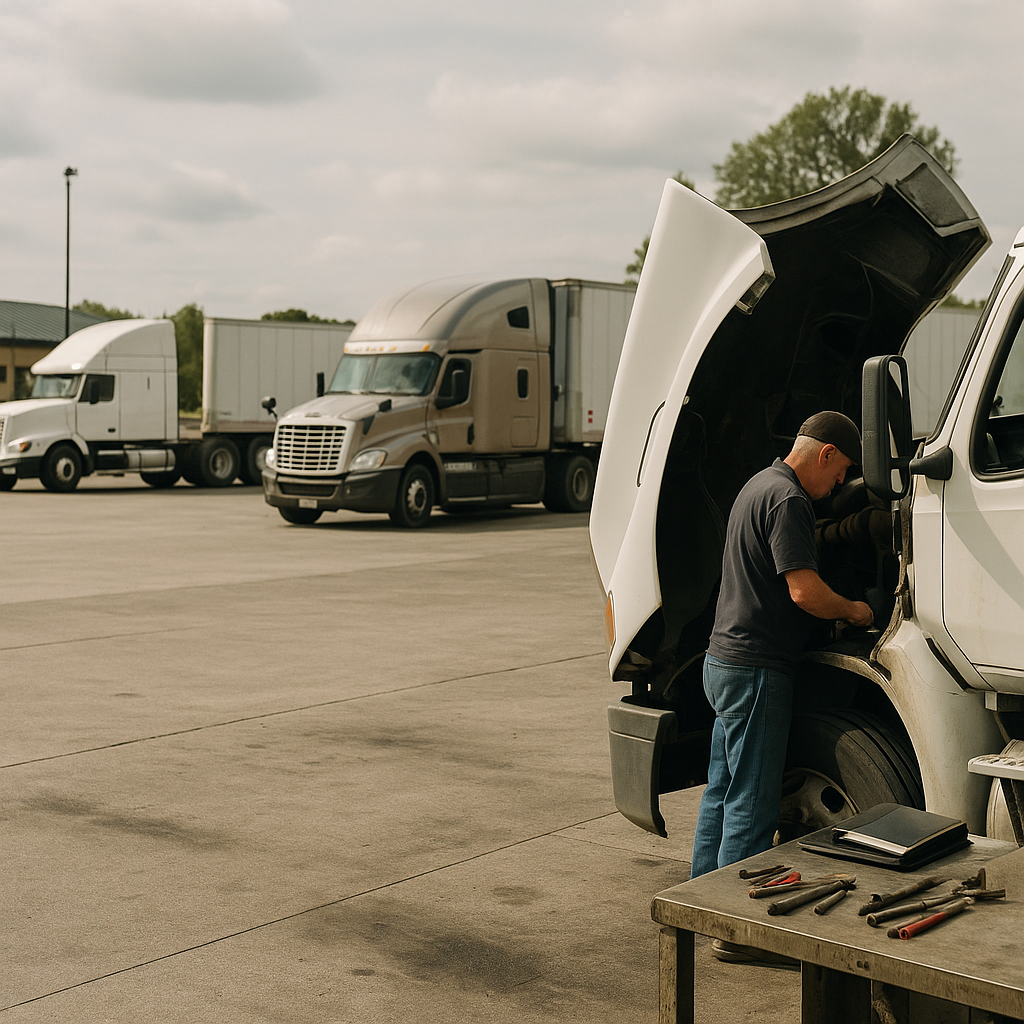
Not every downtime event starts with an accident. Some start with an engine failure, a bad turbo, an out-of-service inspection issue, or a maintenance problem that grounds the truck.
Those losses can be handled very differently from accident-related physical damage. Review exclusions, deductible amounts, valuation terms, repair-shop requirements, towing provisions, storage rules, and claim reporting requirements before a loss happens. A driver who waits until the truck is parked usually finds out too late which kind of downtime the policy was never meant to address.
How Downtime Exposure Changes by Operating Setup#
Downtime exposure changes a lot depending on whether you’re leased on, running your own authority, or managing a small fleet. The truck may be the same, but the business consequences aren’t. Lease terms, customer commitments, trailer access, and backup capacity all change how painful an out-of-service event becomes.
Leased owner-operators#
Leased owner-operators need to review more than the insurance policy. The lease can control who authorizes repairs, how settlements are handled, whether a substitute truck is allowed, and what deductions continue while the truck is down.
That matters because a leased operator may not control every decision once the unit is disabled. Even if some coverage exists, lease language can affect how fast you get back on the road and what income interruptions continue in the meantime.
Owner-operators with their own authority#
An owner-operator with his own authority usually carries the full business burden directly. A USDOT number is the identifier FMCSA uses to track a carrier’s safety and operational information, and an MC number is a motor carrier operating authority identifier used when authority is required.
If you hold your own authority, customer commitments, direct truck expenses, and replacement-capacity problems land on you. You’re also the one coordinating repairs, filings, dispatch, and communications with brokers or shippers when the truck goes down.
Small fleets with two to five trucks#
Small fleets may have more flexibility because they can sometimes shift work to another truck. But that doesn’t mean downtime stops hurting.
One truck down can still create capacity loss, driver scheduling issues, trailer bottlenecks, and missed service windows. A fleet may reduce the damage compared with a single-truck owner-operator, but one disabled unit can still cascade into multiple delayed deliveries and strained customer relationships.
Cargo, routes, trailers, and customer commitments#
The right insurance setup depends on the actual operation, not what another driver says he carries. Interstate status, operating radius, vehicle weight, cargo, and carrier type all affect the commercial insurance program and should be reviewed individually. FMCSA’s general carrier regulations in 49 CFR Part 390 help define which operators are subject to federal motor carrier rules.
If you’re comparing your setup to someone else’s, verify the basics first. Public carrier information can be checked through the FMCSA SAFER system, which helps confirm carrier identification, authority-related information, and safety data instead of relying on assumptions.
Build a Downtime Documentation File Before and After an Accident#
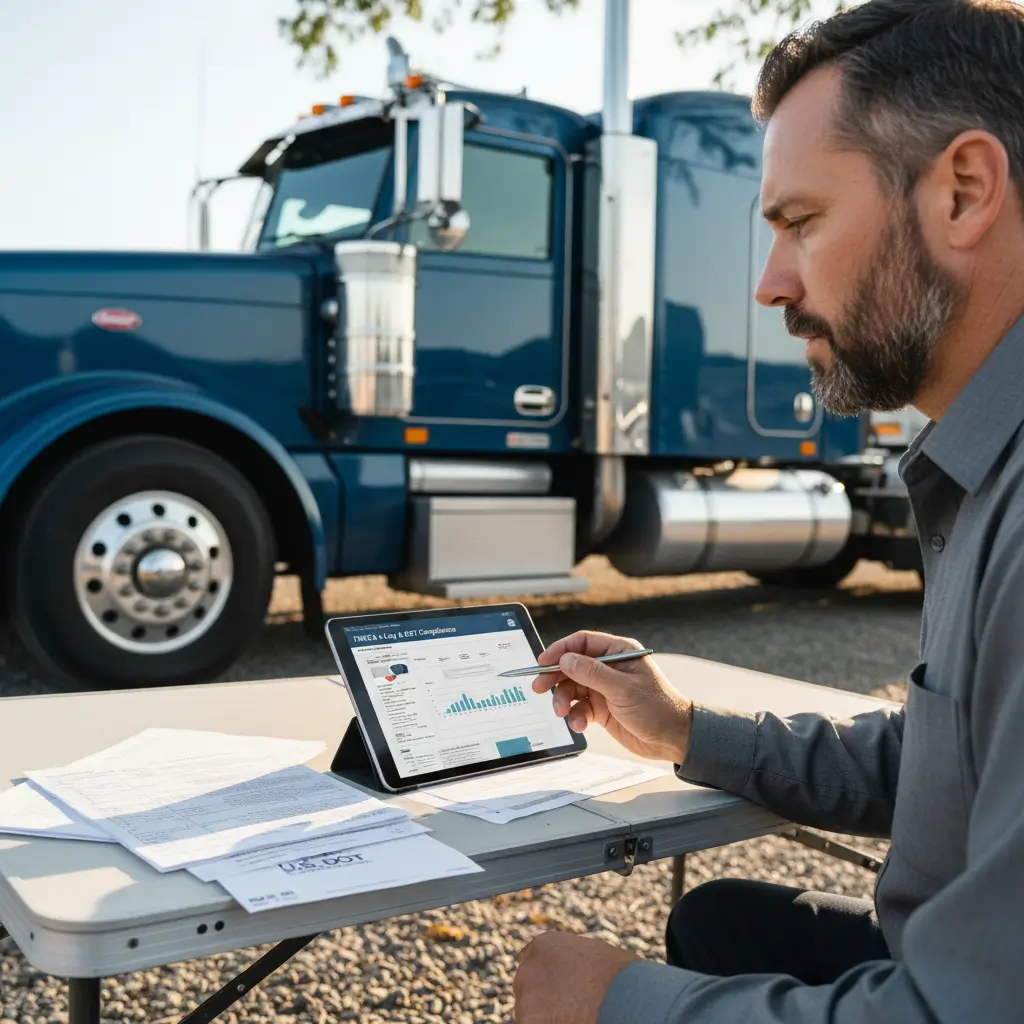
Good documentation gives you the best shot at moving a claim faster and supporting any downtime or lost-income demand. Build the file before you need it, then add to it immediately after a loss. The goal is simple: show what happened, what the truck was doing, what the interruption cost, and what you did to limit the damage.
Documents to keep before a loss#
Keep a standing file with your insurance declarations, endorsements, lease agreements, dispatch records, load confirmations, rate confirmations, invoices, maintenance records, repair receipts, and prior revenue records. Store it somewhere you can reach from the road, not just in a desk at home.
That file should also include truck finance documents, registration records, trailer agreements, and key contacts for your broker, insurer, claims department, dispatcher, and repair shops. If your spouse, bookkeeper, or dispatcher helps with paperwork, make sure they can access the same folder.
Evidence to gather after an accident#
After a loss, gather the police or crash report when available, photos, the claim number, tow invoices, storage records, repair estimates, parts-delay updates, rental agreement, substitute-truck records, and communications with brokers or dispatchers. Keep a simple timeline of what happened and when.
FMCSA requires certain motor carriers to maintain an accident register under 49 CFR 390.15. That rule is another good reminder that organized crash records matter, especially when facts, timing, and damages are later questioned.
How to show truck availability and revenue history#
A third-party lost-income claim often turns on whether the truck was actually available for work and whether the accident truly caused the interruption. That means prior load history, dispatch records, signed rate confirmations, and invoices can matter more than broad estimates.
Be careful with numbers. Gross revenue and net loss are not the same thing, and different claim types or jurisdictions may measure loss differently. Clean records help you support the amount without overstating it.
Why repair timelines and mitigation efforts matter#
Mitigation means taking reasonable steps to reduce the loss instead of letting it grow unchecked. In downtime cases, that may include getting repair estimates quickly, responding to documentation requests, checking substitute-truck options, and avoiding unnecessary storage or delay.
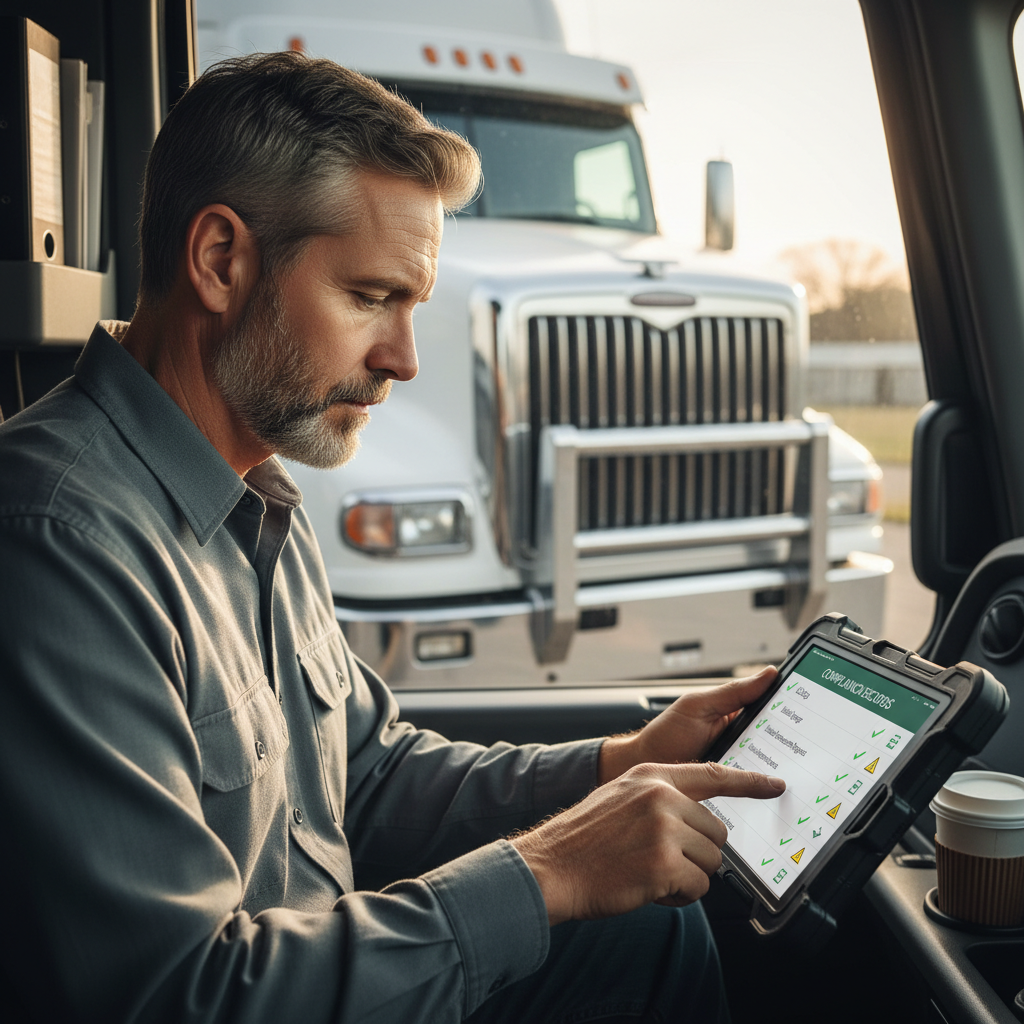
A practical setup is a shared digital folder with subfolders for policy documents, claim correspondence, photos, repair updates, load records, and expense tracking. If the truck goes down, that folder lets the owner-operator, spouse, dispatcher, accountant, or claims representative all work from the same facts instead of chasing screenshots and text messages.
What to Do While a Truck Is Out of Service#
When a truck is out of service, the best move is a disciplined sequence: report the loss, protect the equipment, confirm what coverage applies, and track every decision. Don’t assume reimbursement before you verify it. The goal is to stop a bad week from turning into a worse claim file.
Report the claim and protect the truck#
Report the loss promptly and document the truck’s condition right away. Take photos, get claim contact information, preserve every invoice, and ask what documentation the carrier wants first.
If the truck is being towed or stored, confirm where it’s going and what charges are building. Storage bills can stack up fast if nobody is monitoring them.
Confirm what coverage and limits apply#
Ask the claims representative direct questions before committing to major expense. Confirm deductibles, whether rental reimbursement applies, any daily or total rental limits, repair authorization procedures, towing rules, storage handling, and what updates the carrier needs from the shop.
This step saves a lot of pain. Operators often spend money assuming it will be reimbursed, then learn later that the expense didn’t fit the policy or wasn’t approved the right way.
Coordinate repairs, towing, storage, and inspections#
Stay in regular contact with the repair shop and keep written updates on parts, labor timing, and any inspection or supplement issues. If the truck needs post-repair inspections or specialized components, build that into your timeline early.
If you’re leased on, check the lease before making substitute-equipment decisions. If you hold your own authority, confirm registration, authority, customer, and driver qualification issues before you try to swap in another unit.
Evaluate a rental or substitute-truck option#
A substitute truck needs to work in the real world, not just on a receipt. Make sure it matches your trailer needs, cargo type, customer requirements, and route demands.
Also check whether the driver is qualified for that unit and whether your authority, registration, and insurance setup can support the substitute arrangement. A quick fix can create a new problem if the backup truck isn’t lined up correctly.
Track expenses without assuming reimbursement#
Track every extra cost and every missed work opportunity in separate categories. That includes towing, storage, rental, deadhead, hotel, rescheduling costs, and canceled or missed loads where you can document them.
At the same time, avoid assuming every line item will be paid. Keep customers, brokers, shippers, and dispatchers updated with realistic service timelines so you protect relationships while the truck is down.
How to Review Your Policy Before Downtime Becomes a Problem#
The best time to fix a downtime gap is before the truck is in the shop. Review the policy around your actual operation, not around generic terms like “full coverage.” Focus on what the truck is worth, what deductible you can absorb, what replacement options are realistic, and which separate coverages apply to your trailers, cargo, and contracts.
Questions to ask about physical damage#
Ask how the truck is valued, whether actual cash value or stated value applies where relevant, what deductible you would owe, and whether lender requirements affect the setup. Also ask about repair-network rules, towing, storage treatment, and any reporting deadlines that could affect the claim.
Questions to ask about rental reimbursement#
Ask whether rental reimbursement is available at all for your operation. Then ask whether a temporary rental would actually be eligible and workable for your authority, trailer setup, cargo, customer requirements, route, and garaging location.
The right question isn’t just “Do I have rental?” It’s “If my truck goes down next week, can I realistically get a unit I can legally and practically use?”
Questions to ask about trailers and cargo#
Review cargo, trailer interchange, non-owned trailer physical damage, reefer or refrigeration breakdown, and general liability separately when those exposures apply. Those coverages solve different problems, and each one needs to match how the truck actually runs.
If you use someone else’s trailer without a signed interchange agreement, ask whether non-owned trailer physical damage is the better fit than trailer interchange. A lot of owner-operators get that point wrong until a claim forces the issue.
Match the policy to the truck’s actual operation#
Tell your broker when the operation changes. Adding equipment, changing cargo, expanding radius, moving garaging location, leasing on or off, or switching from a leased setup to your own authority can all affect coverage.
If you want a trucking-specific review focused on your setup and downtime exposure,
FAQ#
What is the best insurance for trucking companies?
There isn’t one universal best insurance policy for every trucking company. The right setup depends on whether you run under your own authority or are leased on, what kind of truck you operate, what cargo you haul, how far you run, and what contracts require. Start with required commercial auto liability and any needed filings, then review physical damage, cargo, trailer coverage, general liability, and rental reimbursement based on your actual operation. For downtime concerns, the key is making sure truck damage coverage and any rental option match how you really work.
How much is a $1,000,000 liability insurance policy?
A $1,000,000 liability limit by itself does not determine the premium. Your actual premium depends on your operation, cargo, radius, driving history, garaging location, claims history, vehicle type, authority status, and any filings or endorsements the policy needs. Two trucks with the same liability limit can price very differently if one hauls general freight regionally and the other hauls higher-risk cargo or runs a different territory. The practical move is to request a quote based on the full operation, not just ask the price of a limit in isolation.
What insurance does a trucker need?
A trucker first needs to identify whether he operates under a lease or under his own authority, because that changes the insurance picture. From there, match the operation to any required commercial auto liability and applicable filings, then review optional or contract-driven coverages like physical damage, motor truck cargo, general liability, trailer coverage, reefer breakdown, and rental reimbursement. Non-trucking liability can apply in the right leased-owner-operator situation, but it does not cover paid hauling. Requirements vary by carrier type, vehicle weight, cargo, and whether you operate interstate or intrastate.
How much does $100,000 cargo insurance cost?
A $100,000 cargo limit does not come with one standard cost. Pricing depends on what you haul, theft exposure, operating radius, claims history, garaging, deductible choice, exclusions, and whether refrigeration or other special exposures apply. Broker or shipper requirements can also shape how the cargo policy is written. One policy with a $100,000 limit may be very different from another if the commodity, route, and exclusions change. Compare quotes only after confirming the covered commodities, exclusions, deductible, and claim conditions are actually comparable.
Can trucking downtime insurance pay for lost income?
Sometimes a downtime-related recovery may include lost income, but not automatically and not always through your own policy. If another party caused the loss, you may have a third-party claim for loss of use or lost income depending on fault, state law, repair time, and proof of financial loss. Under your own policy, physical damage usually addresses covered truck damage, and rental reimbursement may help with eligible temporary rental expense. Neither should be assumed to replace all missed revenue unless the policy specifically provides that kind of benefit.
Is rental reimbursement the same as trucking downtime insurance?
No. Rental reimbursement and downtime are related, but they are not the same thing. Rental reimbursement may help pay an eligible temporary rental expense after a covered loss, subject to policy terms, limits, and availability. Downtime usually refers to the broader business impact of the truck being unavailable, which can include missed loads, ongoing overhead, customer-service problems, and other costs. A rental benefit may reduce downtime damage, but it may not solve the full income loss, and the rental unit still has to fit your authority, trailer, cargo, and customer requirements.