In the Green Mountain State, trucking is often about moving raw materials—timber, granite, and milk.
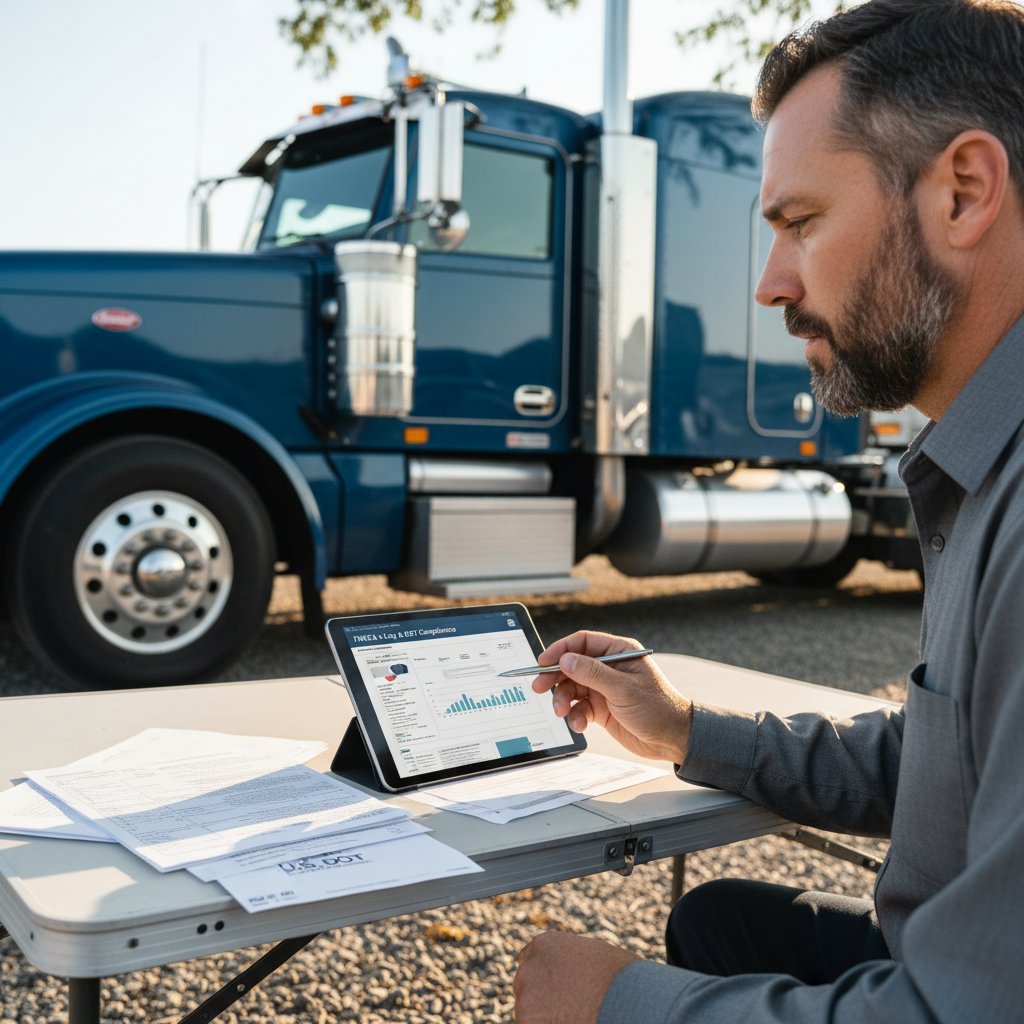
For regulatory purposes, the Vermont DMV oversees Commercial Vehicle Safety. Vermont strictly adopts federal regulations (FMCSRs). This means that even if you never leave Vermont, if your truck is over 10,001 lbs GVW, you are treated almost exactly like an interstate carrier regarding safety and insurance limits.
A unique Vermont challenge is "Mud Season" (Spring). During the thaw, many secondary roads have strict weight limits posted. Your insurance needs to cover you for the detours, and if you are a Logger or Milk Hauler, you need specific cargo endorsements to cover time-sensitive or raw loads.
In Vermont, the average commercial truck insurance premium typically lands between $8,000 and $13,500 per year. This guide breaks down exactly what you need to pay to keep your trucks legal.
Key Takeaways: Vermont Truck Insurance Costs
- The Price Tag: Expect to pay around $11,200 annually for a Semi-Truck with a clean record. Vermont is a Tier 3 (Affordable) state due to low theft and litigation rates.
- Dairy Haulers: If you haul bulk milk, standard Cargo insurance might not cover "spoilage" if your truck breaks down and the milk gets warm. You need a "Reefer Breakdown" or "Spoilage" endorsement.
- Loggers: Vermont produces massive amounts of timber. Loggers Broad Form is essential to cover accidents that happen off the main road (loading/unloading).
- Winter Weather: Physical Damage deductibles can be high. Sliding off an icy road in the Green Mountains is a common claim.
Real Numbers: Estimated Costs by Truck Type
Let's look at the hard data. The following estimates represent the average annual cost for Auto Liability ($1M Limit) for a driver with a clean record in Vermont. Vermont rates are stable, but specialized haulers (Logs/Granite) pay more due to the weight of the loads and the severity of accidents.
| Vehicle Type | Limit $300,000* | Limit $750,000 | Limit $1,000,000 (Standard) |
|---|---|---|---|
| Hotshot | $6,200 | $8,500 | $9,800 |
| Box Truck | $5,200 | $6,800 | $8,200 |
| Dump Truck | $7,000 | $9,500 | $11,500 |
| Semi (General) | $8,500 | $10,800 | $12,500 |
| Log Truck | $9,500 | $12,200 | $14,500 |
Last updated: December 15, 2025.
Logrock Reality Check: Hauling Granite or Slate (common in Barre/Rutland) is high-risk. These loads are incredibly heavy and dense. If they shift, they can destroy the trailer and the cab. Ensure your cargo limit is high enough to cover the cleanup, not just the stone.
Liability Limits: Intrastate vs. Interstate
Vermont rules change depending on whether you cross state lines. We have broken this down into two tables to make it clear.
Table 1: Intrastate Requirements (VT DMV)
For trucks that never leave Vermont (e.g., Burlington to Brattleboro).
| Vehicle Weight / Type | Minimum Liability Limit | Filing Required? |
|---|---|---|
| Freight < 10,000 lbs GVW | $300,000 CSL | No (Proof in Cab) |
| Freight > 10,001 lbs GVW | $750,000 CSL | No (Proof in Cab)* |
| Hazmat (Gas/Oil) | $1,000,000-$5,000,000 | Yes (Form E/MCS-90) |
| Passenger (School/Bus) | $1,500,000-$5,000,000 | Yes (Form E) |
| Household Goods | $300k/$750k | Yes (Form E) |
Note: "CSL" means Combined Single Limit. Critical: For standard general freight (e.g., a box truck delivering furniture), Vermont does not usually require a Form E filing for intrastate authority. You simply need to carry a valid Insurance ID Card and meet the federal $750k limit if over 10k lbs.
Table 2: Interstate Requirements (FMCSA / Federal)
For trucks that cross state lines (e.g., Montpelier, VT to Lebanon, NH).
| Vehicle Weight / Type | Minimum Liability Limit | Filing Required? |
|---|---|---|
| Freight < 10,000 lbs | $300,000 CSL | No (Unless Hazmat) |
| Freight > 10,001 lbs | $750,000 CSL | Yes (BMC-91X) |
| Hazmat (Gas/Oil/Explosives) | $1,000,000-$5,000,000 | Yes (MCS-90) |
| Passenger (16+ seats) | $5,000,000 CSL | Yes (BMC-91X) |
Vermont Requirements & Critical Filings
To operate legally, your insurance agent must understand the specific needs of rural hauling.
- Financial Responsibility (ID Card): Vermont requires you to carry proof of insurance in the vehicle at all times. A digital copy on your phone is legal, but a paper card is recommended for rural areas with no cell service.
- Form E: Mandatory for Passenger Carriers and often for carriers reinstating a suspended registration. General freight carriers typically do not need to file this for standard operations.
- Loggers Broad Form: This is not a state filing, but it is an industry requirement. Standard auto liability stops where the public road ends. Broad form covers the truck while loading in the forest.
- Milk Spoilage Endorsement: Essential for dairy haulers. If your tanker is delayed by a snowstorm and the milk spoils, standard cargo insurance will deny the claim without this endorsement.
Your Questions Answered: "People Also Ask" FAQs
Yes. Vermont adopts federal safety regulations. All commercial vehicles over 10,001 lbs GVW must obtain a USDOT number, even if they never cross state lines.
Yes, but you must respect posted weight limits on secondary roads. If you are overweight on a posted road and cause damage (or crash), your insurance might deny the claim for "Illegal Acts" or willful negligence. You may need an "Excess Weight Permit" from the DMV.
Vermont's terrain. Dump trucks operating in quarries or on steep mountain roads face higher rollover risks. Insurers price this physical damage risk into the premium.
The Logrock Difference: We Know Rural Trucking
Vermont trucking is different. It's not about massive distribution centers; it's about getting goods through the mountains safely. At Logrock, we ensure you aren't overpaying. We check if you really need that Form E (you probably don't if you haul general freight intrastate). We also make sure your policy covers Logging and Dairy risks so a bad day in the woods doesn't bankrupt your business.
Conclusion & Get Your Vermont Quote
Vermont offers a beautiful but challenging environment for truckers. Make sure your coverage is as tough as a Vermont winter. Ready to get a solid number for your business? Contact Logrock today for a customized, no-obligation quote and keep your wheels turning.