
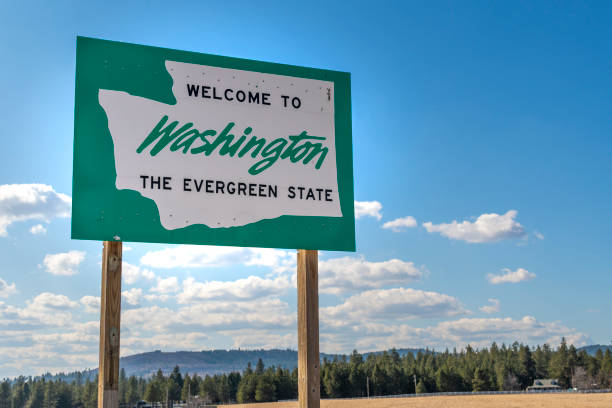
From the container terminals of the Northwest Seaport Alliance (Seattle/Tacoma) to the apple orchards of Yakima and the timber lands of the Olympic Peninsula, Washington is diverse.
For regulatory purposes, the Washington Utilities and Transportation Commission (UTC) regulates specific types of intrastate trucking. General Freight (Dry Van/Flatbed) is generally deregulated for intrastate authority, meaning you do not need a UTC permit, but you must register with the Dept of Licensing and meet safety standards. However, Household Goods (Movers), Solid Waste, and Passenger Carriers are strictly regulated and must obtain a UTC Permit and file Form E.
Additionally, the Port of Seattle/Tacoma requires specific UIIA insurance endorsements. If you haul containers, standard liability is not enough. In Washington, the average commercial truck insurance premium typically lands between $10,500 and $17,500 per year. This guide breaks down exactly what you need to pay to keep your trucks legal in the Evergreen State.
Key Takeaways: Washington Truck Insurance Costs
- The Price Tag: Expect to pay around $13,800 annually for a Semi-Truck. Washington is a Tier 2 (High Cost) state due to urban congestion and high repair costs.
- The "West Side" Premium: Garaging in King or Pierce County (Seattle/Tacoma) costs 25-30% more than garaging in Spokane or Tri-Cities due to traffic density.
- UTC Authority: Only required for Movers, Waste, and Passenger carriers. These carriers must file Form E.
- Mountain Passes: I-90 (Snoqualmie) and US-2 (Stevens) are brutal in winter. "Jackknife" accidents are common. High Physical Damage deductibles are standard here.
Real Numbers: Estimated Costs by Truck Type
Let's look at the hard data. The following estimates represent the average annual cost for Auto Liability ($1M Limit) for a driver with a clean record in Washington. Rates are heavily influenced by where the truck sleeps. Rural Eastern Washington rates are much lower than the I-5 corridor.
| Vehicle Type | Limit $300,000* | Limit $750,000 | Limit $1,000,000 (Standard) |
|---|---|---|---|
| Hotshot | $7,500 | $9,800 | $11,500 |
| Box Truck | $6,200 | $8,200 | $9,800 |
| Dump Truck | $8,500 | $11,000 | $13,500 |
| Semi (General) | $9,800 | $12,500 | $14,500 |
| Log Truck | $10,500 | $13,500 | $16,200 |
Last updated: December 15, 2025.
Logrock Reality Check: Log Trucks are a massive industry in WA. Standard auto policies often exclude accidents that happen on private timber roads ("off-road" exclusion). You need Loggers Broad Form coverage to ensure the truck is covered from the stump to the mill.
Liability Limits: Intrastate vs. Interstate
Washington rules change depending on whether you cross state lines and what you haul. We have broken this down into two tables to make it clear.
Table 1: Intrastate Requirements (UTC / WSP)
For trucks that never leave Washington (e.g., Seattle to Spokane).
| Vehicle Weight / Type | Minimum Liability Limit | Filing Required? |
|---|---|---|
| Freight < 10,000 lbs | $300,000 CSL | No (Unless UTC regulated) |
| Freight > 10,001 lbs | $750,000 CSL | No (Proof in Cab)* |
| Household Goods (Movers) | $300k/$750k + Cargo | Yes (Form E + H) |
| Solid Waste / Refuse | $750,000-$1M | Yes (Form E) |
| Passenger (16+ seats) | $5,000,000 CSL | Yes (Form E) |
Note: "CSL" means Combined Single Limit. Critical: General Freight (e.g., hauling apples or Amazon packages) is deregulated. You do not file Form E with the UTC. You simply need to carry proof of insurance meeting federal limits ($750k+) in the cab. Only Movers, Waste, and Bus companies need the UTC Permit and filings.
Table 2: Interstate Requirements (FMCSA / Federal)
For trucks that cross state lines (e.g., Vancouver, WA to Portland, OR).
| Vehicle Weight / Type | Minimum Liability Limit | Filing Required? |
|---|---|---|
| Freight < 10,000 lbs | $300,000 CSL | No (Unless Hazmat) |
| Freight > 10,001 lbs | $750,000 CSL | Yes (BMC-91X) |
| Hazmat (Gas/Oil/Explosives) | $1,000,000 - $5,000,000 | Yes (MCS-90) |
| Passenger (16+ seats) | $5,000,000 CSL | Yes (BMC-91X) |
Washington Requirements & Critical Filings
To operate legally, your insurance agent must understand the UTC vs. General Freight distinction.
- Form E: Mandatory ONLY for UTC-regulated carriers (Movers, Waste, Bus). If you haul general freight, do not let an agent sell you a Form E filing you don't need.
- Form H: Mandatory for Household Goods Movers to prove Cargo Insurance coverage.
- UIIA Endorsement: Required for accessing the Port of Seattle and Port of Tacoma. You need $1M Auto Liability, $1M General Liability, and Trailer Interchange coverage.
- Loggers Broad Form: Essential for timber haulers to cover loading/unloading risks in the woods.
Your Questions Answered: "People Also Ask" FAQs
Generally, No. Dump trucks hauling sand/gravel/dirt are usually considered general freight or private carriers and are exempt from UTC economic regulation. However, hauling Solid Waste (trash/demo debris) requires a UTC certificate and Form E.
The ports are congested, and the UIIA contract forces you to insure the chassis and container. The high volume of traffic on I-5 between the ports and distribution centers leads to frequent accidents.
Yes. Washington State Patrol adopts federal regulations. All commercial vehicles over 10,001 lbs GVW need a USDOT number, even if they never cross state lines.
The Logrock Difference: We Know the Pacific Northwest
Washington requires a specific mix of coverage. You need high liability limits for the Seattle traffic and solid physical damage coverage for the mountain passes. At Logrock, we handle the compliance heavy lifting. We know when you need a UTC filing (and when you don't). We also specialize in Intermodal and Logging insurance, ensuring your certificates are accepted at the port gate and the lumber mill.
Conclusion & Get Your Washington Quote
Washington offers massive opportunities in trade and timber. Ensure your policy covers the unique risks of the Pacific Northwest. Ready to get a solid number for your business? Contact Logrock today for a customized, no-obligation quote and keep your wheels turning.



