
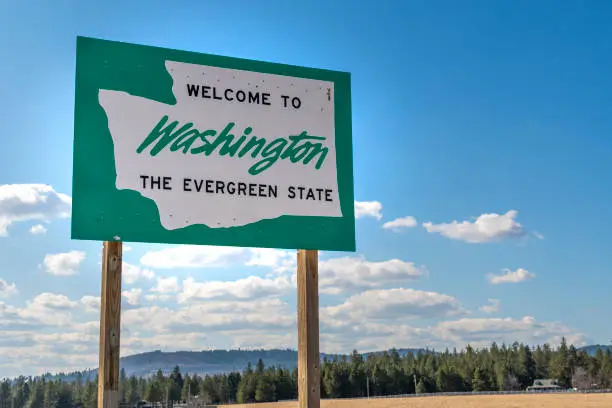
Commercial truck insurance in Washington: compare 2026 cost ranges, intrastate and interstate filings, port-access coverage, and specialty needs for timber, freight, and small fleets.

From the container terminals serving Seattle and Tacoma to apple orchards in Yakima and timber routes across the Olympic Peninsula, Washington trucking operations face a wide range of insurance exposures. Washington permit and insurance requirements can vary by carrier type and service, so verify your operating authority and filings with the Washington Utilities and Transportation Commission before binding coverage.
Washington commercial truck insurance premiums can vary widely by equipment, garaging location, cargo, radius, loss history, and authority status. The planning ranges in this guide are benchmarks rather than guarantees; compare quotes using identical limits, deductibles, cargo descriptions, and operating details.
Key Takeaways: Washington Truck Insurance Costs
- The price tag: The article’s semi-truck benchmark at a $1 million limit is $14,500 annually, while real premiums vary by operation and underwriting profile.
- The “West Side” premium: Garaging in King or Pierce County can price differently from Spokane or the Tri-Cities because traffic density, theft exposure, claims frequency, and repair logistics vary.
- UTC authority: Permit and insurance-filing requirements depend on the carrier type and service, including household goods, solid waste, passenger, and certain for-hire operations.
- Mountain passes: Winter routes such as I-90 and US-2 can increase physical-damage exposure, so deductible choices should match the cash reserve you can actually sustain.
Table of Contents
Reading time: about 9 minutes
Real Numbers: Estimated Costs by Truck Type
The following figures are planning benchmarks for a driver with a clean record in Washington. Rates are heavily influenced by where the truck is garaged, what it hauls, its operating radius, and the limits selected. For dedicated equipment guidance, see the dump truck insurance guide and the hotshot insurance coverage guide.
| Vehicle Type | Limit $300,000* | Limit $750,000 | Limit $1,000,000 (Standard) |
|---|---|---|---|
| Hotshot | $7,500 | $9,800 | $11,500 |
| Box Truck | $6,200 | $8,200 | $9,800 |
| Dump Truck | $8,500 | $11,000 | $13,500 |
| Semi (General) | $9,800 | $12,500 | $14,500 |
| Log Truck | $10,500 | $13,500 | $16,200 |
Rate table reviewed: June 19, 2026. These are planning estimates, not carrier quotes.
LogRock reality check: timber operations
Timber hauling can involve off-highway and loading exposures that standard policy language may not address as expected. Review whether Loggers Broad Form coverage is appropriate for the routes and work you actually perform.
Liability Limits: Intrastate vs. Interstate
Insurance and filing requirements change based on carrier type, authority, vehicle weight, cargo, passenger operations, and whether you cross state lines. The tables below are a planning overview—not a substitute for confirming the exact requirement with the UTC, FMCSA, and your insurance professional.
Intrastate operations in Washington
Washington permit and proof-of-insurance requirements depend on the transportation service. The UTC provides licensing and insurance information for regulated transportation industries, including common carriers, household goods carriers, solid-waste carriers, and certain passenger operations.
| Vehicle Weight / Type | Planning Liability Reference | Potential Filing / Permit Consideration |
|---|---|---|
| Freight under 10,001 lbs | May vary by operation | Confirm carrier type and authority |
| Freight over 10,001 lbs | Often higher for commercial operations | Confirm UTC and safety requirements |
| Household Goods | Varies by applicable rule | UTC permit and insurance requirements may apply |
| Solid Waste / Refuse | Varies by applicable rule | UTC certificate and insurance requirements may apply |
| Passenger operations | Higher limits may apply | Confirm specific passenger-carrier rule |
For an overview of federal authority steps that can become relevant as you build a new operation, review how to get operating authority.
Interstate requirements (FMCSA / Federal)
For regulated interstate carriers, FMCSA financial-responsibility rules apply based on the operation and cargo. For many for-hire non-hazardous property carriers operating vehicles at or above the relevant weight threshold, the federal minimum is commonly $750,000 under 49 CFR §387.9.
| Vehicle Weight / Type | Common Federal Planning Reference | FMCSA Filing Consideration |
|---|---|---|
| Property carrier subject to FMCSA rules | Often $750,000 for non-hazardous property | Liability filing requirements can apply |
| Hazmat | Can range from $1 million to $5 million | Confirm commodity-specific requirements |
| Passenger operations | Can require higher limits | Confirm passenger-carrier regulations |
For carriers hauling regulated materials, see hazmat insurance requirements and limits.
Washington Requirements & Critical Filings
Before you bind coverage, separate the three questions that often get mixed together: the insurance policy you carry, the state or federal filings you need, and the contract requirements imposed by brokers, ports, or equipment providers.
- UTC permit and insurance filings: Washington-regulated transportation providers may need a permit or certificate and proof of insurance filed with the UTC. Confirm your specific service with the UTC licensing and insurance page.
- Federal filings: Insurers—not motor carriers—submit FMCSA liability filings such as BMC-91 or BMC-91X when required.
- UIIA and port access: Intermodal operations may need coverage that meets the requirements of equipment providers. The UIIA explains that trailer interchange coverage protects non-owned equipment while it is in the carrier’s care, custody, or control.
- Logging operations: Check whether your policy addresses loading, unloading, private-road, and specialty timber exposures rather than assuming a standard auto form covers every part of the operation.
Not sure how UIIA approval works for port access? Here is a walkthrough:
Your Questions Answered: Washington Truck Insurance FAQs
Generally, no. Dump trucks hauling sand, gravel, or dirt are often treated differently from regulated solid-waste operations. Solid waste hauling can require a UTC certificate and associated insurance filings, so confirm the commodity and operating authority with the UTC before you bind coverage.

Washington permit requirements depend on the carrier type and service provided. General freight, household goods, solid waste, and passenger operations are not regulated in the same way. Confirm whether your operation needs a UTC permit and proof of insurance with the Washington Utilities and Transportation Commission; if you are setting up a new operation, review how to get operating authority before you begin.
Port-area operations can carry higher exposure because of dense traffic, chassis and container responsibility, and the insurance requirements set by equipment providers. UIIA participation can also require specific liability, trailer-interchange, and cargo coverage terms, which adds to the cost of a compliant program.
Loggers Broad Form is typically added by endorsement rather than sold as a standalone policy. The added cost depends on the liability and physical-damage limits, terrain, routes, equipment, and loss history involved. Because timber-road exposures vary widely, a route-specific quote is more useful than a flat statewide estimate.
Washington registration and safety requirements depend on the vehicle, weight, carrier type, and operation. Commercial vehicles that meet applicable thresholds may need a USDOT number even when they operate only within Washington. Check the FMCSA registration guidance and confirm Washington-specific requirements before operating.
Not automatically. A policy written for intrastate Washington operations may need different authority, filings, limits, or endorsements before it can support interstate trips. If you regularly run into Oregon, Idaho, or British Columbia, confirm your authority and insurance setup before accepting the load.
Often, yes. Garaging location is a major rating factor, and vehicles based in high-traffic metro areas can cost more to insure than comparable units based in lower-density parts of the state. Use the address where the truck is actually kept most nights so the policy matches the real exposure.
Auto liability pays for injuries and property damage you cause to others; it generally does not insure the freight you haul. Cargo insurance is a separate coverage or endorsement that protects customer goods, subject to limits, deductibles, and exclusions. It is particularly important for movers and carriers handling higher-value freight.
The LogRock Difference: Pacific Northwest Coverage Review
Washington operations can need a specialized mix of liability, cargo, physical damage, trailer interchange, and regulatory documentation. A coverage review should match the way you actually operate—your equipment, routes, cargo, port access, timber-road exposure, and authority status—not a generic category on a quote form.
Conclusion & Get Your Washington Quote
Washington offers major opportunities in trade, freight, and timber. The practical next step is to verify which authority, filing, and coverage requirements apply to your operation, then compare quotes with matching limits, deductibles, cargo, and routing details.
If you run multiple units, the Washington Small Fleet Insurance guide can help you evaluate coverage options before you request a quote.
Before choosing a policy, this supplemental video can help clarify two coverages commonly confused in trucking:
If you need help determining whether your Washington operation needs a UTC filing, UIIA coverage for port access, or specialized protection for timber routes, LogRock can help you review the requirements and build a quote around your actual routes and equipment.





