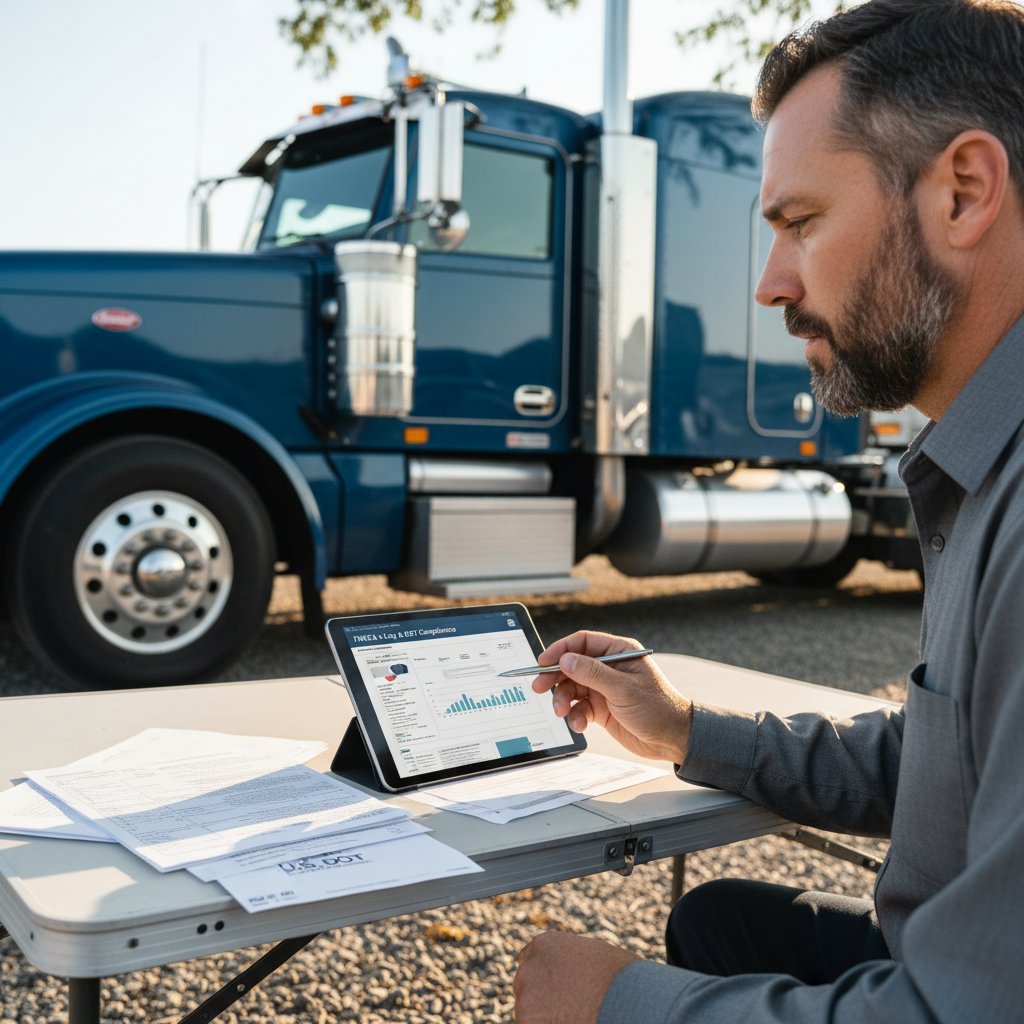
Learn auto insurance vehicle use categories (pleasure, commute, business, rideshare), how they affect rates, and how to choose correctly to avoid claim surprises. Get a quote.
If your premium keeps climbing, the issue might be auto insurance vehicle use—the way your policy says you drive day to day.
Featured snippet answer (40–60 words): Auto insurance vehicle use tells the insurer how, when, and why you drive—pleasure, commuting, business driving, or app-based gigs. Because each use changes your risk exposure (miles, traffic, time of day, passengers/cargo), it can change your premium and—if misclassified—create claim delays or coverage disputes.
This guide breaks down the main use categories, what usually counts (and what doesn’t), how rates typically move, and a simple way to pick the right classification—especially if your routine changed (hybrid work, a new job, or a delivery side gig).
Key Takeaways: Essential Auto Insurance Vehicle Use
- Vehicle use is a pricing and eligibility lever: Pleasure is often cheapest; commute/business usually cost more because exposure goes up.
- “Business use” isn’t the same as commercial coverage: If you’re hauling/transporting for pay, you may need commercial auto—or even commercial truck insurance.
- Misclassifying use can get expensive fast: Best case is back-billed premium; worst case is claim headaches when you need money most.
- UBI/telematics can help the right driver: If you’re low-mileage and smooth behind the wheel, usage-based programs can cut cost.
Table of Contents
Reading time: 7 minutes
- Vehicle Use Categories in Auto Insurance (Quick Definitions)
- Pleasure vs. Commute vs. Business Use: What Counts (and What Doesn’t)
- Business Use vs. Commercial Coverage (And When Trucking Is Involved)
- How Vehicle Use Affects Auto Insurance Rates (Plus UBI/Telematics)
- Why Logrock Cares About “Vehicle Use” Accuracy (It’s a Cash-Flow Issue)
- Frequently Asked Questions
- Conclusion: Confirm Vehicle Use, Then Shop Smart
Vehicle Use Categories in Auto Insurance (Quick Definitions)
Most U.S. auto insurers rate personal policies using at least three vehicle-use categories—pleasure (personal), commute, and business use—and many require a separate classification or endorsement for rideshare/delivery.
Underwriting names vary by carrier, but the logic is consistent: more miles, more traffic, and more “on-the-clock” driving usually means higher expected claim frequency.
If your driving starts to look commercial, you’ll also start bumping into compliance realities (registrations, filings, and “for-hire” rules). A practical line in the sand is when your operation begins triggering fuel-tax and registration frameworks like IFTA/IRP—see IFTA/IRP compliance (a sign you’re in commercial territory).
Vehicle use comparison table (plain English)
| Vehicle use category | What it usually means | Common examples | Often needs extra endorsement? |
|---|---|---|---|
| Pleasure / Personal | Non-work driving, not a regular commute | Errands, weekends, school drop-off, vacations | Usually no |
| Commute | Regular trips to/from work or school | Driving to a job site 3–5 days/week | Usually no (but rated higher) |
| Business use | Work driving beyond commuting | Client visits, multiple locations, carrying tools | Sometimes (varies) |
| Rideshare / Delivery | Transporting people or goods for pay via an app | Uber/Lyft, DoorDash/Instacart | Very often yes |
Borderline reality: A once-a-month office visit might still be “pleasure” for one insurer and “commute” for another. Don’t guess—ask your carrier/agent and keep the answer in writing (email is fine).
Pleasure vs. Commute vs. Business Use: What Counts (and What Doesn’t)
Insurers generally define pleasure as non-work driving, commute as regular trips to work/school, and business use as work driving beyond commuting, but the exact triggers can differ by company and state.
This is where most people get it wrong—especially with hybrid schedules, job changes, and “I only deliver on weekends” side gigs.
1) Pleasure use (personal)
What it is: Driving that isn’t tied to a work routine.
Why it matters: If you’re rated as pleasure but you’re actually commuting most days, the insurer can correct the rating later (premium increase), sometimes right after a claim is reported.
Who it fits: Remote workers, retirees, second vehicles, and households with a true “weekend car.”
- Quick win: If you went remote and your miles dropped, update your estimated annual mileage so your policy isn’t priced like the old commute.
2) Commute use
What it is: Regular driving to and from work or school—even a few days a week can count.
Why it matters: Commute miles often land in heavier traffic windows, which raises crash exposure even if you’re a careful driver.
Be ready to answer:
- Days per week: How often do you drive in?
- Distance: Typical one-way mileage.
- Garaging ZIP: Where the vehicle is parked overnight.
3) Business use (on a personal auto policy)
What it is: Work-related driving beyond commuting, like visiting clients or traveling between multiple work sites.
Why it matters: Business driving usually means more time on the road, more stops, and more unfamiliar routes—things insurers price into risk.
Who it fits: Sales, real estate, contractors, and some self-employed drivers—as long as you’re not transporting people or goods for a fee.
- Tools/equipment note: Auto policies often have limits and exclusions for theft of tools from the vehicle, so ask if you need separate tools/inland marine coverage.
Business Use vs. Commercial Coverage (And When Trucking Is Involved)
FMCSA requires at least $750,000 in public liability financial responsibility for most interstate, for-hire motor carriers transporting non-hazardous property under 49 CFR §387.9, which is a commercial standard that personal auto “business use” is not built to satisfy.
Here’s the straight talk: “Business use” on a personal auto policy is not designed for commercial transportation risk. The moment you’re hauling for pay, you’ve changed the insurance problem.
1) When you may still fit on a personal auto policy (insurer-dependent)
Definition: You drive for work, but you’re not transporting passengers or freight for hire.
- Visiting client sites
- Driving between office locations
- Carrying basic tools (not delivering goods for pay)
What can go wrong if you’re wrong: If there’s payment tied to the trip (delivery fee, load pay, per-mile pay), some carriers treat that as outside the intended use of a personal policy.
2) When you likely need commercial auto (or more)
Rule of thumb: If you transport people or goods for a fee, many insurers treat it as “for-hire” and require a rideshare/delivery endorsement or a commercial policy.
Common red flags:
- You transport people or goods for pay
- You run regular delivery routes
- The vehicle is titled to a business, or multiple employees drive it
- Your operation starts looking like a carrier (and compliance filings show up)
If you’re in trucking or hotshot territory—pickup and trailer, hauling loads for pay, or moving toward your own authority—this is where terms like trucking insurance, hotshot insurance, semi truck insurance, and commercial truck insurance come into play (not personal auto “business use”).
If you’re operating as a motor carrier, insurance filings may become part of staying in business; see BMC-91 vs BMC-91X insurance filings.
Money reality: Trying to “keep it cheap” by staying on personal auto while doing commercial work isn’t buying affordable trucking insurance—it’s buying a future problem if there’s a serious loss.
How Vehicle Use Affects Auto Insurance Rates (Plus UBI/Telematics)
Vehicle use affects premium because it changes exposure—miles driven, time of day, traffic density, and whether you’re driving under time pressure—so “pleasure” is typically priced lower than “commute,” and “commute” is typically priced lower than “business,” all else equal.
No honest guide can promise “commute is always +X%.” Pricing varies by state, carrier, vehicle, claims history, and your driving record. But the direction is usually predictable.
Typical rate pattern (directional)
| Use type | Typical premium direction | Why |
|---|---|---|
| Pleasure | Lower | Fewer miles, less peak traffic |
| Commute | Higher | Rush-hour exposure, predictable high-density driving |
| Business use | Higher | More driving, more stops, more complexity |
| Rideshare/delivery | Higher / special underwriting | “For-hire” exposure and higher frequency |
Where UBI (usage-based insurance) fits
Usage-based insurance (UBI) uses telematics (a phone app or plug-in device) to price based on measured behavior such as mileage, time of day, braking, and acceleration (what’s collected varies by program and state filings).
If you’re the right fit, UBI can be a lever to lower cost; see Benefits of usage-based insurance (UBI) telematics for a deeper, plain-English breakdown.
Who UBI helps most:
- Low-mileage drivers
- Smoother drivers (fewer hard-braking / rapid-acceleration events)
- Drivers who can avoid late-night and peak traffic
Who should be cautious:
- Night drivers (riskier time-of-day scoring in many programs)
- Dense city drivers (more sudden stops)
- Anyone uncomfortable with data collection (read the disclosures before you opt in)
Why Logrock Cares About “Vehicle Use” Accuracy (It’s a Cash-Flow Issue)
Misstating vehicle use on an insurance application can trigger re-rating, premium back-billing, coverage disputes, or claim delays because insurers treat accurate use classification as a material underwriting fact.
When insurance gets messy, it doesn’t just hurt on paper—it hits your wallet at the worst time: after a crash, after a theft, or when you’re already down a vehicle.
If you want to understand the stakes, read Misrepresentation risk on an insurance application and the real-world timeline in Claim denial and misrepresentation (what to expect).
Practical habit: Any time your routine changes (new job site, new commute days, new side gig), update your vehicle use and annual mileage immediately, not “at renewal.”
Related reading if you’re crossing into commercial: Staying compliant with IFTA/IRP and insurance filings and Telematics and the future of insurance.
Frequently Asked Questions
Most insurers group personal auto vehicle use into pleasure (personal), commute, and business use, and many treat rideshare/delivery as a separate “for-hire” category that needs an endorsement. The category matters because it changes exposure: miles, traffic patterns, and how often you’re driving under time pressure. If your use is borderline (hybrid office days, occasional deliveries, multiple work sites), ask your carrier for their definition and keep the answer in writing, because definitions vary by insurer and state.
Pleasure means personal driving with no regular work or school commute, commute means recurring trips to work or school (even a few days per week), and business use means work driving beyond commuting (client visits, multiple job sites, meetings across town). The practical difference is exposure: commute and business driving typically happen more often and in higher-traffic conditions than pleasure driving. If you start transporting people or goods for pay, many carriers consider that “for-hire” and require a rideshare/delivery endorsement or commercial coverage.
Vehicle use affects rates because it changes the insurer’s expected loss cost by changing your exposure—how many miles you drive, when you drive (rush hour vs. off-peak), and what your driving looks like (single daily commute vs. multi-stop work days). Pleasure use is often priced lower because it’s usually fewer miles and less peak traffic, while commute and business use are often priced higher because of heavier traffic windows and more frequent trips. If you enroll in a usage-based insurance (UBI) program, telematics data (mileage, braking, time of day) can also influence pricing.
Yes, personal auto insurance can cover certain business use when it’s work-related driving beyond commuting (like visiting clients) and you are not transporting people or goods for a fee, but the exact rules depend on the insurer and policy language. App-based deliveries and rideshare commonly require a specific endorsement, and hauling for pay can require commercial coverage and, in trucking scenarios, filings tied to operating authority. If you’re unsure, disclose the activity up front; see Misrepresentation risk on an insurance application for why accuracy matters when a claim happens.
Conclusion: Confirm Vehicle Use, Then Shop Smart
Auto insurance vehicle use is one of those “small” details that decides whether you’re properly priced—and properly covered. Match the policy to your real driving, update it when your routine changes, and add endorsements when you start driving for pay.
Key Takeaways:
- Use categories are risk models: pleasure, commute, and business use change pricing because they change exposure.
- “For-hire” changes everything: rideshare/delivery and hauling for pay often require endorsements or commercial coverage.
- Accuracy protects your cash-flow: it reduces back-billed premium and avoids claim disputes.
If your driving changed in the last 6–12 months, update your use classification first—then shop rates with clean, accurate info.