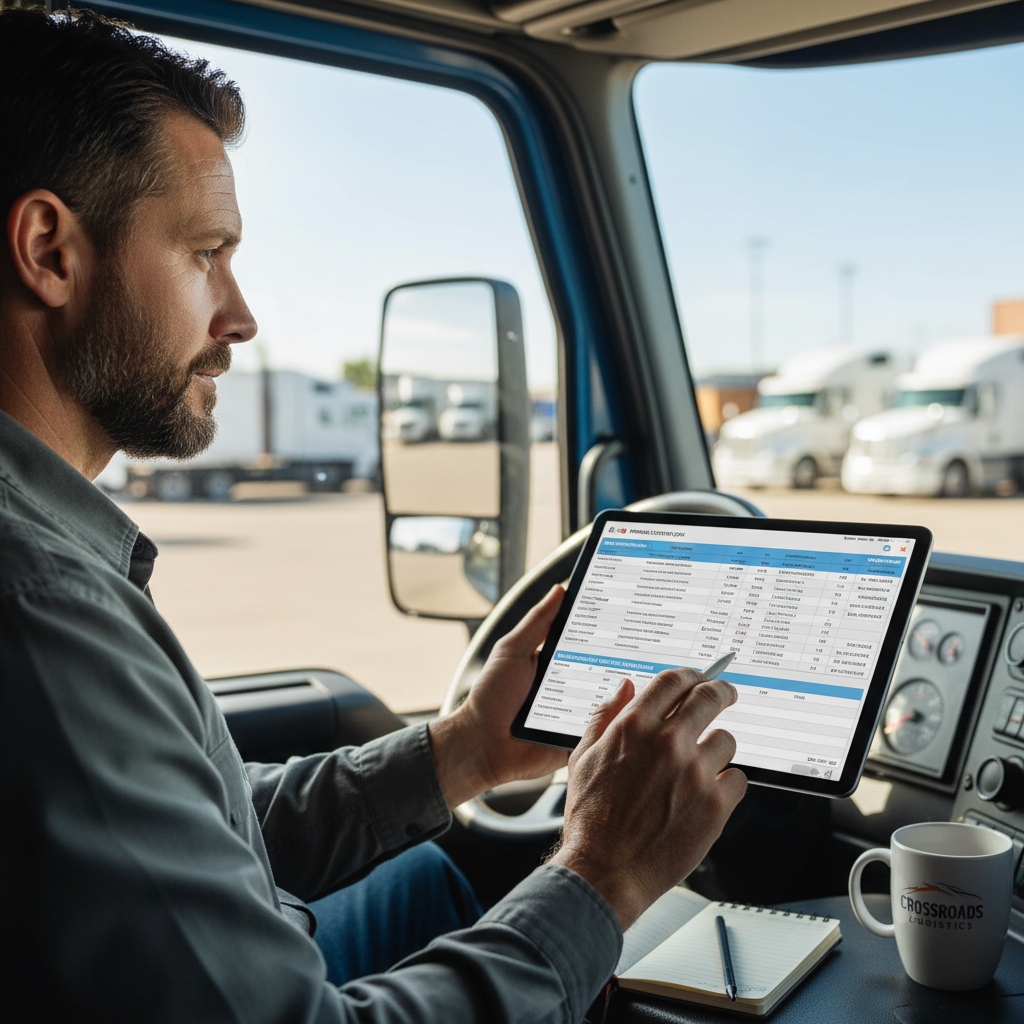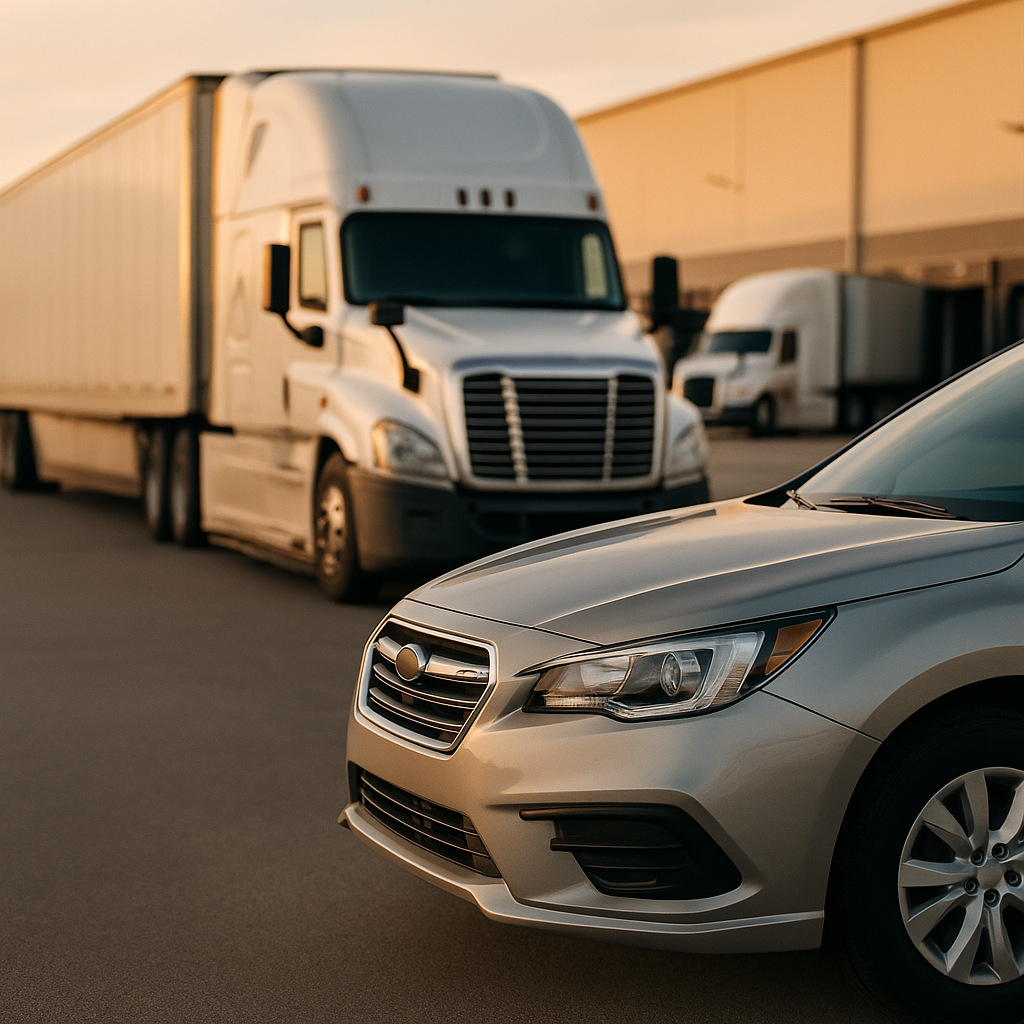
Compare company car insurance vs personal auto insurance in 2026—what each covers, when you need both, and the mistakes that trigger claim denials. Get a coverage check.

If you’re driving “for work,” the biggest risk isn’t the accident—it’s the coverage gap you didn’t know you had. This guide breaks down company car insurance vs personal auto insurance in 2026: what each policy is designed to cover, when you need both, and the exact misunderstandings that lead to denied claims.
In practice, claims get decided by two things: who owns the vehicle and how the vehicle was being used at the moment of loss (sales calls, job sites, deliveries, rideshare, and so on). If you want a fast, plain-English double-check, use the coverage review CTA below before you rack up more work miles.
Key Takeaways: essential company car insurance vs personal basics
- Personal auto insurance is built for household driving (commuting, errands), and business use can be limited or excluded—especially delivery or transporting people.
- Company car insurance usually means a commercial auto policy written to the business, often with higher liability limits and rules for employee drivers.
- Many real-world setups need both: personal auto for the driver/household plus commercial auto (and often Hired & Non-Owned Auto) for the employer’s exposure.
- The #1 way people get burned: misclassified use (delivery not disclosed, unapproved drivers, or personal use outside company rules).
Table of Contents
Reading time: 8 minutes
- Definitions: company car insurance vs personal auto insurance
- Company car insurance vs personal auto insurance: coverage differences that matter
- Cost in 2026: why commercial auto is often more expensive
- Real-world scenarios: which policy you need
- Do you need both? Endorsements, HNOA, and common gaps
- Who pays for company car insurance (and what to ask HR)
- Legal & claim risks when you use the wrong policy
- Why Logrock’s approach is different
- Frequently Asked Questions
- Conclusion: get a coverage check before the next work mile
Definitions: company car insurance vs personal auto insurance
“Company car insurance” typically refers to a commercial auto policy written to a business, while personal auto insurance is written to an individual/household and rated mainly for personal driving (pleasure/commute), not revenue-generating use.
When people say “company car insurance,” they usually mean the business carries coverage for vehicles used in business operations (company-owned or leased). Personal auto insurance, by contrast, is the default coverage for privately owned vehicles used for everyday life.
| Item | Personal Auto Policy | Company Car / Commercial Auto Policy |
|---|---|---|
| Who the policy is written for | You/household | Business entity (company) |
| Vehicle ownership | Personal vehicles | Company-owned/leased vehicles (and sometimes scheduled vehicles) |
| Typical driving | Commuting + personal errands | Work travel, job sites, deliveries, client visits |
| Drivers | Named/household drivers (rules vary) | Employees/permissive drivers (rules vary; often broader but controlled) |
| Limits | Often lower (example: 25/50/25 or 100/300/100) | Often higher (example: $1,000,000 combined single limit on many business contracts) |
Personal auto insurance (who/what it’s built for)
Personal auto insurance is designed for personal/household driving—commuting, errands, school runs, and road trips—and many carriers require different rating or endorsements when a vehicle is used for business.
Your personal policy is the foundation if you own the car, but it can exclude or restrict “business use” depending on the carrier and the exact activity. Occasional trips to a meeting may be treated differently than daily job-site travel, deliveries, or transporting passengers.
Practical tip: If you carry tools, make job-site stops daily, deliver food/packages, or drive rideshare, don’t guess—tell the insurer exactly what you do so your class of use matches reality.
Company car insurance (commercial auto) in plain English
Commercial auto insurance is a business policy that covers liability and (optionally) physical damage for vehicles used in business operations, including employee-driven service vehicles, pickups, vans, and fleets.
Businesses usually face higher exposure: more miles, more drivers, more third-party claims, and a higher chance the company gets named in a lawsuit. Commercial auto is built for that, but it still has rules (approved drivers, allowed use, garaging locations, and vehicle schedules).
Company car insurance vs personal auto insurance: coverage differences that actually matter
Claims outcomes usually hinge on three things: who is an insured, what vehicles are covered (owned vs hired vs non-owned), and whether the actual use matches the policy’s rated/allowed use.
This is the part that decides whether a claim feels routine or turns into a coverage investigation.
1) Who is insured (named insured, permissive users, employees)
Personal auto policies often define “insured” around the named policyholder and household drivers, while commercial policies are structured around the business and authorized drivers (often employees) but may still require driver screening or approval.
- Employee takeaway: Don’t assume you’re covered because you have keys—ask if you’re an approved driver under the company policy.
- Employer takeaway: A written “who can drive” policy and consistent driver checks prevent ugly surprises after a crash.
2) What’s insured (owned vehicles vs rentals vs employee vehicles)
Commercial auto can be written to cover owned vehicles and may be extended for hired (rented/leased) and non-owned (employee vehicles) liability, while personal auto generally follows the personally owned car and personal use class.
Common real-world split: when an employee drives their own car for work errands, the employee’s personal policy may respond first—but the employer can still be sued for actions “in the course of employment.”
3) Limits and claim-handling expectations
Commercial auto often carries higher liability limits (commonly $1,000,000 CSL in many vendor or job contracts) because a single severe injury claim can exceed state minimum limits quickly.
Commercial claims also tend to involve more documentation: driver qualification records, work orders, GPS/app data, dash cam footage, and company policies about vehicle use.
Cost in 2026: why company/commercial auto is often more expensive
Commercial auto insurance is often priced higher than personal auto because it’s usually rated for more exposure (more miles, more drivers, business use) and frequently higher liability limits, such as $1,000,000 CSL.
Here’s what actually moves the price—up or down—when an underwriter looks at your setup.
1) Mileage and time on the road
More miles generally means more claim opportunity, and a driver doing 30,000 business miles a year is a different risk than a commuter doing 8,000 total miles.
2) Type of use (sales calls vs delivery vs transporting people)
Delivery and passenger transport are commonly higher-risk classes because they involve more stops, more traffic interactions, and more third-party injury potential.
3) Driver pool (one driver vs multiple employees)
More authorized drivers typically increases underwriting uncertainty, especially if driver experience, MVR history, and training aren’t consistent.
4) Vehicle type and build (pickups/vans vs heavier units)
Heavier vehicles can create higher severity losses and higher repair costs, which can push premiums up even when the driver record is clean.
Real-world scenarios: which policy you need
The right insurance setup depends on ownership (company vs employee) and the on-the-clock activity (commuting vs job sites vs delivery vs rideshare), because those facts drive primary coverage and exclusions.
These are the situations that create the most “Wait, I thought I was covered” arguments after a wreck.
1) Employee driving a company-owned car (with some personal errands)
When a company owns the vehicle, the company’s commercial auto policy is typically the primary liability policy, but personal use must be permitted by both company rules and policy classification.
Most companies allow some personal use (often commuting, sometimes errands), but the details matter. If personal use isn’t allowed and an accident happens during unauthorized use, you can end up with an internal disciplinary problem and a claim complication.
Ask this blunt question: “Is personal use allowed, and what exactly counts as personal use?”
2) Employee using their personal car for work errands (sales calls, client visits, job-site checks)
When an employee uses a personal vehicle for work tasks beyond commuting, the personal auto policy may need business-use rating/endorsement, and the employer can still be pulled into a lawsuit under vicarious liability theories.
This is where documentation helps: track business miles and tell your insurer if your use changes from “sometimes” to “constantly.” Many problems start when the policy was written as “commute” but the job quietly became “daily job sites.”
3) Gig work (rideshare/delivery/contract driving)
Many personal auto policies exclude or restrict delivery and rideshare (“livery”) unless you add the required endorsement, and app/platform coverage can have phase-based gaps (waiting vs matched vs active trip).
Don’t rely on “the app covers it.” Confirm what coverage exists in each phase, what deductible applies, and what your personal insurer requires so you don’t end up uncovered between phases.

Do you need both company car insurance vs personal auto insurance?
Many households and businesses need both personal and commercial coverage when vehicles and liability overlap—especially when employees drive personal cars for work or when a company vehicle is used outside strict “work-only” rules.
Direct answer: sometimes, yes. Use this rule set as your starting point.
- Company owns the vehicle → company commercial policy should generally be primary.
- Employee owns the vehicle but drives for work → employee needs properly rated personal coverage; employer often needs protection too.
- Frequent business driving / delivery / multiple drivers → commercial is often the better fit than trying to patch a personal policy.
1) When a personal policy + business-use endorsement may be enough
A business-use endorsement (or business-use rating) can extend a personal auto policy beyond simple commuting for certain work driving, but it varies by carrier and usually doesn’t solve delivery or rideshare exposures.
Pro tip: Give specifics, not vague labels. “I drive to job sites 4 days/week, carry tools, and transport equipment” is far more useful than “I use it for work sometimes.”
2) When a commercial policy is the better fit
Commercial auto is generally a better fit for multiple drivers, daily work use, branded vehicles, deliveries, or contracts requiring higher limits such as $1,000,000 liability.
If you’re growing from “one person driving their own car” into a real operation with employees, vehicles, and job requirements, switching early usually prevents painful mid-claim surprises.
3) What Hired & Non-Owned Auto (HNOA) does for businesses
Hired & Non-Owned Auto (HNOA) coverage helps protect a business for liability when employees use personal cars for work (non-owned) or when the business rents/leases vehicles (hired), and it is typically liability-only (not physical damage to the employee’s car).
Don’t oversell HNOA internally: it’s not “full coverage for employee cars.” It’s mainly there because employers get sued even when the vehicle isn’t company-owned.
Who pays for company car insurance—and what employees should ask HR
Employers typically pay for company car insurance when the business owns or leases the vehicle, because the policy is written to the company and priced for business exposure.
If you drive a company vehicle (or your own car for work), ask HR these questions before there’s a wreck:
- Is personal use allowed? If yes, what’s allowed (commuting only vs broader)?
- Am I an approved driver under the policy?
- Who pays the deductible if there’s an at-fault accident?
- What’s the reporting timeline (same day vs within 24 hours)?
- Do I still need personal auto insurance for my household vehicles?
Tax note (high level): Personal use of a company vehicle can be a taxable fringe benefit in the U.S., so confirm handling with payroll or a qualified tax professional.
Legal & claim risks: what happens if you use the wrong policy
Coverage disputes usually start when the vehicle’s real-world use (delivery, rideshare, job-site driving, unapproved drivers) doesn’t match what the insurer was told when the policy was written and rated.
This is how “cheap insurance” turns into expensive problems: claim delays, partial denials, rescission fights, or litigation over who should pay.
1) What triggers coverage disputes or denials
- Undisclosed delivery or transporting people (rideshare/livery)
- Use doesn’t match how it was rated (“personal” on paper, commercial in reality)
- Unapproved or unlisted drivers (especially on company policies with driver controls)
- Personal use of a company vehicle outside written company rules
2) A simple “avoid this mistake” checklist
Before you put work miles on a vehicle, confirm:
- The insurer knows the vehicle is used for work (not just commuting).
- Drivers are approved/eligible (especially employees).
- Use type is correct (sales vs delivery vs rideshare).
- Limits match real exposure and any contracts (often $1,000,000 liability on business agreements).
- Proof of insurance is accessible (digital card/COI if required).
Why Logrock’s approach is different (practical, not theoretical)
The fastest way to prevent claim surprises is to match the policy to cash-flow risk—who owns the vehicle, who drives it, and what the vehicle does to generate revenue—before a loss happens.
Most insurance content stops at definitions. Real life is messier: mixed-use vehicles, employees running errands, side gigs, and operations that gradually become “commercial” even if the vehicle still looks personal.
Logrock’s mindset is simple: the goal isn’t “cheapest premium.” The goal is no surprise gaps when a claim happens.
Frequently Asked Questions
Yes—personal auto insurance can cover some business use (like driving to meetings or job sites), but only if the carrier allows it and the policy is rated/endorsed correctly for that use.
Many carriers draw a hard line around delivery and rideshare/livery, which often require specific endorsements or a commercial policy. The safest move is to disclose what you do in plain terms (how many days per week, whether you carry tools, and whether you deliver goods or transport people) and get that classification documented before there’s a claim.
Often, yes—commercial auto insurance can cover personal use if the employer permits it and the policy’s allowed-use classification includes it.
That said, coverage can still be restricted by who is an approved driver, whether the vehicle is assigned to a specific employee, and what the company’s written vehicle policy allows (for example, commuting only vs errands). If you’re an employee, confirm (1) that you’re an approved driver and (2) what counts as “personal use” so you don’t create a claim or HR issue after a crash.
Sometimes—you may need both personal and commercial auto insurance when ownership and liability overlap, such as an employee using a personal car for work or a business needing protection for non-owned vehicle liability.
Many employees still need personal auto insurance for household vehicles, even if they sometimes drive a company car. Many businesses need commercial auto for company-owned vehicles and may also need Hired & Non-Owned Auto (HNOA) for employee-driven personal vehicles. The clean decision factors are (1) who owns the vehicle, (2) what the vehicle is used for (sales vs delivery vs rideshare), and (3) any contract-required limits (often $1,000,000 liability).
Commercial auto insurance is often more expensive because it’s priced for higher exposure (more miles, more drivers, and business use) and frequently higher liability limits, such as $1,000,000 combined single limit.
Commercial claims can also be more complex because employers get named in lawsuits, policies may have driver eligibility controls, and insurers often request documentation like work orders, mileage records, and GPS/app data. If your vehicle use includes delivery, passenger transport, or multiple employees driving, the risk profile typically looks more “commercial” than a household commuter vehicle.
Usually the employer pays for company car insurance when the company owns or leases the vehicle, because the policy is written to the business and rated for business exposure.
Employees may still have out-of-pocket responsibilities depending on company rules, such as paying a deductible after an at-fault accident. Employees also typically maintain personal auto insurance for their own household vehicles, even if they have access to a company car. The practical step is to ask HR whether personal use is allowed, whether you’re an approved driver, and what the accident reporting and deductible policy is.
Conclusion: get a coverage check before the next work mile
Insurance coverage usually follows ownership and use: personal auto is built for personal life, while company/commercial auto is built for business exposure, and mixing the two is where gaps show up.
If you remember one thing, make it this: misclassified use (delivery, rideshare, daily job-site driving, or unapproved drivers) is the fastest path to a claim fight.
Key Takeaways:
- Personal policies may not cover the work you’re actually doing unless it’s rated/endorsed correctly.
- Company/commercial policies usually protect the business and company vehicles—but personal use must be permitted.
- The most expensive mistake is misclassified use (delivery/rideshare/unapproved drivers).
If you want clarity without guessing, a quick review now is cheaper than a coverage dispute later.