
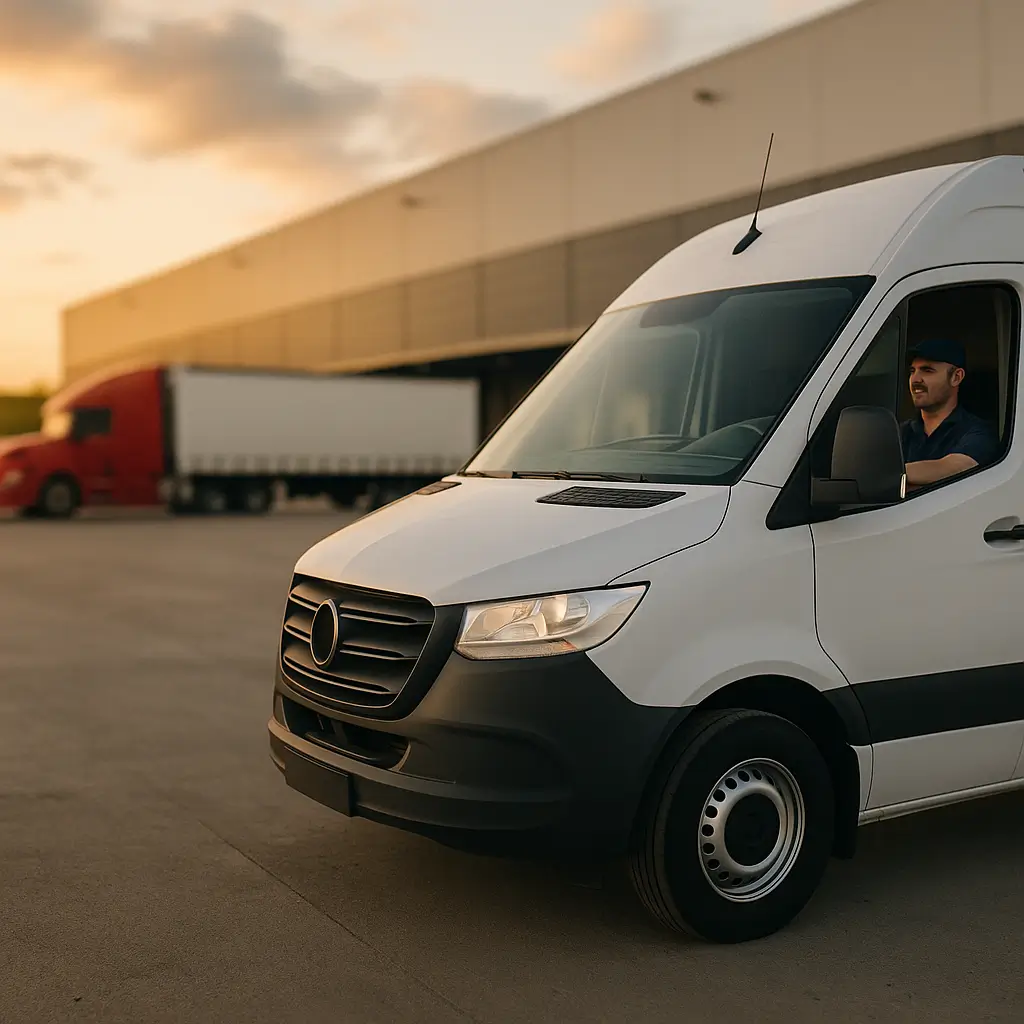

Sprinter van cargo insurance can cost $60–$200/mo. Compare annual vs. per-load coverage, limits, exclusions, and quotes.
Cargo insurance for sprinter van work is the coverage that pays when freight is stolen, damaged in a wreck, or ruined by a covered loss while it’s in your care. In 2026, cargo-only policies for many Sprinter operations commonly run $60–$200 per month, with the final price driven by cargo limit ($25k/$50k/$100k), commodity (electronics vs general freight), radius, garaging ZIP, and theft controls.
If you want a baseline number fast, start with a cargo van insurance quote for fast pricing and then tailor the limit and terms to what you actually haul and where you park.
Table of Contents
Reading time: 8 minutes
- Key takeaways
- 2026 Sprinter cargo insurance cost snapshot (and when per-load wins)
- What Sprinter van cargo insurance covers (and what it usually won’t)
- What coverage you need for Sprinter cargo work (required vs requested)
- How to keep Sprinter cargo insurance affordable (without breaking your COI)
- Frequently Asked Questions
- Conclusion

Key takeaways (the business version)
Cargo insurance is usually “required” by broker/shipper contracts (COI requirements), not by a single universal federal cargo mandate for every Sprinter operation.
- Contracts set the limit: Brokers/dispatchers commonly request $25,000, $50,000, or $100,000 cargo limits, and they’ll ask for a COI before tendering freight.
- Risk profile drives cost: Commodity, max load value, radius, garaging ZIP, and overnight parking plan often matter more than the Sprinter badge.
- Per-load can work: Per-load cargo can pencil for irregular work, but annual policies are often easier for frequent COIs and consistent dispatch.
- Read the exclusions: Unattended-vehicle wording and excluded commodities are common reasons claims get denied.
2026 Sprinter cargo insurance cost snapshot (and when per-load wins)
In 2026, cargo-only cargo insurance for sprinter van operators commonly prices around $60–$200/month for $25,000–$100,000 limits, before adding liability and physical damage.
Typical ranges by cargo limit (cargo-only)
These are practical “what you’ll often see” ranges for cargo-only coverage (not the full commercial package).
| Cargo limit | Typical deductible | Typical monthly range (cargo-only) | Who it fits |
|---|---|---|---|
| $25,000 | $500–$1,000 | $60–$120/mo | Local courier, general freight, lower max values |
| $50,000 | $1,000 | $90–$160/mo | Most brokered Sprinter loads, regular lanes |
| $100,000 | $1,000–$2,500 | $140–$200+/mo | Higher-value freight, tighter broker requirements |
For a full breakdown of what it costs to run a cargo van business in 2026, including insurance, equipment, and operating expenses, watch this:
Want the “why” behind the pricing levers (radius, claims, commodity, garaging)? This deeper breakdown is useful when you’re trying to control cost per mile: what affects the cost of truck insurance (pricing drivers).
Cargo-only vs a full commercial package (don’t confuse the numbers)
Cargo-only premium is not the same thing as your full commercial truck insurance premium, because liability and physical damage usually make up most of the total cost.
- Cargo insurance: Pays for covered loss/damage to freight in your care, custody, and control.
- Commercial auto liability: Pays when you cause bodily injury or property damage to others.
- Physical damage: Comprehensive/collision for the Sprinter itself.
- General liability: Premises/operations claims (often required at docks or facilities).
Per-load cargo insurance vs annual cargo insurance (quick decision framework)
Per-load cargo insurance is shipment-specific coverage, while annual cargo insurance is continuous coverage with a set cargo limit shown on a standing COI.
Per-load cargo can work when you:
- haul 1–3 loads per week,
- keep load values consistent and modest, and
- have a broker that accepts a per-load COI process.
Annual cargo usually wins when you:
- haul most days and need fast load acceptance,
- send COIs constantly, or
- touch higher-value or theft-sensitive freight.
What Sprinter van cargo insurance covers (and what it usually won’t)
Motor truck cargo insurance typically pays for covered loss or damage to freight you’re transporting, but every claim is subject to policy terms, exclusions, deductibles, and documentation requirements.
What it is (plain English)
Cargo coverage (often called motor truck cargo) is designed to cover freight while it’s in your care, custody, and control during transportation.
Cargo is one slice of a broader commercial package; if you want the “how the pieces fit” view (liability, cargo, physical damage, GL, bobtail/non-trucking), read: trucking insurance 101 (how cargo fits into a package).
Covered scenarios (common examples)
Coverage varies by form and carrier, but many cargo policies are built for situations like:
- Collision/overturn: Freight damaged in a covered accident.
- Theft from the vehicle: Often conditional (locked doors, forced entry, alarm/immobilizer, approved parking).
- Fire and certain weather losses: Coverage depends on the form and endorsements.
Cargo theft is a major exposure for light-freight operators; NICB cargo theft resources list common theft patterns and high-risk goods to watch.
Common exclusions that hit Sprinter operators
Unattended-vehicle and excluded-commodity wording are among the most common “gotchas” that turn a low premium into a denied theft claim.
- Unattended vehicle exclusions: Leaving the van overnight in an unapproved lot, unsecured location, or with keys accessible can trigger a denial.
- High-theft commodity exclusions: Electronics, phones, alcohol, certain medical goods, and other targeted items may be excluded or require an endorsement.
- Improper securement/packaging: Damage attributed to loading, blocking/bracing, or inadequate packaging may not be covered.
- Temperature control issues: Spoilage often requires specific reefer/temperature endorsements.
- Delay/loss of market: Late-delivery penalties aren’t the same as cargo damage.
For a deeper breakdown of policy forms and exclusions, see motor truck cargo coverage.
Claims documentation checklist (what you’ll want on Day 1)
Cargo claims are decided on documentation, and missing proof of value or chain of custody can slow or reduce payment.
- BOLs, rate confirmation, shipper invoice (value proof)
- POD and pickup/delivery timestamps
- Photos of damage, packaging, and the inside of the van
- Police report for theft
- Repair estimates and salvage documentation (if applicable)
What coverage you need for Sprinter cargo work (required vs requested)
For most Sprinter cargo operators, cargo insurance limits are set by broker/shipper contracts (COI requirements), while FMCSA insurance filings apply when you operate as a regulated motor carrier under your own authority.
Is cargo insurance required for a Sprinter van?
Often, cargo insurance is “required” by the load, not by a one-size-fits-all law. Many brokers and shippers will not tender freight until they see a COI that matches their minimum cargo limit and any special conditions.
For a full breakdown of what is required at the federal, state, and contract level, see cargo van insurance requirements.
When you’re running under your own authority, FMCSA publishes the federal starting point for insurance filings here: FMCSA insurance filing requirements.
Core coverages most Sprinter operators end up needing
A workable Sprinter insurance program usually includes liability, cargo, and physical damage, with general liability and bobtail/non-trucking added based on contracts and your operating model.
- Commercial auto liability: The coverage brokers care about first.
- Motor truck cargo: The freight you’re responsible for.
- Physical damage: Comprehensive/collision on the van.
- General liability: Common requirement at warehouses and docks.
- Non-trucking liability / bobtail: Depends on leased-on vs authority and when you’re “off dispatch.”
Not sure how commercial auto liability and general liability differ? This breakdown explains the distinction:
Underwriting also looks at compliance signals over time, including inspections and safety history, because it can affect premium and eligibility: DOT record and trucking insurance (compliance impacts premium).
Do you need a USDOT number or MC authority in a Sprinter?
USDOT/MC requirements depend on GVWR/GCWR, interstate vs intrastate operation, what you haul, and whether you’re leased-on or running your own authority.
FMCSA’s starting point for USDOT registration guidance is here: Do I need a USDOT number?
If you’re moving from leased-on to your own authority, get the filing and insurance timing right before you flip the switch: Prepare for FMCSA authority application (when you need authority/filings).
How to keep Sprinter cargo insurance affordable (without breaking your COI)
Insurance is a recurring operating cost in trucking, and cost-control usually comes from tighter risk details (commodity, parking, radius, deductibles) rather than shopping the same application every renewal.
If you are a solo operator, Sprinter van insurance for owner-operators explains how the full package — liability, cargo, and physical damage — usually comes together.
ATRI’s annual operational cost research is a useful reminder that insurance sits in the “can’t ignore it” category for carriers of all sizes: ATRI operational costs of trucking.
5 levers that actually move your premium
- Raise deductibles only if you have reserves: If a $1,000–$2,500 cargo deductible would wreck your fuel budget, don’t force it.
- Commodity discipline: If you don’t need high-theft freight, don’t ask to be rated for it.
- Overnight parking plan: Consistent garaging, monitored lots, cameras, and immobilizers help in theft-heavy metros.
- Bundle when it lowers total friction: Packaging cargo with liability/physical damage can improve COI workflow and reduce coverage gaps.
- Avoid lapses: A lapse can rate you like a brand-new venture even if you’ve been hauling for years.
Here is a deeper look at the factors underwriters actually weigh when pricing your policy:
For more ways to save without creating claim-denial risk, see: Affordable trucking insurance (ways to save without breaking requirements).
The mistakes that cause denied claims (and lost loads)
Most expensive cargo mistakes come from mismatched use, mismatched limits, or ignored exclusions—not from picking the “wrong company name” on the declarations page.
- Assuming a personal auto policy covers commercial delivery; NAIC notes that personal auto insurance usually does not cover vehicles used for work.
- Buying a cargo limit that’s below broker requirements (you risk both claim shortfalls and lost freight access).
- Ignoring unattended vehicle wording.
- Hauling excluded commodities “just this once.”
- Not updating your policy when your radius, lanes, or freight type changes.
If you want a short list of premium-killers to avoid, read: Top 5 mistakes that increase insurance costs.
If you’ve compared Sprinter work to hotshot-style operations, the pricing logic is similar (commodity + theft exposure + radius): Hotshot cargo insurance requirements (limits, exclusions & broker rules).
Frequently Asked Questions
Most Sprinter cargo FAQs come down to three numbers: your cargo limit ($25k/$50k/$100k), your deductible ($500–$2,500), and your actual maximum load value on the lanes you run.
For many Sprinter operations in 2026, cargo-only coverage often falls around $60–$200 per month, depending on cargo limit ($25,000, $50,000, or $100,000), commodity type, radius, garaging ZIP, prior claims, and theft controls (parking plan, alarm/immobilizer, locked/forced-entry requirements). Your total commercial truck insurance cost is usually higher once you add commercial auto liability and physical damage, which often drive most of the premium. If you want a quick baseline for your lanes and limits, start with a cargo van insurance quote for fast pricing.
Most brokers commonly request cargo limits of $25,000 or $50,000, with $100,000 showing up on higher-value freight, tighter shipper contracts, or specific lanes. The best rule is practical: your cargo limit should meet the broker/shipper contract and cover your maximum load value, because any gap can become out-of-pocket exposure after a theft or accident. Also confirm whether the contract includes special conditions (like unattended-vehicle rules, required parking types, or excluded commodities) so your COI matches what the load actually requires.
Per-load cargo insurance can be worth it when you haul irregularly (for example, 1–3 loads per week) and your shipments stay consistently low-to-moderate value, because you’re not paying for continuous coverage you won’t use. Per-load often becomes a bad fit when brokers require a standing annual COI, when you need same-day load acceptance, or when higher-value freight pushes per-load pricing close to (or above) an annual policy. Before choosing, compare your realistic weekly load count, your maximum load value, and how quickly you must produce COIs for your brokers or dispatchers.
You don’t always need DOT/MC authority to haul with a Sprinter van, because the requirement depends on your GVWR/GCWR, whether you operate interstate vs intrastate, what you haul, and whether you’re leased-on to a carrier or running under your own authority. FMCSA provides a starting point for DOT registration rules here: Do I need a USDOT number? If you’re planning to operate under your own authority, don’t guess on filing and insurance timing—use a step-by-step checklist like how to prepare for the FMCSA authority application.
It depends on your policy’s unattended-vehicle wording. Many motor truck cargo policies require that the vehicle be locked, parked in an approved or secured location, and sometimes equipped with an alarm or immobilizer before a theft claim is paid. If your van was left on a street, in an unsecured lot, or with keys accessible, the carrier may deny the claim. Before you rely on the policy for overnight parking, read the theft exclusions and confirm your parking plan meets the conditions.
Most Sprinter cargo policies offer deductible options from $500 to $2,500. A higher deductible can lower your monthly premium, but it also raises your out-of-pocket exposure on every claim. The practical rule is to choose the highest deductible you could pay from cash reserves without disrupting operations. If a $2,500 deductible would drain your fuel budget, a $500–$1,000 deductible is usually a safer floor even if it costs more monthly.
Almost never. Personal auto policies usually do not cover vehicles used for work, especially when the vehicle is used to carry property for a fee or in connection with a business. If you are hauling freight or making commercial deliveries under a personal policy and file a claim, the carrier can deny it, leaving both vehicle damage and cargo loss uncovered. Commercial delivery work in a Sprinter generally requires commercial auto, and cargo coverage is a separate line of coverage on top of that.
Most commercial insurance carriers can issue a Certificate of Insurance (COI) the same day coverage binds, sometimes within hours. When you quote, confirm the turnaround time with your agent and verify that the broker’s additional insured, waiver, and wording requirements can be met on that timeline. The fastest path is to bring the broker’s requirement sheet before binding so the COI is built correctly the first time.
It depends on the platform’s current carrier agreement and insurance verification process. Amazon Relay and similar platforms can require specific liability limits, endorsements, and verification through third-party systems, so a standard motor truck cargo policy may not satisfy every requirement by itself. If you are applying for or already hauling platform loads, confirm both cargo and liability requirements before relying on a standard Sprinter cargo quote.
Conclusion: Price the limit you need, then protect the claim
In 2026, cargo insurance for sprinter van operators commonly runs $60–$200/month for cargo-only coverage, but the “right” policy is the one that matches your max load value, broker COI requirements, and theft/exclusion wording.
If you buy the cheapest limit with the wrong terms, you can lose loads up front and lose the claim later. The fix is simple: match your limit to your lanes, then tighten the things underwriters care about (commodity, radius, and parking).
Key Takeaways:
- Choose a cargo limit that covers your real max load value (common tiers: $25k, $50k, $100k).
- Pick annual vs per-load based on how often you haul and how fast you must deliver COIs.
- Read theft, unattended-vehicle, and commodity exclusions before you rely on the policy.
When you’re ready, run a quick cargo van insurance quote for fast pricing, then adjust the limit and terms to match what you’re actually hauling.
If you are trying to get the right cargo limit for your Sprinter operation — whether that is $25k, $50k, or $100k — LogRock can help you match coverage to your lanes, broker COI requirements, and actual load values. Talk to our team to ask questions, review your options, and request a quote built around how you actually haul.
Speak with LogRock and get a Sprinter cargo quote




