Hot shot trucking insurance in California is not the same thing as personal auto, and it’s not a one-size-fits-all trucking policy either. What you need depends on what you haul, how you haul it, whether you run interstate or stay inside California, and whether you’re under your own authority or leased on to another motor carrier.
This guide breaks down the coverage hot shot operators actually need, what California and FMCSA rules mean in plain English, and what drives your premium up or down. If you run a pickup, dually, or medium-duty truck with a gooseneck or flatbed trailer, this is the practical version, not the forum-version.
What Counts as Hot Shot Trucking in California#
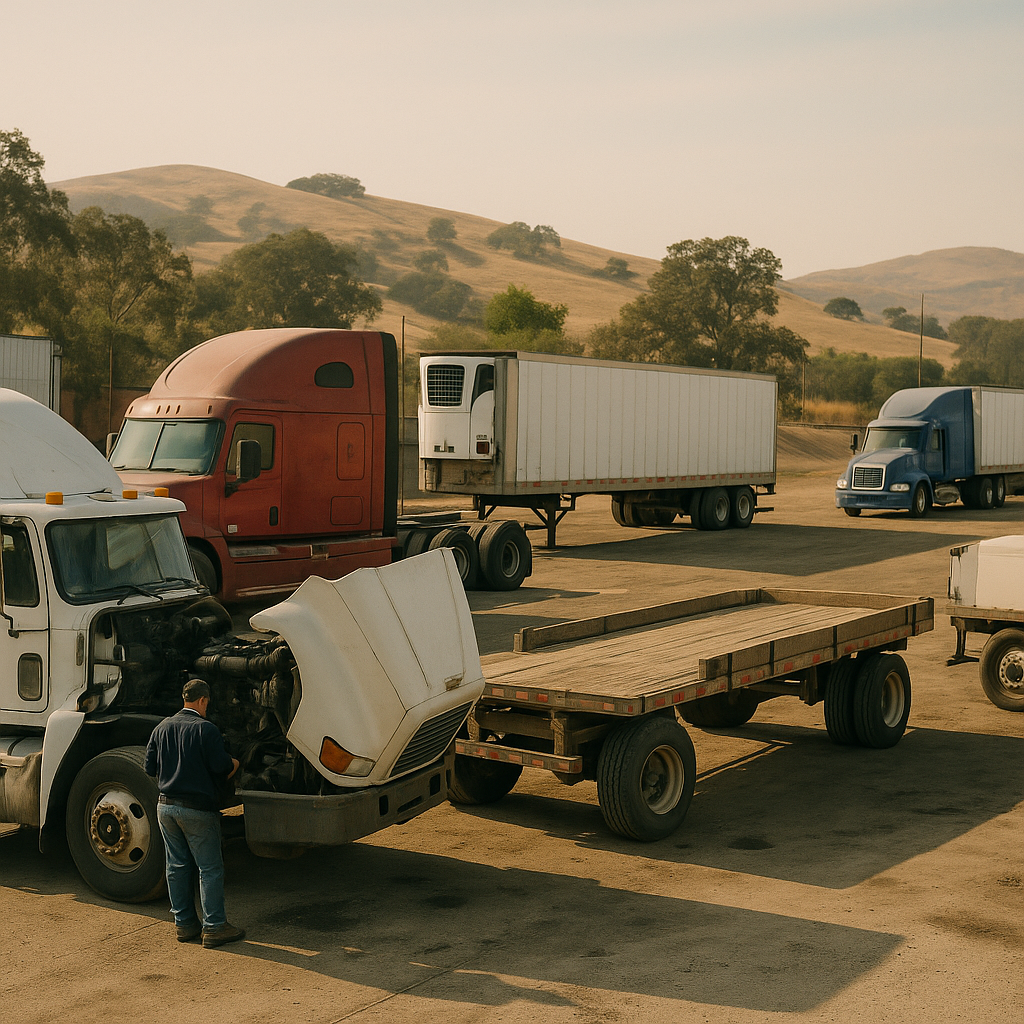
Hot shot trucking is smaller-scale commercial hauling that moves time-sensitive freight with a pickup, dually, or medium-duty truck, usually pulling a gooseneck or flatbed trailer. It’s commercial work, not personal use, and insurers underwrite it that way.
Hot shot vs. general trucking vs. personal pickup use#
A hot shot rig might look like “just a pickup and trailer,” but the insurance world treats it like a business vehicle the second you start hauling freight for money. General trucking often means larger tractors, box trucks, or straight trucks with broader freight profiles. Personal pickup use is different because it’s not tied to paid hauling, freight contracts, or brokered loads.
That difference matters because commercial use brings in exposure from cargo, job-site loading, trailer attachment, and highway miles. A personal auto policy usually won’t fit that risk, and trying to use one is a common way to get burned after a claim.
Why cargo, trailer, and operating radius matter to insurers#
Insurers price hot shot trucking based on what you haul, how far you run, and how the truck is used. A contractor moving equipment across metro California looks different from a hauler running agricultural freight up and down the Central Valley. A brokered expedited load headed out of state also looks different from local intrastate work.
Cargo type matters because some freight is easier to damage or steal. Trailer type matters because a gooseneck, flatbed, or equipment trailer creates different exposure. Radius matters because longer hauls mean more road time, more highway exposure, and more chances for loss.
Examples of common hot shot setups in California#
Think of a dually hauling palletized construction materials from Riverside to Los Angeles. Or a pickup and gooseneck moving farm equipment in the Central Valley. Or a small operator hauling expedited freight from California into neighboring states under their own authority.
Those are all hot shot setups, but they do not all need the same insurance package. The policy has to match the freight, the operating area, and the way the business is structured.
What Insurance Do I Need for Hot Shot Trucking?#
Hot shot trucking insurance starts with commercial auto liability, then builds out from there based on your freight, trailer use, and authority setup. Some coverages are core to the operation, while others are only needed in certain situations. The right package depends on whether you’re leased on, running under your own authority, hauling someone else’s trailer, or protecting your own equipment.
Required coverages by operation type#
Commercial auto liability is the anchor coverage for hot shot trucking. It protects against bodily injury and property damage to other people when your truck is involved in an accident during covered business use. The exact requirement depends on your carrier type, route, weight, and cargo, not on a blanket “everyone needs the same limit” rule.
For many hot shot operations, cargo coverage is also a serious consideration because the freight itself is what creates the revenue. If you damage or lose a load, the claim may hit your business directly. Physical damage coverage protects your truck, and if you own the trailer, that trailer may need its own protection structure too.
If you operate leased on to a motor carrier, the carrier’s program may handle some liability structure and filings, but that does not mean you’re fully covered for everything tied to your equipment or non-business use. If you run under your own authority, you usually need your own liability program and the related proof of financial responsibility structure.
For a deeper look at core trucking coverages and how they work together, see Trucking Insurance 101: 6 Critical Coverages for the Owner-Operator’s Cash Flow.
Optional coverages that close common gaps#
Cargo coverage protects freight, not the truck. It matters when your income depends on delivering load after load without eating the cost of a damaged shipment. Physical damage covers your truck itself, usually through collision and comprehensive-type protection.
Non-trucking liability, often called bobtail insurance, is for certain non-business driving situations. It does not cover you while you’re hauling for pay. Trailer interchange applies when you’re using someone else’s trailer under a trailer interchange agreement. Non-owned trailer physical damage is different and often fits operators who use trailers they don’t own but still need physical damage-style protection.
Downtime-style protection or rental reimbursement can help keep a one-truck business moving if the rig is in the shop. It’s not universal, but if your truck is your income, it deserves a hard look.
What changes when you are leased-on vs. running under your own authority#
Leased-on operators often work under the motor carrier’s authority and insurance structure. That can shift some liability and filing responsibilities to the carrier, but it doesn’t erase your need to protect your truck, trailer, or business exposure. You still need to know what the motor carrier covers and what it doesn’t.
Owner-operators under their own authority usually need their own liability setup, their own filings, and a policy built around their freight scope. A single-truck owner-operator hauling general freight under own authority may need a different combination of auto liability, cargo, and physical damage than a leased-on driver hauling under someone else’s program.
The mistake is assuming “same truck, same policy.” The use case matters more than the badge on the door.
California Requirements: State Rules, FMCSA Rules, and What Actually Applies#
California hot shot insurance requirements depend on whether you run only inside the state or cross state lines. FMCSA rules apply to interstate operations, while California can have different expectations for intrastate work. Before you bind a policy, verify the scope of your operation, the carrier type, and the proof of financial responsibility your insurer will file or document.
Intrastate vs. interstate hot shot hauling#
If you stay inside California, state rules and licensing context can shape what you need. If you cross state lines, FMCSA rules come into play. That’s the first fork in the road, and it changes how an insurer scopes liability, filings, and authority.
Interstate work is where federal motor carrier rules become a central reference point. California intrastate work can have different expectations, and quote shoppers should never assume a federal shortcut automatically covers a state-only operation.
How carrier type and gross vehicle weight affect requirements#
Requirements can change based on whether you haul for-hire or privately, the weight of the vehicle, and the kind of freight you carry. Under 49 CFR Part 387, federal minimum liability rules for interstate carriers depend on the operation, and the common shorthand everyone repeats often leaves out the part that actually matters: scope.
If you’re trying to compare a policy to your operation, ask the insurer how your class of business is coded, whether your vehicle weight changes the limit, and whether your cargo creates a higher requirement. That’s how you avoid buying the wrong form of liability and calling it good enough.
Where federal filings and proof of financial responsibility fit#
For interstate operations, proof of financial responsibility is the paper trail that shows you meet the rules. The MCS-90 endorsement is a common filing concept tied to motor carrier liability programs, and it matters because it shows the federal side of the risk is addressed. For authority and public safety context, carriers can also be checked through SAFER.
If you’re just starting your authority, it helps to understand the filing side before you shop. LogRock’s guide on Start Your Trucking Company: 6 Steps to Prep Your FMCSA Authority Application walks through the setup process.
California policy shoppers should also keep the California Department of Insurance in mind for state-level insurance context, especially if the operation is intrastate or the quoting conversation gets tangled in assumptions from other states.
CDL vs Non-CDL Hot Shot: Why It Matters for Insurance#
CDL status changes how insurers look at the risk, what rigs they may quote, and sometimes what kind of freight they’ll consider. Non-CDL does not mean “personal auto is fine,” and it does not lower your responsibility to match the policy to commercial use. It just means the licensing and vehicle profile are different.
What CDL status changes in underwriting#
A CDL can affect underwriting because it signals a different class of driving exposure, equipment, and regulatory expectations. Non-CDL equipment may still be commercial, but the profile can look different to an insurer. That can affect eligibility, pricing, and the questions they ask about freight and operations.
Examples of CDL and non-CDL hot shot rigs#
A non-CDL hot shot setup might be a pickup and trailer under the weight threshold for CDL requirements, but it’s still doing paid hauling. A CDL setup might use heavier equipment or operate in a way that pushes the operation into a different licensing and underwriting bucket.
Either way, the truck is being used commercially. The policy has to reflect that.
Common mistakes operators make when assuming non-CDL means lower insurance needs#
The big mistake is thinking non-CDL equals personal use. It doesn’t. Another mistake is buying the minimum protection that looks okay on paper but leaves the truck, trailer, or freight exposed in the real world.
If your setup is commercial, underwriters still want to know what you haul, how you dispatch, where you park, and whether the trailer is yours, borrowed, or interchanged. Non-CDL changes the profile, not the need for a commercial policy.
How Much Does Hot Shot Trucking Insurance Cost in California?#
Hot shot trucking insurance in California can vary a lot because the insurer is pricing your exact operation, not just your truck. Driving record, years in business, cargo type, radius, truck and trailer value, claims history, authority type, and interstate versus intrastate work all matter. The right way to think about it is as a business expense shaped by risk, not a fixed monthly number.
The biggest cost drivers insurers look at#
Insurers usually start with the driver and the truck. A clean driving record, a stable operating history, and better documentation can help. A recent claim, a poor MVR, or a spotty DOT history can push the quote up or make some carriers pass entirely.
Then they look at the equipment. A newer truck, a high-value trailer, or a specialized setup can cost more to insure than older, lower-value equipment. Cargo matters too. Expedited freight, equipment hauling, or higher-value loads can change the risk picture. Radius and route also matter, especially if you run busy California corridors or cross state lines often.
How own authority vs leased-on changes cost shape#
Own authority usually means you’re building your own liability structure, which can change the way the overall package prices out. Leased-on operations may have a different liability arrangement because the motor carrier’s program covers part of the exposure structure, but that doesn’t automatically make the total cost light or simple.
Think of it this way: a leased-on driver may have less filing burden but still need coverage for the truck, trailer, and gaps the carrier doesn’t touch. A single-truck owner-operator under own authority often has more moving parts in the quote because the policy has to stand on its own.
Examples of what can push a quote up or down#
A newer owner-operator hauling expedited freight with a high-value trailer and regular interstate runs will often price differently than a local intrastate hauler with older equipment and a narrower freight profile. That doesn’t mean one is “better” or “cheaper” in a universal sense. It means the risk is different.
California-specific underwriting may also factor in local traffic, parking, theft exposure, and route profile. If the truck is garaged in a high-loss area or parked where the insurer sees more theft or damage risk, that can affect the premium.
Your actual premium depends on your operation, cargo, radius, and driving history. For more ways to think about policy design and premium drivers, see DOT Record and Trucking Insurance: How a Clean Score Protects Your Margins.
Coverage Options Hot Shot Operators Should Evaluate#
The right hot shot policy usually starts with liability, then adds cargo, physical damage, and trailer-related protection based on how you actually run. Some coverages are business-critical, while others are nice to have if your cash flow can support them. The goal is to close gaps without paying for coverage that doesn’t fit the operation.
Cargo coverage#
Cargo coverage protects the freight you haul. It’s tied to what you actually carry, so the insurer will want a clear description of the cargo class and any special handling concerns. If you haul general freight one week and machinery the next, that matters.
Common exclusions can include poor packaging, prohibited cargo types, or freight you didn’t declare. If the load is the business, cargo coverage deserves serious attention.
Physical damage and trailer-related coverage#
Physical damage protects your truck if it’s damaged in a collision, fire, theft, or similar covered event. That matters because the truck is usually the revenue engine for a hot shot operator. If you own the trailer, trailer protection can be separate, and if you use someone else’s trailer, the coverage structure may change again.
Trailer interchange and non-owned trailer physical damage are not the same thing. The right one depends on whether you’re dealing with a signed interchange agreement or just using a trailer that isn’t yours.
Non-trucking liability, bobtail, and downtime-style protection#
Bobtail or non-trucking liability can matter for leased-on operators when they’re driving the truck outside of paid hauling. It does not cover you while working a load, and it doesn’t replace commercial auto liability.
Downtime-style protection or rental reimbursement can help keep a one-truck business from going dark while the rig is being repaired. It’s not required across the board, but for owner-operators who live off one unit, that can be a smart conversation.
How to Lower Premiums Without Creating Coverage Gaps#
You can often improve your quote by tightening the information you give the insurer and aligning the policy with the real operation. The trick is lowering friction, not stripping protection off the truck just to chase a lower number. Underinsuring cargo or physical damage can hurt more than the premium ever helped.
Underwriting prep that helps quotes#
Get the basics right before you shop: accurate garaging address, VINs, trailer info, authority status, freight description, and driver history. If you’ve got clean paperwork and a clear operating profile, the underwriter can price the operation faster and with fewer follow-up questions.
A solo owner-operator can usually pull this together in one sitting: title or lease info, MVR details, DOT or MC numbers if applicable, and a plain-English description of what gets hauled.
Policy design choices that affect price#
Choose only the coverages that fit your actual work, but don’t confuse “lean” with “thin.” If you never use a trailer interchange agreement, you may not need that coverage. If you own an expensive trailer, leaving it naked can be a bad trade.
The same goes for cargo limits. Match them to the loads you actually haul, not the biggest number someone mentioned in a truck stop conversation.
For a broader look at premium levers, see Affordable Trucking Insurance: 10 Levers to Pull to Lower Your Premiums.
Operational habits that reduce risk over time#
Clean driving, maintenance, and documentation matter. So does parking in safer places, keeping good records, and avoiding fuzzy freight arrangements that don’t fit your filings. A better DOT record and fewer surprises in the file can make a real difference over time.
The point is simple: insurers like predictable operations. If you can show them a disciplined business, you give them fewer reasons to load the quote.
Quote Checklist: What to Gather Before You Shop#
Before you request quotes, gather your authority details, truck and trailer information, and driver history. The cleaner your input, the less back-and-forth you’ll deal with. For a one-truck or small-fleet operator, that saves time and helps the insurer match the policy to the real operation.
Business and authority details#
Have your DOT number, MC number if you have one, operating authority status, and whether you run intrastate or interstate. If you’re leased on, know the motor carrier name and how the arrangement works.
Truck, trailer, and cargo information#
Bring VINs, year/make/model, trailer details, and a plain description of the freight you haul. If you use borrowed, rented, or interchanged trailers, say so up front.
Driver and loss history details#
Have your driver record, prior claims, and loss runs ready if you have them. If you’re a newer operator, be honest about that too. The quote process goes smoother when the underwriter doesn’t have to guess.
Why the Right Provider Matters in Hot Shot Trucking#
Hot shot risk is specialized. A good provider should ask about your operating scope, freight, authority, and trailer setup, not just collect a VIN and spit out a generic number. That matters even more in California, where intrastate, interstate, leased-on, and cargo-specific details can change the fit fast.
You want someone who understands the gaps, asks about exclusions, and knows what filings and coverages actually line up with your work. If you’re comparing options, make sure the conversation goes beyond price and into policy structure.
Conclusion: Match the Policy to the Way You Haul#
The best hot shot policy is the one that matches how you actually run. Start by nailing down your operating scope: intrastate or interstate, own authority or leased-on, CDL or non-CDL, and what freight you haul. Then confirm the liability structure that fits that setup, and add cargo, physical damage, trailer, or non-trucking coverage where it makes sense.
A lot of operators get into trouble by buying something that looks like truck insurance but behaves like personal auto when it matters. Don’t do that. Review the whole setup before you bind coverage, especially if your truck, trailer, or freight profile has changed.
If you’re not sure your current setup lines up with the policy you’re about to buy, it’s worth slowing down and getting a review.
FAQ#
What insurance do I need for hot shot trucking?
The core coverage is commercial auto liability, because hot shot trucking is commercial hauling, not personal driving. From there, the right package usually depends on your setup. If you haul freight, cargo coverage may matter. If you own the truck, physical damage helps protect the rig. If you’re leased on, bobtail or non-trucking liability may come into play when you’re driving outside of paid hauling. The best answer depends on whether you’re under your own authority, leased on, and what you haul.
How much does Hotshot trucking insurance cost?
There isn’t a universal price, because insurers price the operation, not just the truck. Driving record, years in business, cargo type, truck and trailer value, operating radius, claims history, and whether you run interstate or intrastate all affect the quote. A newer owner-operator hauling high-value expedited freight will usually price differently than a local hauler with older equipment. Your actual premium depends on your operation, cargo, radius, and driving history.
Do I need a CDL for hot shot trucking insurance?
Not always, but CDL status still matters. Some hot shot rigs fall under non-CDL thresholds, while others need a CDL based on weight or operating profile. Even if you don’t need a CDL, you still need a commercial policy that fits business use. Non-CDL does not make personal auto acceptable, and it does not remove the need for cargo, trailer, or physical damage decisions based on how you operate.
Does California have different hot shot insurance rules than FMCSA?
It can, depending on whether you operate intrastate or interstate. FMCSA rules apply to interstate motor carriers, while California can have its own expectations for state-only operations. That means the same truck might face different insurance and filing questions based on where it runs. Before you bind coverage, confirm whether your operation crosses state lines, what authority you have, and what proof of financial responsibility your insurer will file or document.
What should I have ready before getting a quote?
Have your DOT and MC numbers if applicable, VINs, trailer details, cargo description, operating authority status, and loss history. If you’re leased on, have the motor carrier information ready too. Better prep shortens the quote process and helps the insurer match coverage to the real business. If the underwriter has to guess at your freight, trailer use, or route pattern, the quote usually gets slower and less accurate.