
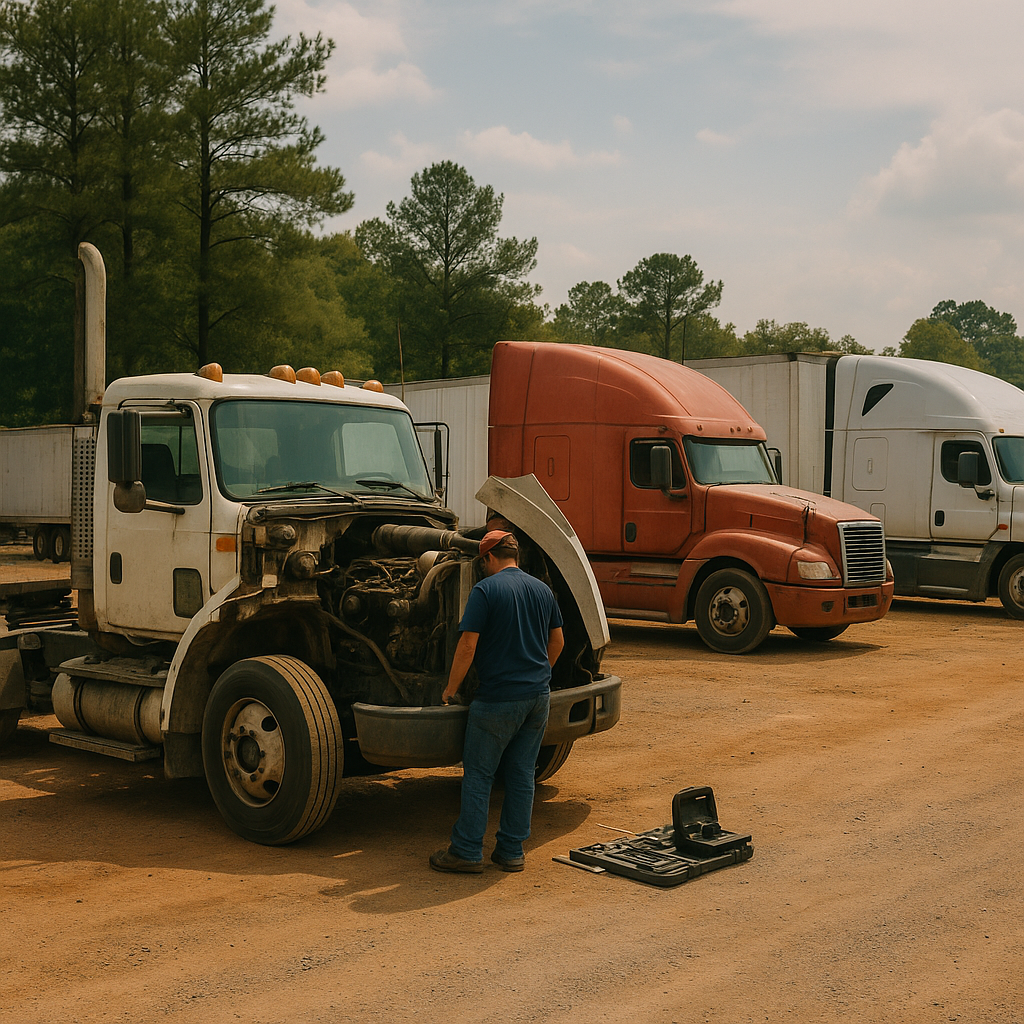

Georgia non-trucking liability insurance covers liability claims when an owner-operator uses a truck for personal, off-dispatch driving. It does not replace primary commercial auto liability for hauling freight, and it does not automatically cover every unloaded trip. The hard part is knowing when you’re truly off the clock and when policy wording says you’re still in a business use.
A lot of Georgia drivers hear "bobtail" and "non-trucking" used like they’re the same thing. They aren’t. If you’re leased to a motor carrier, that mix-up can leave a real gap when you’re driving home, running a personal errand, or moving the truck without a load.
This guide breaks down what non-trucking liability means, what it usually covers, what it excludes, and how to avoid buying the wrong thing.
What Non-Trucking Liability Insurance Means in Georgia#
Georgia non-trucking liability insurance is liability coverage for personal, off-dispatch use of a commercial truck. In plain terms, it may apply when you’re not hauling freight, not under dispatch, and not using the truck for business. It is separate from the primary auto liability that covers trucking operations under federal or carrier requirements.
Plain-English definition#
Non-trucking liability insurance is liability coverage designed for an owner-operator’s personal use of a truck when the truck is not being used in the business of trucking. Liability coverage means insurance for damage or injuries you cause to other people, not damage to your own truck.
If you take your tractor to get dinner after parking for the day, or drive it home while truly off dispatch, this is the kind of coverage people usually mean. It’s there for third-party bodily injury or property damage, not for cargo claims or repairs to your own rig.
This is different from primary commercial auto liability, which is the liability coverage tied to trucking operations and financial responsibility rules for motor carriers. Under 49 CFR Part 387, federal financial responsibility rules deal with public liability for motor carriers, not with personal off-duty use as a separate mandatory category.
Who usually buys it#
Leased owner-operators are the most common buyers. A motor carrier is the company operating under its authority to transport property or passengers, and that carrier’s main liability policy may not follow you into every personal-use situation.
A single-truck owner-operator in Georgia might buy NTL because a lease requires it, because the carrier expects it, or because the driver wants protection during true personal use. Small fleets may need a different setup, especially if the truck isn’t leased on the same way an individual owner-operator is.
How Georgia fits in#
Georgia does not create a special standalone non-trucking liability mandate just because your truck is based in Georgia. The need usually comes from the lease, the carrier relationship, and the risk gap between on-dispatch and off-dispatch use.
That matters because drivers often confuse state insurance rules with federal trucking requirements. Georgia registration and insurance issues are one thing; off-dispatch liability gaps are another.
What It Covers and What It Excludes#
Non-trucking liability usually covers third-party injury or property damage when you use the truck for personal reasons while off dispatch. It generally does not cover cargo, damage to your own truck, or accidents that happen while you’re doing trucking work. The exact line between covered and excluded use depends heavily on the policy form.
Typical covered claims#
A practical example helps. Say you parked for the day, you’re not under dispatch, and you take the tractor on a short personal trip to grab groceries. If you cause an accident and hurt someone or damage their car, NTL may respond to that third-party claim.
Another example: you drive the truck from a safe parking spot to your home while off duty and not under a load assignment. If that trip qualifies as personal use under your policy, this is the kind of situation NTL is meant for.
The key idea is personal use. If the trip is not connected to hauling, repositioning for work, picking up equipment for the carrier, or moving toward the next load, you may be in NTL territory.
Common exclusions#
Physical damage coverage is insurance for damage to your own truck, usually through collision and comprehensive-type protection. NTL is not physical damage coverage, so it won’t pay to fix your tractor after your own accident.
It also doesn’t usually cover:
- Cargo claims
- Work-related trips
- Hauling freight
- Being under dispatch
- Many deadhead or repositioning moves tied to business use
A deadhead trip means driving with an empty trailer or no cargo, often as part of a business move. An unloaded truck is not automatically on a personal trip. If you’re heading to pick up a load, returning from a delivery, or moving where the carrier needs you, many policies treat that as business use, not non-trucking use.
This is where drivers get burned. If you assume "no trailer" or "empty truck" means personal use, you can end up with a denied claim. If you’re not sure where your gap is,
Why policy wording matters#
The NAIC is the National Association of Insurance Commissioners, a standard reference for plain-language insurance concepts and how policy terms affect coverage. In plain terms, insurance works by the actual contract language, not by what a forum post says a term "usually" means.
One carrier may define non-trucking use more narrowly than another. Another may treat certain trips to a terminal, repair stop, or home base differently. That’s why the endorsement language matters more than shorthand like "bobtail insurance covers empty miles."

Bobtail, Deadhead, and Non-Trucking Use: How They Differ#
Bobtail, deadhead, and non-trucking use describe different things. Bobtail describes the truck’s configuration, deadhead describes an empty business move, and non-trucking use describes the purpose of the trip. The purpose of the trip usually matters most for whether NTL applies.
Bobtail explained#
Bobtail usually means driving a tractor without a trailer attached. That’s about the truck’s physical setup, not automatically about whether you’re working or off duty.
You can bobtail from a terminal to a repair shop because the carrier told you to. You can also bobtail from a parking yard to your house for purely personal reasons. Same tractor setup, two very different coverage situations.
Deadhead explained#
Deadhead means driving empty, usually after a delivery or while moving toward the next load. It’s often still part of trucking business operations.
A Georgia owner-operator who drops a load in Macon and drives empty to Atlanta for the next pickup is deadheading. Even though the truck is unloaded, that trip is still tied to the job.
Why the terms get mixed up#
Drivers mix these up because all three can involve a truck with no cargo, no trailer, or both. But NTL is about whether the trip is personal and off dispatch, not whether the truck looks "empty."
A truck can be bobtailing for a personal meal run and maybe fit NTL. A truck can also be deadheading under dispatch and likely not fit NTL. Don’t assume unloaded miles are personal miles.
Is Non-Trucking Liability Required in Georgia?#
Non-trucking liability is usually not a universal Georgia legal requirement for owner-operators. More often, it is required by a lease agreement, by a motor carrier’s onboarding rules, or by the driver’s need to cover off-dispatch personal use. The real question is less "Does Georgia mandate it?" and more "Who is responsible when I’m using the truck personally?"
When it is required by contract#
A leased owner-operator may be told to carry NTL because the carrier’s primary liability is built around business use. The carrier wants a clear line: its policy for trucking operations, your policy for personal off-dispatch use.
That can show up in the lease packet, insurance requirements sheet, or onboarding checklist. If your agreement says you must maintain NTL, then functionally it’s required for your setup even if Georgia law doesn’t name it as a standalone statewide mandate.
When it is optional#
If you never use the truck personally, or your operation is structured differently, NTL may not make sense. Some operators need another approach based on how the truck is titled, dispatched, or insured under the carrier arrangement.
The mistake is assuming optional means unnecessary. If you drive the truck off dispatch for personal reasons and no other policy clearly covers that use, you may have a gap.
Georgia-specific considerations#
FMCSA is the Federal Motor Carrier Safety Administration, the federal agency overseeing motor carrier safety and registration rules. FMCSA rules and SAFER status checks help clarify your operating setup, but they do not turn NTL into the same thing as federal primary liability.
The Georgia Office of Commissioner of Insurance and Safety Fire is the state source for Georgia insurance regulation. In practice, Georgia-specific questions often come down to policy language, lease terms, and how your truck is being used on the date of loss, not a blanket Georgia NTL mandate.
How Much Non-Trucking Liability Insurance Costs#
Georgia non-trucking liability insurance cost depends on the driver, the truck, the lease setup, the insurer’s underwriting rules, and how narrowly the policy defines personal use. There is no universal monthly price that fits every owner-operator. A quote is only useful if it matches how you actually use the truck.
What affects price#
Your actual premium depends on your operation, cargo, radius, driving history, and other factors. Even though NTL is off-dispatch coverage, insurers still look at the overall risk profile behind the truck and driver.
Common cost drivers include:
- Driving history
- Years of CDL experience
- Claims history
- Garaging location in Georgia
- Policy limits
- Truck value when paired with other coverages
- Whether the truck is leased to a carrier
- How often the truck is used personally
Examples of cost drivers#
A clean-record owner-operator with stable lease paperwork and a clear off-dispatch use pattern will usually present differently than a newer driver with recent violations. A driver with prior liability claims may also see tighter underwriting or narrower options.
Here’s a practical way to think about it. If Driver A only uses the tractor to go home from a secured yard and has a strong loss history, the file tends to look cleaner than Driver B, who uses the truck for frequent mixed personal and work-adjacent trips. If a prior claim involved disputed dispatch status, the next insurer may scrutinize the wording more closely.
How to compare quotes#
The cheapest-looking quote can be the wrong quote if the policy excludes the trip you thought it covered. Ask how the carrier defines personal use, whether deadhead is excluded, and whether any work-related errands void coverage.
Also ask how NTL interacts with physical damage, general liability, or trailer-related coverages if you’re building a full package. LogRock specializes in trucking insurance for owner-operators and small fleets, so if you’re trying to sort out policy fit instead of just collecting prices, [](https://www.logrock.com/?utm_source=BLOG&utm_campaign=georgia-non-trucking-liability-insurance).
Does GEICO Offer Non-Trucking Liability Insurance?#
GEICO may or may not offer non-trucking liability insurance for your setup, depending on state availability, underwriting appetite, and how the truck is operated. The right move is to verify the exact coverage form, not assume a recognizable brand name means true NTL for a leased owner-operator. Availability can change.
What to verify before you call#
Tell them whether you’re an owner-operator, whether you’re leased to a motor carrier, and whether the truck is used personally off dispatch. Ask if the quote is specifically for non-trucking liability insurance, not personal auto and not a generic commercial auto form that misses the gap.
How to compare an offer#
Compare the actual trigger for coverage. Does it apply only when fully off dispatch? Does it exclude trips to a terminal or repair shop? Does it say anything about deadhead or bobtail use?
What to ask any insurer#
Ask these questions before you buy:
- When exactly does coverage apply?
- Is deadhead included or excluded?
- Does being leased to a carrier change eligibility?
- Are work-related errands excluded?
- What document shows the actual endorsement wording?
How to Choose Coverage Without Leaving Gaps#
The safest way to choose NTL is to match the policy to your real operating status, not to the label another driver used. Check your lease, check the carrier’s insurance requirements, and check how the policy defines off-dispatch use. Most bad surprises happen when those three don’t line up.
Match the policy to your operating status#
If you’re leased on and occasionally use the tractor personally, NTL may make sense. If the truck is always in business use or the carrier handles things differently, another structure may fit better.
Check lease and carrier wording#
Read the lease language carefully. If the carrier says you must carry NTL, confirm whether they also expect proof of primary liability, physical damage, or trailer-related coverage.
Pair NTL with other coverages as needed#
Depending on the operation, NTL may sit alongside physical damage, general liability, or non-owned trailer physical damage. That’s especially true if you want protection for your own truck or for trailer exposure, because NTL only addresses third-party liability during qualifying personal use.
Before you bind anything, use this short checklist:
- Confirm whether you’re leased to a motor carrier.
- Ask when the carrier’s policy starts and stops.
- Identify any true off-dispatch personal use.
- Read the NTL endorsement for exclusions.
- Match certificates to the lease requirements.
Frequently Asked Questions#
Is non-trucking liability required?
Non-trucking liability is usually not a universal Georgia law requirement by itself. In most cases, it becomes required because your lease agreement, motor carrier, or operating setup says you need coverage for personal off-dispatch use of the truck. If you are leased to a carrier and use the tractor outside business operations, NTL is often the policy used to fill that gap.
The smart move is to check three things together: your lease, the carrier’s insurance requirements, and the policy wording. If those don’t match, you can think you’re covered when you’re not.
Does GEICO offer non-trucking liability insurance?
GEICO may offer it in some situations, but availability can vary by state, underwriting rules, and your trucking setup. If you’re checking GEICO non-trucking insurance, confirm that the quote is specifically for non-trucking liability and not just personal auto or a general commercial auto policy.
Also ask whether being leased to a carrier affects eligibility, whether deadhead is covered, and what counts as off-dispatch personal use. Brand recognition doesn’t replace endorsement language.
Does non-trucking liability cover deadhead?
Usually not if the deadhead trip is tied to business operations, but the exact answer depends on the policy wording. Deadhead usually means you’re driving empty in connection with work, such as heading to a pickup or leaving a delivery. That is different from true personal use.
This is one of the biggest misunderstandings in trucking insurance. Empty does not automatically mean off duty. If the trip benefits the motor carrier or moves you toward the next load, many NTL policies will not treat it as covered personal use.
Is bobtail insurance the same as non-trucking liability?
No. Bobtail usually describes driving a tractor without a trailer, while non-trucking liability describes personal, off-dispatch use. A bobtail trip can be personal, but it can also be work-related.
That’s why the words get mixed up so often. If you’re bobtailing to a terminal because the carrier told you to, that may not qualify for NTL. If you’re bobtailing home while truly off dispatch for personal reasons, it might. The purpose of the trip matters more than whether a trailer is attached.
Can a small fleet buy non-trucking liability?
Sometimes, but it depends on how the trucks are operated and insured. NTL is most commonly associated with individual owner-operators leased to a motor carrier. A small fleet with multiple trucks under its own structure may need a broader commercial setup instead of, or in addition to, NTL-style off-dispatch protection.
If you run two to five trucks, don’t assume the same solution used by a single leased owner-operator fits your operation. The policy has to match who controls dispatch, who carries primary liability, and whether any trucks are used personally.





