
A motor truck cargo coverage claim is about the freight in your trailer, not damage to your truck. If a load is stolen, damaged in a wreck, gets wet, or spoils, the claim outcome depends on your policy wording, cargo type, limits, and how the loss happened.
What Motor Truck Cargo Coverage Is#
Motor truck cargo coverage is insurance for freight you’re hauling for someone else. It usually responds to covered loss, damage, or theft of cargo in transit or during covered handling, but it does not insure the tractor itself.
Plain-English definition#
Motor truck cargo coverage means insurance designed to protect the value of a customer’s freight while a for-hire carrier transports it. In plain terms, it’s the policy that may pay when the load is damaged, stolen, or destroyed in a covered event.
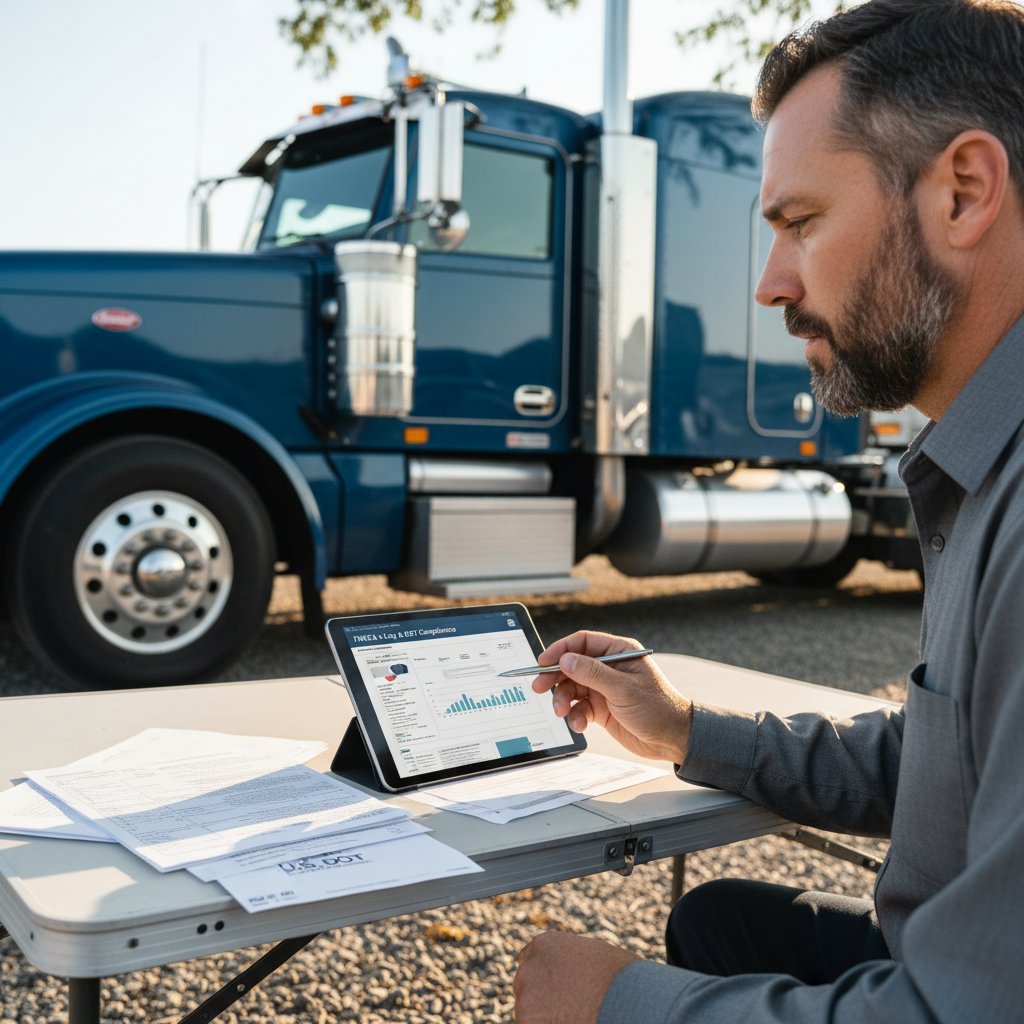
This is where a lot of owner-operators get tripped up. Your USDOT number, MC number, and FMCSA registration deal with operating authority and compliance, but they do not by themselves tell you what your cargo policy covers. FMCSA rules focus heavily on operating authority and liability filings, while cargo coverage is a separate insurance question tied to your actual hauling setup, commodity, and policy wording. See FMCSA for the federal registration side.
A motor truck cargo coverage claim only works if the loss fits the policy. That means the commodity, cause of loss, handling situation, and limits all matter.
How it differs from truck physical damage#
Physical damage is insurance for your truck or trailer for things like collision, fire, theft, and other covered damage. Motor truck cargo coverage is for the freight inside or on the equipment, not the equipment itself.
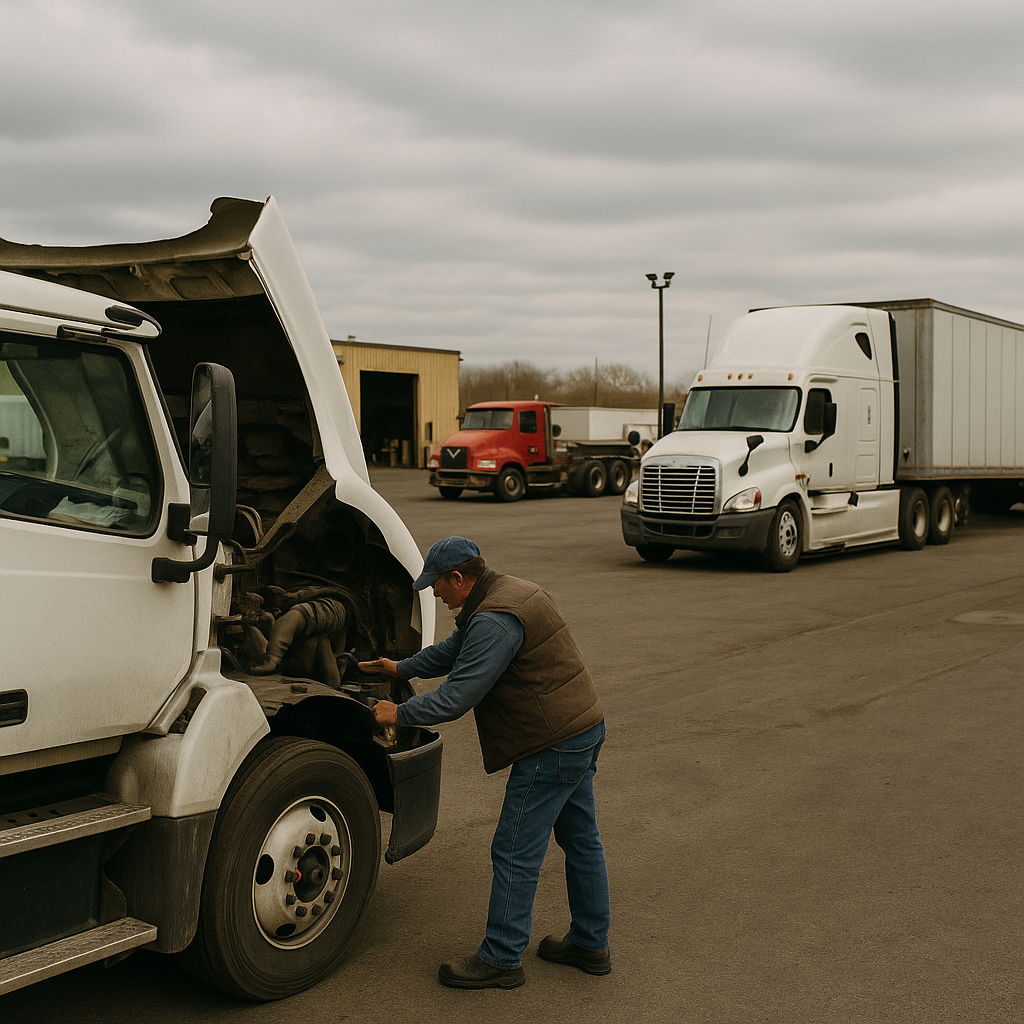
If you rear-end somebody and your hood, bumper, and fairing are crushed, that points to physical damage. If the same crash destroys pallets of freight in the trailer, that’s where a cargo claim may come into play.
Who usually buys it#
Motor truck cargo coverage is usually bought by for-hire carriers hauling freight for customers. That includes many owner-operators running under their own authority and some small fleets that need proof of cargo coverage to book loads or satisfy shipper contracts.
Some brokers and shippers expect specific limits before they tender freight. Others may restrict certain commodities unless your policy specifically allows them.
What Cargo Losses Are Usually Covered#
Motor truck cargo coverage usually covers freight damaged by a covered accident, stolen cargo, fire-related loss, and some other direct physical loss events. But “usually” matters here, because refrigerated freight, high-theft commodities, and certain handling situations often need special wording or endorsements.
Transit damage and theft#
A covered transit loss often starts with a crash, rollover, hard brake event, or shifting load that damages the freight. Theft can also be covered when cargo is stolen from a covered situation, subject to policy conditions about where the unit was parked, how it was secured, and how quickly the theft was reported.
An adjuster is the insurance professional who investigates the loss and helps decide what the policy owes. The adjuster will want the facts lined up with the paperwork, especially the bill of lading. A bill of lading is the shipping document showing what was picked up, where it was going, and in what apparent condition.
Water, fire, and temperature-related loss#
Cargo policies often respond to fire loss and some types of water damage, but not every wet load gets paid. If water came from a crash, weather event, or another covered cause, the claim may fit. If the issue traces back to packaging failure, ordinary leakage, or a cargo trait that caused the damage on its own, the result can be very different.
Temperature-sensitive freight needs extra attention. Reefer losses often depend on whether the policy includes the right endorsement. An endorsement is a policy change that adds, removes, or modifies coverage.
Loading and unloading events#
Some cargo claims happen before the wheels really start turning. Freight can be dropped, crushed, contaminated, or otherwise damaged during loading or unloading, but whether that’s covered depends on the policy form and how the handling happened.
This is where small wording differences can turn into a denied claim. If you’re not sure whether your setup matches the freight you haul,
What Is Not Covered or Commonly Denied#
Motor truck cargo claims are commonly denied when the loss came from excluded causes, the cargo wasn’t approved under the policy, or the paperwork doesn’t support what happened. The biggest trouble spots are packaging problems, commodity mismatches, unattended theft conditions, and missed policy requirements.
Wear and tear or poor packaging#
Many cargo policies do not cover ordinary leakage, wear and tear, or damage caused by bad packaging. Inherent vice is a built-in quality of the cargo that causes it to spoil, rot, rust, evaporate, or break down without an outside covered event.
That’s a big distinction. If produce spoils because it was already unstable, or freight shifts because it was badly loaded before you took the trailer, the claim may not land where you expect. NAIC consumer guidance is useful here because it stresses reading policy terms, exclusions, and conditions carefully before assuming a loss is covered. See NAIC.
Unapproved cargo or excluded commodities#
A lot of denials happen because the driver hauled something outside the approved class. If your policy is built for general freight and you take a load with special theft, contamination, or temperature exposure, you may have a problem before the claim ever starts.
Specified trip limits, named shipper setups, or commodity restrictions can also narrow the policy. Stand-alone cargo insurance may be available in some setups, but the same rule still applies: the coverage has to match the real operation.
Parking, abandonment, and policy-condition issues#
A parked load is one of the most misunderstood situations. Cargo may be covered while parked in some circumstances, but not all, and security rules matter. Where you parked, how long the load sat, whether the trailer was attended, and whether there was forced entry can all affect the claim.
Abandonment, late reporting, salvage mistakes, and inconsistent statements also create denial risk. A freight loss isn’t automatically a covered insurance loss if it falls outside the policy’s scope.
How to File a Motor Truck Cargo Claim Step by Step#
To file a motor truck cargo coverage claim, first protect people and prevent more damage, then document the freight and scene in detail, and then notify the insurer fast with complete, consistent paperwork. Fast, accurate reporting gives the adjuster a cleaner file and lowers the odds of delay or denial.
Secure the load and reduce further damage#
Start with safety. Move to a safe location if possible, call emergency services if needed, and protect the scene. Then do what you reasonably can to stop additional cargo damage without destroying evidence.
That may mean closing trailer doors, arranging temporary refrigeration, separating wet goods from dry goods, or getting the trailer to a secure yard. If theft is involved, don’t clean up the scene before taking photos and reporting it.
Document the scene and the cargo#
Get thorough proof before the load changes condition. Photograph the tractor, trailer, cargo, pallets, securement, seals, skid marks, door hardware, and any visible damage. If the freight is temperature-sensitive, save temperature readings and reefer data right away.
Core claim documents usually include:
- Bill of lading
- Rate confirmation or dispatch record
- Pickup and delivery records
- Photos and video
- Police report for theft or vandalism
- Repair or inspection estimates
- Receiver exceptions or rejection notes
- Shipper or receiver statements, when available
- Load temperature records, if relevant
If counts are short, note exactly what is missing. If cartons are crushed or wet, document quantities and condition. Don’t guess. If the loss description changes from one document to the next, expect questions.

Notify the insurer and follow claim instructions#
Report the claim as soon as practical and stick to the facts. Give the insurer the cargo description, estimated value, pickup and destination details, time and place of loss, and what happened in plain language.
The insurer may assign an adjuster, request recorded details, or ask you to hold damaged freight for inspection. Follow those instructions closely. If salvage is possible, don’t dispose of cargo without approval unless safety or law requires it.
A common mistake is treating the claim like a casual conversation instead of a business record. Every statement should match the bill of lading, photos, receiver notes, and police report if one exists.
What To Do Right After a Cargo Loss#
Right after a cargo loss, protect people first, then preserve evidence and stop the damage from getting worse. The first hour matters because missing photos, broken seal details, and lost temperature data can weaken the claim before the adjuster even opens the file.
Safety and loss prevention#
Check for injuries, fire risk, traffic hazard, and cargo exposure. If you can prevent more damage safely, do it. Separate salvageable freight, secure the trailer, and keep unauthorized people away from the load.
Evidence to save immediately#
Save wide shots and closeups. Get seal numbers, pallet counts, trailer number, license plate, and door condition. For reefer freight, save set-point, return-air, supply-air, and alarm information if available.
When to involve police, receiver, or shipper#
Call police for theft, vandalism, break-in, or any disputed incident that needs an official record. Get a receiver statement if the load is refused, short, wet, contaminated, or warm on arrival. Tell the shipper or broker quickly when policy conditions or dispatch instructions require notice.
How Cargo Coverage Fits With Other Trucking Insurance#
Cargo coverage pays for covered damage to the freight, while other trucking policies handle different risks. Physical damage covers your truck, general liability covers certain third-party non-driving exposures, and non-trucking liability covers certain personal-use situations when you’re not under dispatch.
Cargo vs. physical damage#
Cargo insurance is for the load. Physical damage is for the tractor and, where scheduled, the trailer. If a parked trailer is broken into and freight is stolen, that can raise both cargo and equipment questions, but the policies still address different property.
A lot of drivers assume “full coverage” means everything on the truck is covered. It doesn’t. One policy can pay for the hood, another for the freight, and another not at all depending on what happened.
Cargo vs. general liability#
General liability is usually for third-party bodily injury or property damage that happens outside normal truck driving exposures, subject to the policy’s scope. It is not the same thing as cargo insurance and doesn’t replace it.
Federal financial responsibility rules under 49 CFR Part 387 deal with public liability requirements for certain motor carriers, which is separate from whether your freight itself is insured. That’s why having required auto liability does not mean your customer’s cargo is covered.
Cargo vs. non-trucking liability#
Non-trucking liability covers certain personal-use driving when the truck is not being used in business. It does not cover paid hauling, and it is not cargo insurance.
If you’re bobtailing home after a dispatch, that’s one exposure. If you have a loaded trailer sitting somewhere overnight, that’s a different one. Trailer issues may also call for separate trailer interchange or non-owned trailer physical damage depending on the arrangement.
How Much Cargo Insurance Costs and What Affects It#
Cargo insurance cost depends on the freight, limit, routes, and claim exposure more than any one simple number. A $100,000 limit does not tell you the premium by itself because the insurer prices the chance of loss, not just the stated limit.
Common cost drivers#
Your actual premium depends on your operation, cargo, radius, driving history, and other factors. Claims history matters a lot. So do theft exposure, storage habits, equipment type, and whether you haul one stable commodity or many different ones.
How limits and cargo type change pricing#
Higher limits usually mean more premium, but the cargo type can matter even more. General freight, electronics, tobacco, alcohol, refrigerated goods, and other specialty loads do not present the same claim risk.
Why hauling setup matters#
An owner-operator under dispatch all over several states is different from a local operation on repeat lanes. The more your real-world hauling setup drifts from what the policy was built for, the more claim trouble and pricing pressure you can expect.
When To Review Your Policy Before the Next Load#
Review your cargo policy before the next load if your freight, route, or operation changed. Check the limit, approved commodities, theft conditions, parking rules, territory, and any endorsements that affect reefer freight or special handling.
Make sure your insurer has the right picture of your operation. Verify the claim reporting contact and keep it in the truck. If you’re running under your own authority, you can also use SAFER to confirm your carrier details match how you’re operating, because policy fit starts with an accurate operation profile.
FAQ#
What does motor truck cargo coverage cover?
Motor truck cargo coverage generally covers a customer’s freight when it is damaged, destroyed, or stolen in a covered event during transit or certain covered handling situations. Common examples include collision-related cargo damage, fire loss, and some theft claims.
The key word is covered. Policy wording controls the result. Commodity restrictions, parking conditions, refrigeration wording, exclusions, and claim documentation all matter. So while cargo insurance often covers freight loss from direct physical events, not every damaged load becomes a payable claim.
What is a motor truck cargo carrier liability?
Motor truck cargo carrier liability is the carrier’s responsibility for cargo loss or damage while transporting freight for a customer. In practice, it refers to the carrier’s exposure when the shipper, receiver, or broker holds the trucking company responsible for what happened to the load.
Insurance may help cover that exposure, but only within the policy’s terms. Your hauling setup, commodity class, stated limits, and the cause of loss all affect whether the policy responds. Carrier liability and insurance coverage are related, but they are not identical.
How much does $100,000 cargo insurance cost?
A $100,000 cargo insurance limit does not have one standard price. Cost depends on what you haul, where you run, how often you haul that type of freight, your loss history, your authority setup, and the policy conditions tied to theft, reefer exposure, and handling.
That’s why one owner-operator can see a very different premium from another with the same limit. Your actual premium depends on your operation, cargo, radius, driving history, and other factors. The limit matters, but the risk behind the limit matters more.
What is covered under cargo insurance?
Cargo insurance usually covers freight loss or damage caused by covered events such as collision, overturn, theft, or fire, and sometimes other direct physical loss depending on the policy. It is meant for the load, not for the tractor itself.
Coverage stops where the exclusions or conditions start. Bad packaging, delay, ordinary leakage, inherent vice, excluded commodities, or policy-condition violations can all change the outcome. The best way to read coverage is to ask what commodity is insured, what events are covered, and what conditions must be met.
Does motor truck cargo coverage cover the truck or a parked load?
Motor truck cargo coverage does not cover the truck itself. Damage to the tractor usually falls under physical damage, not cargo insurance. A parked load may be covered in some situations, but only if the policy allows for that scenario and all security or reporting conditions were met.
That is where many claims get messy. Theft from an unattended unit, parking in an unapproved place, or missing proof of forced entry can create problems fast. For parked loads, the exact policy wording matters more than assumptions.