Learn Florida commercial insurance costs, 7 core coverages, auto requirements, quote checklist, and ways to lower premiums.
Commercial insurance Florida buyers usually need a small package of policies—most often general liability, commercial auto, workers’ comp, and property—built around real contract limits (often $1,000,000 liability) and Florida-specific storm/auto exposure. If you want the quick answer: buy coverage to match legal requirements plus your contracts and COI requests, then verify deductibles and exclusions before you bind so a “cheap” policy doesn’t turn into an uncovered claim.
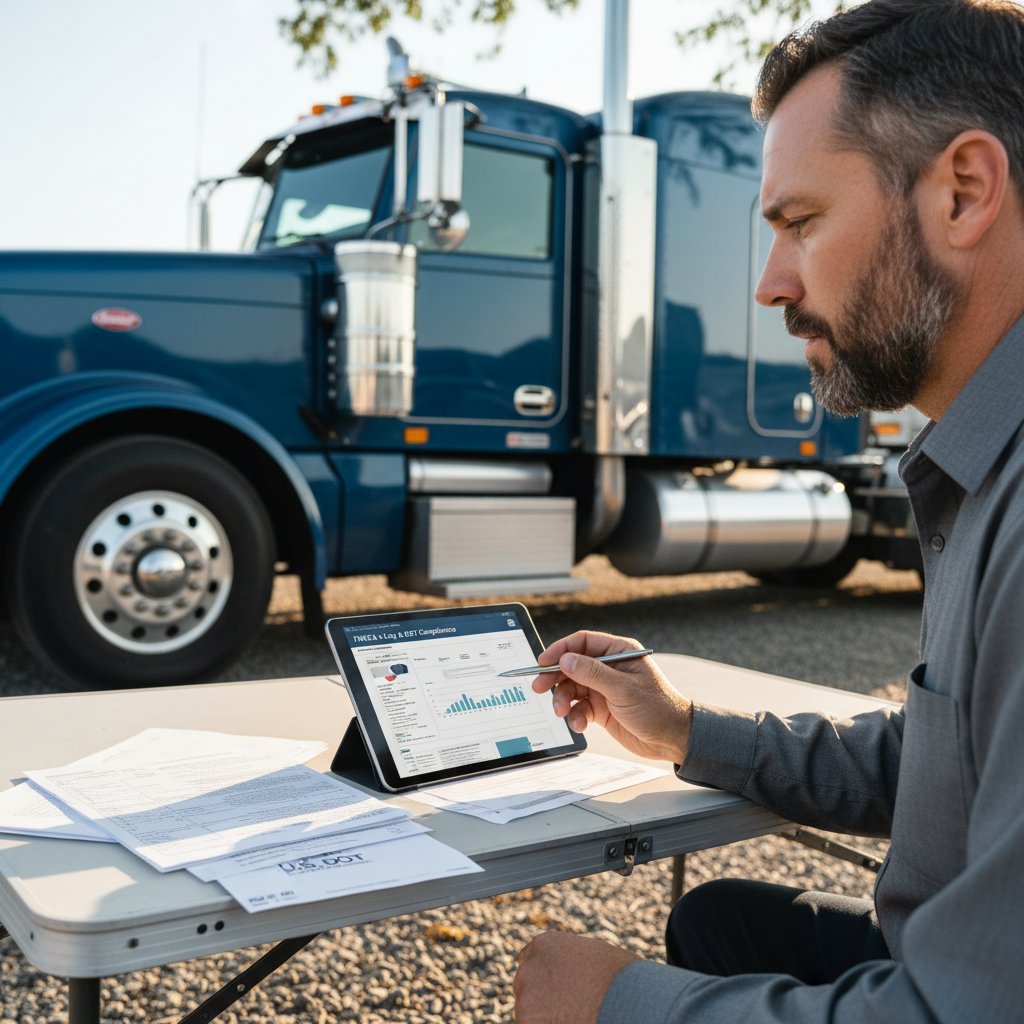
Florida can punish thin margins: hurricanes, higher rebuild costs, dense traffic, and claims that escalate fast. If you want a clean foundation before you compare quotes, start with commercial insurance basics for Florida buyers.
Table of Contents
Reading time: 9 minutes
- Key takeaways (save this before you shop)
- Commercial insurance Florida: what it means (and what it doesn’t)
- The 7 commercial insurance coverages most Florida businesses need
- Florida commercial auto insurance requirements (2026): minimums vs. real-world limits
- 2026 Florida commercial insurance costs, trends, and how to keep it affordable
- Next steps: build your Florida commercial insurance package (and keep it tight)
- Frequently Asked Questions
Key takeaways (save this before you shop)
Most Florida commercial insurance problems come from contract and COI requirements (often $1,000,000 liability and additional insured wording) rather than a Florida statute that sets a universal “business minimum.”
- Separate “required by law” from “required by contract.” Leases, GCs, municipalities, vendor portals, and shippers can demand limits and wording that exceed state baselines.
- Expect predictable cost drivers: industry class code, payroll, revenue, location/ZIP, claims history, and your limits/deductibles.
- Commercial auto is rarely about the state baseline. Many agreements require $1M liability, and trucking operations can add federal filings and cargo requirements.
- Cheapest isn’t “affordable” if it doesn’t pay. Wind deductibles, exclusions, low limits, and missing endorsements are where bargain quotes hide problems.
Commercial insurance Florida: what it means (and what it doesn’t)
Commercial insurance in Florida is typically a bundle of multiple policies (not one “business policy”) that are rated on payroll, revenue, job type, locations, vehicles, and contracts rather than personal-use factors.
The goal is simple: keep one incident—like a customer injury, a vehicle crash, an employee injury, or a storm loss—from wiping out cash flow.
For consumer-friendly definitions of common coverage types, the National Association of Insurance Commissioners (NAIC) consumer insurance overview is a reliable starting point.
Commercial vs. personal insurance (plain English)
What it is: Commercial policies are priced around business operations, including payroll, revenue, locations, vehicles, and the contracts you sign.
Why it matters: Business claims often involve attorneys, written agreements, “additional insured” wording, and higher limits than personal policies.
Who needs it: Anyone taking payments under a business name, signing a lease, hiring labor, driving for work, or handling customer property.
The 3 “requirements” you must track
Florida business insurance compliance usually has three separate layers, and mixing them up is where expensive surprises happen.
- Legal requirements (state/federal)
- Contract requirements (landlords, GCs, shippers, municipalities, vendor portals)
- Lender/lease requirements (equipment financing, commercial lease agreements)
Pro tip: Day-to-day compliance often runs through certificates, so it’s worth understanding COIs before you’re scrambling for a corrected certificate. Use commercial insurance documents and COI basics to avoid rework and job delays.
The 7 commercial insurance coverages most Florida businesses need
Most Florida businesses eventually carry seven core coverages—general liability, commercial auto, workers’ compensation, commercial property, business interruption, professional liability (E&O), and cyber liability—because each one covers a different “business-ending” loss type.
Not every company needs all seven on day one, but if you’re growing, hiring, signing contracts, or adding vehicles, these are the lines you’ll keep bumping into.
| Coverage | What it covers | Who typically needs it | Common Florida trigger |
|---|---|---|---|
| General liability (GL) | 3rd-party injury & property damage | Almost every business | Slip-and-fall, jobsite damage, customer injury |
| Commercial auto | Liability + physical damage for business vehicles | Anyone with vehicles used for work | Dense traffic, delivery exposure, contract limits |
| Workers’ compensation | Employee job-related injuries/illness | Many employers (varies by industry) | Compliance, audits, subcontractor issues |
| Commercial property | Building/contents/equipment | Anyone with a location, tools, inventory | Windstorm deductibles, flood exclusions |
| Business interruption (BI) | Lost income after covered loss | Retail, hospitality, offices | Storm shutdowns, repair delays |
| Professional liability (E&O) | Claims from services/decisions | Consultants, IT, real estate, design | “Financial harm” allegations |
| Cyber liability | Breach response/ransomware | Anyone using email, payments, customer data | Business email compromise, ransomware |
1) General liability (GL)
General liability insurance pays for third-party bodily injury, property damage, and certain personal/advertising injury claims, and it’s the coverage most landlords and GCs ask for first.
If you want a deeper breakdown of limits, exclusions, and common claims, use general liability for trucking businesses.
- Best use case: Premises exposure (customers on-site) and jobsite exposure (you working on someone else’s property).
- Common mistake: Binding a low limit because “it’s just a small job,” then finding your contract requires higher limits and additional insured wording.
Pro tip: Don’t guess your limits. Pull your top 3 contracts and match the insurance section line-by-line before you bind.
2) Commercial auto (owned, hired & non-owned)
Commercial auto insurance covers vehicles titled to the business and can be expanded with endorsements to cover hired and non-owned exposures, which is where many Florida businesses accidentally leave gaps.
If employees ever use personal vehicles for work errands, ask about hired & non-owned auto (HNOA) so the business has liability protection when it’s not the named owner. For owned, hired, and non-owned examples, see commercial auto insurance details.
Not sure where general liability ends and commercial auto liability begins? Watch this quick breakdown:
3) Workers’ compensation (and employers liability)
Workers’ compensation pays medical and wage benefits for job-related employee injuries and typically includes employers liability, which can respond when an injury claim turns into a lawsuit scenario.
Florida’s official starting point is the Division of Workers’ Compensation employer guidance.
- Where costs jump: audits, misclassified payroll, and undocumented subcontractor payments.
- Underwriting-friendly habit: keep payroll organized by role and collect COIs/W-9s from subcontractors before they start.
4) Commercial property (plus flood/wind considerations)
Commercial property insurance protects your building (if owned) and/or business personal property (equipment, inventory, contents), but Florida claims outcomes often hinge on wind terms, named storm deductibles, and flood exclusions.
- Wind: Review named storm deductibles and any wind exclusions.
- Flood: Many policies exclude flood, so flood coverage can be separate.
Pro tip: Don’t assume “hurricane” equals “covered.” Verify wind and flood language on the actual policy form (not just a quote summary).
5) Business interruption (BI) / extra expense
Business interruption coverage replaces lost income and can cover extra costs after a covered property loss, which matters when repairs take 30–90 days and cash flow doesn’t wait.
- Ask about: BI waiting periods and how the “period of restoration” is defined.
- Reality check: a “repairable” loss can still crush payroll and rent if you can’t operate.
6) Professional liability (E&O)
Professional liability (E&O) covers claims that your advice, service, design, or decision caused financial harm, which general liability typically doesn’t cover when there’s no bodily injury or property damage.
- Good control: clear scope of work, documented change orders, and tight contracts reduce disputes.
- Practical note: E&O claims are paperwork-heavy, so documentation quality matters.
7) Cyber liability
Cyber liability helps pay for breach response, ransomware events, business email compromise, and related legal/notification costs, and small businesses are frequent targets because basic controls are often missing.
Basic controls like MFA, tested backups, and employee training are also highlighted in CISA’s cyber guidance for small businesses. Florida businesses should also understand Florida data breach notification guidance before a cyber event happens.
- Controls that usually help pricing: MFA, offline backups, and basic employee training.
- Common event: a spoofed vendor email that reroutes a payment (business email compromise).
Florida commercial auto insurance requirements (2026): minimums vs. real-world limits
Florida commercial auto insurance decisions usually involve three layers—FLHSMV registration/financial responsibility rules, contract limits (often $1,000,000 liability), and trucking/transport rules that can add state or federal filings beyond the baseline. For a deeper look at Florida commercial auto rates and coverage options, see our Florida commercial auto insurance guide.
For Florida’s baseline auto insurance framework and financial responsibility rules, start with FLHSMV insurance requirements.
Featured-snippet answer: what are the minimum commercial auto insurance requirements in Florida?
Florida’s baseline auto insurance requirements are tied to vehicle registration and financial responsibility rules, but “commercial auto” minimums vary by operation and contract, and many Florida customers require $1,000,000 liability even when the state baseline is lower.
| Category | What it usually looks like |
|---|---|
| State baseline | Meet Florida registration/financial responsibility rules |
| Typical contract requirement | $1,000,000 liability (common) + additional insureds when requested |
| Regulated transport | May require filings/limits beyond the baseline (operation-dependent) |
Choosing the right limit isn’t just about meeting a minimum — here’s how to think about it:
When your limits jump (fast)
Commercial auto limits and pricing typically rise quickly when miles, drivers, and contracts increase exposure.
- Delivery fleets: more miles and intersections means more claim frequency.
- Employees driving: more variability, so MVR management matters.
- Contracts requiring $1M+: common for vendors and contractors.
- Trucking/regulated hauling: a commercial auto quote can become a commercial truck insurance program with Florida cargo insurance, physical damage, and operation-specific liability.
If you operate in trucking, your needs can shift into trucking insurance (including hotshot insurance for certain setups), and the affordable trucking insurance question usually comes down to safety controls, driver quality, and a clean loss history—not just shopping the lowest premium.
Quote readiness checklist (saves time and back-and-forth)
Having the right inputs up front can cut days off your quoting timeline and reduce last-minute “we need one more thing” requests.
- Drivers: list of drivers + license info (and your MVR ordering cadence)
- Vehicles: VINs + garaging ZIPs
- Use: service vs. delivery vs. hauling, radius, and annual mileage
- History: loss runs (if available) and prior carrier info
- Limits: target limits + any contract language you must satisfy
2026 Florida commercial insurance costs, trends, and how to keep it affordable
In 2026, many Florida small businesses see annual premiums roughly in these ranges—GL $400–$3,000, BOP $700–$5,000+, commercial auto $1,200–$8,000+ per vehicle, cyber $500–$3,500, and umbrella $500–$5,000+—with final pricing driven by limits, deductibles, class code, payroll/revenue, location, and losses.
Price still depends on your exact operation, but benchmarks help you sanity-check quotes and spot outliers that need a second look.
Typical 2026 cost ranges (ballpark benchmarks)
| Coverage line | Typical small-business range (annual) | Biggest pricing drivers |
|---|---|---|
| General liability | $400–$3,000 | Trade class, limits, subcontractors, payroll/revenue |
| BOP (GL + property bundle) | $700–$5,000+ | Building/contents values, wind terms, location |
| Workers’ comp | Varies widely | Payroll by class code, experience mod, claims |
| Commercial auto | $1,200–$8,000+ per vehicle | Driver MVRs, miles, territory, vehicle type, losses |
| Cyber | $500–$3,500 | Controls (MFA/backups), revenue, data sensitivity |
| Umbrella/excess | $500–$5,000+ | Underlying limits, industry risk, fleet exposure |
Florida trends that push premiums (and what to check at renewal)
1) Liability severity (bigger claims, higher limits demanded)
Check whether your GL/auto limits align to your contracts and worst-case loss scenarios, not just what you bought last year.
2) Windstorm/flood complexity on property
Check named storm deductible, any wind exclusions, and whether flood coverage is separate.
3) Commercial auto punishes weak controls
Check driver selection standards, your MVR review schedule, distracted driving rules, and whether telematics makes sense for your fleet.
Region-by-region risk callouts (quick and practical)
- South Florida: dense traffic and higher theft/vandalism exposure in some areas; property terms can tighten. See commercial auto insurance in Miami for local context.
- Tampa Bay: growth + construction + subcontractor complexity; jobsite and auto exposure climb.
- I-4 corridor (Orlando/metro): congestion drives auto claims and premises claims — see commercial auto insurance in Orlando for local cost benchmarks.
- Panhandle: storm exposure plus seasonal revenue swings; business interruption planning matters.
Regulatory watchlist (and how to handle “pending law” chatter)
Florida bills, insurance reform claims, and effective dates should be verified directly through official Florida bill tracking resources before you make coverage decisions based on social media or competitor claims.
Use the Florida House bill tracker to confirm current status and effective dates before relying on any pending proposal.
Renewal actions for the next 60 days
- Re-check your top contracts’ insurance requirements (limits + additional insured wording)
- Update driver lists/vehicle schedules and projected payroll/revenue
- Clean up COI collection for subcontractors and vendors
- Choose deductibles intentionally (property deductibles are a different decision than liability deductibles)
How to save on Florida commercial insurance (without underinsuring)
Lowering premium safely usually means lowering the total cost of risk through tighter documentation and better controls, not just cutting limits. Start with how to save big on coverage without gaps, then apply these moves:
- Bundle where it fits: If you qualify, a BOP can cost less than buying GL + property separately.
- Let contracts drive limits: price to the real requirement instead of guessing.
- Control auto losses: hiring standards, MVR cadence, written vehicle-use policy, and telematics often pay back quickly; see cheap commercial auto insurance in Florida for auto-specific tactics.
- Avoid workers’ comp audit surprises: correct class codes, clean payroll by role, and documented subcontractor COIs.
If your Florida operation includes trucks, here’s a quick look at 2026 cost ranges: Florida Trucking Insurance Costs 2026.
Next steps: build your Florida commercial insurance package (and keep it tight)
A no-surprises Florida commercial insurance package is built by matching your COIs and policy limits to your top contracts (often $1,000,000 liability) and keeping payroll, driver, and subcontractor documentation clean for renewals and audits.
If you want a clean approach, do three things:
- Separate legal vs. contractual requirements: don’t assume a state baseline meets a GC, landlord, or vendor portal.
- Buy limits that match your real exposure: especially auto and GL if you work on client property or have vehicles on the road.
- Keep documentation tight: COIs, subcontractor tracking, payroll by role, and updated vehicle/driver schedules.
Related reading for vehicle-heavy operations: If you run a fleet or haul equipment, use our semi truck insurance Florida guide for how cargo, physical damage, and operation type change the quote.
Frequently Asked Questions
Most Florida businesses need general liability first, then add coverage based on operations: commercial auto if any vehicle is used for work, workers’ compensation when required by statute or demanded by a contract, and property/business interruption if you have a location, tools, or inventory. Professional services often need E&O, and any business using email, cloud apps, or payment systems should consider cyber liability. Many landlords and GCs also require specific COI wording and higher limits, so your must-have list should start with your top contracts, not guesses.
Florida’s baseline auto insurance requirements are tied to vehicle registration and financial responsibility rules administered through FLHSMV, but commercial needs are usually driven by contracts and your type of operation. In real-world Florida contracting and vendor work, it’s common to see $1,000,000 auto liability required even if the state baseline is lower. If you’re for-hire, regulated, or operating across state lines, confirm whether additional requirements or filings apply.
Workers’ compensation is often required in Florida depending on your industry and employee count, and many GCs and commercial clients require it by contract even when a statute wouldn’t force it. The official place to confirm rules is Florida’s Division of Workers’ Compensation employer guidance. For audits, class codes, and cost drivers that commonly change final premium, keep payroll and subcontractor documentation organized before renewal.
Florida businesses save on commercial insurance by shopping the full package together, aligning limits to real contract requirements, and reducing claims through better controls. High-ROI moves include tighter driver hiring and MVR checks, written vehicle-use rules, jobsite procedures, documenting subcontractor COIs, and basic cyber controls like MFA and offline backups. Avoid savings that remove critical coverage or hide risk in deductibles and exclusions.
A BOP bundles general liability and commercial property into a single policy, and for many small Florida businesses it costs less than buying GL and property separately because insurers price the bundle as a package. It’s worth asking for a BOP quote alongside standalone GL/property quotes, especially if you have one location and modest equipment or inventory. BOPs usually exclude commercial auto, workers’ comp, and professional liability, so larger or higher-risk operations may still need add-ons.
Yes, if employees ever drive their own cars or you rent vehicles for business purposes. Without HNOA, your business could have no liability protection if an employee causes an accident while running a work errand in a personal vehicle. The personal auto policy may be primary, but it may not cover the business’s separate liability exposure. HNOA is often added to a GL or commercial auto policy.
Usually not. Standard commercial property policies in Florida commonly exclude flood damage, which is treated as a separate peril requiring its own policy through the National Flood Insurance Program or a private flood carrier. Wind damage from a named storm may be covered but often has a separate, higher deductible. Before storm season, confirm both your wind deductible and whether flood is covered at all.
If your business operates vehicles for hire, hauls freight for others, or crosses into operations regulated by FMCSA, a standard commercial auto policy may no longer be sufficient. You may need a motor carrier policy with cargo coverage, physical damage, and liability limits that meet federal filing requirements. This shift often happens gradually as a business adds vehicles or starts hauling for new clients, so review your operation type at every renewal.
E&O premiums vary widely by profession and revenue, but many Florida consultants, real estate professionals, and service businesses see annual premiums roughly in the $500–$3,000 range for moderate revenue and limits around $1,000,000. Higher-risk professions or larger revenue can push this higher. Because E&O claims are paperwork-driven, insurers often ask about contracts and documentation practices when quoting.
Conclusion: Build a contract-ready Florida commercial insurance package
A contract-ready Florida commercial insurance setup usually means limits that match your contracts (often $1,000,000 on GL/auto), clean COI workflows, and deductibles you can actually absorb after a storm loss or auto claim.
When you shop, focus on the exposures that break businesses: liability, vehicles, payroll injuries, and property downtime.
Key Takeaways:
- Use your top contracts to set limits and endorsements, not guesswork.
- Verify Florida property details like named storm deductibles and flood exclusions before you bind.
- For vehicles and hauling, confirm whether you need commercial auto or a broader commercial truck insurance / trucking insurance approach.
If you’re putting together a Florida commercial insurance package — whether that’s general liability, commercial auto, workers’ comp, property, or a combination built around your contracts — LogRock can help you review your current coverage, spot gaps in limits or deductibles, and compare options before renewal.