
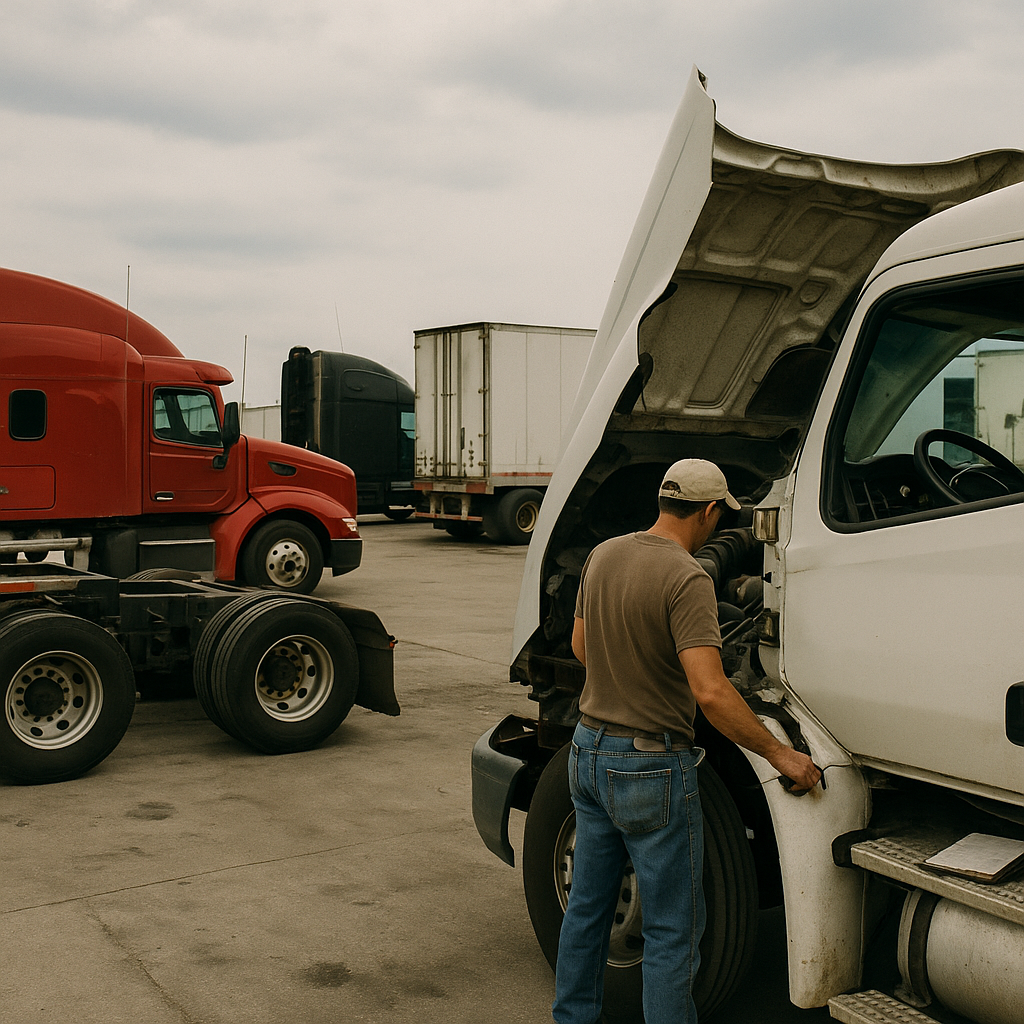

Starting an auto hauler how to start search usually means you’re trying to sort out three different problems at once: equipment, authority, and whether the business can actually cash flow. That’s where most new operators get tripped up. They buy a truck first, then learn their lane choices, insurance, and compliance don’t match the setup.
This guide breaks the startup path into practical steps so you can decide what kind of car hauling business fits your budget, your license, and the work you want to run.
Step 1 – Decide What Kind of Auto Hauler You Want to Be#
Your first decision is not “what truck should I buy.” It’s what kind of auto hauler you want to operate, because a single-car trailer, a dually setup, and a larger multi-car carrier are completely different businesses in cost, compliance, and risk. The right path depends on how many vehicles you want to move, how far you plan to run, and whether you’ll haul interstate or stay in one state.
“Auto hauler” sounds like one lane, but it isn’t. One operator may run a pickup and trailer moving single units or small dealer transfers. Another may run a dually with a wedge trailer. Another may operate a larger commercial carrier moving multiple vehicles across state lines.
Single-car, multi-car, and dually setups#
A single-car hauler setup usually has the lowest barrier to entry, but it also limits earning options per trip. A multi-car carrier can improve revenue potential per load, but it raises equipment cost, handling complexity, and insurance scrutiny. A dually truck is a pickup with dual rear wheels, built to handle heavier trailer loads more safely than a standard pickup.
If you’re looking at a single car hauler business or starting car hauling business with dually truck equipment, think in terms of the freight you want to win. Dealer moves, auction runs, private-party transport, and regional work can all demand different trailer designs and payload capacity.
Non-CDL vs CDL path#
A CDL is a commercial driver’s license required for certain vehicle combinations based on weight and use. Some non-CDL car hauling business models are possible, especially with lighter pickup-and-trailer combinations, but you can’t assume “pickup equals non-CDL.” Your actual requirement depends on the truck, trailer, combined weight rating, and your state’s rules.
That’s why “non CDL car hauler requirements” searches get messy. Some advice online talks only about vehicle size, while other advice mixes federal and state rules. Before buying equipment, verify exactly where your planned setup falls.
Interstate vs intrastate operation#
Interstate commerce means hauling freight that crosses state lines or is part of a shipment moving between states. Intrastate commerce means the movement stays within one state and falls under that state’s rules unless a federal trigger applies.
This matters early because authority, filings, and insurance scope can change fast once you operate for hire across state lines. If you plan to cross a border even occasionally, build for that reality from day one instead of trying to patch the business after your first booked load.

Step 2 – Build a Basic Business Plan and Startup Budget#
A workable auto hauling business plan should cover startup costs, monthly fixed expenses, realistic revenue assumptions, and the cash you’ll need to survive the first slow stretch. The main mistake new haulers make is budgeting for the truck and trailer but not for the gap between startup and steady payment. If your numbers only work in a perfect month, they don’t work.
A business plan here doesn’t need to be fancy. It needs to answer a few survival questions: what are you buying, what will it cost to run, how fast will customers pay, and how long can you float the operation if freight is inconsistent?
Startup costs to plan for#
Your startup budget should include equipment, registration, permits, insurance, maintenance catch-up, tires, tie-down gear, fuel float, and business setup costs. Add your business entity costs, EIN, tags, inspection items, and any tech you’ll use to book and track loads.
Don’t forget the hidden line items. New operators often miss escrow-type expenses, repairs needed right after purchase, and the fact that used trailers nearly always need something.
Revenue assumptions and break-even thinking#
Weekly gross revenue isn’t the same as money you keep. A lane can look decent until fuel, deadhead, slow pay, and minor damage claims eat the margin.
Build your plan around conservative assumptions, not best-case rates. Estimate loaded miles, empty miles, average time to get paid, and how many days the truck may sit. That’s how you figure break-even instead of chasing social-media numbers.
Operating expenses new haulers forget#
Factoring is the sale of invoices to get paid faster, usually for a fee. If you’re relying on that to smooth cash flow, put it in the budget. So should roadside repairs, compliance services, bookkeeping, account fees, and time lost fixing paperwork.
The ugly part of this business is that cash flow problems show up before profit problems. A few late-paying loads and one repair bill can put a new operation behind fast. If you’re not sure whether your startup plan lines up with the kind of hauling and insurance your setup will need,
Step 3 – Choose Equipment That Matches the Work You Want#
The best equipment for a new auto hauler is the setup that matches the vehicles, routes, and load count you actually expect to run. Equipment choice affects what freight you can accept, what downtime will cost you, and how underwriters view the risk. Buying too much equipment too early can hurt you just as much as buying too little.
A lot of first-time operators shop for equipment by price alone. That’s backwards. Start with the work, then match the truck and trailer to the job.
Pickup and trailer basics#
A pickup-and-trailer setup can make sense for lighter-duty or narrower startup plans. It may be a fit for regional runs, single-unit moves, or a gradual entry into the business.
But payload, trailer length, ramp design, and overall combined rating matter. If the trailer is too limited, you’ll turn down profitable work. If it’s too aggressive for the truck, you’ll create safety, compliance, and maintenance problems.
Dually truck considerations#
A dually often gives you a better foundation for heavier trailer work and better stability under load. That doesn’t mean every dually setup is ideal. Trailer geometry, axle ratings, braking, and how the load sits on the deck still matter.
Underwriting is the process insurers use to evaluate risk and decide whether to offer coverage and on what terms. A rough used dually with an unclear hauling plan can be harder to place than a cleaner, more consistent setup.
Single-car hauler vs multi-car carrier#
A single-car hauler is simpler to load, easier to learn on, and may fit a lower-risk startup path. A multi-car carrier can improve load density, but it also increases exposure to cargo claims, height issues, route restrictions, and securement mistakes.
Used equipment can be smart if you budget for repairs and know what work it’s built for. Starting simple and upgrading later often beats overbuying before you have steady customers.
Step 4 – Set Up Your Business, Authority, and Compliance Basics#
Before you haul for money, set up the business, get your tax and banking records straight, and confirm whether your operation needs federal authority, a USDOT number, state registration, or some combination of them. Federal and state rules are not interchangeable. A lot of new haulers mix up state registration with FMCSA operating authority and find out too late that they still aren’t ready to haul legally.
A business entity is the legal structure of your company, such as an LLC or corporation. Choose one, get your paperwork in order, and separate business money from personal money from the start.
Form the business and get tax records in order#
Get your entity formed, apply for an EIN, and open a business bank account. An EIN is the federal tax ID the IRS uses to identify your business. Keep ownership records, lease or purchase documents, and maintenance records organized early because lenders, shippers, brokers, and insurers may all ask for them.
If you’re operating as a one-truck business, clean records still matter. Sloppy paperwork makes everything slower, from authority filings to insurance approval.
Apply for trucking authority and identifiers#
A USDOT number is the identifier used to track a motor carrier’s safety and compliance records. FMCSA explains when carriers need USDOT registration and operating authority through the Federal Motor Carrier Safety Administration.
If you plan to haul vehicles for hire in interstate commerce, federal operating authority may apply before your first paid move. Once you’re set up, you can verify carrier status and public records through SAFER.
Understand FMCSA and state rule differences#
FMCSA oversees many interstate for-hire trucking requirements at the federal level. Intrastate rules can be very different and are often set by the state DOT, DMV, or other state agencies.
That means your state minimum isn’t automatically your federal minimum, and your personal vehicle paperwork isn’t the same thing as commercial authority. Check compliance before you accept the load, not after a broker asks for documents you don’t have.
Step 5 – Put Insurance in Place Before You Haul#
If you’re hauling cars for money under your own operation, put insurance in place before the first paid load. Personal auto insurance does not replace commercial trucking coverage, and authority-related filings can’t be handled as an afterthought. Your coverage needs depend on whether you’re for-hire or private, interstate or intrastate, and what equipment and cargo you’re using.
Commercial auto liability is coverage for bodily injury and property damage you cause to others in a crash while operating the business vehicle. That’s different from cargo coverage or damage to your own truck.
Auto liability and authority-related coverage#
For auto haulers, liability planning matters early because federal minimums are not one-size-fits-all. Under 49 CFR Part 387, for-hire interstate carriers over 10,001 pounds hauling property generally face public liability requirements, and auto haulers are commonly discussed at the higher $1,000,000 level rather than the general-freight shorthand. The key point is to scope the requirement to your carrier type, vehicle weight, cargo, and whether you’re interstate or intrastate.
That’s why copying another driver’s setup can burn you. Their authority type and operation may not match yours.
Cargo, physical damage, and garage-risk considerations#
Motor truck cargo insurance covers damage to the vehicles you’re hauling when that loss is covered under the policy terms. Physical damage coverage protects your own truck or trailer from direct loss, usually through collision and comprehensive-type causes.
The NAIC offers plain-language insurance context that helps explain why personal auto and commercial policies are built differently. If you’re financing equipment, physical damage may also be required by the lender.
Why equipment type and operating scope matter#
A pickup and trailer doing occasional intrastate moves is not rated the same way as a multi-car interstate hauler. Radius, garaging, cargo type, driver history, and how the equipment is used all affect placement.
New operators run into trouble when they buy equipment first and ask coverage questions later. If you’re not sure what coverage fits your operation,
Step 6 – Learn How Loads Are Won, Secured, and Delivered#
Getting authority and equipment is only half the job. A new auto hauler also needs a dependable way to find loads, document vehicle condition, and deliver without damage claims. The operators who last are usually the ones who treat loading, securement, and communication as part of the business model, not just part of driving.
Freight sources matter. If your only plan is “I’ll get on a board and see what’s there,” your revenue will swing hard.
Finding loads and building a broker/customer base#
Early freight may come from brokers, dealers, auctions, dispatch relationships, or direct customers. Each source has tradeoffs in rate, consistency, payment speed, and paperwork requirements.
Winning loads isn’t just about being available. It’s about having the right equipment, showing up on time, communicating clearly, and building a record of clean deliveries.
Loading and unloading basics#
Most cars get onto haulers by ramp, tilt deck, hydraulic deck, or winch, depending on the trailer and the condition of the vehicle. A winch is a mechanical device used to pull a non-running vehicle onto the trailer. The operator positions the trailer, lines up the vehicle, loads it carefully, and secures it with the right straps, chains, or wheel restraints for the setup.
Unload is the same story in reverse: slow, level when possible, and controlled. Rushing the last five minutes is how a clean trip turns into a claim.
Pre-trip and post-trip habits that protect the business#
Document the vehicle’s condition before loading and again at delivery. Take photos, note prior damage, confirm pickup and drop details, and keep signed records.
Good pre-trip and post-trip habits protect more than safety. They help with disputes, reduce cargo claim friction, and make brokers and direct customers more likely to use you again.
Step 7 – Know the Biggest Risks Before You Scale#
The biggest startup risks in auto hauling usually aren’t dramatic. They’re ordinary problems that stack up: underbudgeting, wrong equipment, compliance delays, claim exposure, slow-paying customers, and downtime. A young business can survive a slow week more easily than a bad month of cash flow leaks.
A lot of operators think demand is the hardest part. Often the harder part is staying stable long enough to benefit from demand.
Common startup mistakes#
The most common mistakes are buying first and planning second, assuming non-CDL means low-regulation, and treating insurance like a final checkbox. Another one is copying someone else’s business model without matching their lanes, customer mix, or equipment quality.
Ignoring paperwork hurts too. If your records are weak, every audit, claim, and broker packet takes longer.
Operational risks that hurt cash flow#
Downtime kills momentum. So do chargebacks, tire failures, missed appointments, and unpaid invoices. Even a minor vehicle damage claim can tie up time and money when you’re new.
That’s why “how to start with no money” usually isn’t the right question. The better question is whether you have enough working capital to handle real-world disruptions.
When to add trucks or upgrade equipment#
Scale after the operation gets repeatable. That means consistent loads, stable cash flow, clean documentation, and a clear idea of which customers and routes actually work.
Adding trucks too early can multiply weak processes. A one-truck business with disciplined systems usually scales better than a rushed small fleet.
Step 8 – Use a Simple Launch Checklist#
Before your first paid haul, confirm your equipment matches the work, your business records are in order, your authority and identifiers are active where required, and your insurance is placed correctly for the operation. Then make sure your loading gear, inspection routine, and documentation process are ready.
For the first month, track every expense, every delay, and every paperwork issue. That will show you where the business is leaking money.
If your operation changes, review compliance and coverage again. New lanes, different vehicles, added trailers, or interstate work can all change what you need.
FAQ#
How much does it cost to start a car transport business?
It depends on the path you choose, because a pickup-and-trailer startup is very different from a larger multi-car operation. Your main cost buckets are equipment, authority and registration, insurance, permits, fuel float, maintenance, securement gear, and working capital for the first few months.
The mistake is looking only at the purchase price of the truck and trailer. You also need enough cash to cover downtime, repairs, and the gap between delivering a load and getting paid. Your actual startup spend depends on equipment type, operating scope, and whether you’re running interstate or intrastate.
How much do car haulers make a week?
Weekly revenue can vary a lot based on the setup, the kind of vehicles hauled, the routes, and how consistently you can find loads. A single-car hauler may gross far less than a multi-car setup, but it may also have lower overhead and a simpler startup path.
What matters more than gross is what survives after fuel, maintenance, deadhead, insurance, and payment delays. Some weeks look strong on paper and still don’t produce much net income. To judge earning potential, track loaded miles, empty miles, load count, payment speed, and downtime together.
How do cars get on car haulers?
Most cars get loaded with ramps, tilt decks, hydraulic deck systems, or a winch if the vehicle doesn’t run. The trailer is positioned carefully, deck angles are adjusted, and the vehicle is either driven or pulled onto the trailer. Once it’s in place, the operator secures it using straps, chains, or wheel restraints based on the trailer and vehicle.
The real skill is not just getting the car on. It’s controlling angle, clearance, weight placement, and securement so the vehicle arrives without damage. Good operators also document condition before and after the move.
Is it hard to become a car hauler?
It can be hard, but usually not for the reason people think. The driving is only one part. The tougher parts are choosing the right equipment, understanding compliance, getting proper insurance in place, and maintaining enough cash flow to survive slow pay and repairs.
That’s why some people enter too fast and struggle even when freight exists. If you plan the business first, match the equipment to the work, and handle authority and coverage before hauling, the startup gets a lot more manageable. It’s a demanding business, but it’s easier when you separate hype from actual requirements.
Can you start an auto hauling business without a CDL?
Sometimes, yes, but only if your planned truck-and-trailer combination and the way you operate fit within the applicable weight and licensing rules. Non-CDL opportunities do exist, especially in lighter configurations, but you should never assume a pickup-and-trailer setup is automatically exempt.
Check the combined ratings of the truck and trailer, your state’s licensing rules, and whether your operation is intrastate or interstate. Even when a CDL isn’t required, commercial insurance, business setup, and for-hire compliance may still apply. The safe move is to verify the exact setup before you buy equipment or book a load.





