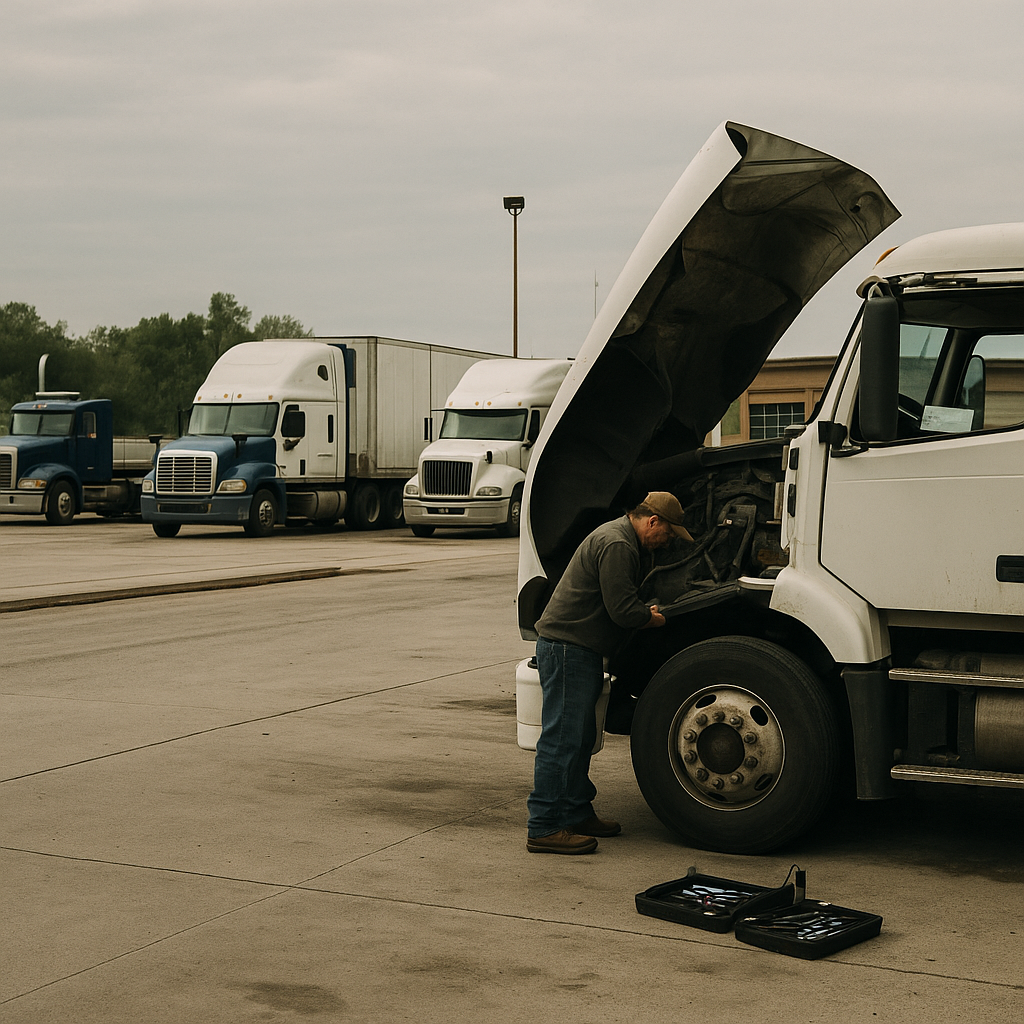

A cargo damage insurance claim starts the moment freight shows up damaged, short, spoiled, or unusable. If you wait too long, toss the packaging, or call the wrong party first, you can make a bad load worse. This guide breaks down what owner-operators and small fleets need to do, what paperwork matters, and how cargo insurance differs from carrier liability.
What a cargo damage claim is#
A cargo damage insurance claim is a request for payment after freight is damaged, lost, short, spoiled, or otherwise harmed while moving through the trucking process. In plain English, it’s the paper trail used to show what happened, who had the load, what the damage is worth, and which coverage or liability path may apply.
In trucking, this usually starts with freight that was tendered in one condition and delivered in another. The load may be dented, wet, broken, contaminated, shifted, missing pieces, or ruined by temperature problems. Before anybody talks payout, the facts matter: who had custody, what the bill of lading said, what the delivery receipt shows, and what condition the freight was in at pickup and delivery.
A bill of lading is the shipping document that identifies the freight, the parties involved, and the shipment terms. A consignee is the party receiving the freight. If you need to confirm which motor carrier was tied to a shipment, carrier identification can also be checked through FMCSA’s SAFER system.
Cargo damage vs. total loss#
Cargo damage means the freight still exists but arrived harmed, reduced in value, or partly unusable. A total loss means the cargo is destroyed, unrecoverable, or has no practical salvage value. Shortage means pieces are missing, and spoilage usually means the product went bad because of temperature, contamination, or delay.
Those differences matter because the claim file changes with the loss type. A shortage claim needs counts and seal records. A spoilage claim needs temperature records. A damage claim often needs photos, inspection notes, and repair or salvage proof.
Cargo insurance vs. carrier liability#
Cargo insurance and carrier liability are related, but they are not the same thing. Cargo insurance is an insurance policy that may pay for covered freight loss, while carrier liability is the legal or contractual responsibility a motor carrier may owe because the freight was damaged while in its custody.
That distinction trips up a lot of small carriers. The shipper may pursue the carrier. The carrier may turn to its insurer. Or the insurer may pay a covered loss and then seek recovery from another responsible party through subrogation, which means the insurer steps into the insured’s shoes to recover money from whoever caused the loss.
Common reasons freight gets damaged#
Most cargo damage comes from a short list of causes: bad loading, poor securement, moisture, temperature problems, collision damage, theft-related loss, and packaging failure. The cause matters because it shapes who may be responsible, what evidence you need, and whether the loss fits a carrier liability claim, an insurance claim, or both.
Handling and loading issues#
A lot of freight gets damaged before the truck even leaves the dock. Forklift punctures, crushed cartons, bad pallet stacking, overhang, uneven weight, and loading heavy product on top of fragile product can all create loss that shows up later at delivery.
If you suspect loading damage, preserve dock photos, pallet condition, counts, and any exceptions noted at pickup. If the load was shipper-loaded, that fact may matter later. If you saw a problem and drove anyway without noting it, expect harder questions.
Transit and environment issues#
Freight can also fail in transit even when the trailer stays upright. Hard braking, sharp turns, potholes, water intrusion, condensation, heat, freezing, and reefer breakdowns can all damage cargo without a major wreck.
Cause-specific proof matters here. Wet freight calls for trailer and roof condition photos. Temperature-sensitive cargo calls for set-point records and unit readings. Collision losses call for scene photos, police reports if applicable, and notes on how the load shifted.
Equipment and securing issues#
Securement problems are a common reason claims get ugly. Bad straps, failed load bars, broken pallets, damaged e-track, trailer holes, door problems, or seal issues can turn a normal trip into a claim.
Preserve the hardware and trailer condition if you can do it safely. Don’t throw away broken straps, damaged packaging, or seals until the carrier, broker, shipper, or adjuster says they’re no longer needed. An adjuster is the person who investigates the loss and evaluates what may be payable.
What to do right away after freight is damaged#
Right after freight is damaged, your job is to stop more loss, document everything, and notify the right people without making the record worse. Take photos before cleanup when safe, protect the load from further damage, keep packaging and seals, and start a clear written timeline of what happened.
Protect the load and stop more loss#
If the freight is exposed, wet, warming up, or at risk of further breakage, take reasonable steps to reduce the loss. Move it out of standing water, close up the trailer, separate visibly damaged product from apparently sound product, and follow any shipper or carrier instructions you can get quickly.
But don’t create a second problem while trying to fix the first. Don’t dump freight, destroy packaging, or rework the load without permission unless safety leaves no choice. And don’t admit fault on the spot just to move things along. You can acknowledge damage without deciding liability.
Notify the right people#
Call the parties that need to know as soon as the damage is found: the consignee, the shipper, the carrier contact, the broker if one is involved, and the insurer if your policy requires prompt notice. A broker is the middle party that arranges the load between shipper and carrier.
The order may vary by the situation, but speed matters. If the receiver refuses the load, note that clearly. If only part of the load is damaged, get instructions before disposal, salvage, or redelivery.
When this goes sideways, delays cost you proof. If you’re not sure how to sort the coverage side from the liability side,
Start the claim record#
Start a claim file immediately, even if nobody has used the word “claim” yet. Save pickup and delivery paperwork, photos from every angle, trailer and seal photos, temperature logs if relevant, texts, emails, dispatch messages, and names of everyone you spoke to.
Write down the timeline while it’s fresh. Note when the load was picked up, when the problem was first seen, weather conditions, reefer settings if applicable, whether the trailer was sealed, and what instructions you were given. Small fleets do better when this all gets scanned or uploaded the same day instead of living in somebody’s glove box.
Who is responsible for freight damage?#
Responsibility for freight damage depends on custody, contract terms, the condition of the cargo when it changed hands, and what actually caused the loss. The carrier is not automatically responsible for every damaged load, and the shipper or receiver may share responsibility when loading, packaging, or instructions caused the problem.
When the carrier may be liable#
If the freight was accepted in good condition and delivered damaged while under the motor carrier’s control, the carrier may face liability. That doesn’t mean the answer is automatic, but it does mean the carrier’s handling, securement, trailer condition, route events, and delivery record will be under the microscope.
This is where clear carrier identification matters. FMCSA carrier records and operating context can help confirm which motor carrier had the shipment in its custody, and FMCSA is the main federal agency overseeing motor carrier operations at fmcsa.dot.gov. For practical purposes, you need to know whose authority the load moved under and who signed for it at each point.
When the shipper or receiver may share responsibility#
Sometimes the damage starts before the driver can reasonably prevent it. Bad packaging, improper palletizing, hidden loading defects, wrong temperature instructions, or receiver-side unloading damage can shift or split responsibility.
A shipper isn’t off the hook just because the freight was on your trailer. If the product was loaded in a way that was unsafe but not obvious, or if the packaging failed under normal transit conditions, that may matter. The same goes for a receiver that damages freight during unloading and then blames the carrier.
When coverage depends on the contract#
The contract and shipment paperwork shape how the claim moves. The bill of lading, rate confirmation, shipper instructions, and delivery exceptions all help show who agreed to what and who had custody when the loss happened.
That matters because some claims move mainly as a liability issue against the carrier, while others trigger the cargo policy first. If multiple parties touched the load, expect finger-pointing unless your documents are clean.
How to file a cargo damage claim step by step#
Filing a cargo damage insurance claim usually means matching the facts of the loss to the paperwork, submitting proof fast, and following the right path for liability, insurance, or both. The cleanest claims identify the damaged items clearly, tie them to the bill of lading and delivery records, and include photos, counts, and cost support.
Review the paperwork and deadlines#
Start with the bill of lading, delivery receipt, load instructions, rate confirmation, and any policy reporting requirements. Read the exception notes and make sure the damage description is specific. “Damaged freight” is weak. “Three pallets crushed, cartons wet, product exposed” is better.

Then check for timing requirements. The deadline may come from the contract, the cargo policy, or freight rules governing the shipment. The safest move is simple: report and document it immediately, then keep building the file.
Build the claim package#
A strong claim package tells the story in one pass. Include the shipment ID, pickup and delivery dates, the damaged items, quantity affected, likely cause if known, where the loss was discovered, and what was done to prevent further damage.
Attach the supporting documents that back up that story:
- Bill of lading
- Delivery receipt with exceptions
- Photos of freight, packaging, trailer, and seals
- Inspection report if one was done
- Packing list and invoice
- Repair estimate or replacement value support
- Temperature logs for reefer loads
- Salvage information if part of the load still has value
A deductible is the amount the insured pays before insurance responds. A policy limit is the maximum the policy will pay for a covered loss.
Submit and follow up#
Submit the claim to the right party, which may be the carrier’s claims department, the insurer, or both depending on how the load was written and who is pursuing recovery. Keep the submission organized and date-stamped. If something is missing, say what is pending and when you’ll send it.
Then follow up like it matters, because it does. Ask for acknowledgement, a claim number, and any additional documents needed. If the loss gets stuck between the carrier and insurer, keep your notes straight and don’t assume the other side is handling it.
If your operation handles freight that could turn into a messy claim,
Documents that matter in a cargo claim#
The documents that move a cargo claim forward are the ones that prove condition, quantity, cause, and value. For most owner-operators and small fleets, the core file should include the bill of lading, delivery receipt, photos, inspection notes, packing list, invoice, and any repair, replacement, or salvage records tied to the damaged freight.
Core claim documents#
Start with the basics that identify the shipment and show what changed. The bill of lading ties the claim to the load. The delivery receipt shows what the receiver accepted and what exceptions were noted. The packing list and invoice show what was supposed to be there and what it was worth.
If there was a shortage, count sheets and seal records matter. If the receiver refused freight, get that in writing if possible. If the claim form asks for commodity details, be specific.
Condition and inspection proof#
Photos do a lot of heavy lifting in cargo claims. Get wide shots, close-ups, pallet condition, packaging tears, moisture marks, trailer floor and walls, seal numbers, and any equipment problem that may have contributed to the damage.
Inspection reports also carry weight, especially when the cause isn’t obvious. If a third party inspects the load, save the contact info and findings. Missing condition proof is one of the fastest ways to turn an obvious loss into an argument.
Cost and repair proof#
Claims also need value support. That may be an invoice, a repair estimate, a replacement cost document, or a salvage bid. If part of the load can still be sold or reworked, document that too.
Small fleets should keep digital copies from the start. If your proof is spread across texts, paper tickets, and a driver’s phone gallery, expect delays and repeat requests.
Claim timing, deadlines, and follow-up#
Cargo claim deadlines can come from the shipment contract, the insurance policy, or the rules governing the freight, so the safest move is to report the loss as soon as it’s discovered. Waiting can weaken the claim even when the damage is obvious because photos, packaging, temperatures, and witness memory all get worse with time.
Why deadlines matter#
Late notice creates easy arguments for the other side. Maybe the freight was disposed of before inspection. Maybe the packaging was gone. Maybe the delivery exception was too vague. None of that helps.
This is why “I’ll deal with it tomorrow” is risky. Even if the formal claim package takes time, the first notice should go out fast.
What to track after submission#
Once the claim is submitted, track the acknowledgement date, claim number, document requests, inspection status, and adjustment progress. Keep one simple log with dates, names, and next steps.
That way you know whether the file is moving or just sitting. If the adjuster asks for more proof, send it promptly and keep a copy of exactly what you sent.
When to escalate#
If the claim stalls, ask what specific issue is holding it up. Is the problem cause, value, coverage, salvage, or responsibility? A vague “it’s under review” doesn’t tell you much.
Escalate when the file goes quiet, when deadlines are approaching, or when multiple parties are pointing at each other. Calm persistence works better than a rant.
How cargo insurance fits with carrier liability#
Cargo insurance may pay for covered freight loss, while carrier liability deals with who is legally or contractually responsible for the damage. Those are separate tracks, and one claim can involve both, which is why owner-operators need to know not just that freight was damaged, but how the policy, contract, and facts line up.
Separate the coverage paths#
Federal trucking financial responsibility rules are not the same thing as cargo claim coverage. Under 49 CFR Part 387 at eCFR, FMCSA financial responsibility rules address public liability requirements for motor carriers, not a universal promise that every cargo loss will be covered the same way.
So don’t mix up auto liability filings with cargo protection. A carrier may face a freight claim even where the insurance response is disputed. Or cargo insurance may respond first and then pursue recovery from a responsible party through subrogation.
Know what limits can do#
A limit is the most an insurer will pay for a covered claim, and an exclusion is a stated situation or type of property the policy does not cover. NAIC plain-English insurance resources at naic.org are useful for these terms because they explain how deductibles, limits, and exclusions affect what gets paid.
Having motor truck cargo coverage doesn’t mean every commodity, cause of loss, or handling scenario is covered. The cargo type, declared value, theft conditions, refrigeration exposure, unattended vehicle terms, and policy wording all matter.
Avoid common misunderstandings#
The biggest misunderstanding is assuming cargo insurance replaces the liability question. It doesn’t. Another is assuming a damaged load automatically equals a paid claim. It doesn’t.
One claim may involve the shipper, carrier, broker, receiver, and insurer all at once. That’s why the cleanest path is good documentation, fast notice, and a clear understanding of which lane the claim is traveling in.
FAQ#
What are the most common reasons for cargo damage?
The most common reasons for cargo damage are loading and unloading damage, freight shifting because of poor securement, weather or moisture exposure, temperature control failures, collisions, theft-related loss, and weak packaging. In trucking, those causes often overlap. A load might be stacked badly at pickup, then shift during hard braking, then arrive wet because the packaging tore. What matters for the claim is not just the headline cause, but the proof behind it: photos, seal records, trailer condition, temperature logs, delivery exceptions, and any inspection notes tied to the damaged freight.
How long does a company have to file a cargo claim?
How long a company has to file a cargo claim depends on the contract, the insurance policy, and the shipment terms, so the safest move is to file notice as soon as damage is discovered. Don’t wait for perfect paperwork before reporting the loss. Quick notice helps preserve inspection rights, packaging evidence, and delivery records. Then build out the full claim package with the bill of lading, delivery receipt, photos, invoices, and any repair or salvage documents. Waiting too long can weaken the file even when the damage itself is obvious and well documented.
What is covered under cargo insurance?
Cargo insurance may cover direct physical loss or damage to insured freight during transit, but coverage depends on the policy’s terms. That means the policy limit, deductible, exclusions, cargo type, theft conditions, and cause of loss all matter. Some loads are covered more narrowly than others, and some commodities or scenarios may be excluded. Coverage can also depend on whether the freight was properly secured, whether a reefer issue is documented, or whether the loss happened while the cargo was actually in transit. Having cargo coverage does not automatically mean every freight problem becomes a paid claim.
Who is responsible for freight damage?
Responsibility for freight damage depends on who had custody of the load, what the bill of lading and contract say, how the damage happened, and whether another party helped cause the loss. The carrier may be responsible when freight was accepted in good condition and delivered damaged while under its control. But the shipper, receiver, loader, or another party may share responsibility if bad packaging, hidden loading defects, wrong temperature instructions, or unloading damage caused or contributed to the loss. That’s why the first calls, photos, exceptions, and shipment documents matter so much in a real claim.
Do I file with the carrier, the insurer, or both?
Sometimes you file with the carrier, sometimes with the insurer, and sometimes both tracks move at the same time. If the cargo owner is making a liability claim, the claim may start against the carrier. If you are the insured carrier reporting a potential covered loss under your cargo policy, you may also need to notify your insurer right away. The exact path depends on the load, the contract, and the policy wording. When in doubt, give prompt notice to every party that may need it, then keep the facts consistent across all reports and attachments.