
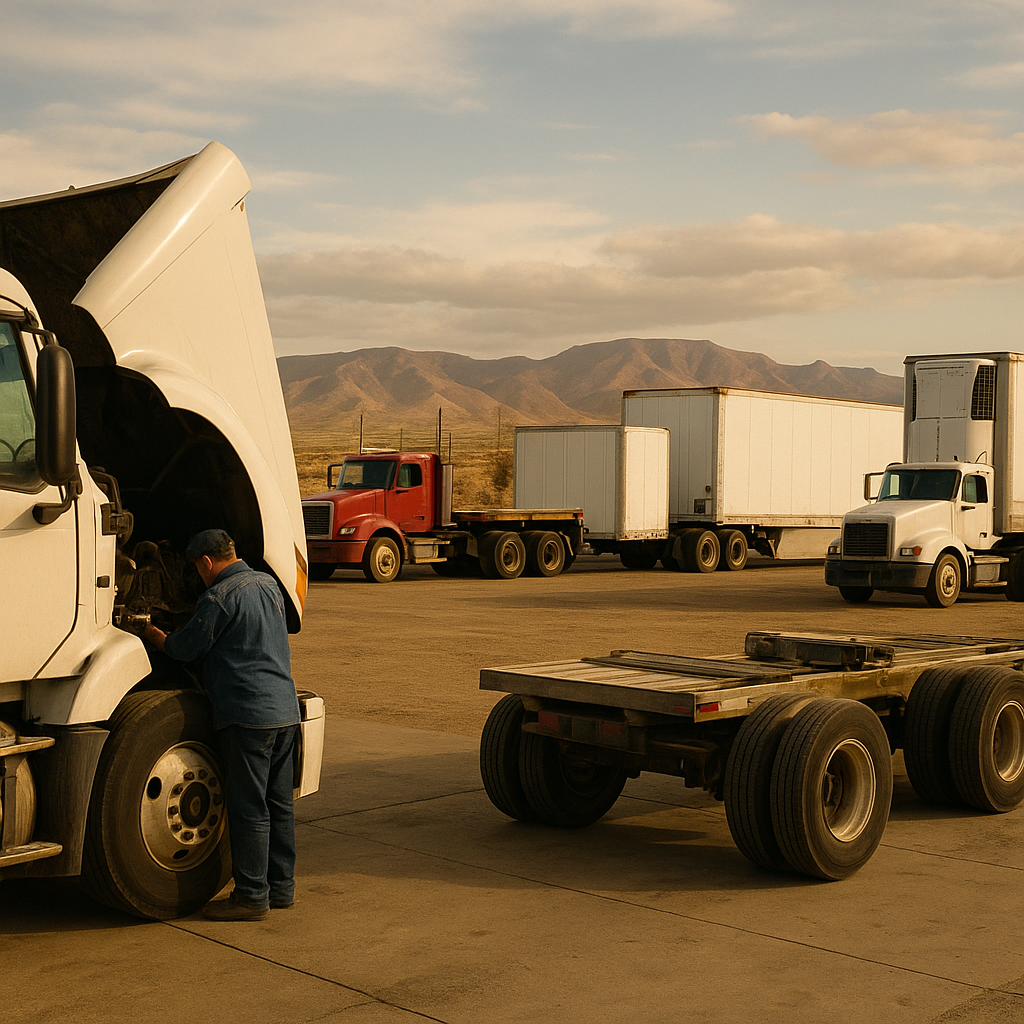

Dry van trucking insurance in New Mexico usually means a commercial policy package built around your truck, trailer use, freight, and whether you haul intrastate or interstate. The big mistake is treating it like personal auto insurance or assuming a state permit answers the insurance question. For dry van owner-operators and small fleets, the right setup is the one that keeps you road-legal, load-ready, and matched to how you actually haul.
Dry Van Trucking Insurance in New Mexico: What It Covers and Why It Matters#
Dry van trucking insurance in New Mexico is a commercial insurance setup for hauling dry freight in an enclosed trailer, and it usually includes liability plus other coverages depending on your operation. What you need changes based on whether you’re for-hire, what you haul, your truck weight, and whether you cross state lines.
A dry van operation is trucking that moves non-temperature-controlled freight in an enclosed trailer, usually things like palletized retail goods, paper products, packaged food, or construction materials that don’t need a flatbed or reefer. Insurance for that work isn’t one single policy. It’s a package built around the risk of the truck, the freight, and the contracts tied to the loads.
What dry van operations usually need#
A solo owner-operator hauling boxed consumer goods under brokered interstate loads may need auto liability, cargo, and truck protection before a broker will even consider dispatching a load. A three-truck fleet moving repeat contract freight inside the region may need a similar base setup, but with coverage structured around multiple drivers, multiple units, and customer contract requirements.
The big point is simple: trailer type alone doesn’t decide the policy. Carrier type, hauling radius, commodity, and interstate versus intrastate use matter just as much.
Why New Mexico dry van coverage is not the same as personal auto insurance#
Personal auto insurance is coverage written for private household driving, not for hauling freight for business. If you’re using a tractor for for-hire trucking, a personal auto policy typically won’t cover that exposure.
That’s where a lot of new authority owners get burned. They hear “liability is liability” and assume a personal policy or a state minimum mindset gets the job done. It doesn’t.
When shippers and brokers care about coverage#
Brokers and shippers often want more than the bare legal minimum because they’re protecting their freight and contract risk. A dry van operator can be legal to drive but still not load-ready if the cargo limit, liability limit, or trailer-related coverage doesn’t match the contract.
That gap matters most when you’re trying to book your first loads fast. If you’re not sure what fits your operation,

New Mexico and Federal Requirements for Dry Van Trucks#
For dry van trucks in New Mexico, insurance requirements and permit requirements are related but separate. Federal liability rules can apply to interstate for-hire carriers, while New Mexico registration, plates, and permit questions are handled through state agencies and shouldn’t be confused with the insurance policy itself.
A lot of searches for “semi truck permit” are really insurance questions in disguise. They shouldn’t be. Your permit, registration, and tax paperwork are one lane. Your liability policy, filings, and authority activation are another.
State minimums versus FMCSA requirements#
FMCSA is the Federal Motor Carrier Safety Administration, the federal agency that regulates interstate commercial carriers. Under 49 CFR Part 387, for-hire interstate carriers hauling general freight in vehicles over 10,001 lbs must carry at least $750,000 in public liability. That is not the same as saying all truckers need that amount, because requirements vary by carrier type, weight, cargo, and whether you operate interstate or intrastate.
New Mexico can have its own state-level insurance and vehicle requirements for intrastate operation, but interstate dry van operators need to pay attention to federal rules first when those rules apply. For a plain-English breakdown of FMCSA insurance requirements, it helps to look at the operation before looking at the number.
When MCS-90 and filings matter#
An MCS-90 is a federal insurance endorsement tied to certain motor carrier financial responsibility filings. If you’re starting a new interstate for-hire dry van authority, the policy isn’t just about buying coverage. It may also need the right filing on the FMCSA side so your authority can move toward active status.
You can verify carrier status through SAFER and review federal insurance and authority guidance through FMCSA. In real life, that means a new owner-operator with a USDOT number and MC number may have the truck, trailer, and driver ready, but still can’t haul brokered freight until the insurance filing is in place and the authority is active.
What is insurance versus what is a permit#
A semi-truck permit is not insurance. Permits, registration, and state paperwork should be confirmed with the proper New Mexico agency, such as the New Mexico Motor Vehicle Division or other state transportation offices, depending on the filing.
That distinction saves time. If you’re asking what it costs to plate a truck, get a temporary permit, or handle state registration, that’s a state paperwork question. If you’re asking what keeps your authority compliant and your load protected, that’s an insurance question.
Core Coverage for a New Mexico Dry Van Operation#
A New Mexico dry van operation usually needs auto liability as the base, then adds cargo, truck protection, and contract-driven coverages as needed. The right mix depends on the freight, equipment value, trailer arrangement, and whether your contracts ask for protections beyond bare compliance.
The easiest way to think about it is this: one coverage protects other people from damage you cause, another protects the freight, and another protects your own truck. The commercial truck insurance coverages that matter most depend on what part of the job you’re trying to protect.
Auto liability#
Auto liability is the core commercial coverage that pays for third-party bodily injury or property damage if your truck causes a covered loss. This is the base coverage tied most directly to FMCSA or state compliance.
If your tractor rear-ends a car outside Albuquerque while running a dry van load, auto liability is the piece people usually mean when they ask about “the legal minimum.” But legal minimum and practical working limit aren’t always the same thing, especially when a broker contract asks for more.
Motor truck cargo#
Motor truck cargo is coverage for the freight you’re hauling, subject to the policy terms, exclusions, and limit. For dry van work, that often matters more than new operators expect because enclosed trailers still face theft, fire, water intrusion, and handling damage risks.
A load of boxed retail goods can be damaged by a trailer break-in, a rollover, or water entering after an accident. If cargo is part of your operation, it helps to understand how motor truck cargo insurance actually responds before you accept the load.
Physical damage#
Physical damage is coverage for damage to your insured truck from collision and comprehensive causes, with comprehensive usually covering risks like theft, vandalism, fire, or certain weather losses. Underwriters also care about the truck’s value, age, financing, and where it’s garaged.
If you financed a newer tractor, the lender will usually care a lot about physical damage coverage. Two dry van operators can haul similar freight, but the one with a newer financed truck will often be structuring a very different quote than the driver with an older paid-off unit.
General liability and trailer-related coverage#
General liability is coverage for certain non-driving third-party claims tied to business operations, and it can come up when customers or facilities want proof of broader protection. NAIC offers plain-language background on how commercial policy structures and deductibles work at NAIC.
Trailer interchange is coverage used when you pull a non-owned trailer under a written interchange agreement. Non-owned trailer physical damage is different: it’s used when you’re responsible for a trailer you don’t own, but not under that same interchange structure. Many non-intermodal dry van operators care more about the second situation than the first.
Non-trucking liability is coverage for non-business use of a truck when you’re not under dispatch, and non-trucking liability insurance is not the same thing as business-use liability. Bobtail insurance is another term drivers use, but the real question is how and when the truck is being used. If you’re pulling a rented trailer under contract, or hauling construction supplies for a customer that requires trailer protection, that detail changes which add-on actually fits.
How Dry Van Insurance Costs Are Usually Calculated#
Dry van trucking insurance costs in New Mexico are built from your risk profile, not from the trailer type alone. The main drivers are usually your driving record, experience, operating radius, authority status, cargo profile, equipment value, and prior losses, plus the coverages and deductibles you choose.
That’s why two owner-operators with dry vans can get very different quotes. One may run local freight with an older tractor and modest cargo needs. Another may run interstate lanes with a newer financed truck, higher contract limits, and broader trailer exposure.
What drives premium differences#
Underwriters typically look at who is driving, what is being hauled, where the truck runs, and how expensive a claim could be. A clean record, stable operating plan, and accurate application details usually produce a better fit than a vague “I haul whatever pays best” description.
Loss history matters too. So does time in business. A brand-new authority may be viewed differently than an established small fleet with a documented safety routine.
Why freight and operating radius matter#
A dry van hauling low-risk palletized goods inside a tighter radius around Las Cruces may look different from a long-haul operation crossing multiple states every week. The trailer may be the same, but the exposure isn’t.
Brokers also affect the real-world quote need. If your freight sources regularly require certain liability or cargo thresholds, the usable quote has to reflect that. Shopping only the narrowest legal setup can leave you with a policy that technically exists but doesn’t help you book the work you want.
How deductibles and limits change the quote#
Deductibles are the amount you pay out of pocket before certain coverages start paying on a covered claim. Higher deductibles can lower premium in some cases, but they also raise the amount you have to absorb when something happens.
Physical damage, cargo limits, and optional add-ons can move the total price more than a simple search for a certain liability number suggests. A driver with the same dry van trailer as yours could pay differently because the tractor value is higher, the freight mix is broader, or the policy includes more contract-driven protection.
How to Build a Quote That Fits Your Dry Van Operation#
A good dry van insurance quote starts with accurate operating details, not guesswork. Before requesting quotes, gather your DOT and MC details if you have them, vehicle VINs, driver license information, garaging location, planned radius, and a plain-English description of the freight you expect to haul.
For a cab-based owner-operator, this is really a time-saving checklist. If you have the details ready, the quote process moves faster and the policy is more likely to match how you actually run.
Information to gather before requesting quotes#
Useful quote info usually includes:
- USDOT and MC numbers, if already issued
- Tractor and trailer details, including VINs where available
- Driver records and prior loss history
- Garaging city in New Mexico
- Expected radius and lanes
- Freight description, such as boxed retail goods, packaged consumer products, or construction materials
- Whether you run interstate, intrastate, or both
Describe the freight plainly. “General dry van freight” is sometimes too vague if what you really mean is packaged retail, paper goods, or building supplies.
Questions to ask an agent or broker#
Ask how long filings usually take once coverage is bound, whether the cargo form excludes any commodity you expect to haul, and whether the quote has been checked against likely broker or shipper contract requirements. Those questions matter more than chasing a random rate list.
If your first load opportunity is coming up fast, ask what could delay activation. That helps you avoid the common problem of having a truck and policy in progress, but not the filings or documents needed to start hauling.
Mistakes that cause bad fits or delays#
The biggest mistakes are underreporting mileage, being fuzzy about interstate activity, or describing freight too broadly or too narrowly. Those shortcuts can create quote changes, contract problems, or worse, a coverage dispute later.
A driver who says “local only” and then starts running interstate brokered loads has changed the risk. That’s the kind of mismatch you want to catch before the policy is issued, not after a claim.
…if you’re sorting through that now,
Ways New Mexico Dry Van Operators Can Lower Risk and Improve Fit#
New Mexico dry van operators usually improve quote fit by lowering avoidable risk, being accurate about operations, and choosing deductibles they can actually carry. The goal isn’t chasing the lowest-looking number. It’s building coverage that matches the work without paying for the wrong extras.
A clean driving record still matters most over time. So do documented maintenance habits, dashcams, and safer loading and parking routines that reduce theft and accident exposure.
Safer driving and loss control#
Underwriters pay attention to preventable losses because claims history affects how a risk is viewed. Even simple habits like better backing discipline, secure parking, pre-trip consistency, and keeping maintenance records can support a stronger insurance profile.
For dry van work, cargo theft prevention matters too. An enclosed trailer looks secure, but high-frequency freight and unattended equipment still create exposure.
Choosing the right deductibles and limits#
A solo operator with tight monthly cash flow may choose a deductible that keeps premium manageable, but it still has to be realistic if the truck gets damaged. Saving a little on paper doesn’t help if the out-of-pocket cost after a loss would park the truck.
That balance is especially important on physical damage. Higher deductibles can make sense, but only if you can absorb them without disrupting operations.
Matching contracts before you buy#
Coverage should match the contracts you plan to run. If your usual brokers never require a certain add-on, you may not need to carry it from day one. But if your freight sources consistently require cargo, higher liability, or trailer-related protection, skipping it can get you rejected after you thought you were ready.
New Mexico Dry Van Insurance Checklist Before You Buy#
Before you buy dry van trucking insurance in New Mexico, confirm the policy matches your real operation, your filings, and the contracts you expect to run. Separate insurance from permits and registration one more time so you don’t solve the wrong problem.
Use this quick readiness check:
- Correct liability setup for your carrier type, weight, cargo, and interstate or intrastate operation
- Cargo reviewed against what you actually haul
- Truck protection in place if you need physical damage
- Trailer-related coverage checked if you pull non-owned or rented trailers
- FMCSA filing needs confirmed if you’re a for-hire interstate carrier
- State permit and registration questions handled separately with the right New Mexico agency
- Broker and shipper insurance requirements reviewed before binding
If those boxes are checked, you’re a lot closer to being both road-legal and load-ready.
FAQ#
How much is dry van insurance?
Dry van insurance doesn’t have one standard price because the quote depends on the operation behind the trailer. Underwriters usually look at driving record, years of experience, garaging location, operating radius, authority status, truck value, freight type, prior claims, coverage limits, and deductibles. Interstate for-hire work can look very different from intrastate hauling, even with the same tractor and van trailer.
The practical way to compare quotes is to compare the whole package, not just one number. Liability, cargo, physical damage, and trailer-related coverage can all change the total premium and whether the policy actually fits your loads.
How much does a $1,000,000 liability insurance policy cost?
A $1,000,000 liability policy cost depends on much more than the limit itself. Insurers still price the risk based on your operation, including driver history, authority type, hauling radius, cargo profile, claims history, and whether filings are needed for interstate for-hire work. The same limit can price very differently for a new owner-operator versus an established small fleet.
It also helps to remember that liability is only one piece of the total quote. If you’re also adding cargo, physical damage, or trailer-related coverage, the full policy cost can move quite a bit even when the liability limit stays the same.
How much is a New Mexico permit for a semi truck?
That depends on the specific permit or registration item you’re asking about, and it’s separate from trucking insurance. A plate, registration fee, temporary permit, tax-related credential, or oversize-related permit are different state paperwork items and can come from different processes or agencies. That’s why “permit cost” and “insurance cost” shouldn’t be lumped together.
For exact current amounts, confirm the permit type first, then check with the appropriate New Mexico state agency such as the MVD or transportation office handling that filing. Insurance handles risk transfer and compliance filings, while permits and registration handle legal vehicle operation and state paperwork.
What is the cheapest full coverage insurance in New Mexico?
The cheapest-looking full coverage option isn’t automatically the right fit for a dry van operation. In trucking, “full coverage” can mean different things to different people. One quote may include liability and physical damage only, while another also includes cargo or trailer-related protection. If a policy misses something your broker or contract requires, the lower price may not help much.
A better approach is to compare coverage against your real operation. Make sure the quote matches your freight, radius, filings, truck value, and contract requirements. Your actual premium depends on your operation, cargo, radius, driving history, and other factors.
Do dry van owner-operators in New Mexico need cargo insurance?
Not always by law in every situation, but many dry van owner-operators need cargo coverage in practice because brokers and shippers often require it before tendering loads. Even when it isn’t strictly mandated, dry freight still has theft, fire, water, and handling exposure. If you’re hauling someone else’s goods for pay, cargo is usually one of the first coverages to review.
The important part is matching the cargo policy to what you really haul. Packaged retail goods, consumer products, and construction materials can have different underwriting concerns and exclusions, so don’t assume one broad label covers every load you plan to move.





