
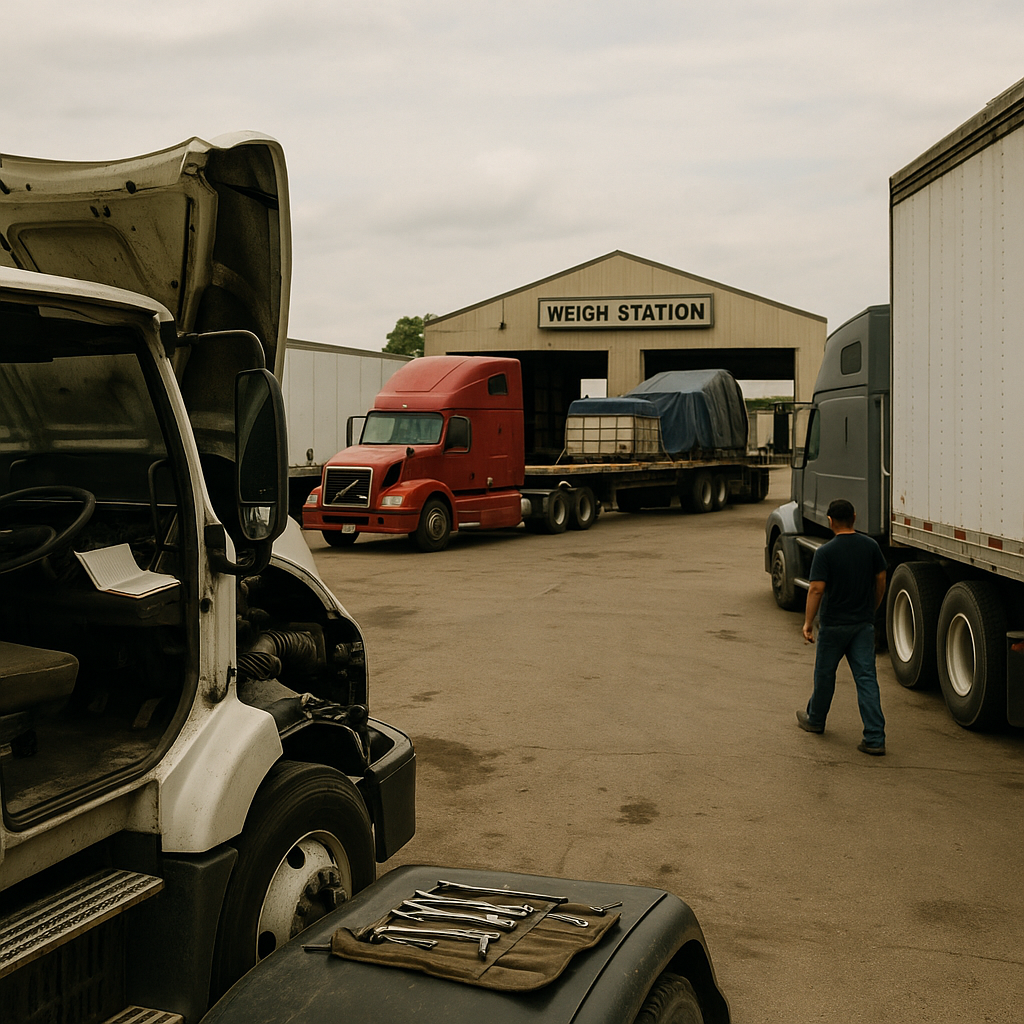

A freight damage insurance claim starts the moment damaged cargo is found, not when the paperwork finally reaches somebody’s inbox. If you’re an owner-operator or small fleet, the fastest way to protect your side is to figure out three things early: what got damaged, who had responsibility, and whether this is a cargo insurance issue, a carrier liability issue, or both.
Claims get messy when people mix up insurance coverage with legal responsibility. This guide keeps it simple, shows what documents matter, and walks through what to do from first notice to settlement.
What a Freight Damage Claim Is#
A freight damage insurance claim is a request for payment or recovery after cargo is damaged in transit, at pickup, or at delivery. In trucking, that claim may go to the motor carrier, the cargo insurer, or another party depending on the load, the contract, the bill of lading, and what actually caused the damage.
A bill of lading is the shipping document that identifies the freight, the parties, and the terms tied to the shipment. A freight damage claim is the formal demand for money or adjustment after that shipment arrives damaged or is found damaged during transit.
Cargo damage vs. carrier liability#
Cargo insurance is an insurance policy that can pay for covered loss or damage to freight. Carrier liability is the carrier’s responsibility for cargo loss or damage when the carrier is legally or contractually on the hook.
Those aren’t the same thing. A load can be damaged and still turn into different paths: a claim against the carrier, a claim under cargo insurance, a dispute with the shipper or consignee, or a denied claim if the facts and paperwork don’t support recovery.
That distinction matters in everyday trucking. If a pallet shifts because of securement, the carrier may face liability questions. If water gets into the trailer and the policy covers that cause of loss, cargo insurance may respond. If the issue is poor packaging before pickup, the carrier may argue the damage started before it ever took control.
When damage becomes a claim#
Damage becomes a claim when someone with a financial interest in the freight formally reports the loss and asks for payment, repair, replacement, or another resolution. Usually that means the claimant backs it up with photos, delivery notes, invoices, and proof of what the cargo was worth and how it was damaged.
In practice, one damaged load can create two separate conversations at once. One is, “Who is responsible?” The other is, “Does the policy respond?” If you treat those like the same question, you can lose time, miss notice requirements, or send the claim to the wrong place.
What to Do Immediately After Freight Is Damaged#
When freight is damaged, your first job is to stop the loss from getting worse, preserve evidence, and notify the right people fast. Most bad claims get weaker in the first hour because cargo gets moved, packaging gets tossed, photos never get taken, or delivery notes stay vague.
Protect the load from more loss#
Mitigation of loss means taking reasonable steps to keep damage from spreading after you find it. That can mean separating wet freight from dry freight, securing a shifted load, protecting exposed cargo from weather, or getting temperature-sensitive goods checked quickly.
Do only what’s safe and necessary. You don’t want to create more damage while trying to help. But you also don’t want to stand there while a small issue turns into a full load loss.
If the freight needs to be moved to prevent more harm, note exactly what you changed and why. Keep damaged packaging, broken straps, wet blankets, or other evidence if practical.
Document the scene before moving anything#
A strong freight damage insurance claim is built on simple, boring proof. Take wide and close photos of the freight, the packaging, the trailer interior, load securement, seals, doors, pallets, labels, and anything else that shows condition.
Record the date, time, location, trailer number, seal number, shipment reference, and who found the damage. If you can, take short video showing how the cargo sat in the trailer before unloading or reworking.
A POD is the proof of delivery document that shows what was delivered, when, and with what exceptions or remarks. If the consignee notices damage at delivery, make sure the POD and receiving paperwork clearly say so instead of using soft language like “subject to inspection.”
Notify the right people fast#
Notice should go out quickly to every party that may need to act: shipper, consignee, broker, dispatch, carrier safety or claims contact, and insurer if the policy requires prompt reporting. Deadlines can vary by contract, bill of lading, and policy, so late notice can become its own problem.
Don’t guess who should hear about it first and stop there. A broker may want notice under its process, but the insurer may still need direct notice. A shipper may ask for a common carrier claim form, while the carrier wants photos and delivery receipts first.
This is where small operators get burned. Everybody assumes somebody else sent the email, saved the photos, or noted the damage on the POD. Then the story changes later.
If you’re staring at a messy loss and aren’t sure whether it’s a documentation problem, a liability problem, or a coverage problem,
How to File a Freight Damage Claim#
Filing a freight damage claim usually means giving notice, getting the right claim form or claim instructions, attaching proof, and tracking the file until you get a decision. The key is sending the claim to the right place, because some losses belong with the carrier, some with the cargo insurer, and some start inside a shipper or broker claims process.
Find the correct claim form#
A claim form is the document used to report the shipment details, damage description, claimed amount, and supporting facts. The claimant may be the shipper, consignee, broker, cargo owner, or another party with a financial interest in the load.
Start by checking the bill of lading, rate confirmation, shipper instructions, and policy reporting instructions. Some claims begin with a written notice to the carrier. Some go straight to the insurer or third-party administrator. Some shippers use their own freight damage claim form and require all backup in a set format.
If responsibility depends on which motor carrier moved the freight, verify the carrier details through FMCSA SAFER. That helps confirm the operating carrier tied to the shipment.
Submit the supporting documents#
A proof of loss is the package of documents and evidence showing what was damaged, how it happened, and the value being claimed. In most cases, the filing sequence looks like this:
- Give prompt notice.
- Get the right form or reporting instructions.
- Gather photos, POD, bill of lading, invoices, and load details.
- Add repair estimates, salvage information, or inspection notes if needed.
- Submit everything in one clean package.
- Confirm receipt.
Don’t drip documents out one at a time if you can avoid it. Incomplete files are a big reason claims stall.
Track the claim number and follow up#
A claim number is the reference number the carrier, insurer, or claims handler assigns to the loss file. That number matters because every follow-up, estimate, supplement, and coverage question will hang off it.
Save the claim number in your dispatch notes, email subject line, and phone contacts. If multiple parties are involved, keep separate references so you don’t confuse the carrier’s file with the insurer’s file.
Follow up in writing after phone calls. If somebody asks for more documents, send exactly what they requested and note the date. The cleaner your paper trail, the harder it is for the file to drift.
Documentation Checklist That Strengthens the Claim#
A strong freight damage insurance claim usually comes down to organized proof: shipment documents, condition evidence, value support, and a clean timeline. Adjusters and claims handlers move faster when they can see what shipped, what arrived, what changed, and how the amount claimed was calculated.
Core documents#
The most useful file starts with the shipment basics. That usually includes:
- bill of lading
- POD with damage notations
- shipper and consignee information
- rate confirmation or load confirmation
- packing list
- invoice showing cargo value
- written notices and email correspondence
- claim form, if one was required
Chain-of-custody details matter because they help show when the freight changed hands and what condition it was in at each point. If a seal was intact at pickup but broken at delivery, or if the quantity count changed after a cross-dock, that can shape the whole claim.
Photos and damage evidence#
Your photos should show quantity, quality, and packaging damage. Don’t just photograph the worst box on the load. Show the full load, the affected units, pallet condition, labels, crush points, water lines, punctures, temperature readouts if relevant, and the trailer condition.
If there were seals, photograph the seal number before removal if possible. If there was load shift, photograph the securement setup, broken dunnage, bars, straps, and voids. Those details help an adjuster, the person who reviews and investigates the claim, understand cause and extent.
Bad claims often fail because the paperwork says “damaged on arrival” but the photos don’t show how much, what kind, or whether the packaging was compromised.
Value and repair support#
Support the dollar amount with invoices, replacement costs, repair quotes, inspection reports, or salvage bids where applicable. If only part of the freight was affected, identify the exact quantity and SKU or item count instead of claiming the whole load by default.
Keep everything in one folder with clear file names and dates. A simple format like “BOL,” “POD,” “Photos at Delivery,” “Invoice,” and “Repair Estimate” works better than a phone gallery full of random images.

Missing or inconsistent paperwork doesn’t always kill a claim, but it can slow it down, reduce payment, or create arguments about what really happened.
Who Pays: Cargo Insurance, Carrier Liability, or Neither#
Who pays for damaged freight depends on two separate questions: who was responsible for the loss, and whether any policy covers that loss. Cargo insurance is a coverage question. Carrier liability is a responsibility question. Sometimes they line up cleanly. A lot of times they don’t.
When cargo coverage responds#
Cargo coverage may respond when freight is physically damaged from a covered cause during the covered transit or handling period, subject to the policy terms, limits, and exclusions. The exact result depends on the policy language, the commodity, the hauling arrangement, and how well the loss was documented.
That means everyday facts matter. Was the freight listed or excluded? Was the load refrigerated and did a temperature issue cause the loss? Did theft involve signs of forced entry or another condition the policy requires? Was the value above the cargo limit?
If you’re hauling under your own authority, under another carrier, or through a brokered arrangement, the responsibility chain can look different. The shipment contract and operating setup often matter just as much as the physical damage itself.
When carrier liability applies#
Carrier liability applies when the motor carrier is responsible for cargo loss or damage under the shipping arrangement and facts of the loss. For trucking context, FMCSA rules cover operating authority and financial responsibility, but those rules are not the same as saying every cargo loss is automatically paid by insurance. See FMCSA for carrier operating context and 49 CFR Part 387 for federal financial responsibility rules.
That distinction clears up a common mistake. Federal liability requirements for motor carriers are about public liability in operation, not a blanket promise that every freight damage event is covered by cargo insurance or paid by the carrier without dispute.
If you need to know who the operating carrier was on paper, the authority details and carrier status can also be checked on SAFER. That’s useful when multiple companies touched the load and everybody starts pointing fingers.
When the claim may be denied#
Some losses fall outside coverage or liability because of exclusions, weak proof, late notice, poor packaging, concealed damage problems, or facts showing the carrier didn’t cause the loss. In plain English, damage alone doesn’t guarantee payment.
A claim can also become partly paid instead of fully paid. Maybe only some units were damaged. Maybe salvage reduced the amount. Maybe the paperwork supports physical damage but not the full value claimed.
This is why owner-operators need to separate “the freight was damaged” from “this claim is covered and payable.” Those are related, but they are not the same question.
How Claims Are Evaluated and Settled#
After filing, the claim moves into review, investigation, and decision. The adjuster looks at the documents, checks the timeline, compares the reported cause to the policy or liability position, and may ask for inspection reports, repair estimates, or more photos before making an offer.
Adjustment and investigation#
An adjuster reviews the bill of lading, POD, invoices, correspondence, photos, and any statements from the driver, consignee, shipper, or warehouse. The goal is to answer basic questions: what was shipped, what was damaged, when it happened, who had control, and what the loss is worth.
Plain-language insurance terms and claim-handling basics are explained well by NAIC. That’s a useful reference if you’re sorting through insurance wording and trying to understand why the handler keeps asking for the same records in different forms.
Fast, organized responses help. Claims drag when dates don’t line up, quantities change between documents, or no one can prove condition at pickup or delivery.
Settlement offers and disputes#
A claim may end in repair, replacement, partial payment, full payment up to the supported amount, or denial. If the amount looks short, ask for the reason in writing and compare it to the documents you submitted.
If the file is disputed, tighten the record before arguing. Clarify delivery exceptions, resend cleaner photos, provide missing invoices, or get a better repair or inspection statement. A strong factual file usually helps more than an emotional one.
Subrogation and recovery#
Subrogation means an insurer that paid the claim may pursue another party that actually caused the loss. For example, if a cargo insurer pays a covered claim but another party’s actions caused the damage, the insurer may try to recover from that party later.
That process happens behind the scenes a lot. Your job is still the same: report early, document clearly, and keep your file complete.
How to Reduce Freight Damage Claims in the Future#
Most freight damage claims are easier to prevent than to win later. Small operators usually don’t need a big compliance department to improve results. They need repeatable habits at pickup, in transit, and at delivery.
Loading and securement habits#
Better claim outcomes start before the wheels turn. Check packaging condition at pickup, note visible issues, verify counts when you can, and don’t ignore bad palletization or obvious load instability.
Use the right securement for the freight, not just the securement you already have in the trailer. If the load can shift, crush, tip, sweat, freeze, or leak, plan around that risk before departure.
Temperature-sensitive freight needs the same discipline. Pre-cool when required, confirm setpoints, keep reefer records, and note any temperature exceptions fast.
Trailer and seal checks#
Inspect the trailer for holes, moisture, odors, debris, floor problems, and door seal issues before loading. Check seal numbers and record them accurately. A small mismatch in trailer or seal documentation can become a big argument later.
At delivery, don’t rush the paperwork just because the dock is busy. Clean POD notes and delivery exceptions are some of the cheapest claim protection you have.
Process improvements after a loss#
One claim should improve the next load. If damage happened because dispatch missed a shipper instruction, because the driver didn’t photograph the load, or because the trailer inspection wasn’t documented, fix the process instead of calling it bad luck.
Written checklists help even single-truck operations. Keep a simple pickup checklist, damage photo routine, delivery exception script, and file-naming system for every load.
If your current setup leaves you guessing about cargo limits, exclusions, or what coverage fits your operation,
FAQ#
What happens if freight is damaged?
If freight is damaged, the first steps are to prevent more loss, document the condition, and notify the right parties quickly. Take photos of the freight, packaging, trailer, seals, and surrounding conditions. Record the date, time, location, trailer number, load details, and any delivery exceptions on the POD.
After that, the issue usually moves into two tracks at once: responsibility and coverage. The shipper, consignee, broker, carrier, or insurer may all need notice depending on the shipment. The sooner the paperwork and evidence are organized, the easier it is to tell whether this is a carrier liability claim, a cargo insurance claim, or neither.
What does freight insurance cover?
Freight insurance usually means cargo coverage for physical loss or damage to freight during transit, but only when the policy applies. Coverage depends on the policy terms, covered causes of loss, commodity type, exclusions, limits, deductible, and how the load was hauled. It doesn’t mean every damaged load is automatically paid.
In real trucking terms, coverage can be affected by what you haul, how it was packaged, whether refrigeration was involved, whether theft conditions were met, and whether the loss was reported properly. That’s why drivers and small fleets need to read cargo coverage as a policy response, not as a blanket answer to every damage dispute.
How does a freight claim work?
A freight claim usually starts with notice of damage, then moves into documentation, formal filing, investigation, and settlement. The claimant gathers the bill of lading, POD, photos, invoices, repair or replacement support, and any required claim form. That package goes to the right party, which may be the carrier, cargo insurer, broker, or shipper claims department.
Once filed, the claim handler or adjuster reviews what happened, what the cargo was worth, who had responsibility, and whether the claim fits the policy or liability position. The outcome may be payment, partial payment, repair, replacement, denial, or a request for more proof. Good records usually speed the process.
What is an example of freight insurance?
A simple example is a palletized load of packaged goods that gets soaked after water enters the trailer during transit. If the cargo policy covers that kind of physical damage, and the shipment was properly documented and reported, cargo insurance may pay the covered amount up to the policy terms and limits.
That same event can still raise separate carrier liability questions. If a bad trailer condition contributed to the loss, the carrier’s responsibility may be part of the claim story too. That’s why one damaged load can trigger both a coverage review and a liability review at the same time.
Can a freight damage claim be denied even if the cargo is clearly damaged?
Yes. A freight damage claim can be denied if the loss falls outside the policy, the documents don’t support when or how the damage happened, notice was too late, packaging was inadequate, or another exclusion applies. Clear damage is important, but damage by itself doesn’t prove coverage or carrier responsibility.
That’s also why vague delivery notes and missing photos hurt so much. If nobody can show condition at pickup, chain of custody, or the exact quantity affected, the claim gets weaker fast. A clean file with the bill of lading, POD, photos, invoices, and prompt notice gives the claim a much better shot at moving forward.





