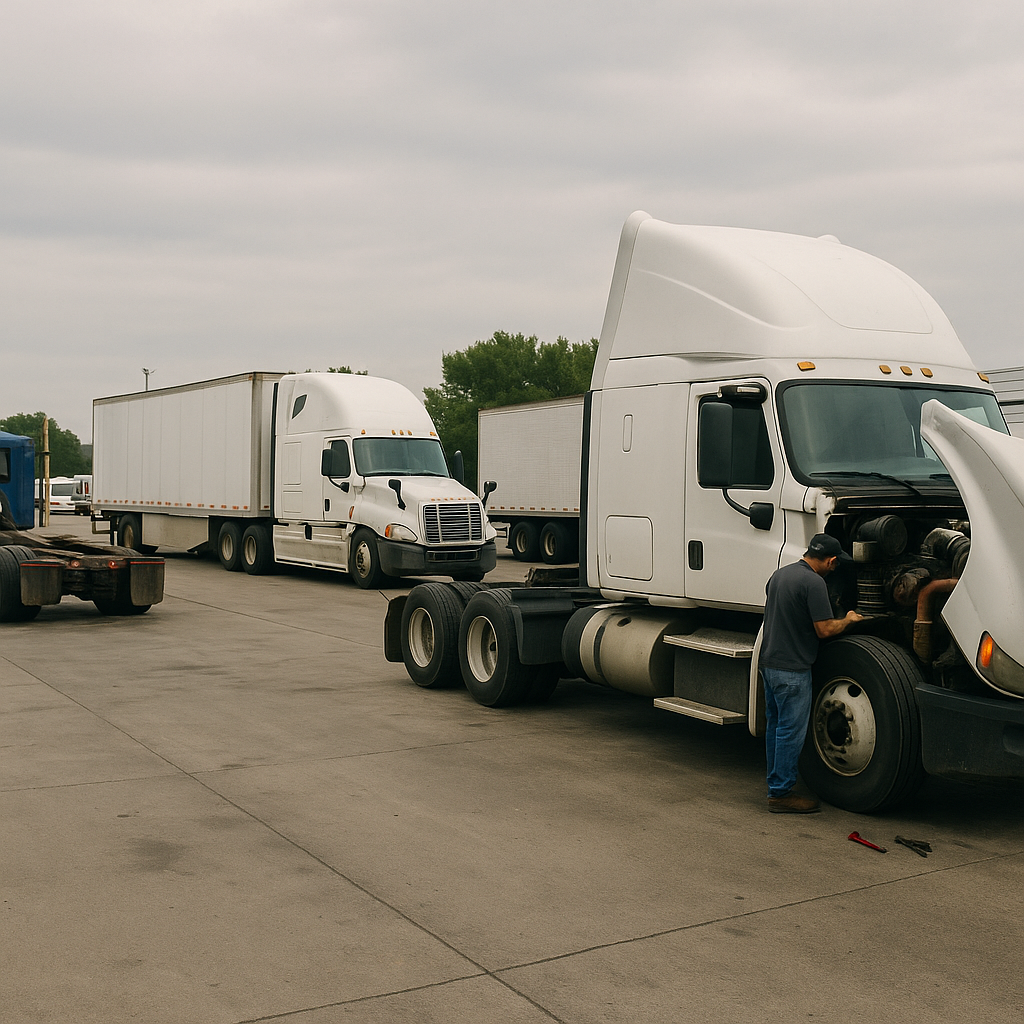

A motor truck cargo insurance claim is the claim you file when hauled freight is lost, stolen, or damaged in a covered event. If you’re an owner-operator or small fleet, the biggest mistakes usually happen in the first hour: moving freight too fast, calling the wrong party, or filing under the wrong policy.
This guide walks through what cargo insurance covers, when a cargo claim is the right claim, what documents matter, how timing works, and how to avoid delays that can turn a bad load into a worse cash-flow problem.
What Motor Truck Cargo Insurance Covers in a Claim#
A motor truck cargo insurance claim applies to covered loss or damage to the freight you were hauling, not damage to your tractor or trailer itself. Coverage usually depends on the policy wording, the cargo type, the cause of loss, and any endorsements or exclusions attached to the policy.
Motor truck cargo insurance is coverage for freight being transported by a for-hire trucker, subject to the policy’s terms, conditions, and exclusions. That matters because plenty of drivers hear “truck insurance” and assume every loss goes to one place. It doesn’t.
Covered losses#
Cargo claims commonly involve collision-related freight damage, theft, fire, overturn, and water damage, depending on the form. Some policies can also respond to refrigerated cargo spoilage if you carry the right reefer breakdown endorsement, which is coverage for loss tied to refrigeration unit failure or temperature-control problems.
A bill of lading is the shipping document showing what was picked up, where it was going, and in many cases the condition and quantity tendered. That document often becomes the backbone of the claim file.
Common exclusions and limits#
Cargo coverage isn’t automatic for every commodity or every kind of loss. Certain cargo may be excluded, high-theft situations may have conditions, and claims involving poor packaging, unattended equipment, or unexplained shortage may hit a denial fast if the policy doesn’t support the facts.
Your policy limit is the most the insurer may pay for a covered loss, subject to the contract. Your deductible is the amount you absorb before insurance pays on a covered claim.
Cargo vs truck damage#
Physical damage coverage pays for covered damage to your truck, like collision or fire loss to the tractor or trailer. General liability covers certain third-party bodily injury or property damage claims that aren’t your auto liability or cargo claim. Non-trucking liability covers liability when the truck is being used for non-business purposes, not while you’re under dispatch hauling freight.
Federal liability filings like MCS-90 deal with public liability obligations, not cargo claims. Under FMCSA rules and the federal financial responsibility framework in 49 CFR Part 387, required liability coverage is a different issue from optional cargo insurance, so don’t file freight loss under the same bucket as truck wreck damage or FMCSA liability compliance.
When a Cargo Claim Is the Right Claim to File#
A cargo claim is usually the right claim when the freight itself was lost, damaged, stolen, or spoiled in a covered event during transport. If the real loss is damage to the truck, a loading dispute with no covered cause of loss, or a non-business-use issue, another policy or contract path may apply instead.
Signs the freight loss is covered#
If the product arrived crushed after a wreck, went missing after a theft, or was ruined by a covered event in transit, you’re likely looking at a cargo claim. Parked loads, partial loss, and reefer spoilage can also fit, but only if your wording supports that fact pattern.
The gray area is where drivers get burned. A parked trailer theft might be covered under one form and heavily restricted under another. A spoilage loss might require documented temperature records and the right endorsement. A shortage claim may need a clean seal record and receiver exception notes.
When another policy may apply#
If the tractor hit a guardrail and only the hood, bumper, and fairings were damaged, that’s usually a physical damage claim, not cargo. If someone at the dock says your freight was loaded wrong or packaged badly before pickup, that may turn into a handling or shipper dispute instead of a clean cargo claim.
First call: carrier, broker, or insurer#
First protect the scene, stop more damage, and notify the right people fast. In practical terms, that usually means your dispatch contact, broker or shipper contact if required, and the insurer or claims reporting channel listed on the policy.
The worst version is when freight is shifted, repacked, or disposed of before anyone documents it. If you’re not sure which policy applies or how to report it cleanly,
How to Handle a Cargo Claim Step by Step#
The best way to handle a motor truck cargo insurance claim is to protect the load, document the scene before freight moves, report the loss immediately, and submit a complete claim packet with follow-up records. Most cargo claims slow down because key proof is missing, the claim is reported late, or the adjuster has to chase basic facts.
An adjuster is the insurance professional who reviews the claim, compares the facts to the policy, and decides what additional proof is needed. A claim number is the identifier the insurer assigns so you can track the file and tie every document to the same loss.
Step 1: protect the load and prevent more damage#
Your first job is to keep a bad situation from getting worse. Secure the trailer, protect the freight from weather or contamination, and follow any safety or law enforcement instructions if there was a crash or theft.
If part of the load is still salvageable, don’t assume that means the claim goes away. Keep damaged and undamaged freight separated if you can, and don’t dump packaging, seals, or pallets until you know what’s been documented.
Step 2: document everything before moving freight#
Take wide and close photos before unloading or rearranging the cargo if it’s safe to do so. Get the trailer interior, exterior, load securement, packaging, seal condition, skid or carton damage, temperature display if reefer is involved, and final delivery condition.
Save the bill of lading, rate confirmation, pickup records, delivery records, receiver notes, lumper paperwork, seal numbers, and any messages showing when the problem started. If theft is involved, get a police report and the report number. If there was an accident, keep all crash details tied to the load.
Step 3: report the claim and get a claim number#
Report the loss as soon as you know there’s a real problem, even if your file isn’t complete yet. Ask the insurer how they want the claim submitted: portal, email, form, or phone intake. Then ask for the claim number right away.
The NAIC gives plain-language consumer guidance on reading policy terms and handling claims, and the same principle applies here: use the actual policy language and the insurer’s claim instructions instead of guessing. If the insurer wants a specific cargo claim form, use it. If they want attachments labeled a certain way, do that too.
Step 4: submit the packet and follow up#
Send a clean packet, not a pile of random screenshots. Include a short timeline, load ID, date of loss, truck and trailer details, commodity, amount claimed if known, and every supporting document you have.

Then follow up like a business owner, not like someone hoping the file moves itself. Ask what documents are still missing, whether inspection or salvage review is needed, and when the next update should happen. If the adjuster asks for more proof, send it with the claim number on every file name or email subject so nothing gets lost in the shuffle.
What Documents to Gather Before You File#
Before you file a cargo claim, gather the records that prove what you hauled, what happened to it, and what the freight was worth. The cleaner the paper trail, the easier it is for the adjuster to connect the loss to covered cargo and measure the amount claimed.
Load and delivery records#
Start with the bill of lading, rate confirmation, dispatch sheet, pickup records, delivery receipt, receiver exception notes, and any seal documentation. If there was a transfer, cross-dock, or reconsignment, include those records too.
Damage evidence#
Photos matter most when they show sequence and context, not just one torn box. Get images of the load inside the trailer, packaging, pallets, straps or bars, seal condition, visible impact points, water intrusion if any, and the final condition at delivery or inspection.
Proof of value and loss#
Use invoices, purchase orders, packing lists, shortage reports, salvage records, and repair or rework invoices where relevant. If only part of the load was affected, make that clear. Partial loss claims often stall when the insurer can’t tell what was damaged, what was delivered, and what value belongs to each part of the shipment.
How Long You Have to File a Cargo Claim#
The deadline to file a cargo claim depends on your policy terms, insurer instructions, and the facts of the loss, so you should check the actual contract and reporting requirements right away. Don’t guess based on what another driver said, and don’t wait for every document before giving notice.
Some policies require prompt notice. Some claim forms or insurer workflows expect certain supporting documents within a stated period. The safest move is to report the loss immediately, then supplement the file as records come in.
If you’re missing paperwork, say that up front and ask what can follow later. Request the insurer’s preferred submission method in writing, and keep proof of every call, email, upload, and attachment. If you run into a claim handling issue or need your state’s complaint path, your state Department of Insurance can help you find the right regulator contact for your state.
How to Reduce Delays and Denials#
You reduce cargo claim delays by matching the facts to the policy, reporting fast, and proving chain of custody from pickup to delivery. Most denials don’t come from one giant mistake. They come from small gaps: late notice, missing records, bad photos, unclear seals, excluded freight, or no proof that the loss happened when and how you say it did.
Prevent avoidable denial reasons#
Common denial triggers include late reporting, excluded cargo, insufficient packaging, unattended theft restrictions, and weak documentation. If the receiver rejected freight, get their written reason. If there was a shortage, lock down the count records.
Match the claim to policy wording#
Make sure the load type, route, storage situation, and handling method fit your actual cargo form. If you haul refrigerated goods, high-theft goods, or unusually high-value freight, don’t assume a standard cargo policy responds the same way every time.
Use a clean follow-up process#
Set a simple follow-up rhythm and stick to it. Keep one file with your timeline, claim number, adjuster name, date reported, documents sent, and next expected update. If the file goes quiet after you’ve answered everything,
to review whether the claim path and coverage setup make sense.
How Much Cargo Insurance Usually Changes the Claim Conversation#
Cargo insurance cost depends on what you haul, the value of typical loads, your operating radius, claims history, and the deductible and limit you choose. For most owner-operators, the better question isn’t “what does $100,000 cargo cost” in the abstract. It’s whether your limit actually matches the freight you haul often enough to matter.
Limits and deductibles#
A higher policy limit can matter more than shaving premium if your loads regularly run near or above your current cap. A deductible affects what comes out of your pocket before the policy pays on a covered loss.
Why limits matter more than price#
A cargo claim gets simpler when the shipment value fits comfortably inside the policy structure. If the limit is too low, a covered claim can still leave a painful gap.
When to review your policy#
Review your policy when your freight mix changes, your lanes change, or you start hauling higher-value loads. LogRock specializes in trucking insurance for owner-operators and small fleets, so if you’re not sure what coverage fits your operation, LogRock can help you scope it.
What to Expect After You Submit the Claim#
After you submit a cargo claim, the insurer usually acknowledges receipt, assigns or confirms the claim number, and starts reviewing the facts against the policy. From there, expect document requests, possible inspection or salvage review, and then a payment decision, partial payment, or denial with reasons.
Acknowledgment and claim number#
If you don’t get confirmation, follow up fast. You want proof that the claim was received, the name of the adjuster, and the number attached to the file.
Adjuster review#
The adjuster may ask for better photos, missing delivery records, police reports, invoices, or statements about how the load was secured and when the damage was first discovered. That doesn’t always mean trouble. It usually means they don’t have enough to close the file yet.
Payment or denial outcome#
When the review ends, the insurer should explain what part of the loss is covered, what the deductible is, and how they measured the amount payable. Save every email, estimate, attachment, and note from every call. If you need help reviewing your current setup before the next bad load tests it, use the contact path below.
FAQ#
What does motor truck cargo insurance cover?
Motor truck cargo insurance covers covered loss or damage to the freight you’re hauling, not damage to the truck itself. A policy may respond to events like collision-related cargo damage, theft, fire, and some refrigerated spoilage situations if the right endorsement is included. The exact scope depends on the policy wording, commodity, route, storage conditions, exclusions, and limit. That’s why two drivers can both say they have cargo coverage and still have very different claim outcomes on parked loads, partial loss, or reefer spoilage.
How to handle cargo claims?
Handle a cargo claim in four moves: protect the load, document everything, report the loss immediately, and submit a complete packet tied to the claim number. Start by preventing further damage and preserving the scene. Then gather photos, the bill of lading, delivery records, seal numbers, receiver notes, police reports if needed, and proof of value. Report the claim before you have every paper in hand if timing is tight. After submission, track the file, answer document requests quickly, and keep a written log of dates, names, and next steps.
How much does $100,000 cargo insurance cost?
There isn’t one flat premium for $100,000 cargo insurance because pricing depends on the operation behind the limit. Insurers look at cargo type, lanes, radius, theft exposure, claims history, equipment, and deductibles, along with how the freight is handled and where the truck is parked. A driver hauling low-risk dry freight on shorter lanes may be viewed very differently from one hauling higher-theft or temperature-sensitive loads. Your actual premium depends on your operation, cargo, radius, driving history, and other factors.
How long do you have to file a cargo claim?
How long you have to file a cargo claim depends on the policy and the insurer’s reporting process, not a one-size-fits-all rule. Some forms require prompt notice, and some claim workflows expect supporting records within a stated time after the loss is discovered. The safe move is to report the loss immediately, even if some paperwork is still missing, then confirm the notice and submission requirements in writing. Keep proof of every upload, email, and phone call so you can show that you reported the claim on time.
Does motor truck cargo insurance cover parked loads or theft?
Sometimes, but not automatically. Theft from a parked truck or trailer is one of the areas where policy wording matters a lot. Some forms cover theft subject to conditions about where the unit was parked, how long it was left unattended, whether security measures were used, and whether there are signs of forced entry. If freight disappears with weak chain-of-custody records or no clean documentation, the claim can get hard fast. Check the actual cargo form and any theft-related restrictions before you assume a parked-load loss is covered.