If you’re hauling freight in Massachusetts, motor truck cargo insurance protects the load, not the truck. That’s the part many owner-operators miss. You can have auto liability, a USDOT number, and even active authority, but still have zero coverage if a customer’s freight gets stolen, burned, or damaged in transit.
This guide breaks down what motor truck cargo insurance does, who usually needs it, what affects cost, and where Massachusetts operators get tripped up. The goal is simple: help you separate real cargo risk from all the noise around contracts, FMCSA rules, and commercial auto coverage.
What Motor Truck Cargo Insurance Covers in Massachusetts#
Motor truck cargo insurance is coverage for loss or damage to the freight you haul for someone else. In plain terms, if the customer’s load is damaged, destroyed, or stolen during a covered event, this policy may pay for the cargo claim. It does not pay to repair your truck.
What it pays for#
Motor truck cargo insurance may pay for the value of damaged or lost freight, depending on the policy limit, deductible, and cause of loss. A policy limit is the most the insurer will pay for a covered claim. A deductible is the amount you pay out of pocket before insurance pays the rest.
In real life, that can mean a covered claim after a crash scatters palletized goods across the highway. It can also mean a fire in the tractor or trailer damages a shipper’s load before delivery. The NAIC offers plain-language insurance guidance that helps separate cargo coverage from other commercial policies.
Typical covered loss scenarios#
Typical covered scenarios include collision damage, fire, theft, vandalism, load shift, and some weather-related losses, depending on the wording of the policy. A load shift is when freight moves during transit and gets damaged because it was displaced in the trailer. A reefer is a refrigerated trailer or unit used to haul temperature-sensitive freight.
For example, say an owner-operator picks up packaged food in Worcester and gets rear-ended on I-90. If the freight is crushed and rejected by the receiver, that may trigger a cargo claim. Another example: a small fleet parks overnight near Boston, and thieves cut a seal and steal electronics. That could be covered, but only if the policy includes that kind of theft exposure and the security conditions were met.
What happens when cargo is damaged while parked#
Cargo damaged while a truck is parked can be covered, excluded, or limited based on the policy language and how the loss happened. The key questions are usually where the truck was parked, whether it was attended or secured, and what caused the damage.
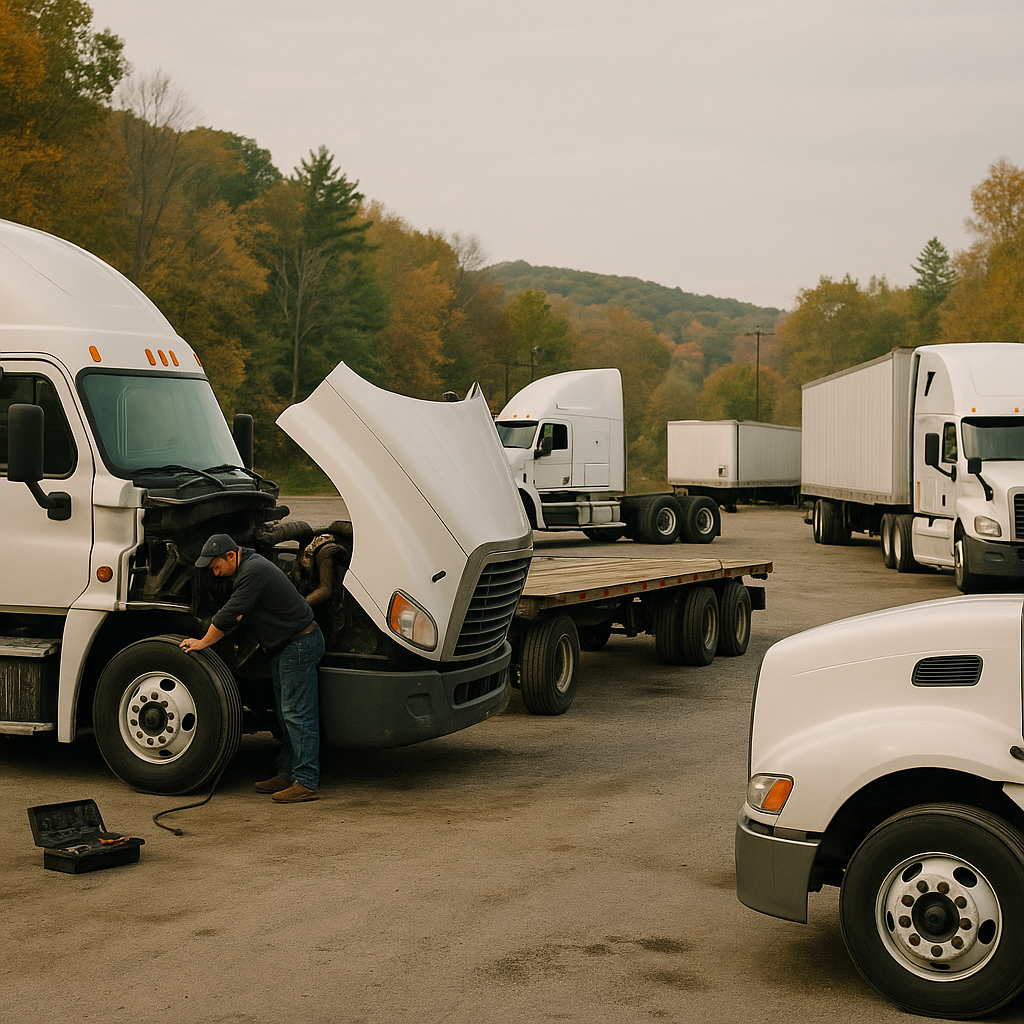
This is where operators get burned. If a parked truck is hit by another vehicle and the load is ruined, that may be treated very differently from an unattended theft at an unsecured lot. If you’re not sure how your operation should be scoped,

Who Needs Cargo Coverage in Massachusetts#
Motor truck cargo coverage is usually driven by contract requirements and business risk, not by a universal rule that every Massachusetts trucker must carry it. If you haul freight for others, especially under your own authority, you should at least evaluate it. The smaller your operation, the harder one cargo loss can hit.
Owner-operators and small fleets#
Owner-operators and 1-5 truck fleets often look at cargo coverage through one practical question: what happens if one load goes bad? A single-truck operator hauling ordinary dry freight may face a very different exposure than a two-truck fleet hauling higher-value consumer goods into dense metro areas.
If you mainly run low-theft freight on familiar lanes, you may decide your cargo limit can be narrower than an operation hauling expensive, easy-to-resell products. But even a modest load can create a painful out-of-pocket claim if a shipper expects you to make them whole.
When brokers or shippers ask for it#
Brokers and shippers often require cargo insurance before they’ll tender loads, even when the coverage is not a blanket legal minimum. A broker is the middleman who arranges freight between shippers and carriers. A shipper is the party whose goods are being transported.
That means a Massachusetts carrier can be perfectly legal to operate from an auto liability standpoint and still be shut out of loads without cargo coverage. A load board setup, shipper packet, or contract may require a certain cargo limit before you can book the freight.
Cargo van use and commercial insurance questions#
If you use a cargo van for business, commercial insurance may still be necessary, but cargo coverage depends on what you’re hauling, who you’re hauling for, and how the operation is set up. Commercial auto insurance is insurance for vehicles used in business, and it is different from a personal auto policy.
A cargo van used to deliver your own tools is a different risk from a van hauling other people’s property for pay. If you’re transporting customer goods, the cargo question becomes separate from the vehicle question. The van may need commercial auto, while cargo coverage depends on the freight, contracts, and exposure.
Massachusetts Rules and Common Requirement Confusion#
Motor truck cargo insurance is different from auto liability, physical damage, and general liability. Federal rules usually focus on public liability for operating authority, not on protecting the freight itself. In Massachusetts, cargo coverage may still be expected by brokers, lenders, or customers even when it is not the rule people think it is.
Cargo insurance vs. commercial auto#
Auto liability pays for bodily injury and property damage you cause to others with the truck. Physical damage pays for damage to your truck, usually through collision and comprehensive-type coverage. General liability covers certain non-driving business liability exposures, not damage to freight in transit.
So you can be insured for a crash you cause and still have no coverage for the shipper’s ruined load. That’s the gap cargo insurance is built to address.
State rules vs. FMCSA rules#
FMCSA financial responsibility rules are not the same thing as cargo insurance requirements. Under 49 CFR Part 387, for-hire interstate carriers hauling general freight in vehicles over 10,001 lbs must carry at least $750,000 in public liability. That is an auto liability rule, not a cargo rule. You can also verify carrier operating status through SAFER and review federal guidance at FMCSA.
Massachusetts operators also deal with state insurance and regulatory context through the Massachusetts Division of Insurance. But don’t confuse state consumer insurance oversight with a blanket cargo mandate for every trucking business.
When cargo coverage is optional but still expected#
Cargo coverage is often optional in the legal sense but expected in the real-world sense. A lender may care about the truck. FMCSA may care about liability filings tied to authority. Your shipper may care most about whether their product is protected if something goes wrong.
That means a carrier can have the right filings to run interstate freight and still lose business because there is no cargo certificate to show. The paperwork may say you’re active, but the customer may still say no.
What Affects Motor Truck Cargo Insurance Cost#
Motor truck cargo insurance cost depends on the freight, the routes, the limits, and the way your operation handles risk. There is no honest flat price that fits every Massachusetts owner-operator. Your actual premium depends on your operation, cargo, radius, driving history, claims history, and other factors.
Freight type and cargo value#
The type of freight matters because some commodities are more expensive, more fragile, or more attractive to thieves. Inherent vice is a built-in tendency of cargo to spoil, decay, leak, or damage itself without an outside covered event.
Hauling packaged paper goods is usually a different risk from hauling electronics, alcohol, pharmaceuticals, or temperature-sensitive food. If the cargo is easy to steal or expensive to replace, insurers usually treat it as a heavier exposure. Reefer loads can also change the picture because temperature control issues add another layer of claim risk.
Radius, lanes, and hauling frequency#
Where and how often you run matters because exposure grows with time on the road, overnight parking, and theft-prone lanes. A truck making short daytime runs in familiar parts of Massachusetts may look different from one regularly running into dense Northeast corridors with more stop-and-go traffic and more unattended parking.
A simple example: a solo operator hauling a few local loads a week may present a different cargo risk than a small fleet running constant regional lanes with frequent overnight stops. More miles and more handoffs usually mean more chances for something to go wrong.
Loss history, deductibles, and claims controls#
Prior losses matter because insurers want to know whether past cargo claims were bad luck or part of a pattern. A pattern of theft claims, temperature claims, or documentation problems can change how the risk is viewed. Claim controls also matter.
That includes secure parking practices, seal procedures, photo documentation at pickup, driver inspection habits, and how quickly problems are reported. If two operators haul similar freight but one leaves loads unattended in weak locations and the other uses disciplined parking and documentation procedures, insurers may not view them the same way.
A higher deductible may lower premium pressure, but it also means more out of pocket when a loss happens. Before you choose a deductible, think about whether your business could absorb that number during a bad month.
What Cargo Insurance Usually Does Not Cover#
Motor truck cargo insurance does not cover every freight problem, every delay, or every mistake. Common exclusions often involve cargo that damages itself, poor packing, dishonest acts, or unattended and unsecured situations. This is where reading the policy details matters more than the marketing summary.
Common exclusions#
Common exclusions may include wear and tear, gradual deterioration, improper packing, inherent vice, and intentional or dishonest acts. If produce spoils because it was already compromised before pickup, that may not look like a covered cargo loss. If someone on the inside steals freight, coverage may be treated differently than an outside theft.
Some policies also limit or exclude certain commodities unless they are specifically scheduled. That matters if your operation changes freight types during the year.
Owner’s mistake versus covered cargo loss#
Cargo insurance usually does not repair your truck, replace your lost revenue during downtime, or automatically pay every dispute tied to a late delivery. If the freight is damaged because of a covered accident, that’s one thing. If the problem starts with bad loading, poor securement, or missing paperwork, the claim can get messy fast.
For example, if a shipper loaded the trailer poorly and the cargo shifts, the facts will matter. If your inspection notes are weak and there are no photos, proving what happened gets harder.
How parked or unattended loads can be treated#
Parked and unattended losses often turn on security details. If a truck is left overnight, the policy may care about location, locking, seals, alarms, and how long the load sat. An unsecured trailer at a casual lot may be treated very differently from a secured, documented stop.
That doesn’t mean every parked loss is denied. It means parked-truck claims usually live or die on the exact facts and the exact wording.
How to Decide Whether Cargo Coverage Is Worth It#
Cargo insurance is worth it when one damaged or stolen load could seriously hurt your cash flow, customer relationship, or ability to keep hauling. For many Massachusetts owner-operators, that’s the real test. If one claim would be painful but survivable, the decision is different than if one claim could sideline the business.
When the risk is high enough#
The more expensive, fragile, theft-prone, or temperature-sensitive the freight, the easier the case for cargo coverage becomes. If you haul goods that can be resold quickly after theft, one bad stop can turn into a major loss. If you haul reefer freight, one refrigeration issue can damage an entire load.
Think about the difference between a simple palletized dry load and a load of high-value electronics. Both fit in a truck. Only one can wreck your month in a hurry.
When a contract makes the choice easier#
Sometimes the market makes the decision for you. If a broker or shipper requires cargo coverage, the question stops being “Is it legally required?” and becomes “Do I want access to these loads?” For many small carriers, the answer is obvious.
If the freight network you want to work with expects cargo certificates, going without coverage can become a business limitation, not just an insurance choice.
A practical self-check for small operators#
Ask yourself a few plain questions. Could you pay for a full load loss out of pocket? Could you absorb a claim while still making truck payments and fuel bills? Would a customer trust you again if you had no cargo protection in place?
For a single-truck operation, one bad claim can create weeks of disruption even before the money side is settled. If you’re unsure how to weigh the exposure,
How to Get the Right Quote for Your Massachusetts Operation#
The fastest way to get a useful cargo quote is to show exactly what you haul, where you haul it, and how your operation handles the load. Broad answers lead to broad assumptions. Specific answers usually lead to a better-matched quote.
Information to have ready#
Have your cargo type, delivery radius, truck count, garaging location, requested limit, and prior losses ready. If you haul more than one commodity, say that upfront. If your lanes include higher-theft corridors or regular overnight parking, include that too.
That helps the insurer scope the risk around the actual operation instead of guessing from a generic trucking profile.
How insurers match coverage to your hauling type#
Insurers match cargo coverage to commodity type, territory, security practices, and the kind of customers you serve. An owner-operator hauling dry general freight may need something very different from a small fleet handling reefer loads or high-value freight.
You also want the cargo policy coordinated with auto liability and physical damage so each policy does its own job without leaving gaps.
Questions to ask before you buy#
Ask what causes of loss are covered, how parked-truck claims are handled, what documents are needed for claims, and whether any commodities are excluded. Ask how unattended vehicles are treated. Ask whether the limit fits the loads you actually haul instead of the loads you hope to haul later.
FAQ#
How much does motor truck cargo insurance cost?
Motor truck cargo insurance cost varies based on what you haul, how much the freight is worth, where you run, how often the truck is moving, and how claims-prone the operation looks. High-value or theft-prone cargo usually costs more to insure than ordinary dry freight. Reefer exposure, overnight parking, higher limits, and prior cargo losses can also push pricing up. Deductibles matter too. A higher deductible can reduce premium pressure, but it also means more out-of-pocket exposure when a loss happens. The useful question isn’t “What’s the average?” It’s “How risky is my actual freight and route mix?”
Is motor truck cargo insurance the same as cargo insurance?
Usually, people use the terms loosely to mean the same basic thing, but motor truck cargo insurance is the trucking policy designed to cover loss or damage to freight while a motor carrier is hauling it. The important part is not the shorthand name. The important part is the scope. Some people confuse cargo insurance with auto liability, physical damage, or even a warehouse-type property policy. They do different jobs. For an owner-operator or small fleet, motor truck cargo coverage is the piece that addresses the customer’s load while it’s in your care during a covered transit-related loss.
Do I need commercial insurance for my cargo van?
If your cargo van is used for business, you may need commercial auto insurance even if it looks like a personal-use vehicle. The cargo question is separate. If the van hauls your own tools or business property, that’s one insurance discussion. If it hauls other people’s goods for pay, that’s another. In that case, commercial auto may be necessary for the vehicle exposure, while cargo coverage depends on what you’re hauling, your business structure, contract requirements, and the financial risk of damaging the freight. Don’t assume a personal auto policy will respond just because the vehicle is a van.
Is cargo insurance worth it?
Cargo insurance is worth it when one freight loss would hurt enough that you wouldn’t want to carry that risk yourself. For many small trucking businesses, one stolen, burned, crushed, or spoiled load can create a cash-flow problem and damage a customer relationship at the same time. It’s also often worth it when brokers or shippers require proof of cargo coverage before they’ll release loads. If you haul high-value, fragile, theft-prone, or temperature-sensitive freight, the case gets stronger fast. If your loads are lower value and your contracts don’t require it, the decision becomes more about your own risk tolerance.
Does motor truck cargo insurance cover cargo while the truck is parked?
Sometimes yes, sometimes no, and sometimes only under specific conditions. Parked-truck claims often depend on the cause of loss, where the vehicle was left, whether it was attended, how it was secured, and what the policy says about unattended vehicles. A collision involving a parked truck may be treated differently from theft at an unsecured overnight lot. That’s why two losses that sound similar can get very different claim outcomes. If parked exposure is a real part of your Massachusetts operation, ask specifically how overnight stops, seals, locks, and secure parking affect coverage before you buy.