
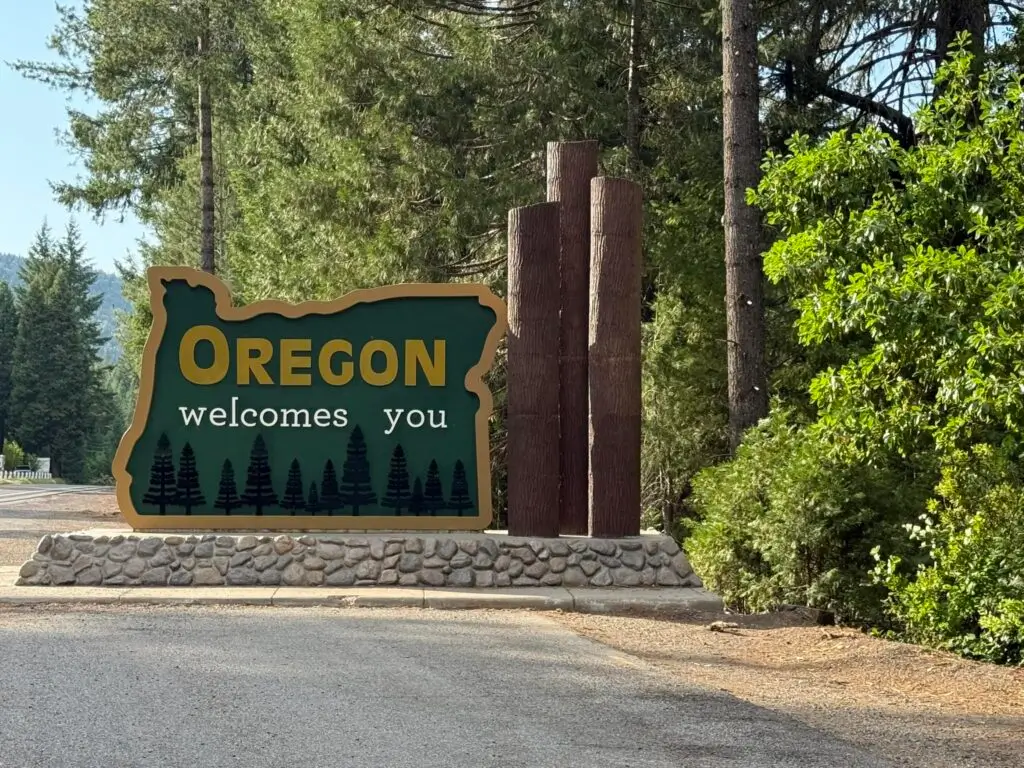

Oregon commercial truck insurance costs in 2026: compare liability limits, Weight-Mile Tax requirements, Form E filings, surety bond considerations, and coverage needs for timber, freight, and owner-operators.
From the windy Columbia Gorge on I-84 to Coast Range logging roads and the I-5 corridor, Oregon can be a demanding state for commercial trucking. Oregon’s Commerce and Compliance Division (CCD) oversees key carrier requirements, including the state’s Weight-Mile Tax program.
For eligible heavy commercial operations, Oregon uses a weight-mile tax system rather than collecting the state fuel tax at the pump. The tax is tied to Oregon miles and declared or registered weight, and the program has enrollment, reporting, and security requirements administered by ODOT Commerce and Compliance Division.
Oregon commercial truck insurance commonly falls in a broad range based on truck type, limits, cargo, experience, and operating territory. This guide explains the coverage and compliance pieces that affect your cost—and, for price-shopping context, see our guide to cheapest commercial truck insurance in Oregon.
Table of Contents
Reading time: 9 minutes

Key Takeaways: Oregon Truck Insurance Costs
- The price tag: A semi truck with a clean record is estimated at about $13,200 annually at a $1M limit, or about $11,500 at $750K, based on the directional table below.
- Weight-Mile Tax: Eligible heavy carriers pay tax based on Oregon miles and weight; reporting and enrollment requirements apply.
- Logging industry: Timber operations can need specialized coverage for off-public-road exposure, including a Loggers Broad Form endorsement where appropriate.
- ODOT authority: Oregon intrastate for-hire operators may need Class 1A authority and insurer-filed proof of insurance through Form E or Form H, depending on the operation.
Real Numbers: Estimated Costs by Truck Type
The following directional estimates represent annual auto liability costs for a clean-record operator. Actual pricing depends on underwriting, operating radius, cargo, loss runs, garaging, and the final policy structure.
| Vehicle Type | $300,000 Limit* | $750,000 Limit | $1,000,000 Limit (Standard) |
|---|---|---|---|
| Hotshot | $7,000 | $8,800 | $10,200 |
| Box Truck | $5,500 | $7,200 | $8,800 |
| Dump Truck | $7,500 | $9,800 | $11,500 |
| Semi Truck | $9,000 | $11,500 | $13,200 |
| Log Truck | $10,500 | $13,500 | $15,800 |
Last updated: July 2026. These are planning estimates, not bindable quotes.
* $300,000 is the federal minimum for eligible carriers operating vehicles under 10,001 lbs GVW; Oregon intrastate requirements may be higher depending on vehicle weight and operation type. Confirm your specific minimum with your agent before binding.
LogRock Reality Check
If you are hauling timber, do not assume a standard trucking policy covers every part of the operation. Log truck insurance can need specialized wording for private timber roads, loading areas, and other off-public-road exposures.
Liability Limits: Intrastate vs. Interstate
Oregon rules can differ depending on whether you remain inside the state or cross state lines. For interstate operations, federal financial-responsibility requirements are governed by 49 CFR Part 387. Confirm your exact operations and commodity class before binding coverage.
Before comparing intrastate and interstate minimums, it helps to understand exactly what auto liability insurance covers — and what it doesn’t.
Table 1: Intrastate Requirements (ODOT CCD)
For trucks that operate only in Oregon, such as Portland to Eugene.
| Vehicle Weight / Type | Minimum Liability Limit | Filing Required? |
|---|---|---|
| Freight under 10,000 lbs GVW | $300,000 CSL | Yes (Form E) |
| Freight over 26,000 lbs GVW | $750,000 CSL | Yes (Form E) |
| Hazmat (Gas/Oil) | $1,000,000–$5,000,000 | Yes (Form E) |
| Household Goods (Movers) | $750,000 + Cargo Insurance | Yes (Form E + H) |
| Passenger (16+ seats) | $5,000,000 CSL | Yes (Form E) |
ODOT states that motor carriers applying for Intrastate 1A Permit Authority must file proof of public liability and property-damage insurance with CCD; cargo insurance may also be required. Review the current ODOT intrastate carrier insurance requirements before operating.
Table 2: Interstate Requirements (FMCSA / Federal)
For trucks that cross state lines, such as Portland, Oregon to Vancouver, Washington.
| Vehicle Weight / Type | Minimum Liability Limit | Filing Required? |
|---|---|---|
| Freight under 10,000 lbs | $300,000 CSL | No (unless hazmat) |
| Freight over 10,001 lbs | $750,000 CSL | BMC-91X |
| Hazmat (Gas/Oil/Explosives) | $1,000,000–$5,000,000 | MCS-90 |
| Passenger (16+ seats) | $5,000,000 CSL | Yes (BMC-91X) |
Oregon Requirements & Critical Filings
To operate legally, the insurance and tax pieces need to align with your authority and equipment.
- Form E: Required proof of public-liability and property-damage insurance for many Oregon intrastate for-hire carriers.
- Oregon Highway Use Tax Bond: ODOT may require a bond, cash deposit, or other security for Weight-Mile Tax enrollment. For some for-hire carriers, the initial security is $2,000 for one vehicle; confirm the current requirement using the ODOT highway use tax bond guidance.
- Form H: May apply to household-goods operations that must show cargo insurance.
- Weight-Mile Tax enrollment: Carriers must meet the applicable enrollment and reporting requirements before operating on permanent tax enrollment.
- Loggers Broad Form: Consider this specialized coverage when timber operations create off-road or private-property exposure.
New to Oregon authority? ODOT identifies Class 1A permit authority for intrastate for-hire operations; confirm your permit, filing, and tax enrollment path before your first trip. For a broader first-policy checklist, see trucking insurance for new authority.
Frequently Asked Questions
Oregon’s Weight-Mile Tax is based on the miles you drive in Oregon and the declared or registered weight that applies to your vehicle configuration. ODOT publishes rate tables, and carriers generally report and pay based on Oregon miles. Carriers operating qualifying heavy vehicles should verify their enrollment, reporting frequency, and current rate table directly with ODOT before running.
For carriers properly enrolled in Oregon’s Weight-Mile Tax Program, fuel may be purchased without the state fuel tax being charged at the pump. That does not make operating tax-free: qualifying carriers instead pay weight-mile tax based on their Oregon operations. Confirm your enrollment and reporting obligations with ODOT before relying on this treatment.
Oregon and federal requirements depend on the vehicle, operation, and commodities. ODOT’s temporary-pass guidance says private and for-hire operations over 10,000 pounds must provide a U.S. DOT number for certain Oregon commercial-vehicle requirements. Confirm the classification of your operation with ODOT CCD before you begin operating.
ODOT may require an Oregon highway use tax bond, cash deposit, or other security when a carrier enrolls vehicles in the Weight-Mile Tax Program. For some for-hire carriers, the initial security amount can be $2,000 for one vehicle, but the required amount and waiver criteria depend on carrier type and ODOT’s current rules. Verify the amount before you apply.
A Loggers Broad Form endorsement is commonly used to address liability exposures tied to logging operations beyond ordinary public-road hauling, such as private timber roads, loading areas, and mill or landing operations. Whether you need it depends on your policy wording, contracts, and where your truck operates. Oregon timber haulers should have the policy reviewed before accepting off-highway exposure.
A lapse in the insurance filing required for your Oregon intrastate authority can lead to a suspension or loss of authority to operate until compliant proof of insurance is filed again. ODOT states that intrastate 1A permit applicants must have the insurer file Form E or Form H proof of insurance with CCD. Maintain continuous coverage and contact your agent before cancellation or renewal deadlines.
Cargo insurance is not a universal federal requirement for general freight, but brokers and shippers commonly require it by contract. Oregon intrastate carriers can also face cargo-insurance requirements in specific situations; ODOT states cargo insurance may be required and lists a minimum acceptable cargo-insurance limit for its intrastate filing process. Match cargo limits to your contracts and highest load values.
Usually not a separate policy, but your policy, authority, and filings must match interstate operations. Crossing state lines can place your operation under federal requirements, including applicable FMCSA financial-responsibility filings. Tell your agent before quoting that you run interstate so your limits, radius, and filings are set up correctly.
Timing varies with the completeness of your application, insurance filings, tax enrollment, and whether you operate intrastate or interstate. ODOT requires intrastate for-hire carriers to have the required authority and insurance filings in place before operating; federal authority has its own process and timelines. Start early and confirm current processing steps directly with ODOT CCD and FMCSA.
Physical damage covers the truck itself — comprehensive (fire, theft, weather) and collision (impact damage). Oregon doesn’t set a statewide minimum for physical damage, but your lender or lease company almost certainly requires it if you’re financing your rig. Some brokers and shippers also ask for it. Ask your agent whether your loan or lease agreement specifies a coverage amount, and confirm that any specialized equipment — logging gear, dump beds, lift gates — is properly described in the policy.
Whether your trailer coverage is included in your auto liability policy or needs a separate endorsement depends on who owns the trailer and how your policy is structured. Owner-operators who own their trailers typically need to list them on the policy. If you regularly pull trailers you don’t own, a non-owned trailer liability endorsement may be worth adding. Confirm with your agent how the trailer is titled and whether your current policy wording actually covers it during loading, transit, and delivery.
Yes, in many cases. Some carriers offer discounts for verified ELD use and dashcam programs because they produce documented safety data. Oregon-based operators should ask their agent specifically whether a telematics or dashcam discount is available on their policy and what documentation the insurer requires. The discount varies by carrier, but it can be meaningful — especially for newer authorities or operators with limited loss history.
Underwriters review your FMCSA BASIC scores — particularly Unsafe Driving and Vehicle Maintenance — when evaluating your application and setting rates. A high CSA score, or a pattern of roadside violations, can make it harder to find coverage at standard rates or lead to declinations from preferred carriers. Oregon DOT and ODOT enforcement officers conduct inspections on state and federal roadways, and those results feed into your FMCSA safety profile. Maintaining a clean inspection record and challenging incorrect violations through DataQ when appropriate can protect both your compliance standing and your insurability.
Typically yes, though what you need differs from an owner-authority operator. When leased-on, the motor carrier’s liability filing generally covers your truck while under dispatch — but you may still need bobtail or non-trucking liability coverage for periods when you’re operating off the motor carrier’s authority. Confirm exactly what the lease agreement and the motor carrier’s policy cover before assuming you’re fully protected. Gaps in coverage during deadhead or personal use are a common and expensive mistake.
The LogRock Difference: We Handle the Bond & the Filing
Oregon is administratively demanding. Form E, Weight-Mile Tax enrollment, surety-bond requirements, and specialized exposures can create avoidable delays when they are handled separately. LogRock helps operators understand their coverage and filing requirements, including timber and wood-chip operations that need more than a generic commercial-auto quote.
Conclusion & Get Your Oregon Quote
Oregon offers important freight lanes but also distinct tax, filing, and insurance requirements. Build coverage around your actual authority, truck type, freight, and operating territory—not just the lowest quoted payment.
Operating in Oregon takes more than a standard policy.
Between the Weight-Mile Tax enrollment, Form E filing, surety-bond requirements, and specialized exposures for timber and logging operations, Oregon carriers face compliance layers that trip up even experienced operators. LogRock works with truckers across Oregon to review coverage gaps, sort out filing requirements, and find quotes that match how you actually run — not just the cheapest number on a screen.





