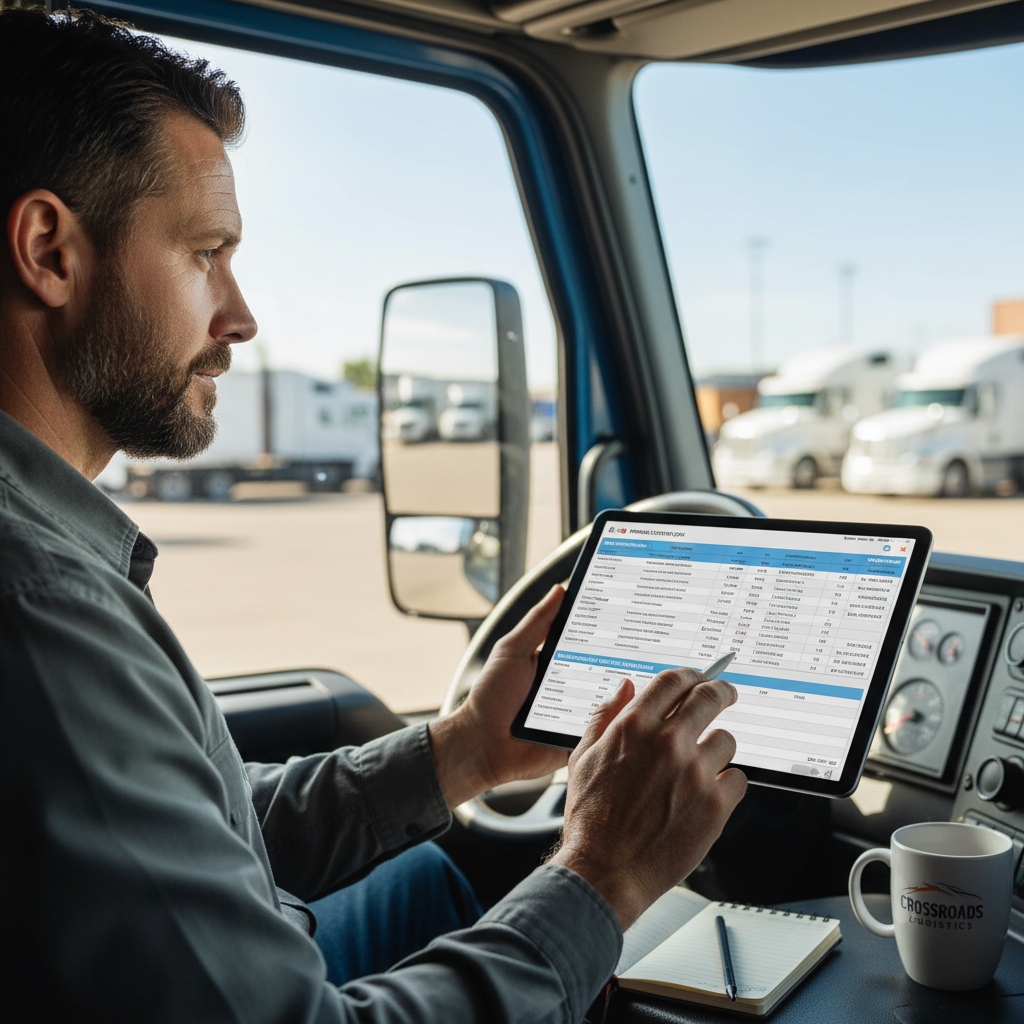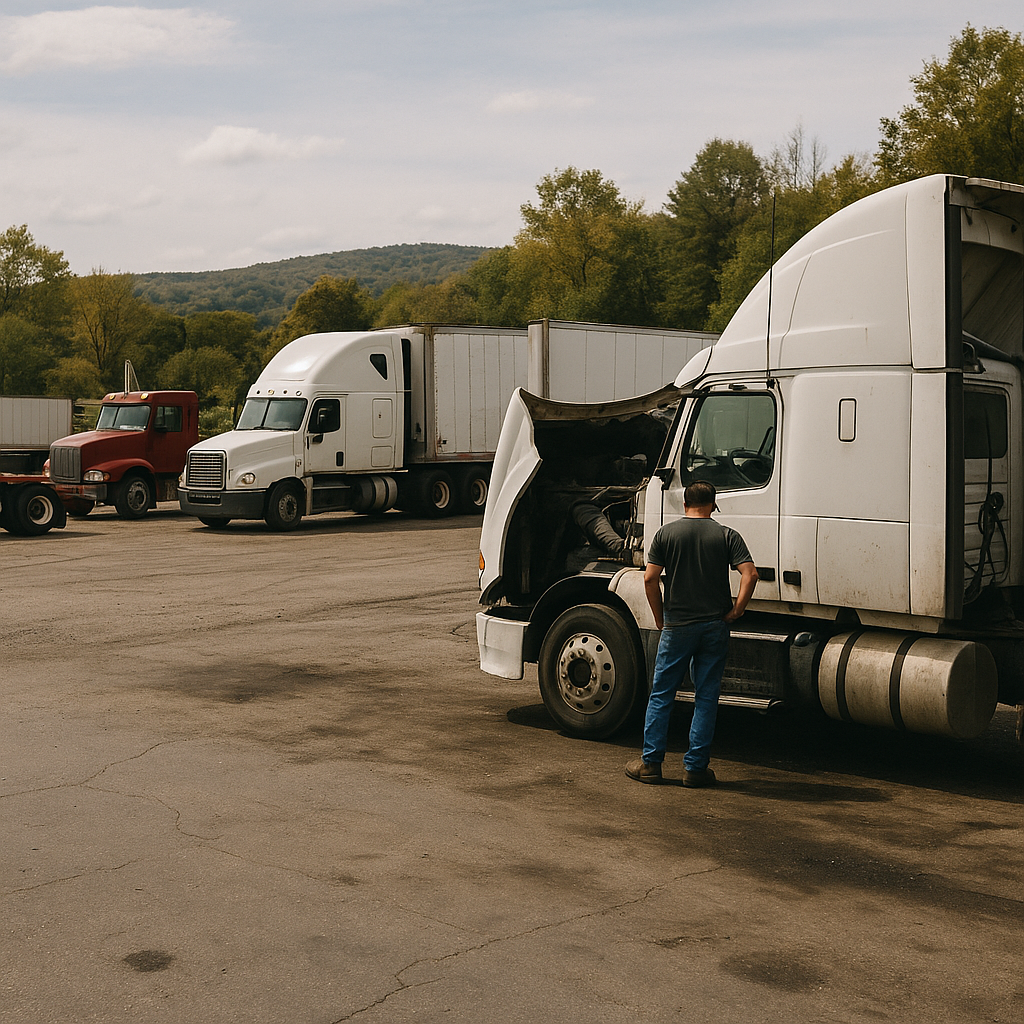

If you’re shopping for food truck insurance Massachusetts owners actually need, the biggest mistake is treating it like just auto insurance or just restaurant insurance. A food truck is both: a vehicle on public roads and a food business serving the public, and your coverage needs to match both sides.
What Food Truck Insurance Actually Covers#
Food truck insurance is usually a mix of vehicle and business coverage, not one single mandatory policy. In plain English, you’re insuring the truck while it’s being driven, the business while it’s serving customers, and often the equipment and people tied to the operation.
A food truck policy is best understood as a package. One part deals with road use, accidents, and damage to the truck. Another part deals with customer injuries, food service risks, and business property.
The NAIC explains commercial insurance in plain language, and that framework fits food trucks well: liability means coverage that can help pay when your business is legally responsible for injury or damage, and a deductible is the amount you pay yourself before certain coverage starts.
Food truck insurance vs. restaurant insurance#
A food truck isn’t the same as a fixed restaurant. A restaurant policy may focus heavily on premises risk at one location, while a food truck also has driving exposure, movement between stops, and equipment riding inside a vehicle.
For example, a truck parked at a Boston lunch lot has customer-facing business risk while serving. The same truck driving from Boston to Cambridge for a catering job has vehicle risk on the road before the first order is even handed out.
When your truck is a vehicle and when it is a business#
Your truck is treated like a commercial vehicle when it’s being used for business driving. Personal auto usually doesn’t fit because the vehicle is being used to generate business income, carry cooking equipment, and operate as a mobile commercial unit.
Your truck is treated like a business when customers line up at the window, staff work inside, or a claim comes from your operations rather than a crash. Think burns, slips, smoke-related complaints, or damage connected to serving at an event.
Core coverages most food trucks review#
Most Massachusetts food truck owners look at a few core buckets:
- Commercial auto for business driving
- General liability for customer-facing claims
- Workers compensation if they have employees
- Physical damage for the truck itself
- Equipment or contents protection for built-in gear and business property
- Food spoilage or similar options when refrigerated inventory matters
- Event-related insurance needs when venues ask for proof of coverage
That matters because a cheap-looking policy can leave a big gap. If you’re unsure which pieces fit your operation, [](https://www.logrock.com/?utm_source=BLOG&utm_campaign=food-truck-insurance-massachusetts).

Massachusetts Rules: Permits Are Not the Same as Insurance#
Massachusetts food truck owners usually deal with permits, inspections, and operating approvals, but those are not the same thing as insurance. A city permit can let you operate in a location, while insurance helps protect you financially if something goes wrong.
This is where a lot of owners get tripped up. They assume that if the city approved the truck, their coverage questions are settled. They aren’t.
The Massachusetts Department of Public Health is a good starting point for understanding that food safety and operating oversight exist alongside local rules. In practice, many food truck requirements are handled at the city or town level, and local boards of health, fire officials, and property owners may all have a say.
State permit questions food truck owners ask#
Owners usually ask what permit they need “for Massachusetts,” but the real answer is often layered. You may need local approvals for where you serve, health-related approvals for food handling, and additional permissions for special locations or events.
A commissary requirement, for example, can affect where you prep, clean, or store supplies. That’s an operating rule, not a substitute for insurance.
Local health, fire, and parking requirements#
Local rules often control where you can park, whether fire suppression equipment must be inspected, and what health standards apply to food prep and storage. Those are real compliance issues, but they don’t pay for a crash, a customer injury, or damage to your truck after a covered loss.
A practical example: you might pass inspection in one town and still need separate event approval in another. Or a private office park might ask for its own certificate of insurance before allowing you to serve lunch on site.
Insurance compliance versus operating approval#
Insurance comes into play in a different lane. Municipalities, event organizers, landlords, and commissaries may ask you to show proof of coverage, but that request doesn’t mean insurance and permitting are the same thing.
Think of it this way: permits help answer “Are you allowed to operate here?” Insurance helps answer “What happens financially if something goes wrong while you operate here?”
Required and Common Coverages for a Massachusetts Food Truck#
A Massachusetts food truck usually needs coverage on both the vehicle side and the business side. If the truck is driven for business on public roads, commercial auto is usually central, and if the business serves the public, liability and employee-related coverage often matter too.
Commercial auto insurance is insurance for vehicles used in business, rather than personal driving. Workers compensation is coverage that can help with employee job-related injuries or illnesses, subject to state rules.
Commercial auto for the truck itself#
If your food truck is driven on public roads for business use, commercial auto is the starting point. Personal auto is generally not built for a mobile kitchen that earns income, carries business equipment, and may have custom buildout value beyond a normal vehicle.
Commercial auto can help address claims from crashes involving bodily injury or property damage, and it may also include physical damage options for the truck itself. Physical damage means coverage for damage to your own vehicle, typically including collision and comprehensive-type causes.
This is also where it’s useful to separate food trucks from FMCSA-style trucking rules. The FMCSA governs many interstate commercial motor carrier issues, but most local food truck owners are not buying the same insurance structure as a for-hire interstate trucking operation under 49 CFR Part 387. The point is simple: don’t let generic trucking advice confuse a local Massachusetts food truck insurance decision.
Liability for food service operations#
General liability helps with customer-facing business claims not caused by a vehicle crash. Think slip-and-fall injuries near the service window, a customer claiming they were burned by hot food, or venue-related claims tied to your operations.
If you work private events, this coverage becomes even more important because venues often ask for certificates showing limits before they let you set up. A wedding venue, brewery, or town fair may care less about your route and more about whether your policy fits public-facing service.
Workers compensation and equipment protection#
If anyone besides the owner helps prep, cook, clean, or serve, workers compensation needs a close look under Massachusetts rules. A helper cutting vegetables in the commissary, lifting a propane tank, or slipping in a wet service area creates a very different exposure than a solo operation.
Food trucks also commonly review protection for:
- Built-in cooking equipment
- Generators and serving gear
- Inventory and supplies
- Refrigerated items that could spoil after a breakdown
- Cash registers, POS systems, or contents kept in the truck
A truck with a basic griddle setup has different needs than one with expensive refrigeration and catering inventory booked for the weekend.
How Coverage Changes by Food Truck Business Model#
The right food truck insurance Massachusetts setup depends heavily on how the truck actually operates. A weekday lunch truck, a private-event truck, and a seasonal festival truck may all need different emphasis even if they serve similar food.
Solo owner-operator routes#
A solo owner running a predictable lunch route may care most about business driving, basic liability, and protection for the truck and onboard equipment. Mileage, overnight parking, and regular operating areas tend to matter a lot here.
Catering and private events#
Catering work often increases setup risk and paperwork. Venues may ask for certificates of insurance, specific limits, or proof that they can be added in a certain way before the event date.
If you’re booking weddings, office events, or private campuses, don’t assume your standard route setup automatically matches what those clients require.
Festival, fair, and seasonal operations#
Festival and fair work can mean denser crowds, more foot traffic, temporary setups, and a shorter window to make your revenue. That can raise the importance of liability, equipment protection, and clear proof-of-insurance handling.
A truck that sits most of winter and then works hard through spring and summer should review storage, seasonal use, and event scheduling before renewal. One policy detail that looks minor in January can become a problem in June.
What Drives Food Truck Insurance Cost in Massachusetts#
Food truck insurance cost in Massachusetts depends more on the shape of your risk than on one headline number. The truck, the drivers, the equipment, the type of work, the limits you pick, and your claims history all affect premium.
That means two owners with similar menus can pay very differently. One may run a modest weekday route with one driver and simple equipment. Another may have a newer truck, multiple drivers, frequent events, and higher-value kitchen gear.
Vehicle and driver factors#
Insurers usually look closely at the truck itself and the people driving it. A newer truck with expensive custom buildout can cost more to repair or replace, which can affect physical damage pricing.
Driver history matters too. Multiple drivers, prior violations, or accidents can change how the risk looks. Garaging location, how far the truck travels, and whether it is stored securely also play a role.
Business and claim history factors#
A truck serving a regular office route may present a different profile than one moving between fairs, breweries, and private events every week. More public interaction often means more chances for claims, even if nothing major has happened before.
Prior claims matter because they suggest how losses have happened in the past. A prior kitchen-fire issue, customer injury claim, or auto loss can affect future pricing more than owners expect.
Coverage limits, deductibles, and endorsements#
This is where owners often focus on the wrong thing. They ask, “How much does a $1,000,000 liability policy cost?” but the limit alone doesn’t answer the question.
A coverage limit is the maximum amount a policy can pay for a covered claim. An endorsement is a policy change that adds, removes, or modifies coverage.
A $1,000,000 liability setup for a low-mileage solo truck may price differently than the same headline limit on a truck doing heavy event work with employees. Deductibles, added protections, and proof-of-insurance requirements also change the final premium.
So instead of asking only for the cheapest option, compare what you’re actually buying. Your actual premium depends on your operation, cargo or inventory, radius, driving history, claim history, and other factors.
How to Get a Food Truck Insurance Quote That Fits Your Operation#
The best way to get a useful quote is to show exactly how your truck operates before you shop. A clean, accurate application helps you compare real coverage options instead of rough guesses that fall apart when a certificate is needed.
Information to gather before shopping#
Have these details ready before asking for quotes:
- Truck year, make, model, and current value
- Value of custom kitchen buildout and attached equipment
- Garaging address
- Where the truck usually operates
- Operating radius and typical mileage
- Driver count and driver history
- Employee count
- Event schedule and catering frequency
- Whether the truck is seasonal or year-round
- Any prior claims or lapses in coverage
Questions to ask a broker#
Ask practical questions, not just price questions. What exactly is covered while the truck is driving? What applies when it’s parked and serving? Are equipment, contents, or refrigerated items included? What exclusions matter for your operation?
Also ask how certificates of insurance are handled if you work events. A weekend event operator in Massachusetts often needs faster paperwork turnaround than a truck doing one fixed lunch stop five days a week.
How to compare quotes without overbuying#
Compare quotes line by line. Check limits, deductibles, excluded activities, named drivers, and whether the policy reflects route work, event work, or both.
A useful example: one Massachusetts owner may need a lunch-route-focused policy with straightforward commercial auto and liability. Another may need broader event-facing paperwork support and stronger equipment protection because weekend catering drives the business.
How to Tell if You Have Enough Coverage#
You have enough coverage when the policy matches how the truck actually operates today, not how it operated a year ago. If your route, staff, equipment, or event work changed, your old setup may now be too thin.
When minimum coverage may be too thin#
A basic setup can start to look light when you add expensive kitchen equipment, start catering private events, or bring on staff. The same goes for owners who move from a few local stops to a wider operating area with more time on the road.
Signs you need higher limits#
Frequent festivals, venue contracts, heavier customer traffic, and higher-value contents are all signs to review limits. If clients regularly ask for proof of specific liability limits, that’s also a sign your current policy may not match the work you’re chasing.
The IRS says ordinary and necessary business expenses may be deductible depending on the facts and records involved, so it’s smart to keep insurance records organized and review them with a tax professional through IRS guidance.
Simple self-check before renewal#
Before renewal, ask yourself three things: Has the truck changed? Has the schedule changed? Have the people or places changed?
If the answer is yes to any of them, your coverage deserves a fresh look.
Final Takeaway for Massachusetts Food Truck Owners#
Massachusetts food truck insurance makes more sense once you split two issues apart: permission to operate and protection from loss. Permits, health approvals, fire checks, and local rules help determine where and how you can work, but they don’t replace insurance.
The better approach is to match coverage to your real operation. A truck doing weekday office stops has one profile. A truck doing weddings, breweries, and seasonal festivals has another.
Before the busy season, review the truck value, equipment, employee setup, and event schedule. If you’re expanding into catering or adding new venues, review your policy before the first booking, not after a certificate request or claim exposes a gap.
FAQ#
What is the best insurance for a food truck?
The best insurance for a food truck depends on how the truck operates, not on a one-size-fits-all bundle. Most owners review commercial auto for business driving, general liability for customer-facing claims, workers compensation if they have employees, and physical damage or equipment protection for the truck and kitchen setup.
A weekday lunch truck may need a simpler setup than a truck focused on weddings, festivals, or private events. The best policy is the one that matches your actual routes, event exposure, equipment value, staffing, and proof-of-insurance needs without leaving obvious gaps.
What kind of permit do you need to own a food truck in Massachusetts?
In Massachusetts, food truck owners usually deal with a mix of local and state-related operating approvals rather than one single universal permit that answers everything. Depending on where and how you operate, that can involve local health oversight, fire-safety review, parking or vending approval, and sometimes commissary-related requirements.
Those approvals are separate from insurance. A town or event organizer may ask for proof of coverage, but insurance is not the same thing as your permit. The practical move is to check both the local operating rules and the insurance requirements tied to the places where you plan to serve.
How much does a $1,000,000 liability insurance policy cost?
The cost of a $1,000,000 liability policy depends on much more than the limit itself. Insurers usually price based on the truck, drivers, operating radius, type of food service work, event exposure, prior claims, and any added coverages or endorsements included in the package.
For example, a solo owner with a predictable lunch route may look very different from a truck doing frequent catered events with multiple drivers and expensive onboard equipment. That’s why two food trucks can ask for the same liability limit and still get very different quotes. Your actual premium depends on your operation and risk profile.
Is a food truck a tax write-off?
A food truck itself is not usually described as a simple “tax write-off” in everyday terms, because tax treatment depends on how the business is set up and how the purchase or expense is handled under IRS rules. Insurance premiums, though, are often treated as business expenses when they are ordinary and necessary for the operation.
The details matter. Your entity type, records, use of the vehicle, and accounting treatment all affect what is deductible and how. That’s why it’s smart to keep organized records for premiums, repairs, equipment, and operating costs, then confirm treatment with a qualified tax professional.
Do I need commercial auto insurance for a food truck if I already have personal auto?
In most cases, personal auto is not enough for a food truck because the vehicle is being used for business. A food truck isn’t just commuting or running errands. It’s a revenue-producing commercial vehicle with specialized equipment, customer-facing operations, and business-related travel.
That matters because a personal auto policy may not be designed to handle claims tied to commercial use, custom buildout, or business equipment. If the truck is driven to serve customers, move between towns, or work events, commercial auto should be reviewed closely so the road-use side of the business is properly addressed.