
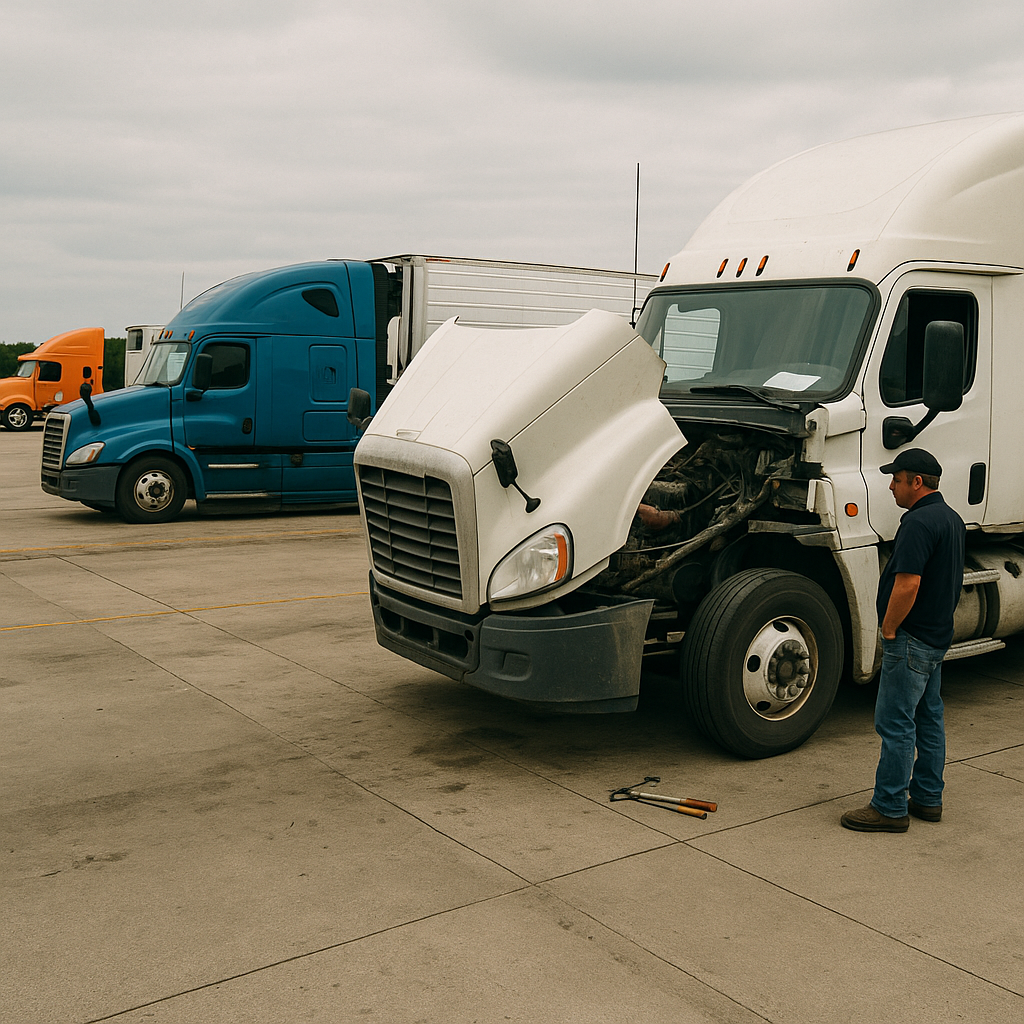

Reefer truck business costs run higher than many first-time operators expect. The truck payment is only part of it. Once you add refrigeration equipment, fuel burn, maintenance, insurance, and downtime risk, a reefer can out-earn a dry van on paper but still disappoint on net profit.
This guide breaks the cost picture into plain English. It also separates tractor-trailer reefer operations from refrigerated box truck setups, because those are not the same business.
What Reefer Trucking Is and Why Costs Run Higher#
Reefer trucking means hauling freight in temperature-controlled equipment, usually a refrigerated trailer, refrigerated box truck, or refrigerated van. Costs run higher than dry van because you’re maintaining both the vehicle and the cooling system, and one temperature problem can ruin a load even if the truck still drives fine.
A reefer is refrigerated equipment used to keep cargo within a set temperature range while in transit. In practice, that can mean food, produce, pharmaceuticals, floral loads, or other freight that can’t just sit in a standard trailer.
A dry van setup is simpler. You’re still dealing with fuel, tires, brakes, insurance, and repairs, but you’re not also managing a refrigeration unit, temperature settings, door-seal condition, and the risk of cargo spoilage.
Reefer setup vs dry van setup#
A refrigerated box truck and a tractor-trailer reefer are different business models. A refrigerated box truck is a straight truck with a cooled cargo box, often used for shorter routes or tighter urban deliveries, while a tractor-trailer reefer usually runs longer lanes and bigger freight volume.
That difference matters because the cost structure changes. A box truck may have a lower barrier to entry, but it often serves a different customer mix and route pattern than a full trailer reefer.
What the refrigeration unit adds to operating cost#
The refrigeration unit adds fuel use, service intervals, sensors, seals, belts, and another failure point. During long waits, hot weather, or strict shipper temperature rules, that extra system isn’t optional background equipment. It’s the reason you got the load.
FMCSA rules still shape the business side if you’re running interstate for-hire freight. You can review authority and compliance basics at FMCSA, and that matters because a profitable reefer operation still has to be a legal one.
Who this business model fits#
Reefer works best for operators who can stay disciplined on maintenance, load handling, and lane selection. Revenue can be stronger on some lanes, but margin depends on empty miles, spoilage exposure, claims, and how often the equipment is down.
Startup Costs: What You Pay Before the First Load#
Startup costs for a reefer business usually include the truck or trailer, refrigeration equipment, registration and inspections, insurance down payment, and enough working capital to survive the first slow stretch. The big mistake is counting only the purchase price and forgetting that bills start before freight revenue gets steady.
Truck or trailer purchase#
Your first major cost is the base equipment. For a tractor-trailer reefer operation, that may mean a road tractor plus a refrigerated trailer. For a refrigerated box truck, the truck and cargo body are part of one package.
New equipment usually lowers immediate repair risk but increases payment pressure. Used equipment can reduce upfront spend, but a cheaper unit can get expensive fast if the reefer system, engine, or trailer insulation starts failing.
Reefer unit and upfit costs#
The reefer unit itself changes the math. If you’re buying a used trailer or truck, the cooling unit’s condition matters almost as much as the engine or transmission. A bargain unit that can’t hold temperature under load isn’t a bargain.
Upfit costs also show up when equipment needs new insulation work, door seals, sensors, temperature monitoring, or repairs before it can handle the freight you want.
Licensing, permits, and insurance setup#
Before the first load, most operators also face registration, plates, inspections, authority-related costs, and insurance down payment. Liability coverage is insurance that pays for bodily injury or property damage you cause to others in a covered crash. Physical damage is coverage for damage to your insured truck or trailer from collision or other covered causes.
If you’re a for-hire interstate carrier, insurance minimums tie back to federal rules, not forum advice. Requirements vary by carrier type, vehicle weight, cargo, and whether you operate interstate or intrastate.
Working capital you should not skip#
Working capital is the cash you keep available to run the business before receivables catch up. You need it because fuel, maintenance, tolls, repairs, and truck payments don’t wait for brokers or shippers to pay.
This is where a lot of new reefer operators get squeezed. One repair bill, one delayed payment, and one rejected load can stack up fast. If you’re not sure how to scope the insurance side before you commit,
Operating Costs That Shape Reefer Profit#
Operating costs in a reefer business come from two buckets: normal truck costs and reefer-specific costs. That split matters because a reefer may bring in more gross revenue on some freight, but the cooling system adds fuel burn, maintenance, and downtime risk that can eat the spread.
Fuel, reefer fuel use, and idle time#
Base truck fuel is still one of the biggest costs. Then the refrigeration unit adds its own consumption, especially on long waits, high-heat days, and loads with strict temperature tolerances.
Idle time hurts twice. The truck may be sitting, and the reefer may still be running. That means you can be burning fuel while not adding loaded miles.
Maintenance and repair categories#
Normal truck maintenance still applies: engine work, drivetrain service, brakes, tires, suspension, and scheduled inspections. On top of that, reefer operations add cooling-system service, lines, belts, electrical issues, sensors, drains, evaporators, and door or seal problems.
A small issue can snowball. Weak seals or bad sensor readings can trigger temperature swings, and then you’re dealing with both repair cost and load risk.
Reefer unit upkeep and temperature-control failures#
Cargo spoilage means a load loses value because the freight was damaged, contaminated, or no longer safe or usable. In reefer work, spoilage can happen from unit failure, bad setpoint management, improper pre-cooling, delayed repair, or even repeated door opening.
Downtime is a real operating cost, not a side note. One canceled load can mean lost revenue, repositioning expense, and a damaged customer relationship. If the freight is temperature-sensitive, one breakdown can also turn into a cargo claim.
Tolls, factoring, tires, and admin overhead#
Smaller recurring costs become big annual costs once the business runs consistently. Factoring is selling your invoices to a finance company at a discount so you get cash faster instead of waiting for customer payment.
Tolls, accounting, ELD service, dispatch support, compliance tasks, tires, cleaning, trailer washouts, and reefer service records all count. A reefer business that looks fine on revenue can still struggle if these costs aren’t tracked closely.
Reefer vs Dry Van vs Refrigerated Box Truck: Which Costs More to Run?#
Reefer usually costs more to run than dry van, and a refrigerated box truck is not a direct replacement for either one. The right comparison is total cost versus realistic freight access, because higher load rates do not automatically mean better net profit.
Revenue potential vs net profit#
Reefer freight can pay better on certain lanes or during certain seasons. But you don’t keep gross revenue. You keep what’s left after truck fuel, reefer fuel, maintenance, insurance, downtime, financing, and deadhead.
Where reefer has cost advantages#
Reefer can open doors to freight that dry vans can’t touch. That may help with lane options, seasonal demand, and specialized freight access if your market supports it.

But that advantage only matters if you can keep the equipment reliable and the trailer loaded. A higher-paying load doesn’t help much if it comes with more empty repositioning miles or frequent service interruptions.
Where dry van usually stays simpler#
Dry van is usually simpler to maintain, easier to dispatch, and less exposed to temperature-related claims. That lower complexity can support better net margin when reefer premiums are weak or maintenance is climbing.
| Equipment type | Typical cost profile | Main risk points | Best fit |
|---|---|---|---|
| Dry van tractor-trailer | Lower operating complexity | Rate pressure, general repairs | Broad freight access |
| Reefer tractor-trailer | Higher fuel and upkeep | Spoilage, breakdown, downtime | Temp-sensitive long-haul freight |
| Refrigerated box truck | Different route economics | Urban wear, smaller capacity | Local or regional delivery |
Why box trucks are not a direct substitute#
A refrigerated box truck usually serves different loads, different distances, and different customer expectations than a full reefer trailer. Insurance fit can differ too, especially when cargo type, route density, and vehicle class change.
So the better question isn’t “Which pays more?” It’s “Which setup fits my lanes, budget, cargo access, and tolerance for complexity?”
Insurance and Risk Factors That Affect the Bottom Line#
Insurance affects reefer profit because refrigerated freight creates more than crash risk. You also have temperature-failure exposure, cargo-value concerns, and equipment-specific breakdown issues, so the policy mix has to match what you actually haul and how you run.
Cargo spoilage and breakdown exposure#
A normal cargo loss might involve theft or impact damage. Reefer freight adds another path to loss: the truck arrives, but the load is ruined because the temperature wasn’t maintained.
That’s why reefer operators need to understand spoilage and breakdown exposure clearly. A temperature-control failure can damage the load even when the trailer exterior looks fine.
Physical damage and liability basics#
Motor truck cargo is insurance for covered damage to the freight you haul for others. Public liability under federal trucking rules refers to bodily injury, property damage, and environmental restoration obligations tied to covered operations.
Under 49 CFR Part 387, for-hire interstate carriers hauling general freight in vehicles over 10,001 pounds must carry at least $750,000 in public liability. That is not a universal rule for all truckers; requirements vary by commodity, weight, carrier type, and whether you operate interstate or intrastate.
The MCS-90 is a federal endorsement attached to certain liability policies that helps satisfy financial responsibility rules for regulated motor carriers. It is not the same thing as broad cargo or equipment protection.
Coverage gaps to watch in reefer operations#
Some owner-operators assume cargo coverage automatically handles refrigeration-related loss. That can be a costly assumption. Reefer-related claims can turn on the cause of loss, the load type, equipment condition, maintenance history, and how the policy is written.
NAIC offers plain-language background on insurance concepts at NAIC, but the practical takeaway is simple: don’t assume “I have cargo” means every temperature problem is covered.
Why the cargo type matters#
Higher-value or more temperature-sensitive freight changes the insurance fit. The same truck hauling frozen food, produce, or pharmaceuticals may face very different underwriting questions.
That’s why owner-operators and small fleets need coverage matched to actual operations, not guessed from another driver’s setup.
How to Improve Reefer Cash Flow and Reduce Surprise Costs#
You improve reefer cash flow by controlling the costs you can actually control: load selection, preventive maintenance, service records, and cash reserves. The goal isn’t perfect weeks. It’s surviving the bad ones without letting one repair or one rejected load wreck the month.
Choose loads that fit your equipment#
Not every reefer load is a good reefer load. If the appointment times are bad, wait times are long, or the lane creates too much deadhead, the rate can look decent and still lose money.
Match freight to your equipment condition and operating style. If your unit struggles in extreme heat or you’re thin on reserve cash, don’t build the business around high-risk freight you can’t afford to disrupt.
Plan maintenance before the unit fails#
Preventive maintenance costs less than emergency failure in most reefer operations. That includes truck service and reefer service, along with seals, sensors, drains, and temperature checks.
A detailed maintenance log helps you catch patterns early. It also supports resale value when you decide to upgrade or exit the equipment.
Track temperature and reefer service history#
Temperature records matter operationally and defensively. If there’s a dispute over a shipment, service history and temperature logs can help show what happened and when.
Build cash reserves for slow weeks#
Reefer businesses can get hit from three directions at once: uneven freight, weather delays, and repair bills. Small fleets and single-truck owner-operators usually don’t have much slack, so reserve cash matters more here than in a simpler operation.
Profitability Checklist Before You Buy or Add a Reefer#
A reefer is a better buy only if your lanes, freight access, and cash position can support the higher-cost model. Before you add one, pressure-test demand, true monthly cost, break-even, and insurance fit instead of relying on headline rates or resale hype.
Start with demand by lane and cargo type. If the market around you doesn’t offer steady temperature-controlled freight, the reefer premium may never show up consistently enough to justify the added complexity.
Then build a true monthly cost estimate. Count payments, fuel, reefer fuel, maintenance, insurance, tolls, factoring, tires, and expected downtime. If your break-even only works in best-case weeks, the plan is thin.
Check legitimacy and operating basics on SAFER when you’re evaluating carriers, authority status, or partners. That won’t tell you profit, but it helps you verify basic carrier information.
Last, ask whether reefer truly fits better than dry van. If your freight access is weak, your reserve cash is light, or the equipment is questionable, simpler may be smarter. If you want help scoping the insurance side around your actual operation,
FAQ#
Is reefer trucking profitable?
Reefer trucking can be profitable when the extra revenue from temperature-controlled freight stays ahead of the extra cost to operate. The key is not just rate per load. It’s whether fuel, reefer upkeep, insurance, downtime, and empty miles still leave a healthy margin. Operators who do best usually know their lanes well, stay ahead on maintenance, and avoid taking freight that looks good on gross pay but creates too much waiting, deadhead, or spoilage risk.
How much do reefer owner operators make per mile?
Per-mile revenue varies by lane, season, region, broker mix, cargo type, and market conditions, so there is no single number that tells you much. The better question is net revenue per mile after fuel, reefer fuel, maintenance, insurance, tolls, and downtime. A reefer may gross more than dry van on some lanes, but if service costs or deadhead rise with it, the take-home may not improve nearly as much as the headline rate suggests.
Can I make money with a refrigerated box truck?
Yes, a refrigerated box truck can make money if it matches local or regional freight demand and the cargo profile fits the equipment. But it runs on a different business model than a tractor-trailer reefer. Capacity is smaller, routes are often shorter, and customer types can be different. That can mean lower startup cost in some cases, but also different revenue patterns, insurance needs, and wear from dense stop-and-go work. Profit depends on fit, not just having cold-capable equipment.
What makes more money, a reefer or a dry van?
A reefer may make more on gross revenue for some loads, but dry van often stays simpler and cheaper to run. That’s why net profit can be closer than people expect. Reefer adds equipment cost, service risk, and cargo-spoilage exposure. Dry van gives up some specialized freight opportunities but usually wins on simplicity. The better choice depends on your freight access, budget, maintenance discipline, and whether your market consistently rewards the extra complexity of refrigerated hauling.
What hidden reefer costs catch new operators off guard?
The biggest surprises are usually downtime, temperature-related cargo issues, and the cash drain from running the reefer unit during waits or weather extremes. New operators also underestimate small recurring costs like seal replacement, sensor repairs, washouts, emergency service calls, and the pressure of carrying more reserve cash. None of these look huge by themselves, but together they can erase the extra revenue reefer freight brings. That’s why a reefer business has to be managed tighter than a simple revenue-per-load comparison.





