
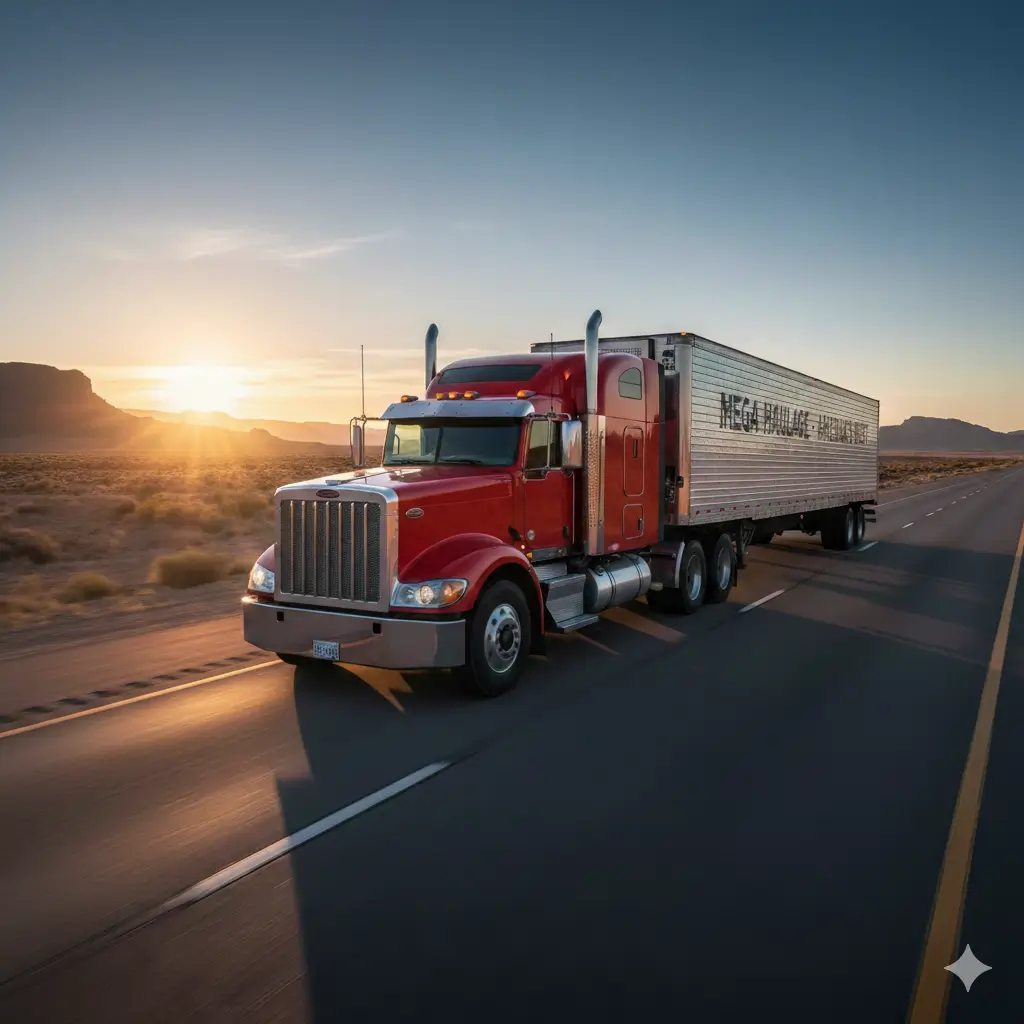

Compare heavy-duty truck brands by use case, uptime, resale value, insurance cost factors, and quote options.
The best heavy-duty truck brand in the USA isn’t a trophy—it’s a cash-flow decision that affects cost per mile, downtime, and how easy it is to keep the truck earning. For many Class 8 owner-operators, Freightliner often wins on overall total cost of ownership (TCO) and dealer coverage, while Peterbilt/Kenworth commonly lead on resale and owner-op demand; for many hotshot setups (Class 2–3), Ford Super Duty is frequently favored for nationwide service support.
It’s not just repairs, either. The truck you choose can change your downtime risk, financing strategy, and how your operation looks to underwriters—especially when you’re quoting physical damage and setting up commercial truck insurance with the right value basis and filings.
Key Takeaways: Essential “Best Brand” Decision Points
- Best = lowest cost per mile (CPM): Uptime, parts access, and fuel economy usually beat brand loyalty.
- Dealer network is a profit lever: Fast diagnostics and parts availability can save more than a lower purchase price.
- Truck choice can affect risk and insurance outcomes: Safety systems, repair costs, and operations can influence trucking insurance pricing and claim severity.
- Match the brand to your lanes: OTR, regional, vocational, and hotshot all reward different specs.
Table of Contents
Reading time: 9 minutes
- Step 1: Define “Heavy-Duty” (Class 8 vs Hotshot)
- What “Best” Means for an Owner-Operator (TCO Scorecard)
- Top Heavy-Duty Truck Brands in the USA (Brand-by-Brand)
- Quick Comparison Table: Best Brand by Use-Case
- How Truck Choice Impacts Trucking Insurance Costs
- Buying Checklist: Spec’ing to Protect Your Margin
- Frequently Asked Questions
- The Logrock Difference: Insurance Built for Business Owners
- Conclusion & Get a Quote

Step 1: Define “Heavy-Duty” (Because the Internet Mixes Two Different Worlds)
In the U.S. truck classification system, “heavy-duty” often gets used for both Class 8 (GVWR 33,001+ lbs) and heavy-duty pickups used for hotshot hauling (typically Class 2–3, GVWR 6,001–14,000 lbs). Those are two different worlds with different specs, failure points, and insurance setups.
When people ask “Which is the best heavy-duty truck brand in the USA?”, they’re usually talking about one of these categories.
1) Class 8 Semi Trucks (True Heavy-Duty: OTR and Vocational)
- What it is (plain English): Road tractors and vocational trucks (think Cascadia, 579, T680, VNL) pulling 53′ trailers, dumps, tankers, and more.
- Why it matters: Class 8 buying decisions revolve around uptime, dealer support, emissions/aftertreatment reliability, and CPM.
- Who this helps: Owner-operators with authority, leased-on O/Os, and small fleets.
2) “Heavy-Duty” Pickups Used for Hotshot (Class 2–3)
- What it is: F-250/F-350, Ram 2500/3500, Silverado/Sierra 2500HD/3500HD running goosenecks and flatbeds.
- Why it matters: Profit is sensitive to rear-end wear, transmission temps, tire burn, and service access.
- Insurance tie-in: This is where hotshot insurance gets specific fast (radius, trailer value, cargo type, DOT authority vs non-DOT).
If you’re shopping for coverage alongside your truck decision, start with a straight overview of commercial truck insurance so you’re not guessing on limits and filings.
What “Best” Means for an Owner-Operator: The TCO Scorecard (Not Hype)
Total cost of ownership (TCO) is the combined cost of purchase, fuel, maintenance, downtime, and resale, and it’s the clearest “best brand” metric for owner-operators because it translates directly to cost per mile (CPM). If you’re protecting your margin, the badge matters less than how the truck performs in your lanes with your service reality.
Here’s the scorecard I use when the goal is simple: keep the truck rolling and keep the bank account steady.
If you’re building a cost-per-mile model, understanding how your operation gets priced by underwriters is just as important as picking the right spec:
1) Uptime and Repair Speed (Downtime Is the Real Bill)
- What it is: How often it breaks and how fast it gets diagnosed, approved, and repaired.
- Why it’s essential: Missing one high-paying load because you’re waiting on a sensor or DPF part is a direct cash-flow hit — and it’s exactly the scenario that makes breakdown coverage for owner-operators worth reviewing before you’re stranded.
- Field-proven question to ask: “What’s your average wait time for common aftertreatment parts (DPF, DEF doser, EGR components)?” If the dealer can’t answer, treat that like a warning.
2) Fuel Economy and Driver Fatigue (CPM + Human Cost)
- What it is: Aero efficiency, powertrain pairing, and how livable the cab is on long weeks.
- Why it’s essential: Small MPG differences add up fast on long lanes—especially if you’re deadheading back.
3) Resale Value and Financing (Exit Strategy Matters)
- What it is: How well the truck holds value and how easy it is to sell or trade later.
- Why it’s essential: If you’re growing from 1 truck to 2, resale value can become the down payment for the next move — which is also why keeping your physical damage coverage on semi trucks aligned with actual market value matters throughout the cycle.
4) Dealer Network Coverage (Your Real Support Team)
- What it is: How many service points you can actually reach on your lanes, and how they treat small carriers.
- Why it’s essential: A big network reduces “stranded time” when you’re far from home.
Top Heavy-Duty Truck Brands in the USA (Class 8): Strengths, Trade-Offs, Best Fit
In the U.S. Class 8 market, Freightliner, Kenworth, Peterbilt, Volvo, International, Mack, and Western Star are the core brands most owner-operators cross-shop, and each wins in a different TCO scenario. No brand is perfect; the best brand is the one that matches your freight, lanes, and risk tolerance.
1) Freightliner (Cascadia): Best Overall for CPM and Network
- What it is: One of the most common modern OTR tractors you’ll see at truck stops and shipper yards.
- Why it’s essential (business risk): Common trucks usually mean more parts availability, more shop familiarity, and strong nationwide support.
- Best for: OTR dry van/reefer operators prioritizing fuel economy and service coverage.
- Trade-off: Because they’re common, you’re competing in a huge used market—spec and maintenance records matter for resale.
2) Peterbilt (579) & Kenworth (T680/W990): Best for Resale + Driver Satisfaction
- What it is: PACCAR brands that often command strong resale when maintained and spec’d well.
- Why it’s essential (business risk): Strong resale can protect you when the market flips or you need to pivot lanes.
- Best for: Owner-operators running a “keep it 5–7 years” strategy and caring about long-term value and comfort.
- Practical tip: Don’t overbuy ego specs that don’t pay you back; a smart aero spec usually beats a “show truck” build in CPM.
3) Volvo (VNL): Best for Comfort + Integrated Safety Tech (Often Great for Long Weeks)
- What it is: A common OTR choice with a strong emphasis on driver ergonomics and safety systems.
- Why it’s essential (business risk): Fatigue is risk; comfort and visibility can reduce mistakes when running tight appointment windows.
- Best for: OTR/regional drivers who live in the truck and value visibility, handling, and driver-assist tech.
- Trade-off: In some regions, dealer density and parts lead time can be more variable than the most common brands.
4) Mack (Anthem/Pinnacle) & Western Star: Best for Severe Service and Vocational Abuse
- What it is: Brands often chosen when the work is rough—construction, vocational, mixed terrain.
- Why it’s essential (business risk): If your day includes job sites and stop-and-go, you’re buying durability and build — and operators in that segment should also have the right dump truck insurance in place before the first job.
- Best for: Dump, lowboy, heavy vocational, and operators who can’t afford mounts/suspension failures from harsh duty cycles.
- Trade-off: The best severe-service truck isn’t always the best fuel sipper on long, flat interstate runs.
5) International: Best When the Deal + Local Support Is Strong
- What it is: A major brand where outcomes depend heavily on the model year, engine choice, and local dealer support.
- Why it’s essential (business risk): A strong dealer relationship can outperform internet stereotypes when your service plan is local.
- Best for: Regional operations with consistent local service strategy.
- Practical tip: Talk to the shop foreman where you’ll actually service the truck—not just the salesperson.
If you’re considering hotshot equipment specifically, this breakdown covers both the equipment decision and the insurance structure side-by-side:
Quick Comparison Table: Best Heavy-Duty Truck Brand in the USA by Use-Case
A practical use-case table is a fast way to shortlist the best heavy-duty truck brand in the USA because profitability depends more on lane type and service access than on overall popularity. Use this as a starting point, then validate it against your freight mix and the dealers you can realistically reach.
| Use-Case (How You Make Money) | “Best Fit” Brands (Typical) | Why It Wins in the Real World |
|---|---|---|
| OTR dry van / reefer, high miles | Freightliner, Volvo | Network + fuel economy + common parts |
| Resale-focused owner-op (planned upgrade) | Peterbilt, Kenworth | Often strong resale + owner-op demand |
| Regional, mixed routes, comfort priority | Volvo, Freightliner | Visibility/comfort + efficient specs |
| Vocational / construction / severe service | Mack, Western Star | Built for abuse + jobsite realities |
| “Best deal” with strong local dealer relationship | Any brand can win | Dealer speed and parts beat internet rankings |
Not sure which freight segment fits your lanes and risk tolerance? This guide breaks down the core trailer types:
How Your Truck Choice Impacts Trucking Insurance (Yes, It Can Move the Needle)
FMCSA requires federally regulated motor carriers to carry at least $750,000 in public liability coverage for most non-hazardous property freight (49 CFR Part 387), and your truck’s value and repair cost directly affect physical damage premiums on top of that. Insurers price risk, not brand loyalty—but the truck you choose can change claim severity and how expensive losses are to fix.
1) Physical Damage (Comp/Collision) Tracks Repair Cost and Truck Value
- Newer trucks with expensive sensors, fairings, and integrated systems can mean higher repair bills.
- Higher stated value often raises premium—especially if you’re financing and need broader coverage terms.
- When quoting semi truck insurance, the carrier will typically want VIN, value, radius, and operation type; your brand/model influences repair cost and availability.
2) Safety Tech Can Help—But Only If You Run a Tight Operation
- Collision mitigation, lane-assist, and camera systems can reduce frequency and severity of crashes.
- In underwriting, claims history, driver record, radius, cargo, and compliance usually outweigh the badge on the hood.
- If you want to control premium, focus on clean MVR/PSP, disciplined HOS/ELD habits, and fewer preventable events.
3) Hotshot Trucks = Different Risk Profile (and Different Coverage Needs)
- Cargo type, trailer value, and lanes matter a lot in hotshot underwriting.
- Hotshot operators commonly get hit by coverage gaps (misclassified commodities, incorrect radius, missing trailer/physical damage details) — reviewing the hotshot trucking cargo insurance requirements before you haul is the fastest way to close those gaps.
- Get hotshot coverage quoted by someone who understands DOT authority, broker COIs, and shipper requirements; start with hotshot insurance.
If your goal is affordable trucking insurance, the fastest wins are operational: clean loss runs, correct classification, smart limits, and no coverage gaps—not chasing a “magic brand.”
Buying Checklist: Spec’ing a Heavy-Duty Truck Like a Profit-First Owner-Operator
A profit-first buying checklist focuses on spec-to-freight fit, dealer coverage, and maintenance planning because those three items drive uptime and cost per mile more than brand reputation. You don’t need a perfect truck—you need a truck that earns consistently and is easy to service on your lanes.
1) Match the Spec to the Freight (Not to the Sales Pitch)
- OTR high miles: aero, powertrain pairing, and weight all matter.
- Heavy haul: cooling, gearing, brakes, and durability matter.
- Stop-and-go vocational: serviceability and component strength matter.
2) Validate Dealer Coverage on Your Lanes
- Map your common lanes (ELD history helps if you have it).
- Identify the top 3 dealers you’d realistically use.
- Ask about appointment lead times and aftertreatment diagnostics capacity.
3) Plan Your Maintenance Like It’s Payroll (Because It Is)
- PM intervals you’ll actually hit (not the “perfect-world” schedule).
- A tire budget that matches your miles and axle configuration.
- A “DPF/aftertreatment surprise” reserve (because it happens).
- A backup plan for repairs (relationship with a local shop, rental strategy, or loaner options).
4) Align Insurance Before You Take the First Load
- Set up your commercial truck insurance for owner-operators structure before dispatch is asking for COIs.
- Confirm liability and cargo limits match what brokers/contractors require.
- Make sure filings (when needed) are correct and active before you haul.
You can also get ahead of the paperwork side (COIs, filings, changes) by setting up coverage through a specialist. Start here: trucking insurance.
Frequently Asked Questions
These answers reflect how owner-operators actually evaluate “best” in the field: uptime, resale, and service access usually matter more than brand reputation. Use them to sanity-check your shortlist before you commit to a spec and an insurance structure.
Not directly in most cases — insurers price your policy based on operation type, radius, cargo, driver record, and claims history, not on badge preference. That said, your truck’s stated value affects physical damage premium, and newer trucks with expensive sensor arrays or integrated fairings can mean higher repair costs after a loss. If you’re financing and need stated-value physical damage, a more expensive truck raises your premium floor. The clearest path to controlling insurance cost is clean MVR/PSP records, correct classification, and no coverage gaps — not brand selection. Talk to a specialist to understand how your specific truck and operation get rated through commercial truck insurance for owner-operators.
Total cost of ownership (TCO) adds up every dollar the truck costs you beyond the purchase price: fuel, tires, preventive maintenance, unplanned repairs, downtime losses, financing interest, insurance, and eventual resale loss. For owner-operators, TCO translates directly to cost per mile — and that number determines whether a load is profitable. A truck that costs $30,000 less to buy but burns an extra $0.04/mile in fuel or spends 15% more days in the shop can cost more over five years than a premium-spec truck that holds resale well. TCO thinking also shapes how you insure: overinsuring a depreciating truck or underinsuring a truck with a climbing market value both create problems at claim time. See how to choose the right coverage for a checklist built around this decision.
Dealer network density is a profit lever, not just a convenience. If you’re running OTR lanes and the nearest authorized service point for your brand is 200 miles from where you break down, you’re paying for towing, a hotel, and potentially missing a load while you wait. Brands with dense national networks — particularly those with high U.S. market share — typically reduce that stranded-time risk. Before you buy, map your regular lanes and identify the top three service points you’d realistically use. Ask each dealer about average DPF/aftertreatment diagnostic wait times, parts stock for your engine, and loaner or rental availability. That conversation reveals more than any online ranking.
A used Class 8 truck can be a smart entry point if the purchase is made with discipline: a pre-purchase inspection by an independent shop (not the seller’s dealer), full maintenance and repair records, a clean title history, and an aftertreatment system in verified working order. The risk zone is trucks with deferred DPF/EGR maintenance, hidden frame damage, or out-of-spec emissions systems — those repairs can cost $10,000–$30,000+ and hit right after you’ve put everything into the down payment. For insurance purposes, used trucks need a stated value that reflects current market value, not what you paid or what you owe — incorrect stated value can leave you underinsured after a total loss. See the best truck insurance options for new owner-operators and work with a specialist to set the right physical damage basis before you take the first load.
No single heavy-duty truck brand is universally “most reliable” because real-world reliability depends on model year, engine spec, maintenance discipline, and local dealer support. In practice, owner-operators often see better uptime with brands that have dense dealer networks and common parts availability, because diagnostics and repairs happen faster. For bank-account reliability, prioritize documented maintenance records, a thorough pre-purchase inspection, and a service plan that matches your lanes. Then protect the asset with correctly valued physical damage inside your commercial truck insurance, so one crash or theft doesn’t become a business-ending loss.
Peterbilt and Kenworth are frequently associated with strong resale value in many U.S. owner-operator markets, especially when the truck is well-documented and spec’d for broad buyer demand. Resale still depends on miles, maintenance history, emissions/aftertreatment condition, and whether the spec is “sellable” (wheelbase, sleeper size, gear ratio, and axle configuration). If you’re planning an upgrade cycle, review how physical damage is valued and rated in your semi truck insurance quote, because incorrect stated value or the wrong valuation basis can increase premium or complicate a claim.
Freightliner is commonly considered the top U.S. heavy-duty (Class 8) truck brand by sales volume in many years, with Kenworth, Peterbilt, Volvo, International, Mack, and Western Star competing depending on the segment and year. “Top by sales” doesn’t automatically mean best for your operation, but higher market share often correlates with easier parts sourcing and more technician familiarity nationwide. That service access can reduce downtime-driven risk behaviors (rushing, pushing miles) that can contribute to claims, which is one reason operational discipline matters so much for affordable trucking insurance.
You should buy the 2026 heavy-duty truck that matches your lanes, freight, and service reality, because spec-to-duty-cycle fit is the biggest driver of cost per mile. For long OTR miles, prioritize aero and fuel economy; for vocational or jobsite work, prioritize durability and cooling; for hotshot, prioritize service access and drivetrain durability. Before you haul your first load, confirm your liability, cargo, filings, and physical damage values are aligned with your operation through commercial truck insurance, so you’re not fixing coverage problems under dispatch pressure.
The Logrock Difference: Insurance Built for Business Owners
Logrock structures commercial truck insurance around how owner-operators actually run—radius, cargo, trailers, and required filings—so COIs and compliance don’t turn into last-minute emergencies. If your truck is your income, your insurance should function like a business tool, not a confusing stack of paperwork.
We help you set up coverage that matches the real operation behind the wheel:
- Correct filings (when required): so authority and contracts don’t stall.
- Fast COIs for brokers and shippers: so you can book loads without delays.
- Coverage that matches the details: radius, trailer, cargo, and physical damage value.
Conclusion: Buy the Best Brand for Your Lanes—and Insure It Like a Business Asset
The best heavy-duty truck brand in the USA is the one that delivers the lowest cost per mile for your lanes through uptime, support, and resale while keeping claim severity and downtime risk manageable. If you buy like a business owner, your “best” choice becomes clearer: service access, spec-to-freight fit, and documentation beat forum opinions.
Key Takeaways:
- Buy for TCO and dealer coverage: uptime and parts access usually beat a slightly cheaper purchase price.
- Match the brand and spec to the work: OTR, regional, vocational, and hotshot reward different setups.
- Align insurance before you haul: correct values, radius, cargo classification, and filings prevent expensive surprises.
If you’re buying (or upgrading) equipment and want your coverage set up correctly the first time, get a quote that matches your operation.
Buying a new truck — or upgrading your current rig — is the right moment to review your coverage structure. LogRock can help you match your physical damage value, liability limits, cargo classification, and required filings to the actual operation you’re running, so you’re not fixing gaps when dispatch is already calling. Talk to our team, ask your questions, and get a quote built for your lanes.
Related reading: Commercial Truck Insurance Guide, Trucking Insurance Basics for New Authorities, and Hotshot Insurance Coverage Checklist.





