Hot shot trucking insurance in Illinois usually comes down to one simple question: what are you hauling, how are you running it, and who’s responsible if something goes wrong? If you’re moving time-sensitive freight with a pickup and trailer, your personal auto policy won’t cover the business side of that risk. The right commercial setup protects the truck, the cargo, and your authority when a load turns into a claim.
This guide breaks down what hot shot insurance actually covers, how Illinois rules fit with FMCSA requirements, what drives price, and how to avoid buying coverage that looks fine on paper but falls apart when you need it.
What Illinois Hot Shot Trucking Insurance Actually Covers#
Hot shot trucking in plain English#
Hot shot trucking is commercial hauling that usually uses a pickup truck, flatbed, gooseneck, or similar rig to move freight fast. The work is often time-sensitive and usually tied to a business load, not personal use. That means the insurance question isn’t “do I have a truck policy?” It’s “does my policy match the way I actually use the truck?”
A one-truck operator hauling tools, palletized equipment, steel, lumber, or building materials under their own authority or leased on to a motor carrier is dealing with commercial exposure. That’s why hot shot insurance has to be built around the operation, not the vehicle alone.
Why personal auto insurance is not enough#
A personal auto policy usually excludes business hauling and paid-for-hire use. If you’re carrying freight for a customer, broker, or carrier, the personal policy may deny the claim the moment it sees commercial use.
That’s the mistake a lot of new operators make. They assume a pickup is a pickup, and if the truck is registered in a personal-looking way, the policy must be fine. It usually isn’t.
For a deeper breakdown of the basics, see Trucking Insurance 101: 6 Critical Coverages for the Owner-Operator’s Cash Flow.
The core coverages most operators compare first#
Most Illinois hot shot operators start with five pieces:
- Commercial auto liability
- Motor truck cargo
- Physical damage
- Non-trucking liability
- Trailer coverage, when they use trailers they don’t own or interchange trailers
Commercial auto liability pays for bodily injury and property damage if your covered truck causes an accident. Motor truck cargo protects the freight you’re carrying. Physical damage covers the truck itself, and often the attached equipment, if you add that exposure. Non-trucking liability applies when the truck is being used off-dispatch and outside business hauling. Trailer coverage matters when you use rented, borrowed, or exchanged trailers.
Illinois Requirements vs. Federal Trucking Rules#
What Illinois cares about#
Illinois cares about registration, titling, taxes, and whether your insurance matches the kind of operation you’re running. The Illinois Department of Insurance also matters because it oversees the state’s insurance market and consumer protections. But Illinois state rules don’t replace federal trucking rules when FMCSA jurisdiction applies.
If you’re operating commercially in Illinois, the state looks at whether your truck and insurance line up with your use. That’s different from asking whether you meet federal trucking financial responsibility standards.
What FMCSA cares about#
FMCSA rules kick in when your operation falls under federal motor carrier jurisdiction, especially for interstate work. Under 49 CFR Part 387, for-hire interstate carriers hauling general freight in vehicles over 10,001 lbs must carry at least $750,000 in public liability. Different carrier types and commodities can trigger different minimums.
That’s why “what’s the minimum?” is never a one-size-fits-all answer. The right question is: are you for-hire or private, interstate or intrastate, what does the truck weigh, and what are you hauling?
You can verify carrier status and operating details through FMCSA and look up carrier information on SAFER. For the regulatory text, see 49 CFR Part 387.
CDL and non-CDL hot shot differences#
A non-CDL setup does not mean non-commercial. It just means the driver or vehicle doesn’t meet the CDL threshold for that specific configuration. You can still be running a commercial hot shot operation with real liability, cargo, and trailer exposure.
Example: a pickup under CDL thresholds hauling interstate under authority still needs commercial insurance that fits the operation. Another operator might stay in-state with a smaller setup and face a different combination of state and carrier requirements. The vehicle class, CDL status, and insurance requirement all need to line up, but they’re not the same thing.
That’s the biggest trap: people mix up truck class, license class, and insurance class, then buy the wrong policy.
How Much Hot Shot Trucking Insurance Costs in Illinois#
Monthly cost vs. annual planning#
Hot shot trucking insurance in Illinois is usually easier to understand if you think in annual terms first, then divide it back into monthly planning. The premium depends on your operation, not just your state. A clean one-truck setup can price very differently from a newer authority with higher-value freight and more miles.
There’s no honest way to give one flat monthly number for every hot shot business. A lot of online advice ignores the things that actually move the quote.
For more ways to think about premium levers, see Affordable Trucking Insurance: 10 Levers to Pull to Lower Your Premiums.
Why quotes vary so much#
Insurers look at:
- Authority type
- Driving history and prior claims
- Cargo type and freight value
- Operating radius
- Truck value and trailer use
- Whether you’re leased on or running under your own authority
- Prior insurance history
A carrier hauling light equipment in-state with a clean record may look very different to an insurer than an interstate operator moving higher-risk freight under their own authority. The truck itself matters too. A newer, financed rig with expensive modifications usually raises physical damage exposure even if your liability exposure stays similar.
Leased-on versus motor carrier authority also changes how an insurer prices the risk. The policy has to match who controls the freight, who files the authority, and what kind of business you’re actually running.
A practical cost example for a one-truck operator#
Picture two Illinois operators in the same pickup class. One hauls building materials a short radius, has a clean MVR, older truck, and limited trailer use. The other hauls higher-value machinery across state lines, owns a newer truck with add-ons, and runs under own authority.
Both are hot shot businesses. But the second one usually presents more exposure: more cargo value, more miles, more moving parts, and more things that can go wrong. That’s why quote shopping without context usually fails. The quote is really a risk profile, not a sticker price.
Coverage Choices That Matter Most for Hot Shot Operators#
Auto liability and why it is the starting point#
Commercial auto liability is the foundation because it protects against bodily injury and property damage claims from a covered accident. If your truck hits another vehicle, a guardrail, or a building, this is the coverage that gets tested first.
For hot shot work, liability is also where people get tripped up by minimums. The right limit depends on carrier type, weight, commodity, and whether you’re interstate or intrastate. Don’t copy a limit from a forum post and assume it fits your setup.
Cargo insurance based on what you haul#
Motor truck cargo covers the freight you’re transporting, but the policy only responds within its terms and exclusions. A load of tools, construction materials, or machinery may be treated differently than higher-theft or high-value freight. Cargo value, commodity type, and load handling all matter.
If your operation uses trailers or hauls a wide range of goods, make sure the cargo wording matches the freight you actually touch. Cheap cargo coverage that excludes your regular freight is just a false sense of security.
Physical damage, trailer interchange, and non-trucking liability#
Physical damage protects your truck and attached equipment. If the truck is financed, newer, or has expensive add-ons, this coverage often matters a lot. Collision handles crash damage. Comprehensive handles theft, fire, vandalism, and similar losses.
Non-trucking liability is not a replacement for primary commercial liability. It applies to non-business use situations, not paid hauling. A lot of owner-operators confuse bobtail-style coverage with full commercial protection and end up underinsured.
Trailer interchange and non-owned trailer physical damage are different tools. Trailer interchange usually ties to a signed interchange agreement. Non-owned trailer physical damage is often the better fit when you use trailers you don’t own and there isn’t a trailer interchange agreement in place.
What Affects Your Quote More Than People Expect#
Cargo type and trailer use#
Cargo type can change your quote fast. Tools, machinery, building materials, and higher-theft freight all carry different risk. Trailer ownership matters too. Using your own trailer, a rented trailer, or an interchange trailer can change eligibility and pricing.
The same driver can get two very different quotes just by switching from low-value building materials in an owned trailer to higher-value machinery in a borrowed trailer.
Truck specs, equipment, and values#
A truck’s value, age, modifications, and attached equipment affect physical damage pricing. A financed newer truck usually costs more to insure than an older low-value unit. Add-ons like winches, headache racks, toolboxes, or specialized gear can also change the exposure.
If the truck would be hard to replace tomorrow, the physical damage decision gets more important.
Driving history, experience, and maintenance#
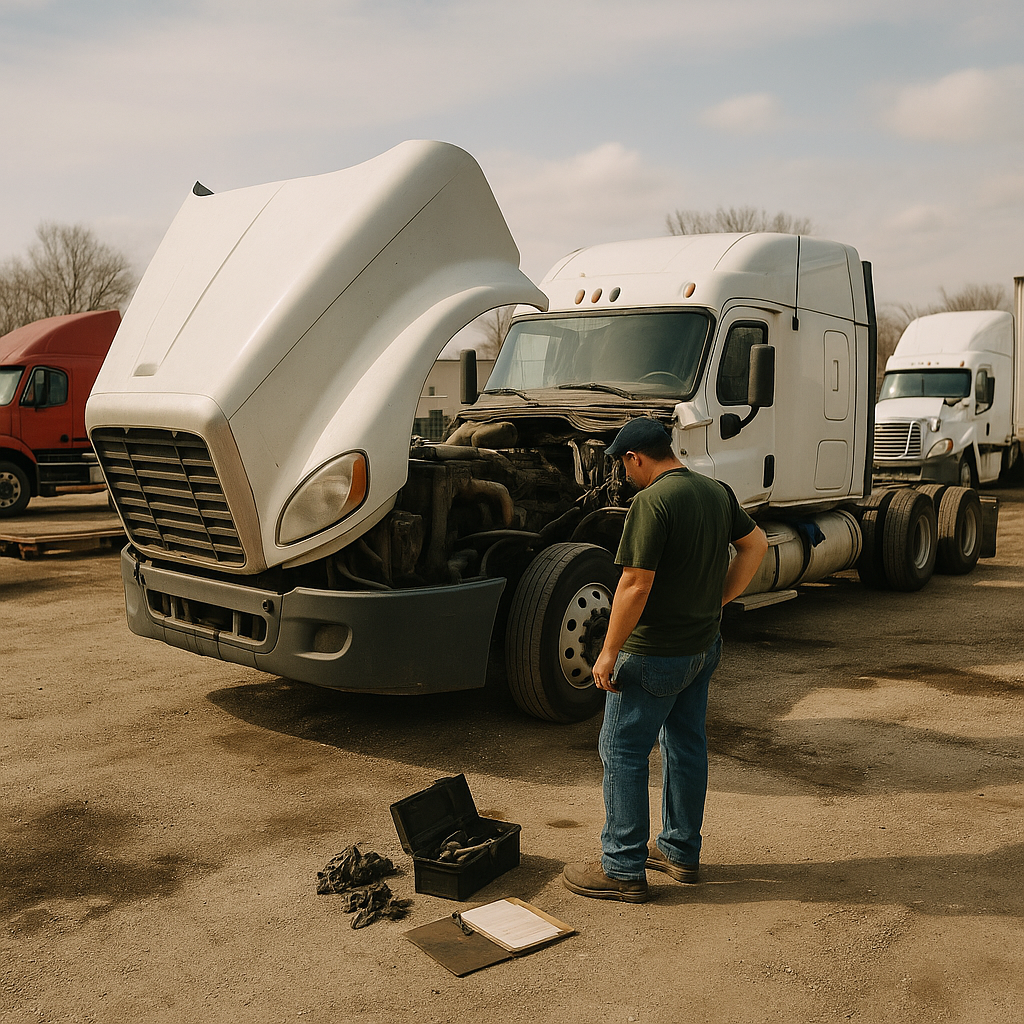
A clean MVR, fewer prior claims, and better maintenance records usually help. Insurers want to see that the operator manages risk, not just freight. Poor maintenance history can make a carrier uneasy even if the truck looks fine today.
Think of it this way: the insurer is betting on how you operate. Clean paperwork and maintenance discipline make that bet easier.
How to Reduce Hot Shot Insurance Costs Without Creating Gaps#
How to present a cleaner risk profile#
The easiest way to lower friction is to report the operation accurately. Give the right radius, describe the cargo correctly, document maintenance, and keep your records organized. If you understate the work, the quote may look better until a claim forces a coverage review.
Raising deductibles can lower premium, but only if you can actually afford the out-of-pocket hit. A deductible that looks small on paper can still hurt a one-truck business.
What to review before you bind#
Before you sign, check:
- Coverage scope
- Exclusions
- Deductibles
- Trailer rules
- Cargo restrictions
- Filing support
Don’t drop cargo or physical damage just to make the quote easier to swallow if the truck or freight can’t absorb the loss. A low-cost policy that won’t respond is expensive in the real world.
When bundling helps and when it does not#
Bundling can help when the policy mix and operation fit together cleanly. It can also create blind spots if the package forces a coverage shape that doesn’t match your hauling. A newer financed truck may justify more protection than an older unit with low replacement value.
The right question is not “what’s the smallest premium?” It’s “what loss can my operation survive?”
How to Choose the Right Insurer or Broker in Illinois#
What to compare on a quote#
A good quote comparison goes beyond premium. Compare coverage scope, exclusions, deductibles, trailer rules, cargo limits, and filing support. If a broker can’t explain those pieces in plain English, keep moving.
A hot shot-specialized broker usually understands the difference between a pickup under authority, a leased-on setup, and a non-CDL operation that still runs commercial freight.
What to ask about eligibility and exclusions#
Ask how the quote changes if you run interstate versus intrastate, CDL versus non-CDL, and owned trailer versus borrowed trailer. Some carriers simply don’t fit certain hot shot-adjacent operations, and eligibility matters as much as price.
If the answer sounds vague, that’s a warning sign. Clarity beats a fast quote if the policy won’t respond when you need it.
How to spot vague advice#
Be careful with anyone who says one policy fits every hot shot operator. It doesn’t. The right fit depends on your actual freight, trailer use, authority, and truck setup.
If you’re checking your operating status, SAFER can help confirm carrier and USDOT details. For insurance market questions in Illinois, the Illinois Department of Insurance is the right state resource.
Claims Readiness for a One-Truck Hot Shot Operation#
What to capture at the scene#
If you ever need to file a claim, the scene matters. Take photos, write down driver notes, capture the location, get a police report if needed, and save shipper or broker contact info. Damage documentation should start before the truck leaves the scene.
What to save after the loss#
Keep maintenance records, load paperwork, prior repair invoices, and any trailer agreements. Those documents help show what was happening before the loss and what the equipment looked like before the damage.
How better records help the claim#
Cargo and physical damage claims move better when the paperwork is already in order. If you run everything from the cab, build a simple file system now. The best claim file is the one you don’t have to assemble under pressure.
For a practical roadside mindset, see Accident Checklist: What to Do (and Not Do) to Protect Your Insurance Rates.
LogRock Coverage Fit for Hot Shot-Adjacent Operations#
Common fits#
This guide is for education, and fit always depends on the actual operation. LogRock writes common commercial coverages used in hot shot-style operations, including auto liability, cargo, physical damage, non-trucking liability, trailer interchange, and non-owned trailer physical damage.
Common non-fits#
LogRock does not write intermodal, household goods movers, last-mile or final-mile as a primary class, driveaway, or NTL bundled with certain other coverages. If your operation sits near those lines, check the class carefully before you assume it fits.
How to verify eligibility before quoting#
The fastest way to avoid a bad match is to verify the operation class first: what you haul, how you use the truck, what trailer exposure you have, and whether you run interstate or intrastate. That keeps the quote grounded in the real job, not a generic label.
FAQ#
What insurance do I need for hot shot trucking?
Most hot shot operators start with commercial auto liability, motor truck cargo, physical damage, and trailer-related coverage if they use borrowed, rented, or interchange trailers. Non-trucking liability may also matter, but it only applies in non-business use situations. The exact mix depends on how you operate, what you haul, and whether you run under your own authority or lease on. Personal auto insurance usually won’t cover paid hauling.
How much does Hotshot trucking insurance cost?
There isn’t one honest price for every hot shot operator. Cost changes with cargo type, trailer use, truck value, driving history, operating radius, and authority type. A clean one-truck operation hauling lower-risk freight may price very differently from an interstate operation hauling higher-value cargo. The best way to think about it is that insurers are pricing your real risk profile, not just your truck.
How much does insurance cost for a Hotshot business?
The business structure by itself doesn’t set the premium. What matters is the trucking risk underneath it: what you haul, how far you run, whether you use owned or borrowed trailers, and how the truck is equipped. Two hot shot businesses can look similar on paper and still get very different quotes because one carries more cargo risk, more physical damage exposure, or a less favorable loss history.
Do non-CDL hot shot operators need commercial insurance?
Yes. Non-CDL does not mean non-commercial. If you’re hauling freight for hire, you still need insurance that matches the operation. The policy has to fit the truck’s use, the cargo, the trailer exposure, and whether the work is interstate or intrastate. The license class and the insurance class are separate questions, and mixing them up can leave you exposed.
What should I check before I bind a hot shot policy?
Check coverage scope, exclusions, deductibles, trailer rules, cargo restrictions, and filing support. Also confirm that the policy matches your actual hauling setup: interstate versus intrastate, CDL versus non-CDL, and owned versus borrowed trailer use. If any part of the quote sounds vague, ask for a plain-English explanation before you sign. A policy that doesn’t match the job can be worse than no policy at all.