
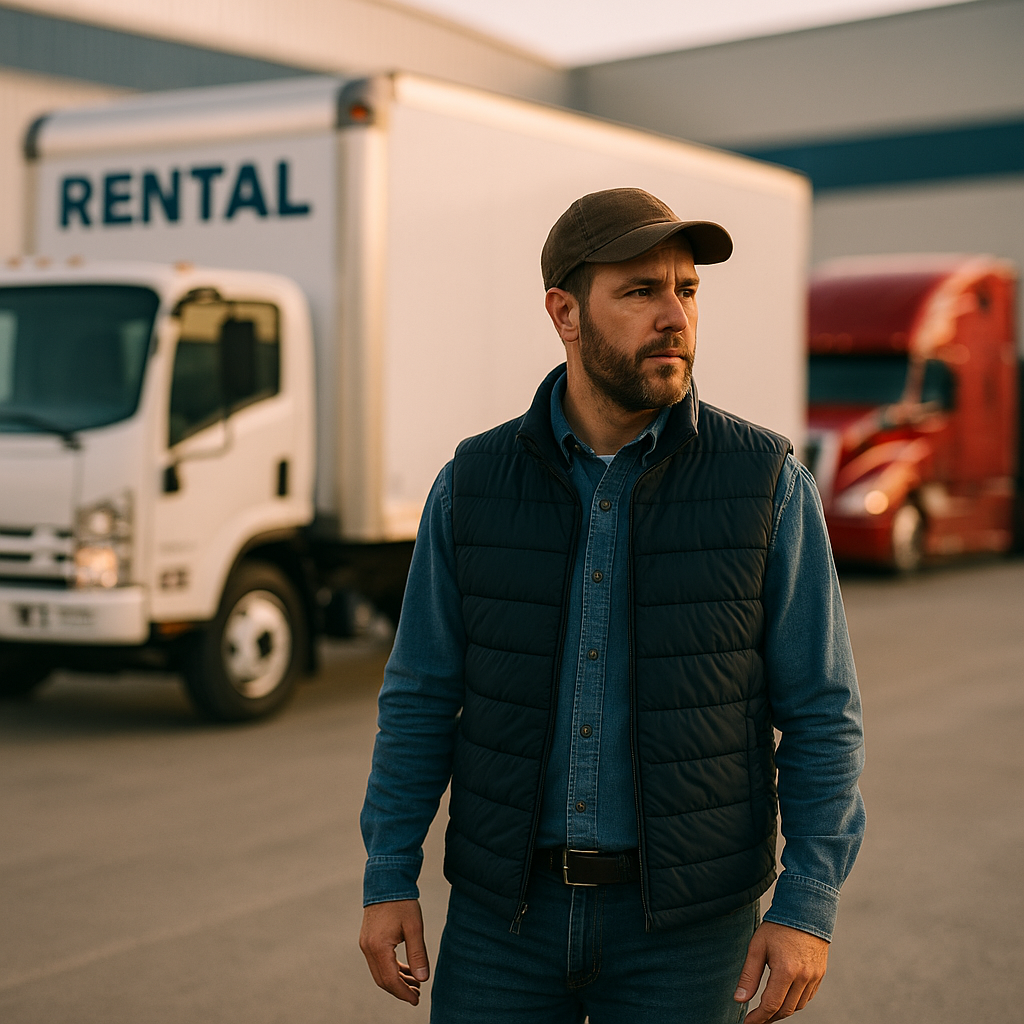

7 rules for GEICO truck rentals: truck type/GVWR, moving trucks, liability vs comp/collision, business use, and fees. Verify before pickup.
Learn when GEICO may cover a rental truck, common exclusions, optional protection plans, and 7 rules to avoid gaps.
Rental coverage and coverage for damage to the rental truck are not the same thing. If the rental is tied to work, deliveries, or hauling, start with commercial truck insurance requirements so you are not trying to solve a commercial problem with a personal-auto assumption.
Table of Contents
Reading time: 8 minutes

Quick answer + key takeaways
GEICO truck rental coverage is determined by the exact vehicle, intended use, and whether liability and comprehensive/collision extend to that non-owned vehicle.
- Rule #1: Rental reimbursement is not the same as rental-truck coverage.
- Rule #2: Truck type and GVWR can decide eligibility.
- Rule #3: Business or for-hire use can require commercial coverage.
- Rule #4: Confirm liability, physical damage, and rental-company fee exclusions.
- Rule #5: Loss of use, administrative fees, and diminished value can matter.
- Rule #6: Cargo and contents are separate from the truck itself.
- Rule #7: A short verification call beats guessing.
Rule #1: Rental reimbursement is not the same as coverage for a rental truck
Rental reimbursement normally helps pay for a temporary replacement after a covered claim on your own vehicle. It is not automatically liability or comprehensive/collision coverage for damage to a rented moving or box truck.
For a clearer breakdown, see rental truck reimbursement insurance.
Ask separately whether liability extends, whether physical damage applies, and whether the policy addresses loss of use, administrative charges, and diminished value. GEICO’s vehicle-rental claims process is a useful starting point, but your policy controls the answer.
Rule #2: The truck type and GVWR can be the biggest coverage deal-breaker
Coverage for a rented truck often hinges on vehicle class. A pickup can be treated differently from a 10–26 foot moving or box truck, and policy forms can use GVWR as a cutoff.
- Pickup truck rental: often closest to a standard rental-car scenario.
- Cargo van or box truck: common moving and delivery rentals where restrictions appear.
- Specialty trucks: tow, dump, and stake-bed vehicles may be excluded outright.
For larger rentals, review box truck liability insurance requirements.
What to confirm before pickup
- Exact year, make, and model
- GVWR from the door-jamb label
- States and territory where you will drive
- Whether the trip is personal or business use
If you are renting a box truck and are unsure what insurance questions to ask, this walkthrough covers the core requirements:
Rule #3: Personal move vs business use can change the answer completely
Business or for-hire use can trigger different policy rules and compliance requirements, including the 10,001+ lbs GVWR/GCWR threshold for certain interstate USDOT scenarios and federal minimum liability levels such as $750,000 for many for-hire property carriers.
Personal use: moving your own household goods, collecting furniture, or hauling supplies for your home is typically cleaner. Business use: deliveries for pay, hauling tools or materials regularly for a business, or running loads for a customer must be verified before you roll.
See FMCSA insurance requirements for owner-operators and the FMCSA USDOT-number overview. For the federal liability framework, review 49 CFR Part 387.
If you are renting a box truck to run Amazon Relay work, review Amazon box truck insurance requirements before pickup. For hotshot operations, see GEICO hot shot trucking insurance rates.
Rule #4: Know what is excluded and verify coverage with a simple call checklist
Rental-truck claims can involve liability, physical damage, and rental-company charges such as loss of use and administrative fees. Confirm each before pickup.
Confirm these three buckets
- Liability: injury and property damage you cause to others.
- Physical damage: collision and comprehensive for the rented truck.
- Fees and exclusions: loss of use, processing fees, diminished value, territory restrictions, and business-use exclusions.
Truck damage and what is inside the truck are different exposures. For freight or valuables, read cargo coverage explained.
The 5-minute verification checklist
- Rental company and pickup location
- Truck type, year/make/model, and GVWR
- Rental dates and states you will drive in
- Personal versus business/for-hire use
- Liability, collision, comprehensive, deductibles, fees, and written confirmation
Watch how a verification step works in a rental-box-truck scenario before signing:
For work-related rentals, price real affordable trucking insurance instead of guessing.
Frequently Asked Questions
GEICO may extend coverage to a rental truck, but it depends on your policy form, state, and the exact truck. Confirm whether liability, collision, and comprehensive extend to the specific rental unit, including the deductible and any loss-of-use, administrative-fee, or diminished-value limits. If the rental is for work, use commercial coverage that matches the operation.
Not necessarily. Rental reimbursement is intended to help pay for a temporary replacement after a covered claim on your own vehicle. A 10–26 foot moving or box truck may be treated differently from a passenger replacement vehicle, so confirm eligible vehicle types with GEICO before pickup.
Yes. Rental companies commonly offer damage-waiver and supplemental-liability products at the counter. A damage waiver is a contractual product rather than traditional auto insurance, and daily charges can add up, so compare it with the coverage your own policy actually provides before deciding.
Collision and comprehensive can extend to some rentals when those coverages are on your policy, but moving trucks and box trucks are where vehicle-type restrictions appear. Give the insurer the exact year, make, model, and GVWR, and ask for written confirmation before relying on an extension.
Loss of use is a charge for the rental company’s alleged lost revenue while the truck is being repaired. Whether it is covered depends on the policy language and applicable rules. Ask specifically about loss of use, administrative fees, and diminished value before renting.
Do not assume so. Moving and box trucks can be treated differently from standard passenger rental cars. Confirm liability and physical-damage treatment for the exact truck type and GVWR before signing the rental agreement.
Usually not. Many card rental benefits exclude trucks, cargo vans, and vehicles above stated weight thresholds. Review the exact benefits guide for your card before relying on it, particularly for a 10–26 foot box truck or any business-use rental.
Often yes. Hauling for pay can be excluded or limited under personal auto coverage, and interstate operations may trigger USDOT and FMCSA compliance considerations. The truck, cargo, operating area, and contract requirements determine the right commercial structure.
This is a commercial substitute-vehicle scenario, not a normal personal rental. A hired-auto or substitute-vehicle endorsement under your commercial policy may be needed, and eligibility still depends on truck type, GVWR, cargo, and operations. Verify before running the load.
There is no universal cutoff because it depends on the insurer and policy form. Common thresholds worth checking include 10,001 pounds for certain interstate USDOT scenarios and 26,000 pounds for CDL-related classifications. Use the exact GVWR from the door-jamb label rather than estimating.
Conclusion: Confirm the truck type, use, and exclusions before you sign
The answer to whether GEICO covers a truck rental usually comes down to truck type/GVWR, personal versus business use, and exclusions for fees such as loss of use and administration charges.
- Separate the benefits: rental reimbursement is not the same as liability or physical damage.
- Get specifics: year/make/model and GVWR matter.
- Plan for fees: ask about loss of use, administrative charges, and diminished value.
For continued reading, see what affects truck insurance costs and how to save on truck insurance.
If you are trying to figure out whether your current policy covers a rented truck—or whether you need commercial coverage before you roll—LogRock can review the operation, identify gaps, and help you price the right structure.





